
The Summaries
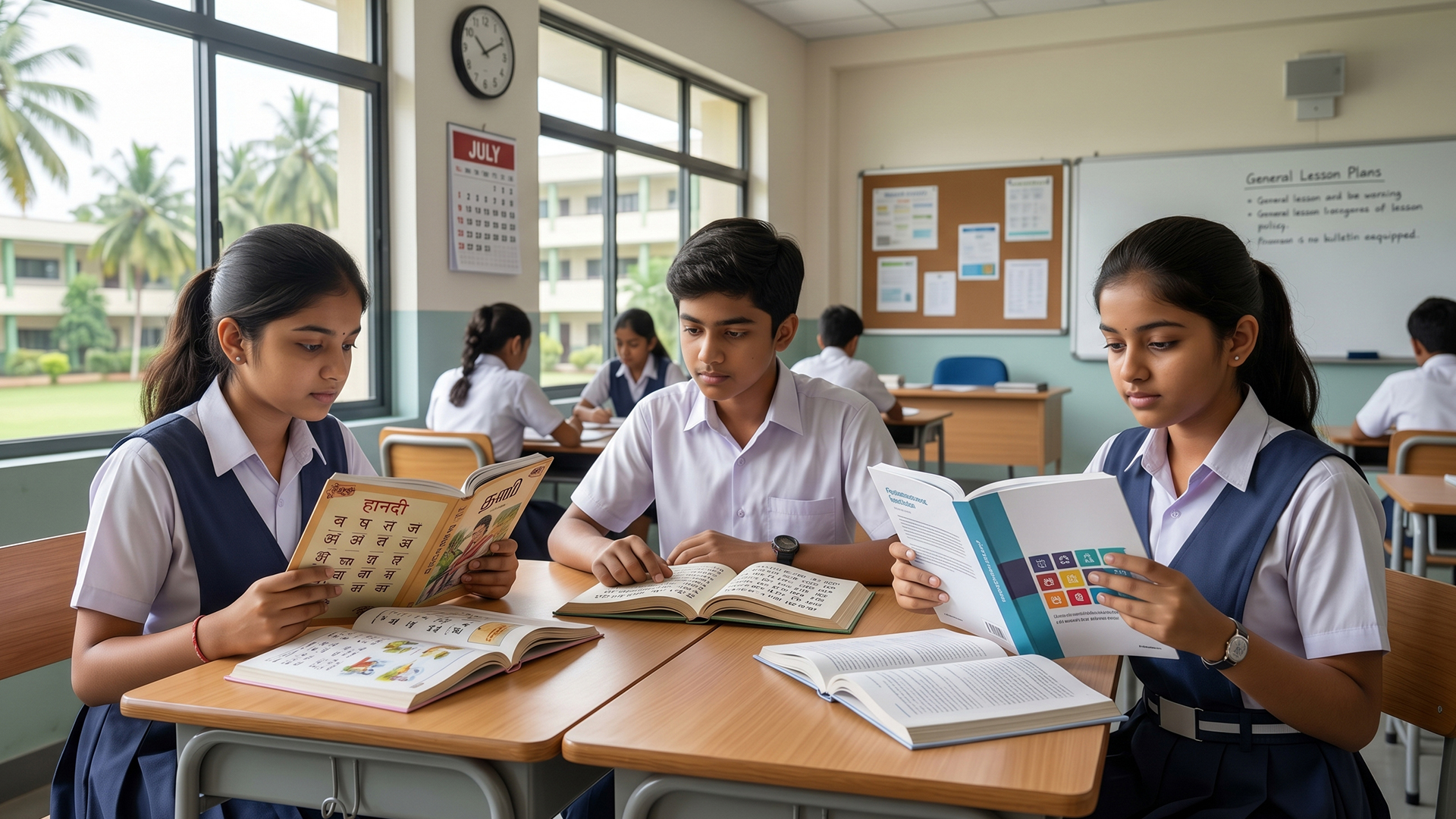
3 languages a must for CBSE Class 9, 10
CBSE has made three languages compulsory for Classes 9 and 10 from July 1, 2026. At least two must be Indian languages, and the third will be internally assessed with no board exam requirement.
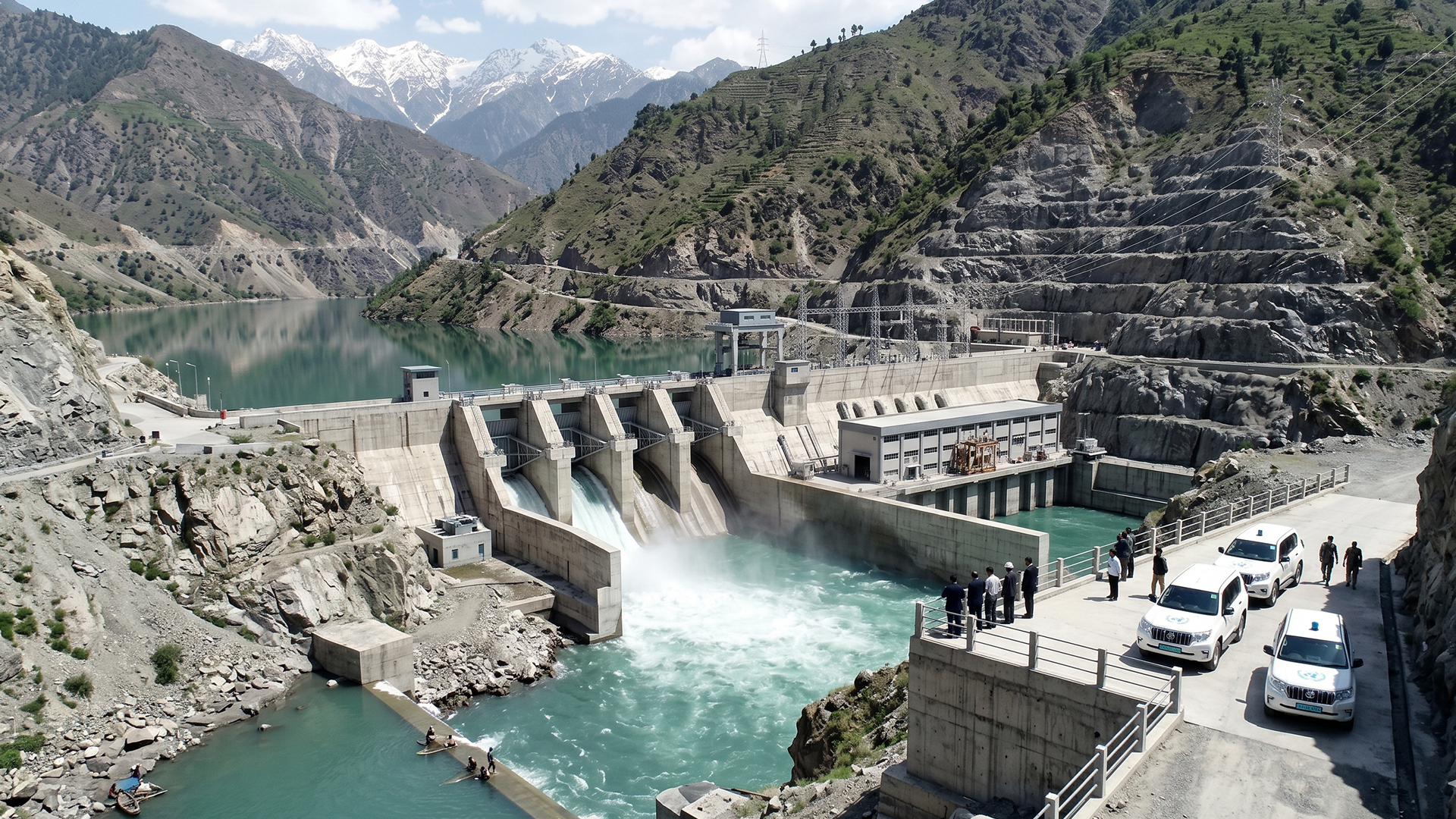
India rejects Indus waters arbitration ruling
India has rejected a Court of Arbitration ruling on the Indus Waters Treaty, calling it “null and void.” The government said it does not recognise the tribunal and reaffirmed that the treaty remains suspended in its current position.
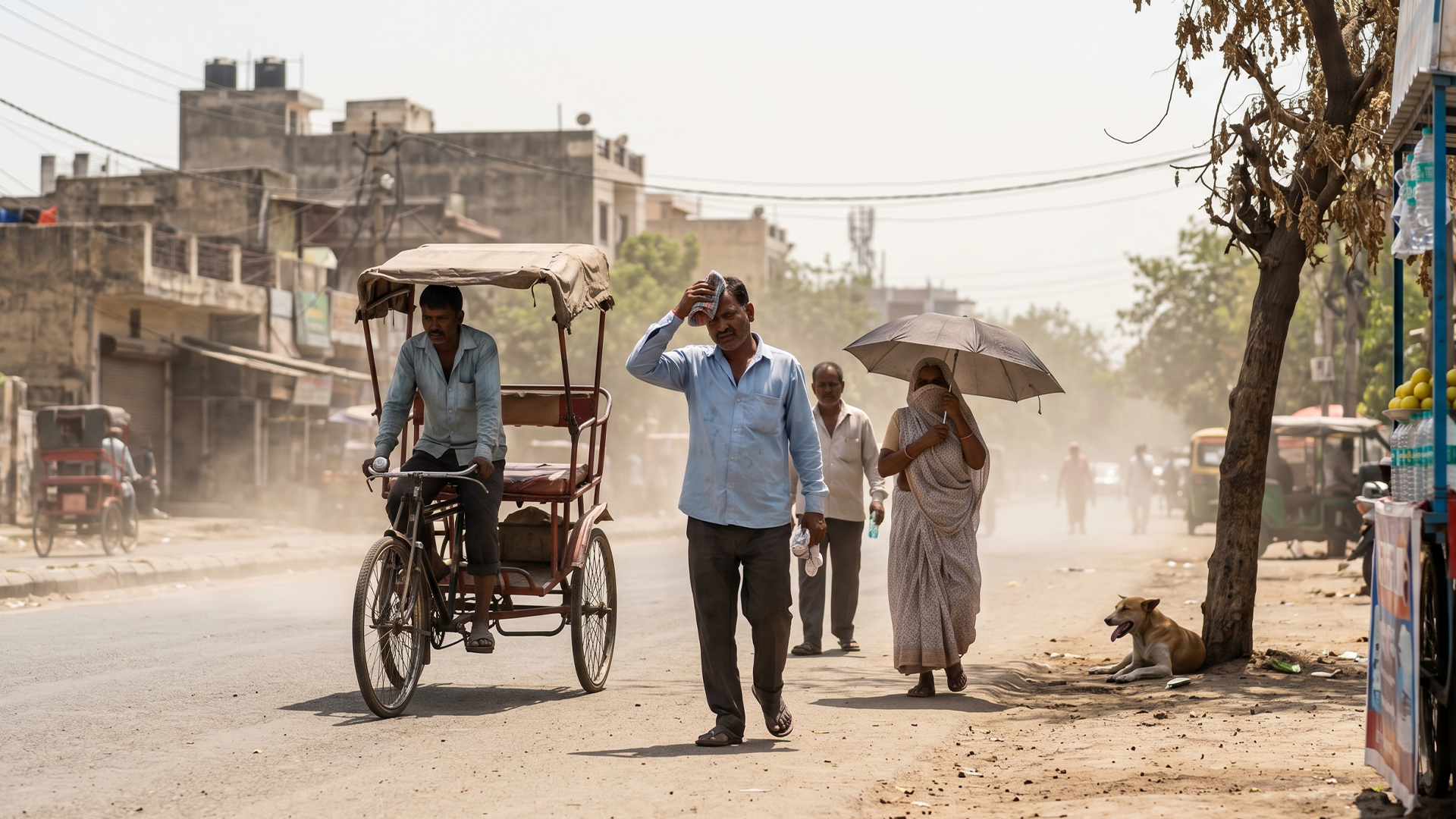
Delhi is preparing for 45°C heatwave
Delhi is expected to face a severe heatwave, with temperatures likely reaching 45°C. The IMD has warned of prolonged hot and dry conditions across North India, urging residents to avoid peak sun hours and stay hydrated.
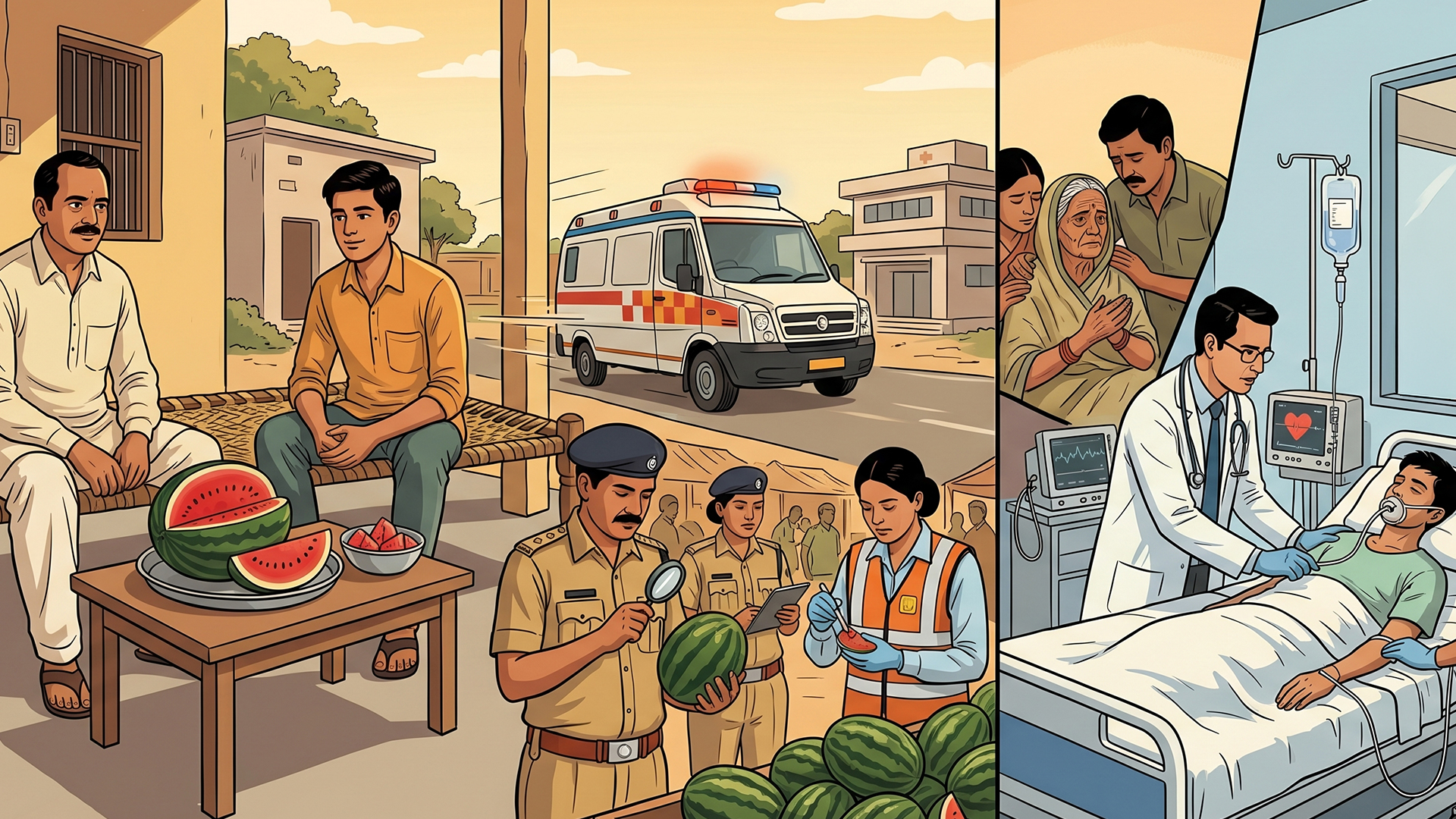
Father dies, son critical in watermelon case
In Madhya Pradesh’s Sheopur, a man died and his son is critical after falling ill reportedly after eating watermelon. Doctors suspect food poisoning, but the exact cause is under investigation following medical and postmortem examinations.

78 years after Nakba, Palestinians remember
Millions of Palestinians marked the 78th Nakba anniversary with marches and memorial events, remembering the displacement of hundreds of thousands in 1948. The commemorations also renewed calls for justice, peace and recognition of ongoing Palestinian humanitarian concerns.

Supreme Court introduces fuel-saving steps
The Supreme Court has introduced measures to reduce fuel consumption, including virtual hearings on select days, two-day work-from-home arrangements for staff and encouraging judges to carpool as part of broader resource conservation efforts.
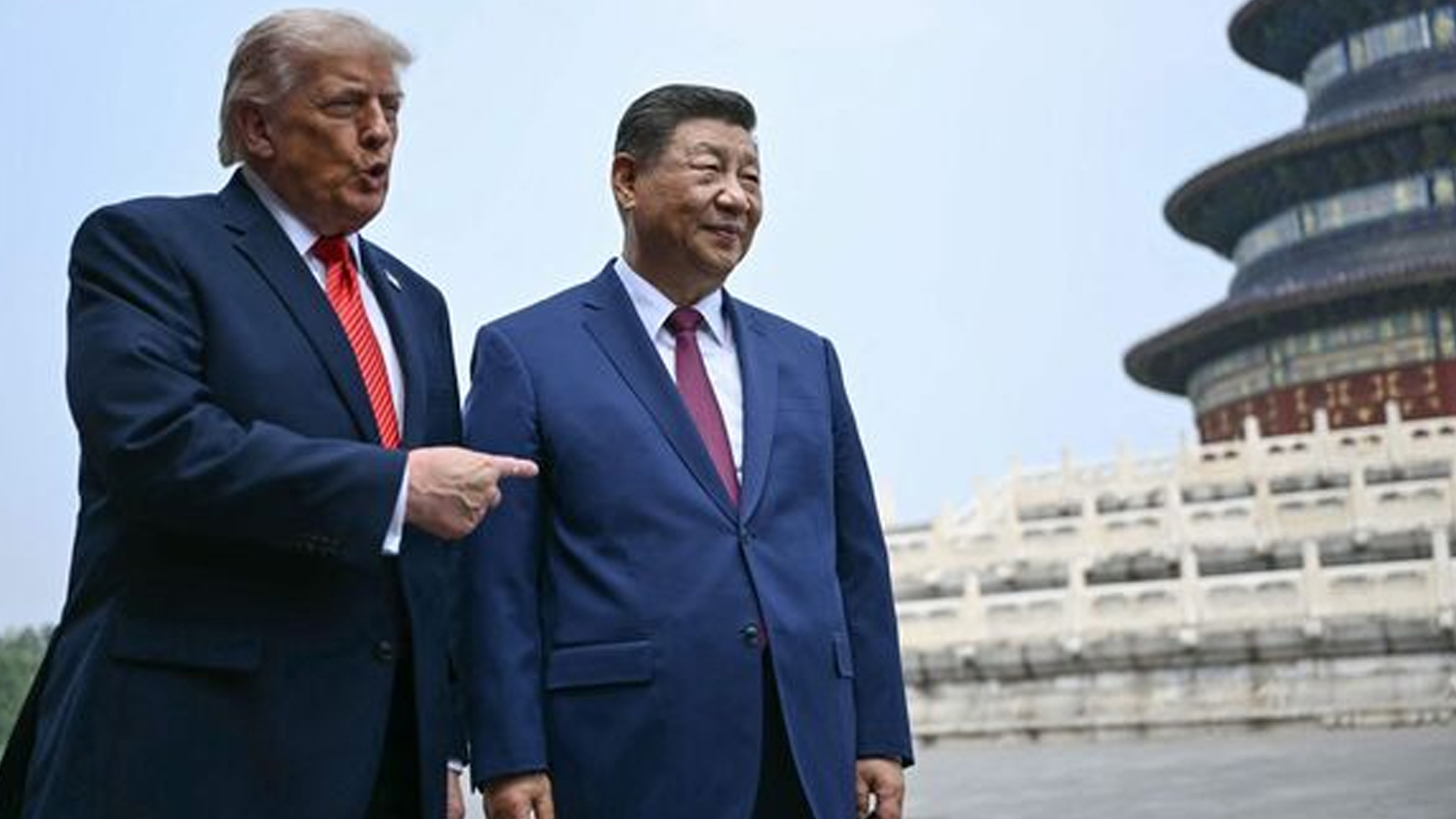
Trump delegation faces digital lockdown in China
The US delegation on President Donald Trump’s China visit is using secure government devices only, banning personal phones and laptops to prevent cyber surveillance and data risks during high-level diplomatic and business discussions.
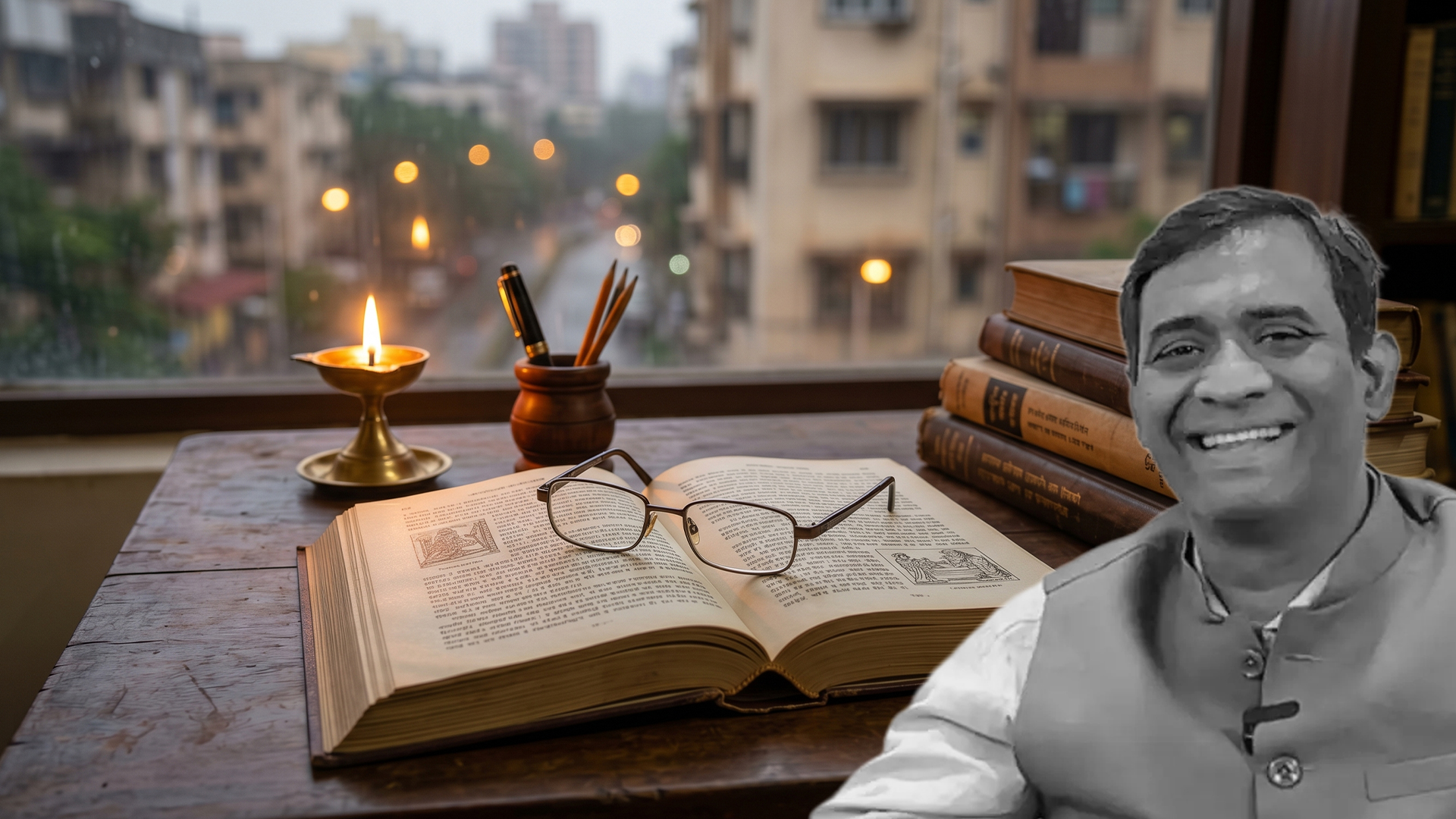
Author Dr Radhakrishnan Pillai dies at 50
Bestselling author and leadership coach Dr Radhakrishnan Pillai died after suffering a cardiac arrest in Mangaluru at the age of 50. Known for ‘Corporate Chanakya’, he played a major role in bringing Chanakya’s management and leadership ideas to modern readers across India.
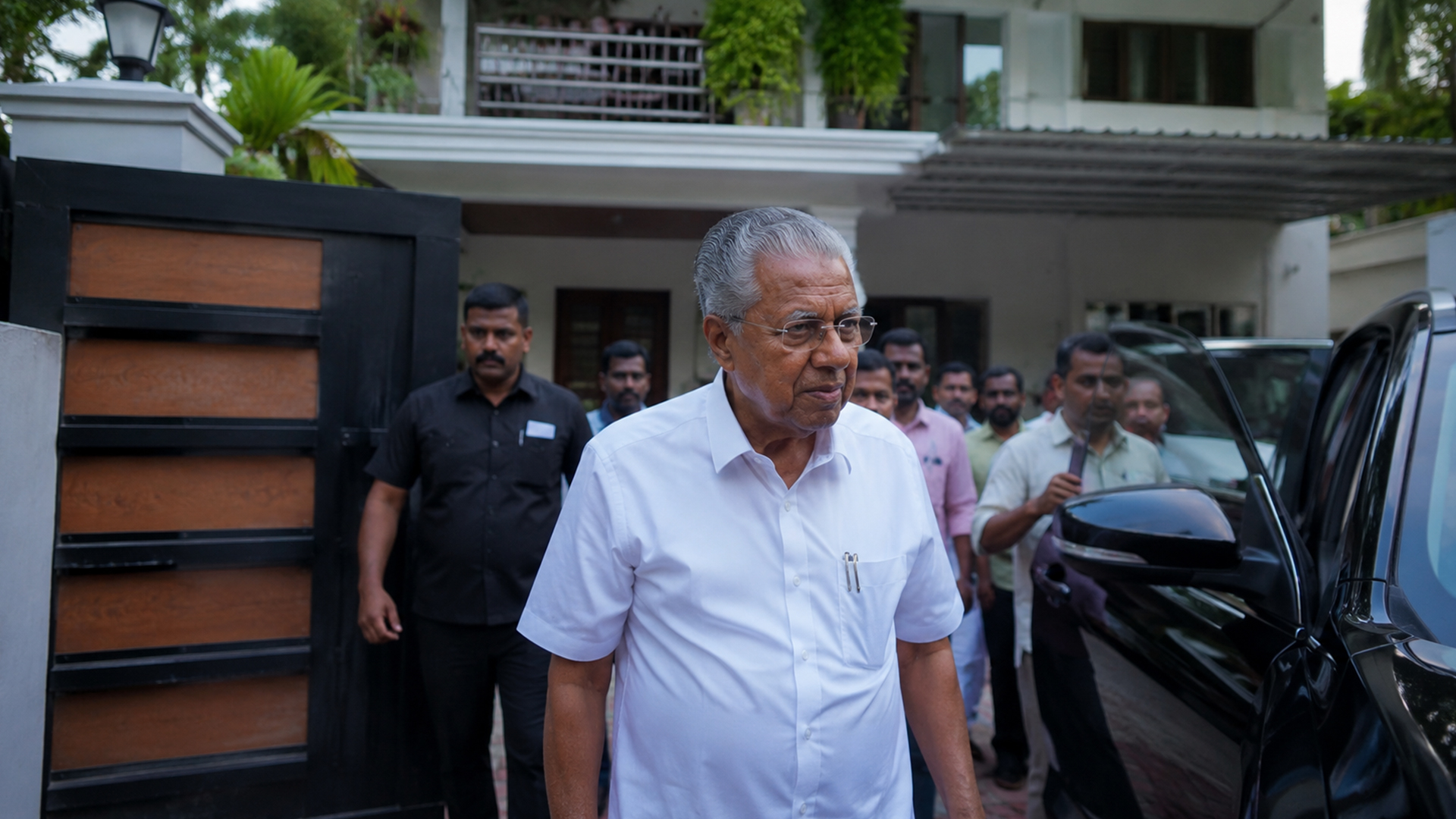
Pinarayi Vijayan moves to a rented home
Outgoing Kerala Chief Minister Pinarayi Vijayan has vacated the official residence after stepping down and moved into a rented house in Thiruvananthapuram. The decision comes amid uncertainty over his future role as opposition leader after the LDF’s election defeat.
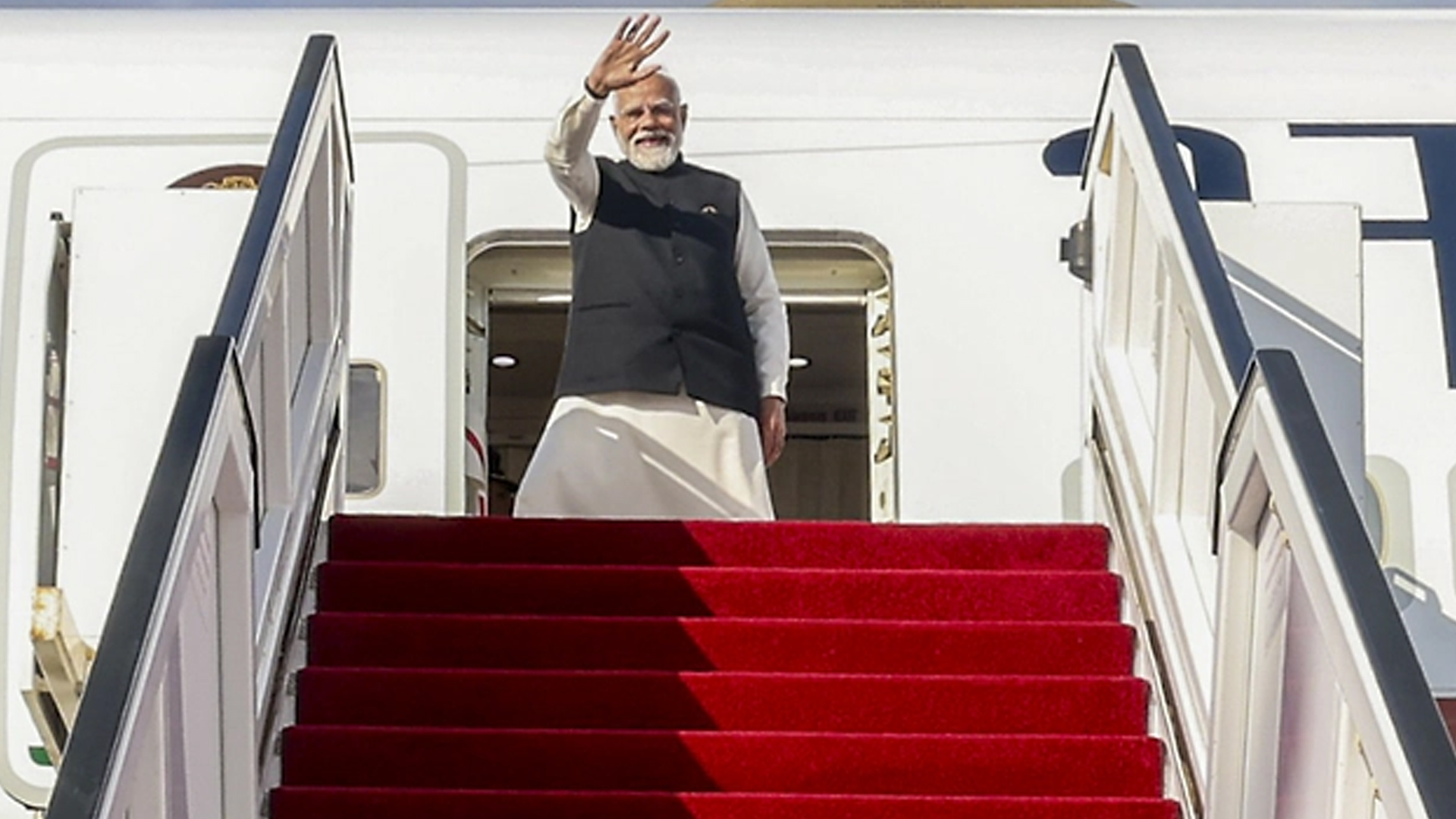
PM Modi to begin his five-nation diplomatic tour
PM Modi will begin a five-nation visit from May 15, covering the UAE, Netherlands, Sweden, Norway and Italy. The tour will focus on trade, investment, energy cooperation and strengthening India’s strategic ties with key global partners.
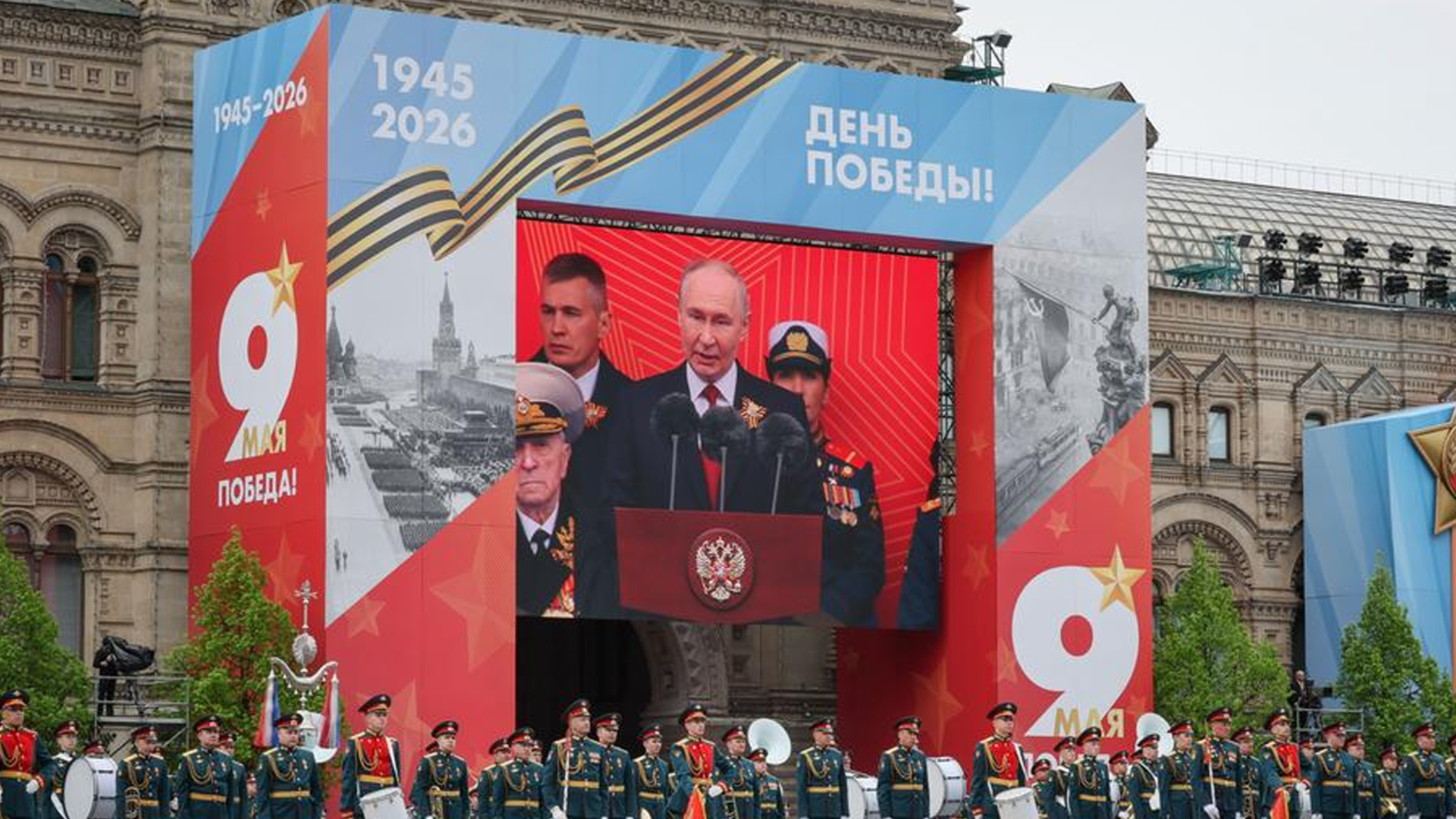
Russia scales down victory day parade
Russia held a smaller-than-usual Victory Day parade in Moscow as security concerns and fears of possible Ukrainian attacks overshadowed the annual military event. President Vladimir Putin attended the ceremony, which featured limited military equipment and tighter security arrangements across the capital.
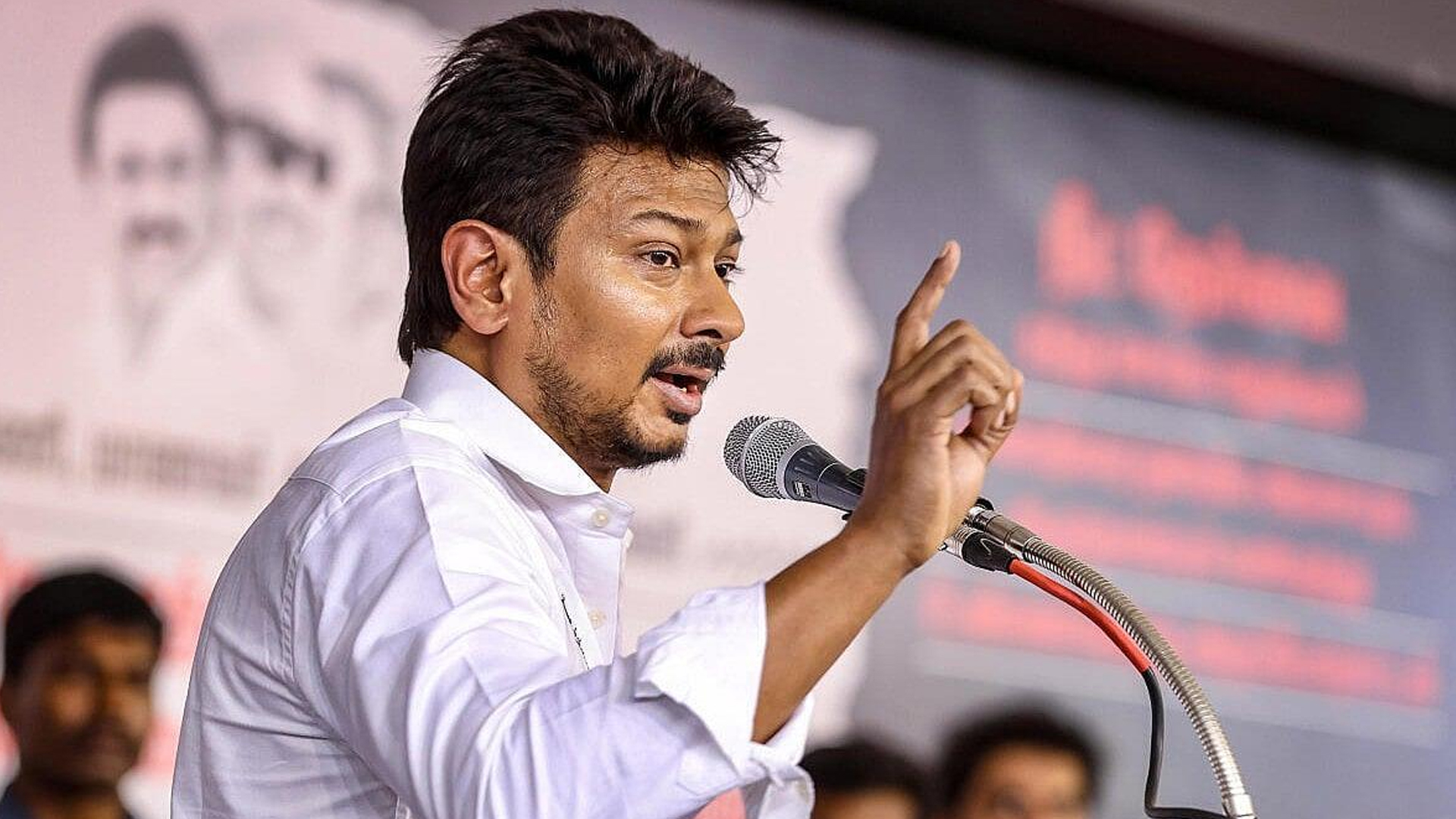
Udhayanidhi named Tamil Nadu opposition leader
DMK appointed Udhayanidhi Stalin as Leader of the Opposition in Tamil Nadu, days after Vijay took oath as Chief Minister. The move marks the beginning of a high-profile political rivalry between the two actor-turned-politicians in the State.
About This Category
The Format Is the Editorial Argument
The name of this publication is The Summary. This section is where that philosophy is most directly expressed. The Summaries are not abbreviated versions of longer articles. They are complete pieces of journalism — reported, edited, and published at a length that respects both the story and the reader's time. The decision to keep them short is not a constraint. It is a position: that most news can be communicated clearly in 150 words, and that padding it to 600 words rarely improves it.
The editorial discipline required to produce a good summary is different from, and in some ways harder than, writing at length. Every sentence has to do real work. Nothing survives that doesn't belong there.
What Ends Up Here
The range is genuinely broad — and deliberately so. On any given day, The Summaries might carry a Karnataka cabinet resignation, a hospital fire in Bihar, a CBSE policy recommendation, a Kerala toddler death that has triggered public outrage, and a Cockroach Janta Party founder's plans to protest at Jantar Mantar. These are not thematically related stories. They are simply the news, treated with consistent brevity.
That breadth is the point. A reader who follows The Summaries doesn't need to choose a category to monitor. National politics, health research, civic tragedies, civil society, lifestyle news — it all comes through this section at a pace that doesn't require hours of reading to stay current.
The Judgment That Goes Into 150 Words
Selection is where the editorial work happens. Not everything becomes a Summary. Stories make it here when the core fact is clear, the significance is demonstrable, and the full picture can be honestly conveyed at short length without stripping context that the reader actually needs. A story like the Muzaffarpur hospital fire — four lives lost, a state inquiry ordered, families to be compensated — can be told completely in under two minutes. Stretching it doesn't add information; it adds length.
Some stories don't work as summaries because the context is too dense to compress responsibly. Those go elsewhere on the site. The Summaries is not a catchall; it's a format with specific requirements, and not every story meets them.
A Different Kind of Archive
Over time, The Summaries has become a reliable daily record of what happened in India and across the world — told concisely, sourced from official announcements and credible reporting, and published without the delay that often accompanies longer-form analysis. Readers who have followed the section consistently say it functions as a news briefing they can consume in a single sitting. That is more or less exactly what it was designed to do.
Frequently Asked Questions
Q1. What is The Summaries format and how is it different from other sections?
The Summaries are short, complete news pieces — typically under 150 words — covering a single event or development clearly and accurately. Unlike the full-length articles in sections like National, Business, or Health, these are written to be read in under a minute. The format is intentional: the goal is to report the news completely, not briefly for brevity's sake.
Q2. Does The Summaries cover all topics or only specific beats?
All topics. A single scroll through The Summaries on any given day might include political news, health research, a civic disaster, an education policy decision, and a human interest story. The connective thread is the format, not the subject. Readers who want to stay across multiple beats without tracking several sections will find everything here.
Q3. Are The Summaries just shortened versions of longer articles on the site?
No. They are standalone pieces written specifically for this format. Occasionally, a major developing story will have both a full article and a Summary — but they are written separately, for different purposes. The Summary version is complete on its own terms, not a teaser or a preview of something longer.
Q4. How does The Summary decide what becomes a Summary versus a full article?
If a story can be told accurately and completely at short length without stripping essential context, it's a candidate for The Summaries. If the background, timeline, or stakeholder complexity genuinely requires more room, it gets a full article. The test is whether the reader comes away informed — not whether the piece meets a word count.
Q5. How often is The Summaries section updated?
Throughout the day as news develops. There is no fixed publishing schedule — stories are published when they are ready. Readers who check in once or twice daily will typically find several new pieces each visit. The pace reflects the news cycle, not a content calendar.
Q6. Is The Summaries a good starting point for readers new to the site?
It is probably the most efficient way to understand the full scope of what The Summary covers. Because the section spans every beat — politics, business, health, lifestyle, science, national, world news — a few minutes in The Summaries gives a reader a clearer picture of the publication's range than browsing any single category section would.