
The Summaries
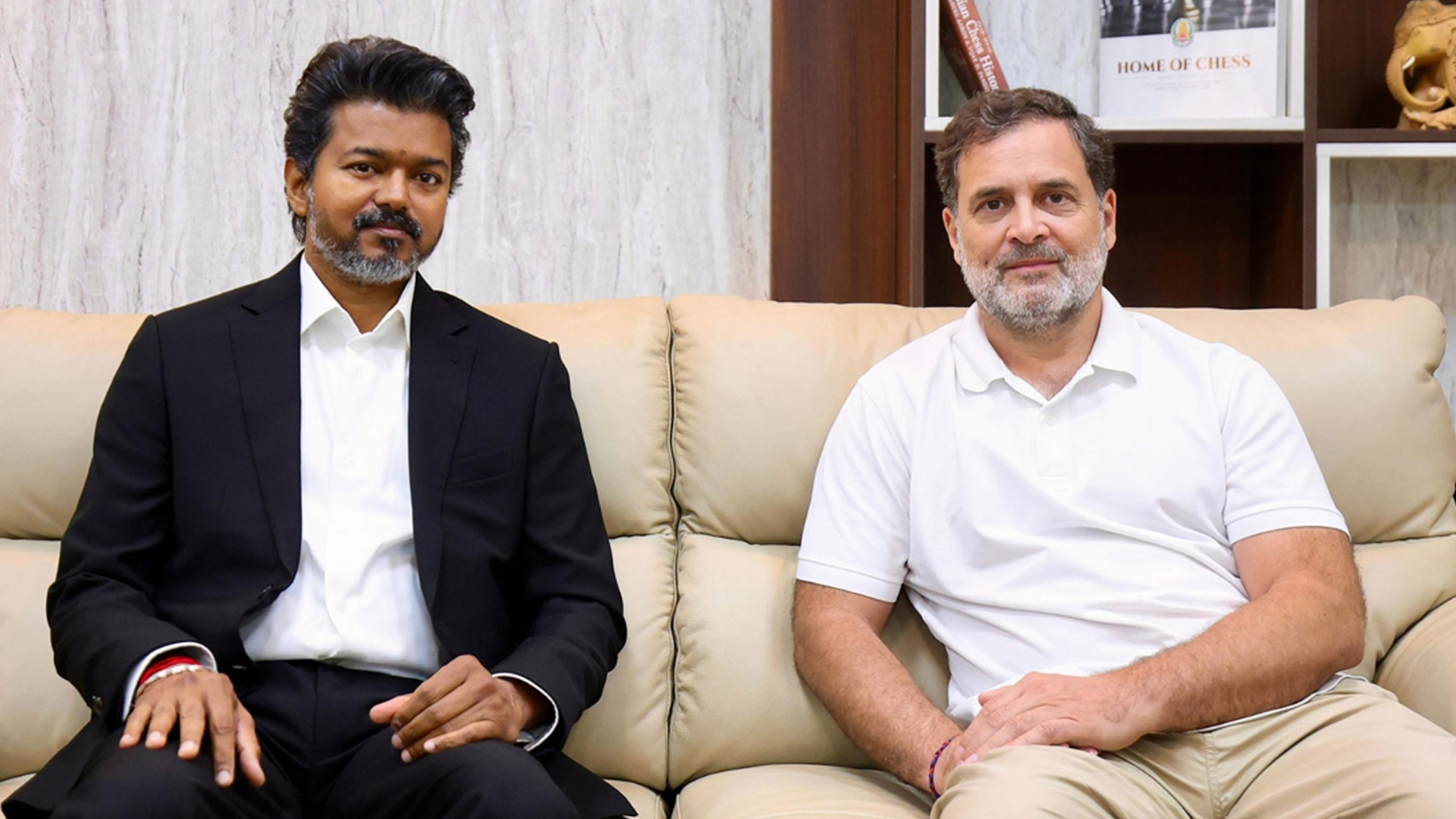
Congress alleges Rahul-CM Vijay posts blocked
Congress alleged Instagram blocked posts featuring Rahul Gandhi and Tamil Nadu Chief Minister Vijay soon after upload. The IT Ministry denied involvement, saying no takedown order was issued and the issue was likely caused by the platform’s moderation system.
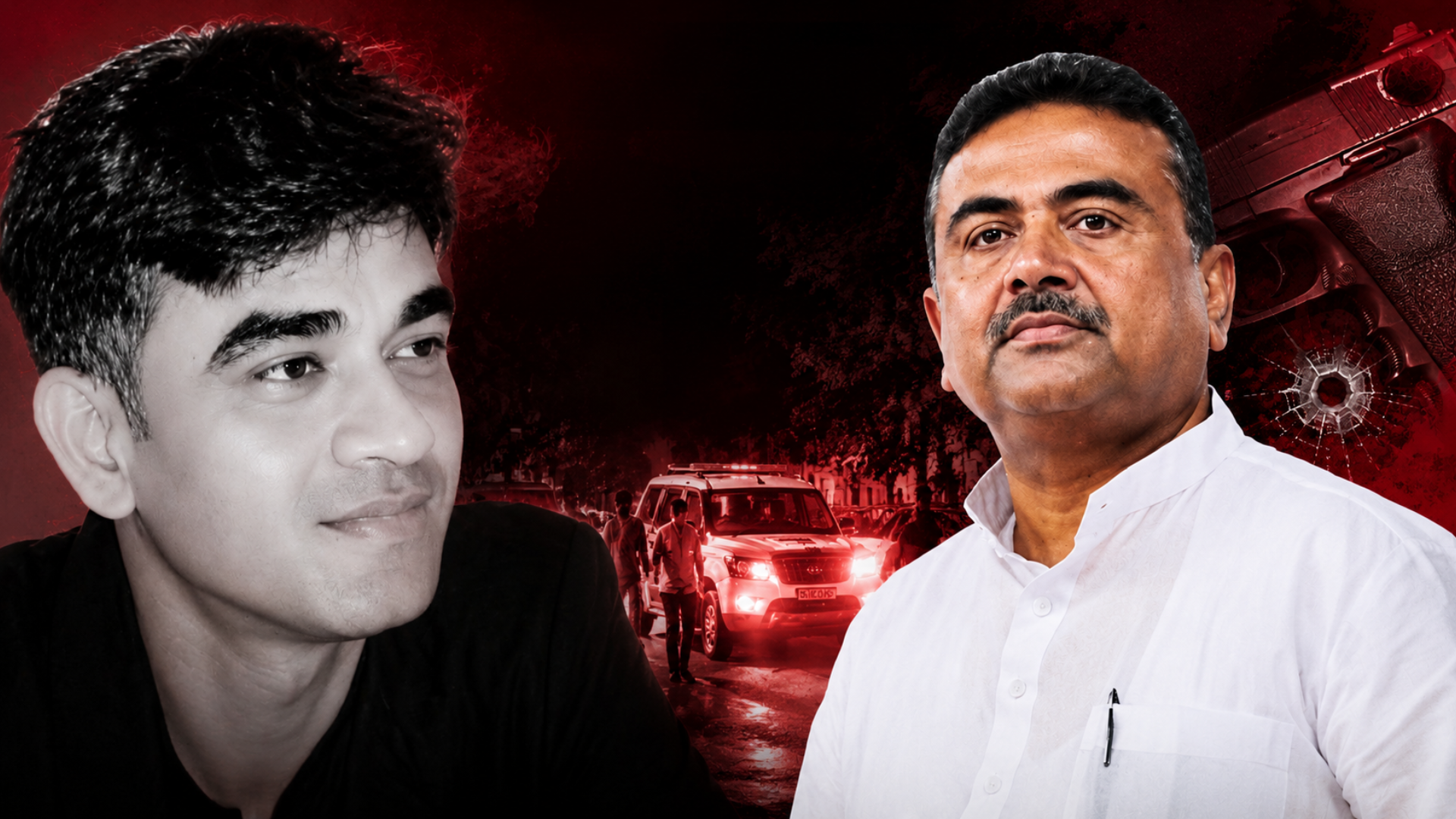
Three arrested in Bengal BJP leader murder case
Police arrested three suspects from Uttar Pradesh and Bihar in the murder case of Chandranath Rath, an aide of BJP leader Suvendu Adhikari. Investigators reportedly tracked the accused using a UPI payment trail and are probing possible links and motives behind the killing.
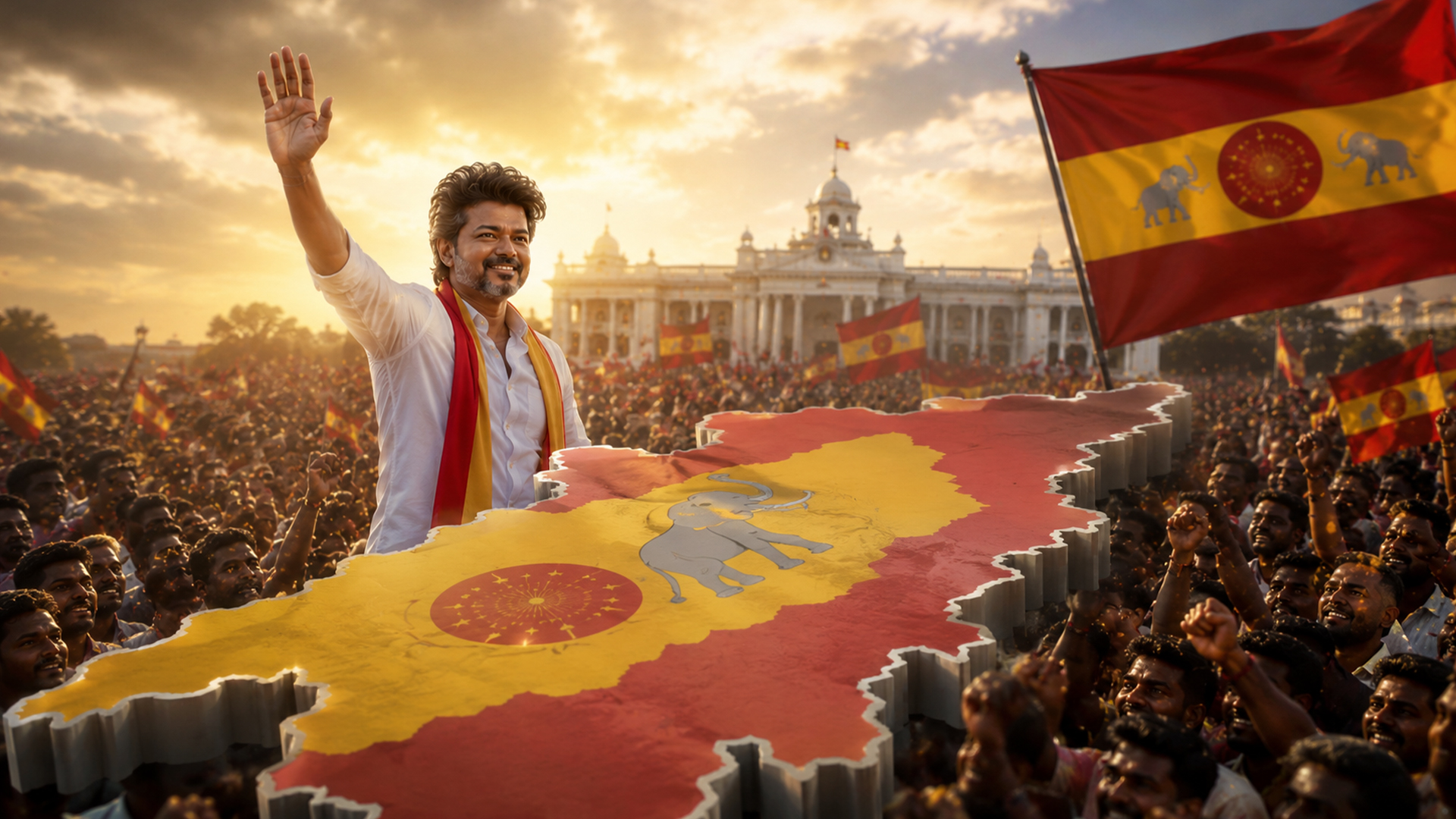
TVK nears majority in Tamil Nadu
TVK chief Vijay met Tamil Nadu Governor R.N. Ravi to stake claim to form the government after securing support from Congress, CPI, CPI(M) and IUML. However, VCK is yet to confirm support, leaving TVK just short of the majority mark in the Assembly.

Woman delivers quintuplets after 12 years
An Ethiopian woman gave birth to rare quintuplets after 12 years of trying to conceive, drawing widespread attention online. Doctors described the pregnancy as highly uncommon and medically challenging. Both the mother and the five babies are reported to be recovering well.
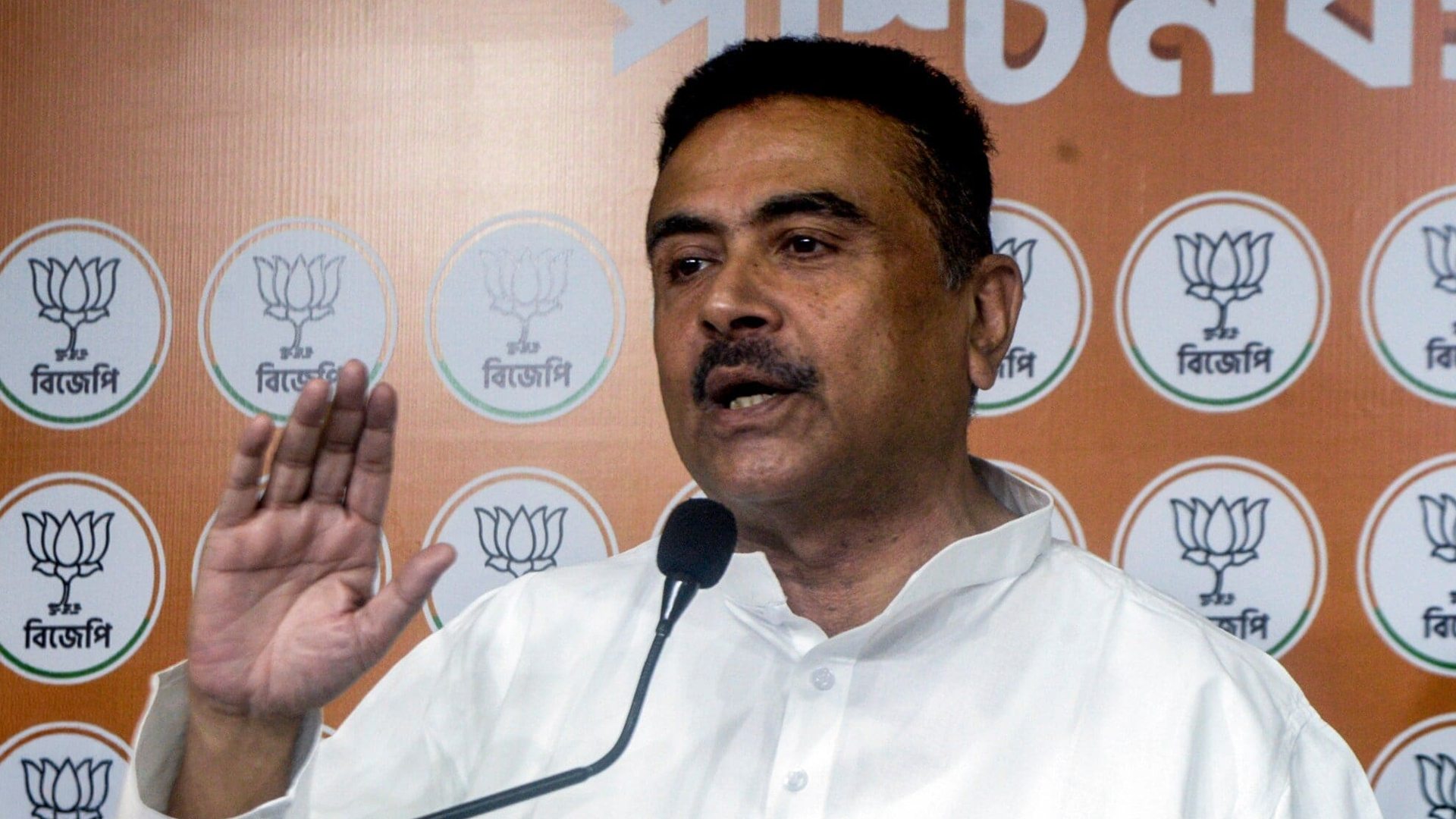
Suvendu Adhikari emerges top choice for Bengal CM
West Bengal is likely to see Suvendu Adhikari emerge as Chief Minister after BJP’s election win. Party leaders are also considering appointing two deputy chief ministers to balance regional and political representation as government formation talks continue in Kolkata in this regard.

Kash Patel faces scrutiny over whisky gifts
FBI Director Kash Patel is under scrutiny after reports claimed he distributed personalised bourbon whisky bottles featuring his name and FBI insignia as gifts. The FBI defended the practice, calling it a long-standing tradition and said rules were followed.
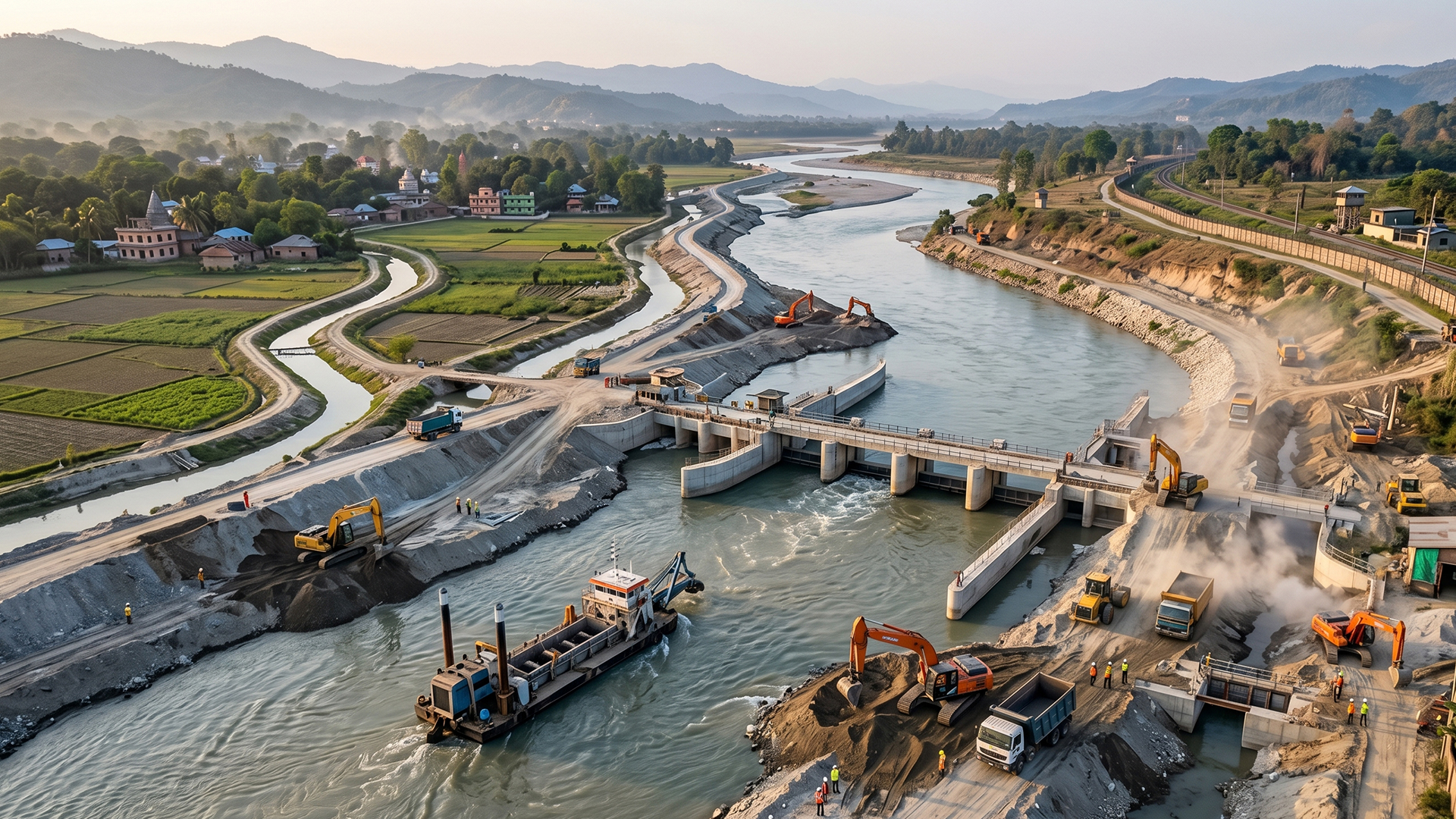
Bangladesh seeks China support for Teesta project
Bangladesh has sought China’s support for the Teesta River restoration project during talks in Beijing, raising concerns in India. The move comes amid unresolved water-sharing issues with India and signals growing Chinese involvement in South Asian infrastructure projects.

Ted Turner, CNN creator dies at 87
Ted Turner, CNN founder and media pioneer, has died at 87 after a long illness. He revolutionised global news with 24-hour television broadcasting and built a major media empire before selling it to Time Warner, leaving behind a lasting legacy.
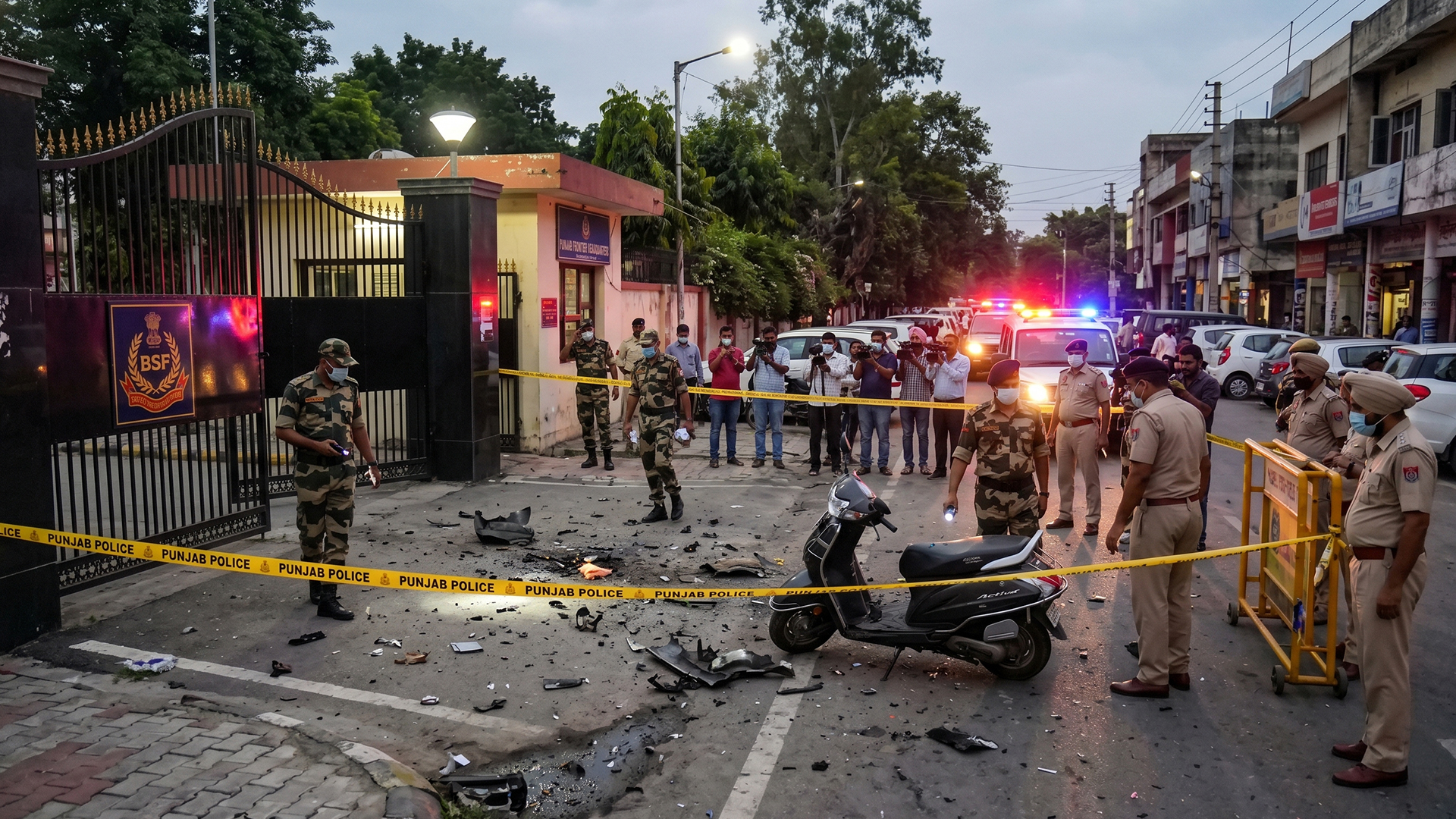
Scooter blast near BSF HQ in Jalandhar
A scooter exploded outside the BSF headquarters in Jalandhar, causing panic. No confirmed casualties. Police and bomb squads are investigating, with the area sealed and security tightened near the sensitive installation.

Martin family’s triple win across Tamil Nadu
Lottery baron Santiago Martin’s family made a unique political debut, with his wife, son and son-in-law winning seats in Tamil Nadu and Puducherry, each from different parties. This highlights their growing influence across regional politics.

Passenger jumps from taxiing Air Arabia flight
A passenger opened an emergency exit and jumped from an Air Arabia flight while it was taxiing at Chennai airport. He was quickly detained by security. No major injuries were reported, but the incident caused panic and brief disruption.

India dismisses Nepal objection to Lipulekh route
India has rejected Nepal’s objection to the Kailash Mansarovar Yatra through Lipulekh Pass, calling the claims unjustified. It said the route has long been in use and lies within Indian territory, amid ongoing tensions over the disputed Himalayan region.
About This Category
The Format Is the Editorial Argument
The name of this publication is The Summary. This section is where that philosophy is most directly expressed. The Summaries are not abbreviated versions of longer articles. They are complete pieces of journalism — reported, edited, and published at a length that respects both the story and the reader's time. The decision to keep them short is not a constraint. It is a position: that most news can be communicated clearly in 150 words, and that padding it to 600 words rarely improves it.
The editorial discipline required to produce a good summary is different from, and in some ways harder than, writing at length. Every sentence has to do real work. Nothing survives that doesn't belong there.
What Ends Up Here
The range is genuinely broad — and deliberately so. On any given day, The Summaries might carry a Karnataka cabinet resignation, a hospital fire in Bihar, a CBSE policy recommendation, a Kerala toddler death that has triggered public outrage, and a Cockroach Janta Party founder's plans to protest at Jantar Mantar. These are not thematically related stories. They are simply the news, treated with consistent brevity.
That breadth is the point. A reader who follows The Summaries doesn't need to choose a category to monitor. National politics, health research, civic tragedies, civil society, lifestyle news — it all comes through this section at a pace that doesn't require hours of reading to stay current.
The Judgment That Goes Into 150 Words
Selection is where the editorial work happens. Not everything becomes a Summary. Stories make it here when the core fact is clear, the significance is demonstrable, and the full picture can be honestly conveyed at short length without stripping context that the reader actually needs. A story like the Muzaffarpur hospital fire — four lives lost, a state inquiry ordered, families to be compensated — can be told completely in under two minutes. Stretching it doesn't add information; it adds length.
Some stories don't work as summaries because the context is too dense to compress responsibly. Those go elsewhere on the site. The Summaries is not a catchall; it's a format with specific requirements, and not every story meets them.
A Different Kind of Archive
Over time, The Summaries has become a reliable daily record of what happened in India and across the world — told concisely, sourced from official announcements and credible reporting, and published without the delay that often accompanies longer-form analysis. Readers who have followed the section consistently say it functions as a news briefing they can consume in a single sitting. That is more or less exactly what it was designed to do.
Frequently Asked Questions
Q1. What is The Summaries format and how is it different from other sections?
The Summaries are short, complete news pieces — typically under 150 words — covering a single event or development clearly and accurately. Unlike the full-length articles in sections like National, Business, or Health, these are written to be read in under a minute. The format is intentional: the goal is to report the news completely, not briefly for brevity's sake.
Q2. Does The Summaries cover all topics or only specific beats?
All topics. A single scroll through The Summaries on any given day might include political news, health research, a civic disaster, an education policy decision, and a human interest story. The connective thread is the format, not the subject. Readers who want to stay across multiple beats without tracking several sections will find everything here.
Q3. Are The Summaries just shortened versions of longer articles on the site?
No. They are standalone pieces written specifically for this format. Occasionally, a major developing story will have both a full article and a Summary — but they are written separately, for different purposes. The Summary version is complete on its own terms, not a teaser or a preview of something longer.
Q4. How does The Summary decide what becomes a Summary versus a full article?
If a story can be told accurately and completely at short length without stripping essential context, it's a candidate for The Summaries. If the background, timeline, or stakeholder complexity genuinely requires more room, it gets a full article. The test is whether the reader comes away informed — not whether the piece meets a word count.
Q5. How often is The Summaries section updated?
Throughout the day as news develops. There is no fixed publishing schedule — stories are published when they are ready. Readers who check in once or twice daily will typically find several new pieces each visit. The pace reflects the news cycle, not a content calendar.
Q6. Is The Summaries a good starting point for readers new to the site?
It is probably the most efficient way to understand the full scope of what The Summary covers. Because the section spans every beat — politics, business, health, lifestyle, science, national, world news — a few minutes in The Summaries gives a reader a clearer picture of the publication's range than browsing any single category section would.