
The Summaries
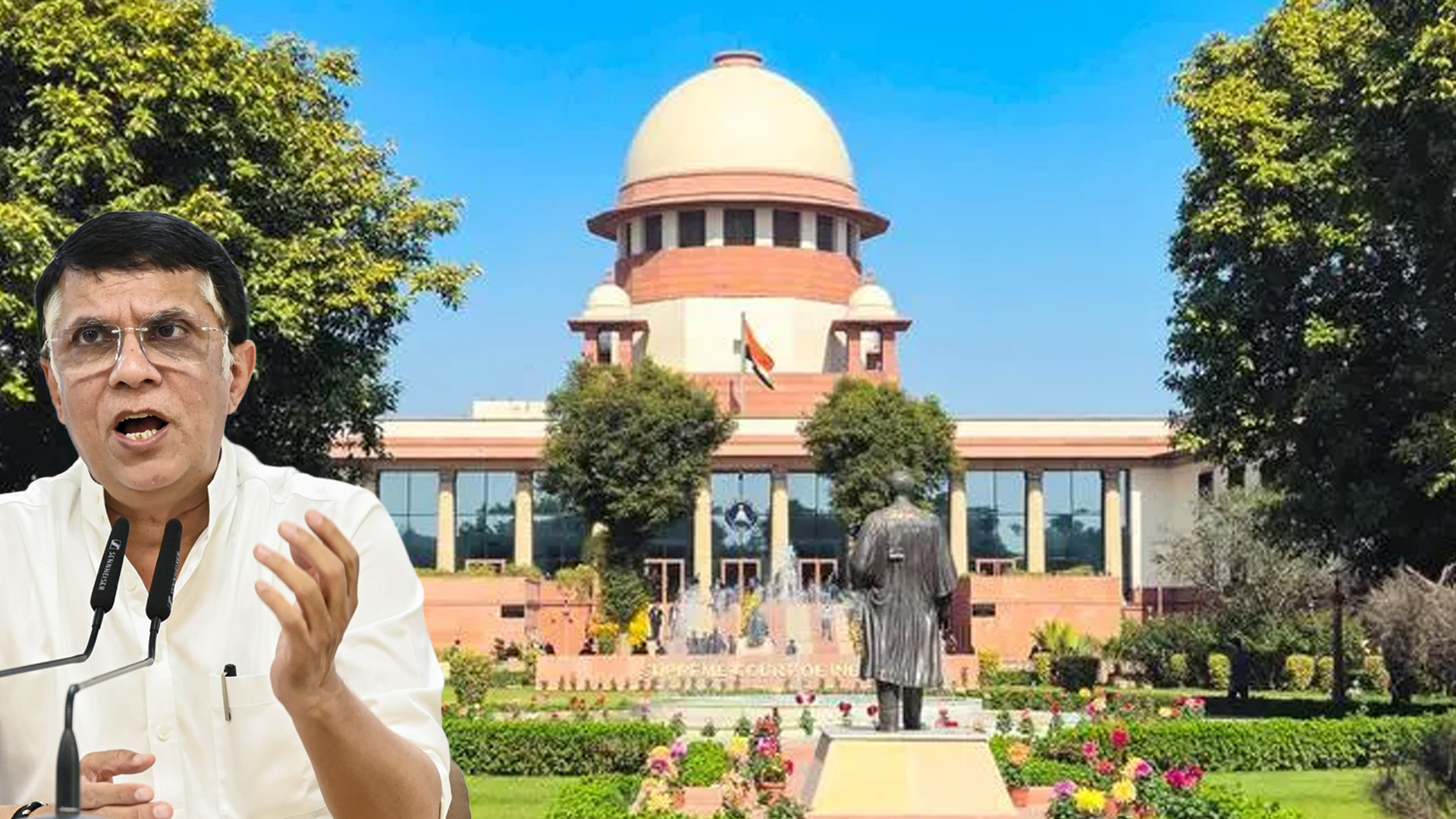
SC grants anticipatory bail to Pawan Khera
The Supreme Court granted anticipatory bail to Congress leader Pawan Khera in an Assam FIR case. He is protected from arrest while investigation continues into allegations linked to remarks on the Assam Chief Minister’s family.
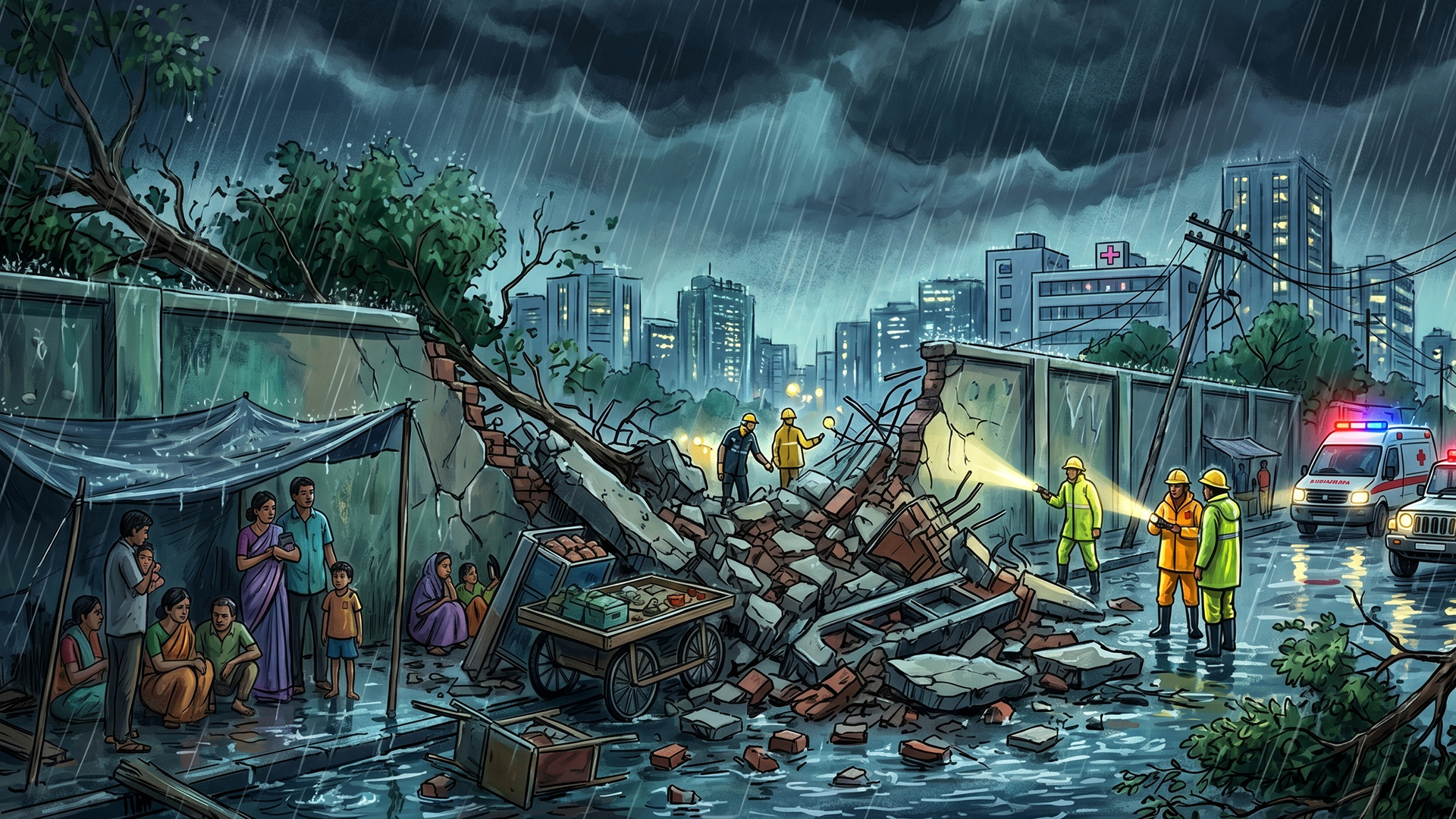
Bengaluru rains claim 8 lives in wall collapse
At least eight people died after a wall collapsed near Bowring Hospital in Bengaluru during heavy rain and strong winds. The victims were reportedly taking shelter when the structure suddenly gave way. The storm also flooded roads and disrupted normal life across the city.
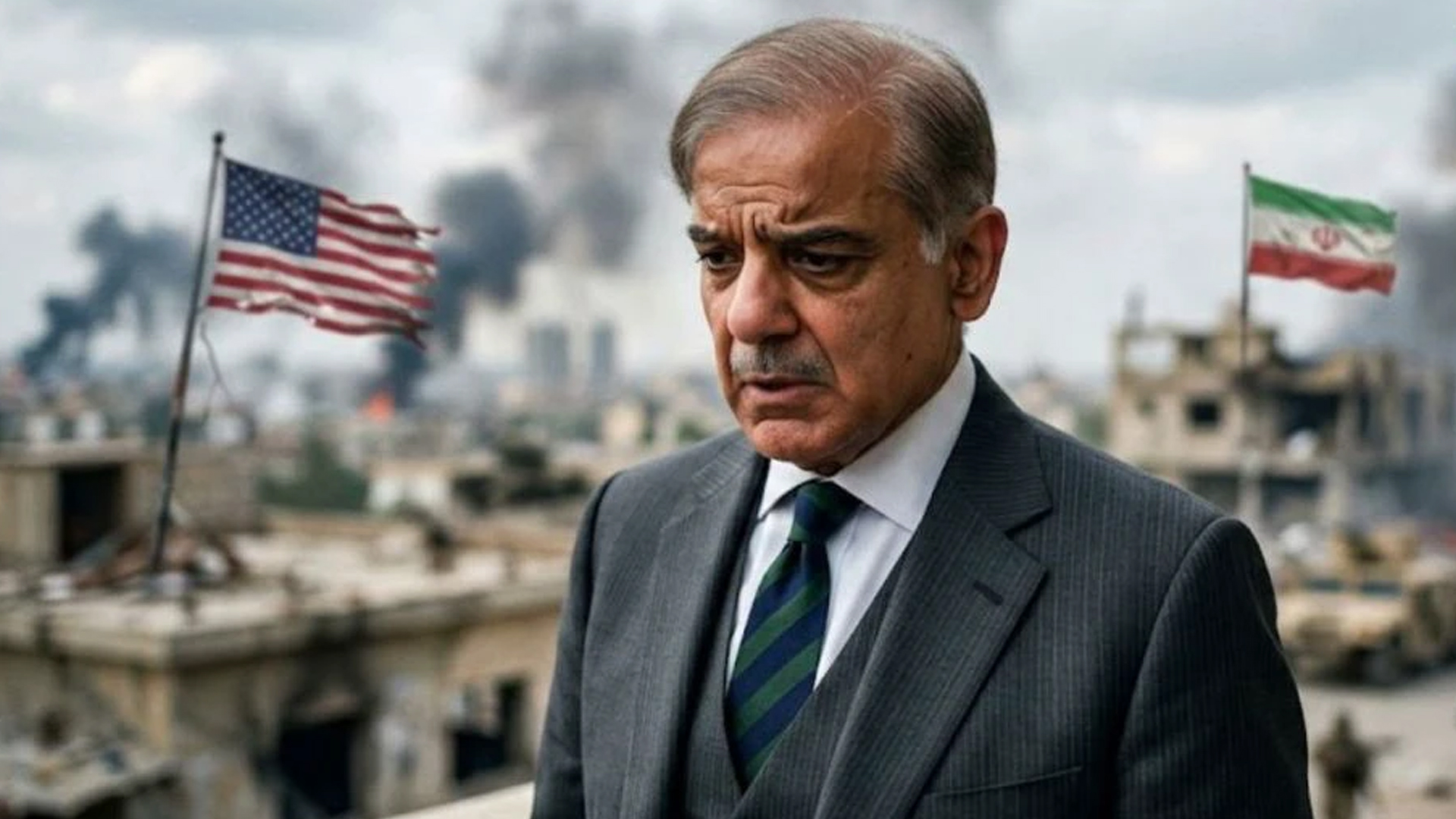
Shehbaz Sharif warns of war impact in Pakistan
Shehbaz Sharif said the Iran conflict is causing major economic damage to Pakistan, with rising oil import costs and inflation. He warned that recent economic gains are reversing due to global instability and increasing pressure on the country’s finances.

Air India pilot dies after heart attack in Bali
An Air India pilot died in Bali after suffering a heart attack during a layover following a Delhi flight. He was taken to a hospital immediately but could not be saved, the airline said, expressing condolences to his family.

Russian superyacht passes through Hormuz
A superyacht linked to Russian billionaire Alexey Mordashov passed through the Strait of Hormuz, raising questions over how it secured passage during ongoing regional tensions and restrictions.

Trump slams Jimmy Kimmel over joke
Donald Trump criticised Jimmy Kimmel’s joke about Melania Trump, calling it “despicable” after a shooting near a political event. The comment sparked controversy, with Melania also condemning it, while Kimmel defended it as satire not meant to encourage violence.
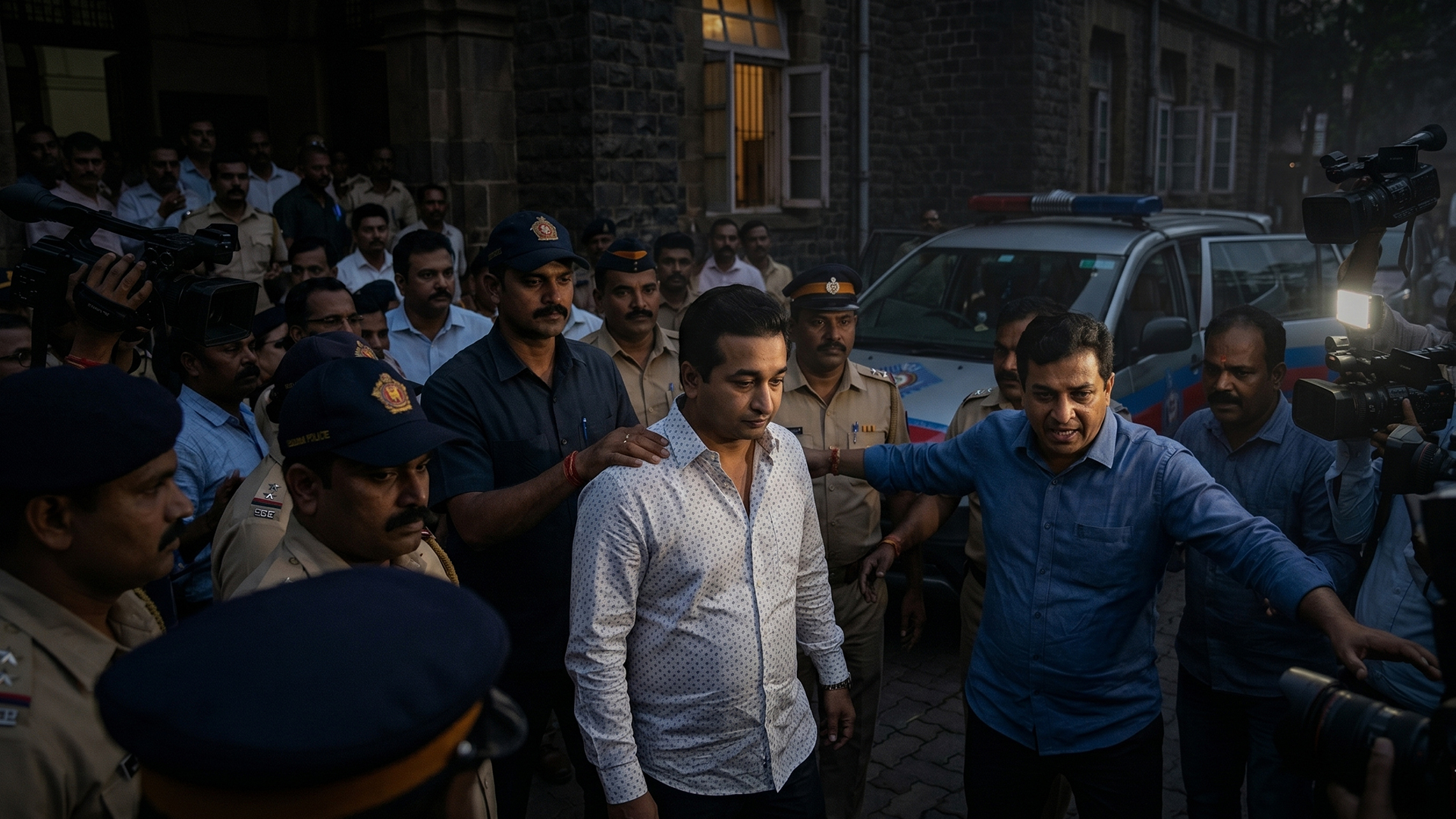
Minister Nitesh Rane sentenced in mud attack case
Maharashtra minister Nitesh Rane was given a one-month jail term by a Sindhudurg court in the 2019 mud attack case involving an NHAI engineer. The court later stayed the sentence, giving him time to file an appeal in a higher court.
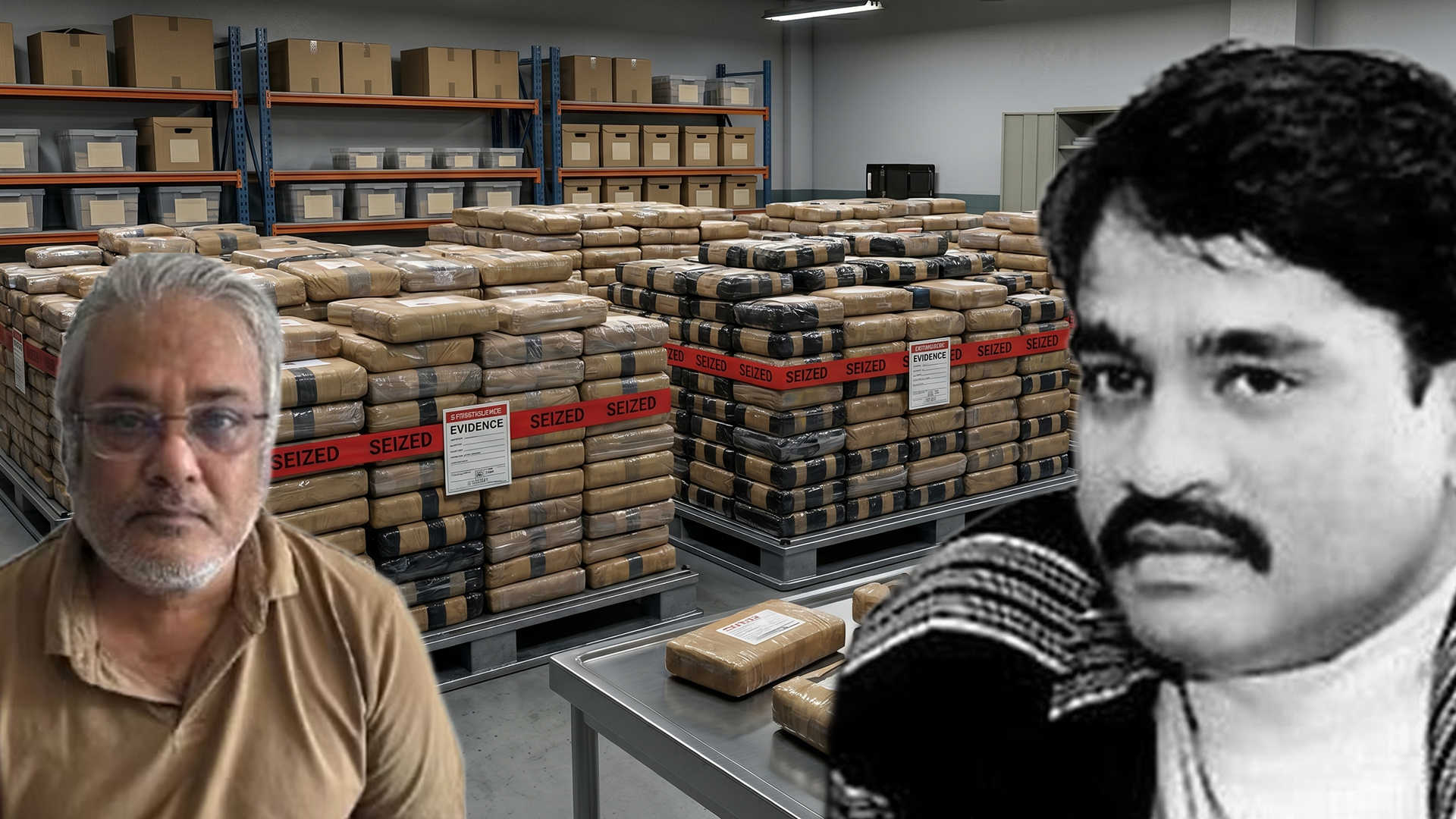
Drug trafficker Salim Dola deported to India
Salim Dola, an alleged drug trafficker linked to Dawood Ibrahim’s network, was deported from Turkey to India. He was brought to Delhi under tight security and taken into custody for questioning in multiple narcotics and organised crime cases.
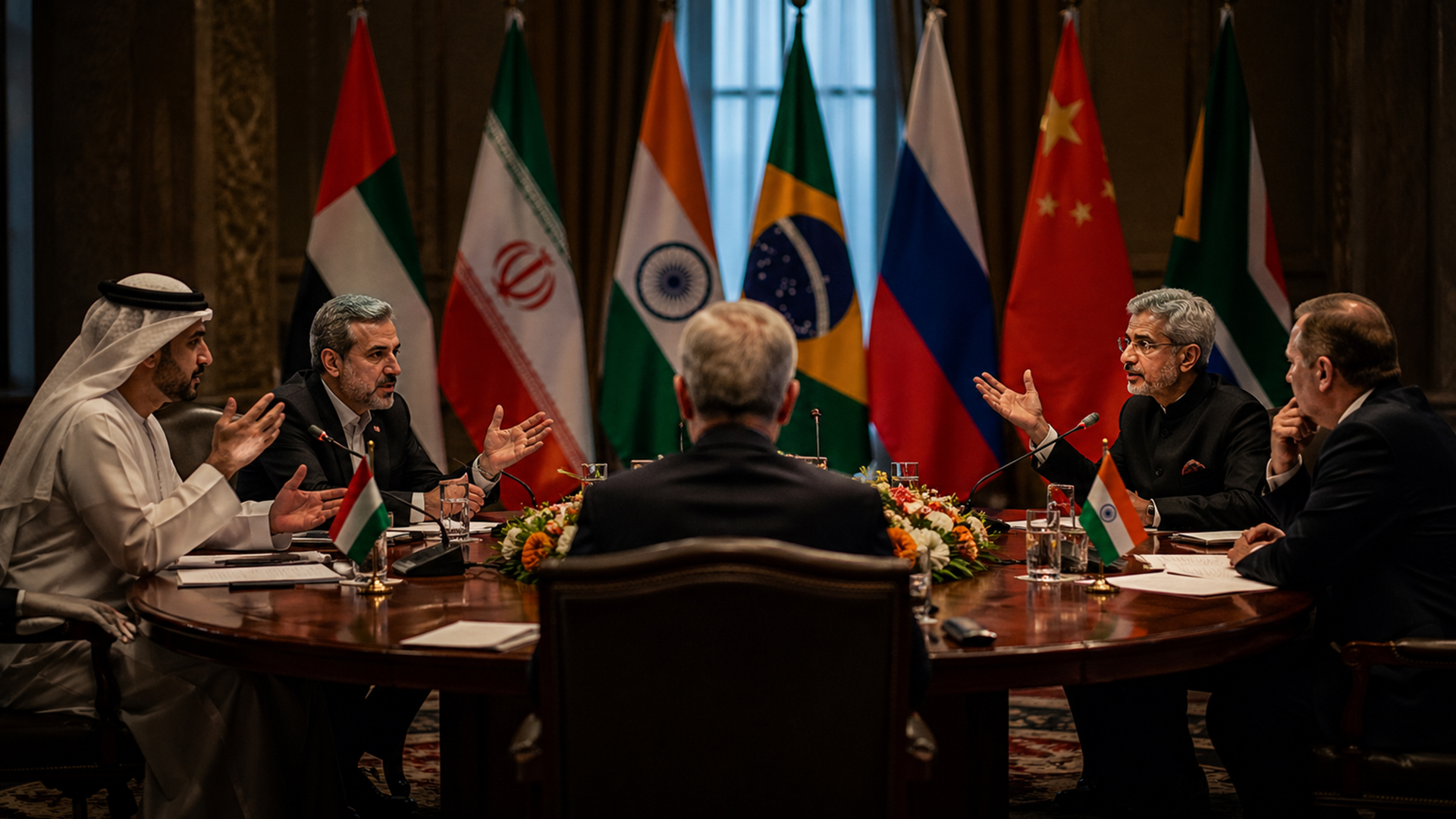
UAE–Iran differences stall BRICS joint statement
A BRICS officials’ meeting in New Delhi failed to issue a joint statement due to differences between UAE and Iran and disagreement over wording on the Israel–Palestine issue. India’s attempt to soften language also faced resistance, leading to a chair’s summary instead.
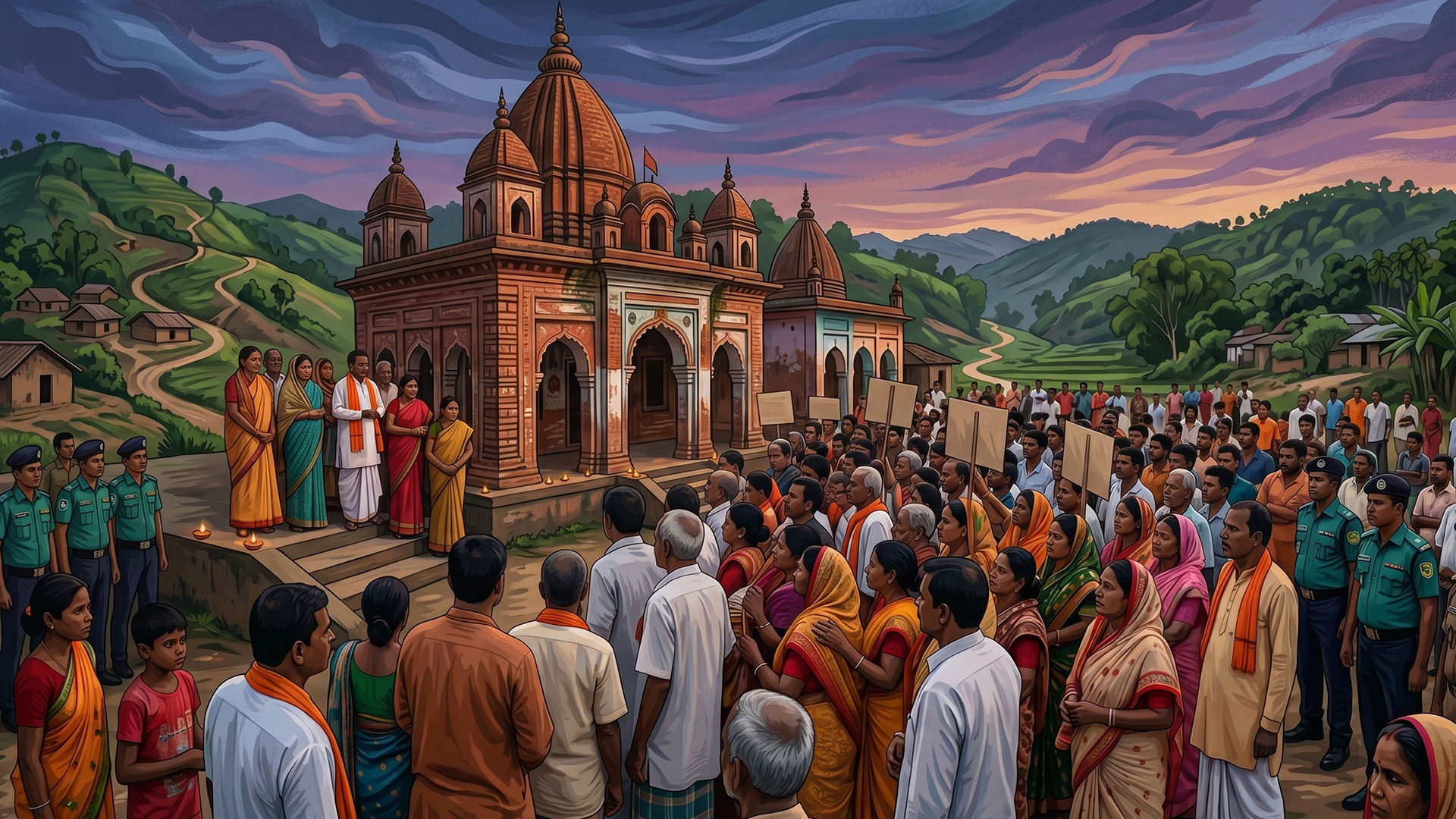
Hindu temple caretaker found dead in Bangladesh
A Hindu temple caretaker in Bangladesh was found hanging from a tree in Cox’s Bazar three days after going missing. Police have launched an investigation into the death. Minority groups have demanded strict action and clarity on the cause.

Zurich flight halted in Delhi after engine fire
A Swiss International Air Lines flight to Zurich was stopped during take-off at Delhi airport after an engine fire was detected. Passengers were evacuated through emergency slides. Four passengers and one crew member suffered minor injuries. Authorities are investigating the incident.
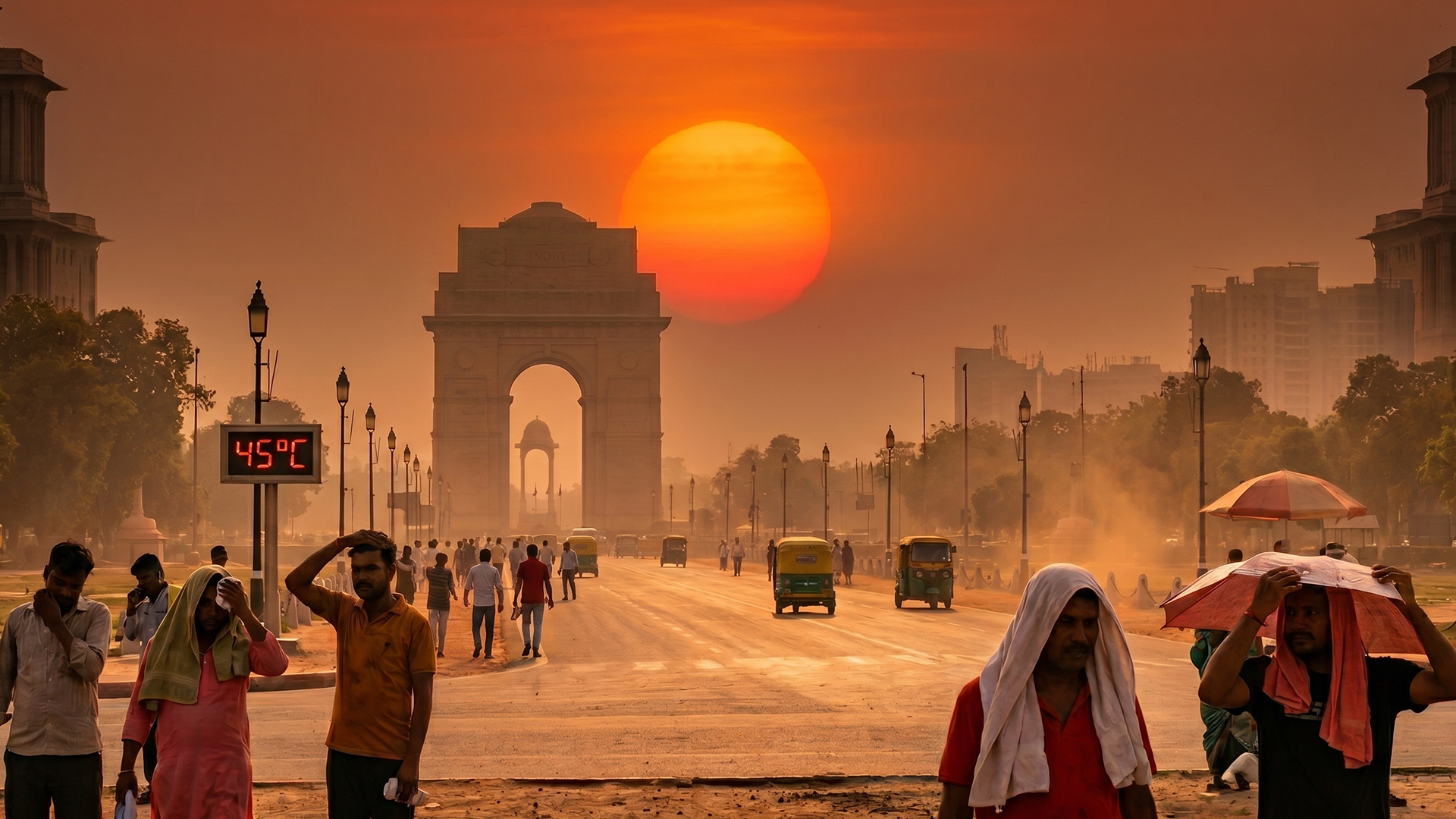
Heatwave alert issued for North India
The IMD has warned of heatwave conditions across parts of north and central India, with temperatures above 42°C in several states. Delhi may get some relief from Tuesday, with thunderstorms and light rain expected in the region.
About This Category
The Format Is the Editorial Argument
The name of this publication is The Summary. This section is where that philosophy is most directly expressed. The Summaries are not abbreviated versions of longer articles. They are complete pieces of journalism — reported, edited, and published at a length that respects both the story and the reader's time. The decision to keep them short is not a constraint. It is a position: that most news can be communicated clearly in 150 words, and that padding it to 600 words rarely improves it.
The editorial discipline required to produce a good summary is different from, and in some ways harder than, writing at length. Every sentence has to do real work. Nothing survives that doesn't belong there.
What Ends Up Here
The range is genuinely broad — and deliberately so. On any given day, The Summaries might carry a Karnataka cabinet resignation, a hospital fire in Bihar, a CBSE policy recommendation, a Kerala toddler death that has triggered public outrage, and a Cockroach Janta Party founder's plans to protest at Jantar Mantar. These are not thematically related stories. They are simply the news, treated with consistent brevity.
That breadth is the point. A reader who follows The Summaries doesn't need to choose a category to monitor. National politics, health research, civic tragedies, civil society, lifestyle news — it all comes through this section at a pace that doesn't require hours of reading to stay current.
The Judgment That Goes Into 150 Words
Selection is where the editorial work happens. Not everything becomes a Summary. Stories make it here when the core fact is clear, the significance is demonstrable, and the full picture can be honestly conveyed at short length without stripping context that the reader actually needs. A story like the Muzaffarpur hospital fire — four lives lost, a state inquiry ordered, families to be compensated — can be told completely in under two minutes. Stretching it doesn't add information; it adds length.
Some stories don't work as summaries because the context is too dense to compress responsibly. Those go elsewhere on the site. The Summaries is not a catchall; it's a format with specific requirements, and not every story meets them.
A Different Kind of Archive
Over time, The Summaries has become a reliable daily record of what happened in India and across the world — told concisely, sourced from official announcements and credible reporting, and published without the delay that often accompanies longer-form analysis. Readers who have followed the section consistently say it functions as a news briefing they can consume in a single sitting. That is more or less exactly what it was designed to do.
Frequently Asked Questions
Q1. What is The Summaries format and how is it different from other sections?
The Summaries are short, complete news pieces — typically under 150 words — covering a single event or development clearly and accurately. Unlike the full-length articles in sections like National, Business, or Health, these are written to be read in under a minute. The format is intentional: the goal is to report the news completely, not briefly for brevity's sake.
Q2. Does The Summaries cover all topics or only specific beats?
All topics. A single scroll through The Summaries on any given day might include political news, health research, a civic disaster, an education policy decision, and a human interest story. The connective thread is the format, not the subject. Readers who want to stay across multiple beats without tracking several sections will find everything here.
Q3. Are The Summaries just shortened versions of longer articles on the site?
No. They are standalone pieces written specifically for this format. Occasionally, a major developing story will have both a full article and a Summary — but they are written separately, for different purposes. The Summary version is complete on its own terms, not a teaser or a preview of something longer.
Q4. How does The Summary decide what becomes a Summary versus a full article?
If a story can be told accurately and completely at short length without stripping essential context, it's a candidate for The Summaries. If the background, timeline, or stakeholder complexity genuinely requires more room, it gets a full article. The test is whether the reader comes away informed — not whether the piece meets a word count.
Q5. How often is The Summaries section updated?
Throughout the day as news develops. There is no fixed publishing schedule — stories are published when they are ready. Readers who check in once or twice daily will typically find several new pieces each visit. The pace reflects the news cycle, not a content calendar.
Q6. Is The Summaries a good starting point for readers new to the site?
It is probably the most efficient way to understand the full scope of what The Summary covers. Because the section spans every beat — politics, business, health, lifestyle, science, national, world news — a few minutes in The Summaries gives a reader a clearer picture of the publication's range than browsing any single category section would.