
The Summaries
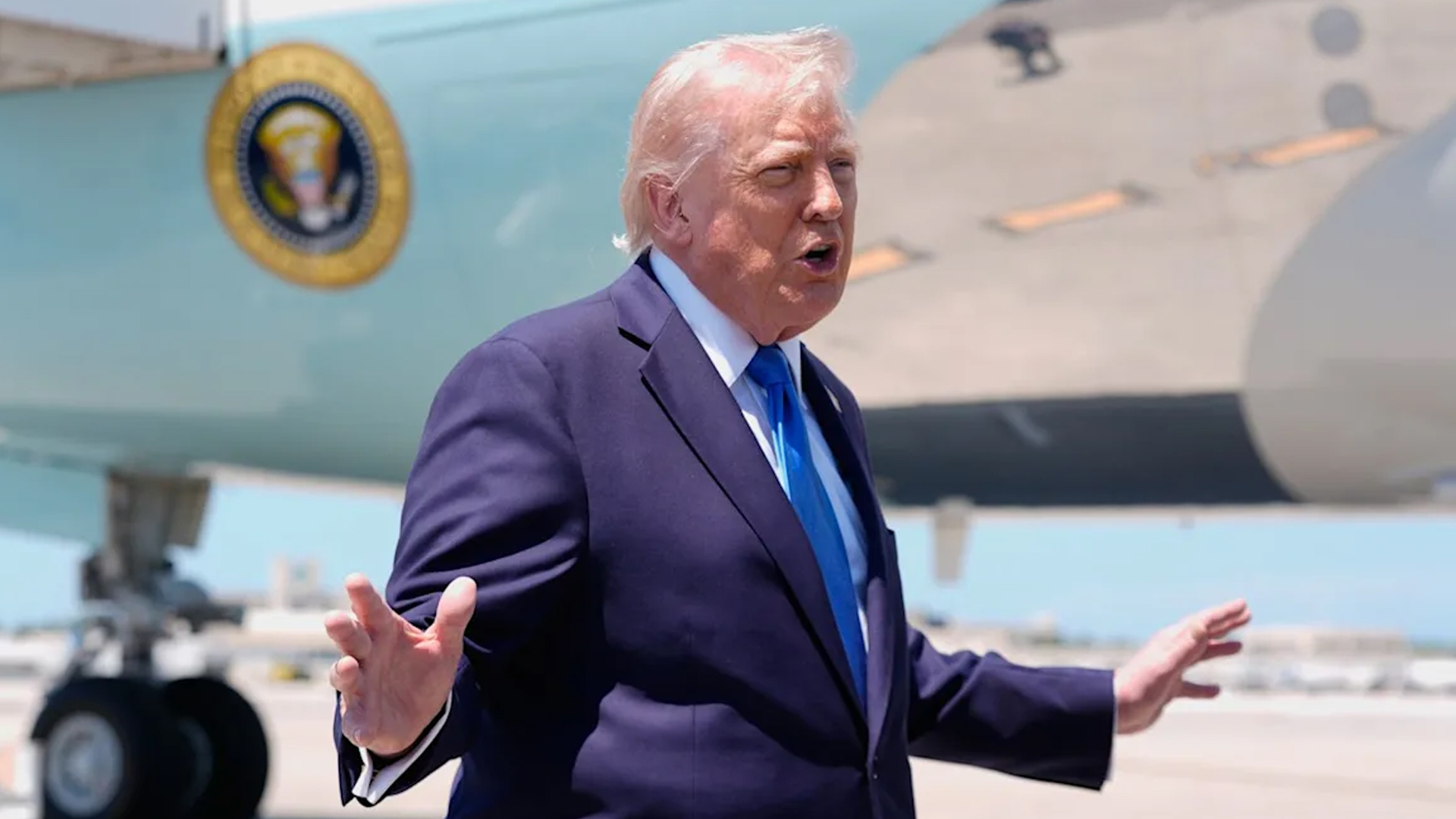
Trump drops Iran mediation trip in Pakistan
US President Donald Trump cancelled a planned Pakistan trip by top envoys for Iran talks, saying Tehran should call Washington directly. The move comes amid stalled negotiations, though the US said diplomatic channels remain open for future discussions.

Trump orders US Navy to target Iranian mine boats
US President Donald Trump ordered the military to target Iranian boats laying mines in the Strait of Hormuz. The warning follows fresh attacks on ships, raising fears of disruption to global oil supplies and deeper tensions with Tehran.

Israel, Lebanon extend ceasefire by 3 weeks
Israel and Lebanon have extended their ceasefire by three weeks, reducing tensions along the border. The move comes as US President Donald Trump pushes for a long-term deal with Iran, with fresh diplomatic efforts aimed at easing wider Middle East tensions.

Mahajan apologises over traffic snarl
Maharashtra minister Girish Mahajan apologised after a BJP rally in Mumbai’s Worli area caused severe traffic congestion. A video of a woman confronting him over the disruption went viral, drawing attention to commuter frustration during political events.
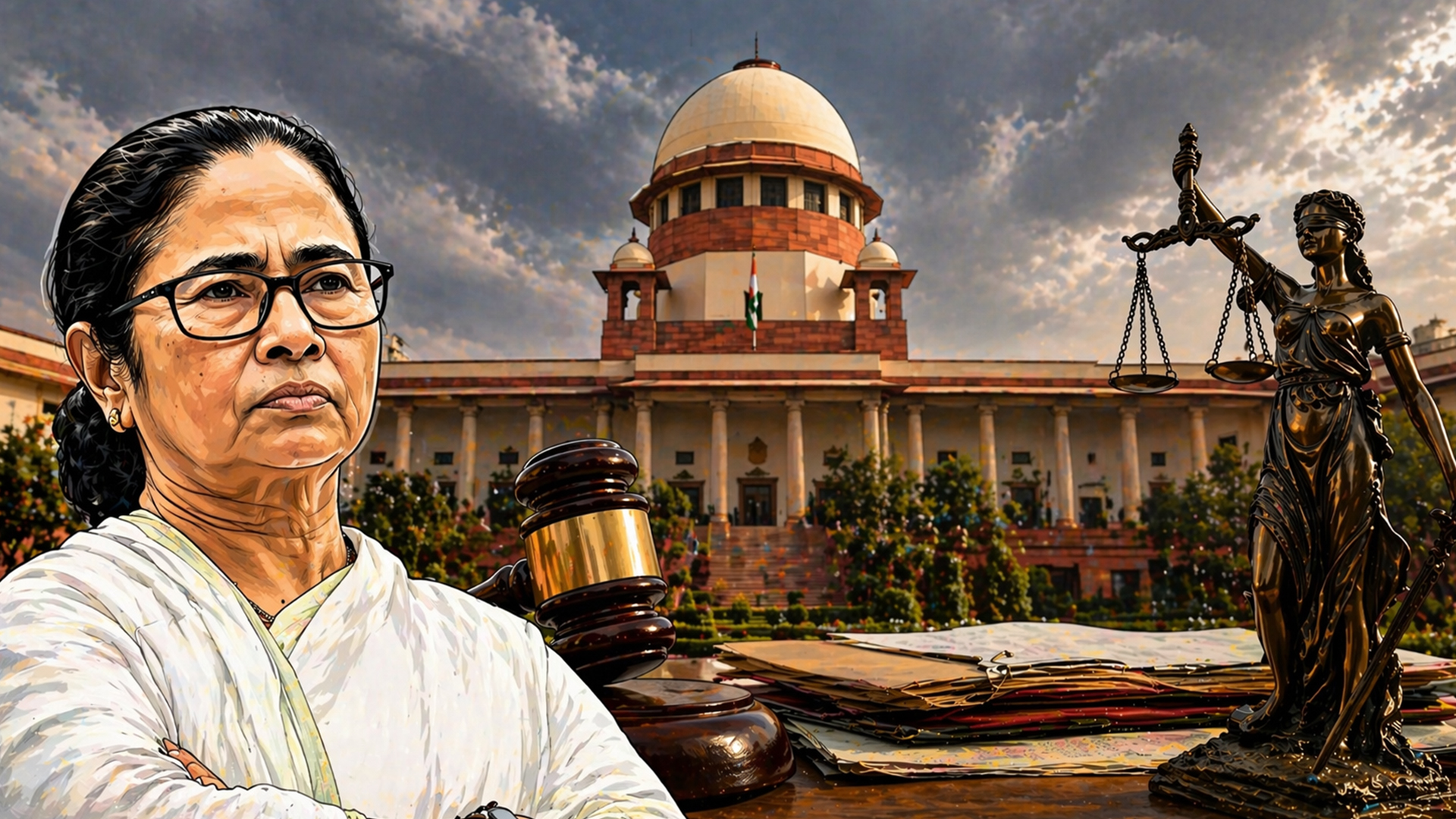
SC pulls up Mamata over ED probe
The Supreme Court criticised Mamata Banerjee over alleged interference in an ED raid linked to I-PAC, saying a Chief Minister cannot disrupt lawful investigations. The court said such actions threaten democracy and the rule of law.

ED raids rekindle Bitcoin probe
The Enforcement Directorate raided Bengaluru properties linked to Karnataka MLA N.A. Haris’ sons in a money laundering probe tied to the Bitcoin case. The searches have renewed focus on the state’s long-running cryptocurrency controversy.

Lenskart row sparks Mumbai protest
A Lenskart store in Mumbai saw protests after BJP leader Nazia Elahi applied tilak to staff over claims Hindu symbols were restricted. The company denied discrimination, saying employees may wear religious symbols under policy.
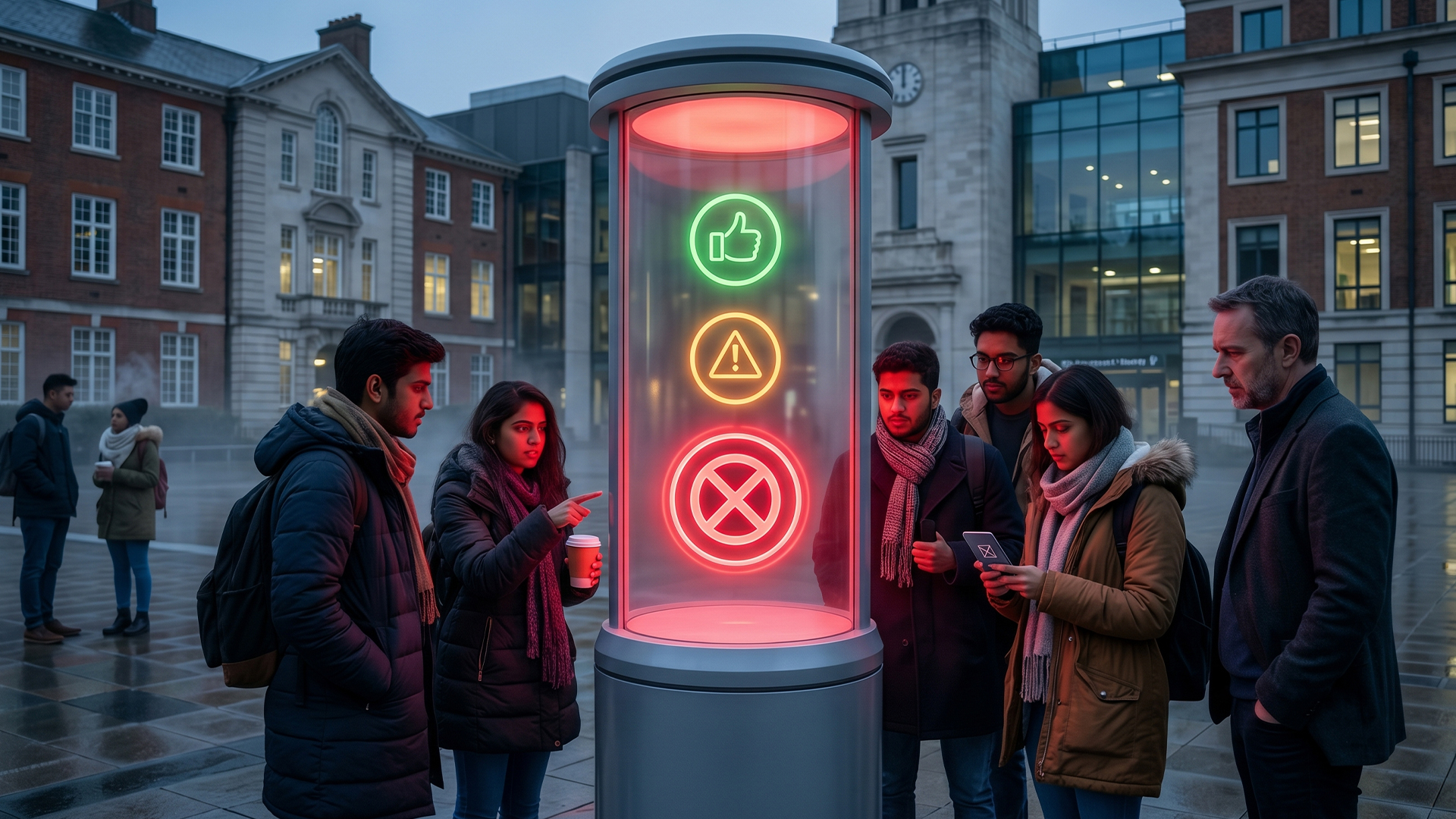
UK visa rules affects international students
UK visa reforms have reduced international student applications, especially from India. Universities warn stricter compliance targets may bring sanctions. Falling overseas enrolment threatens finances and could weaken Britain’s appeal as a leading study destination.

Karnataka plans new alcohol tax rules
Karnataka has proposed a new tax system based on alcohol content. If approved, stronger beer and liquor will become costlier, while lower-strength drinks may get cheaper. The state has invited public suggestions before implementing the revised excise policy.

Strong earthquake hits Japan, tsunami alert issued
A strong 7.5-7.7 magnitude earthquake struck off northern Japan, triggering tsunami warnings and coastal evacuations. Smaller-than-feared waves later reached shore, and authorities downgraded alerts. No major casualties or serious damage have been reported so far.

US Labor Secretary quits amid investigation
US Labor Secretary Lori Chavez-DeRemer has resigned while facing an investigation into alleged misconduct and misuse of official resources. The White House confirmed her exit and said Deputy Secretary Keith Sonderling will take temporary charge until a successor is appointed.

CBI arrests DGCA official, executive in bribery case
The CBI arrested a DGCA official and a Reliance-linked executive for alleged bribery in clearing drone import approvals. Investigators say illegal payments were taken to fast-track regulatory permissions. Searches were also conducted as the probe continues.
About This Category
The Format Is the Editorial Argument
The name of this publication is The Summary. This section is where that philosophy is most directly expressed. The Summaries are not abbreviated versions of longer articles. They are complete pieces of journalism — reported, edited, and published at a length that respects both the story and the reader's time. The decision to keep them short is not a constraint. It is a position: that most news can be communicated clearly in 150 words, and that padding it to 600 words rarely improves it.
The editorial discipline required to produce a good summary is different from, and in some ways harder than, writing at length. Every sentence has to do real work. Nothing survives that doesn't belong there.
What Ends Up Here
The range is genuinely broad — and deliberately so. On any given day, The Summaries might carry a Karnataka cabinet resignation, a hospital fire in Bihar, a CBSE policy recommendation, a Kerala toddler death that has triggered public outrage, and a Cockroach Janta Party founder's plans to protest at Jantar Mantar. These are not thematically related stories. They are simply the news, treated with consistent brevity.
That breadth is the point. A reader who follows The Summaries doesn't need to choose a category to monitor. National politics, health research, civic tragedies, civil society, lifestyle news — it all comes through this section at a pace that doesn't require hours of reading to stay current.
The Judgment That Goes Into 150 Words
Selection is where the editorial work happens. Not everything becomes a Summary. Stories make it here when the core fact is clear, the significance is demonstrable, and the full picture can be honestly conveyed at short length without stripping context that the reader actually needs. A story like the Muzaffarpur hospital fire — four lives lost, a state inquiry ordered, families to be compensated — can be told completely in under two minutes. Stretching it doesn't add information; it adds length.
Some stories don't work as summaries because the context is too dense to compress responsibly. Those go elsewhere on the site. The Summaries is not a catchall; it's a format with specific requirements, and not every story meets them.
A Different Kind of Archive
Over time, The Summaries has become a reliable daily record of what happened in India and across the world — told concisely, sourced from official announcements and credible reporting, and published without the delay that often accompanies longer-form analysis. Readers who have followed the section consistently say it functions as a news briefing they can consume in a single sitting. That is more or less exactly what it was designed to do.
Frequently Asked Questions
Q1. What is The Summaries format and how is it different from other sections?
The Summaries are short, complete news pieces — typically under 150 words — covering a single event or development clearly and accurately. Unlike the full-length articles in sections like National, Business, or Health, these are written to be read in under a minute. The format is intentional: the goal is to report the news completely, not briefly for brevity's sake.
Q2. Does The Summaries cover all topics or only specific beats?
All topics. A single scroll through The Summaries on any given day might include political news, health research, a civic disaster, an education policy decision, and a human interest story. The connective thread is the format, not the subject. Readers who want to stay across multiple beats without tracking several sections will find everything here.
Q3. Are The Summaries just shortened versions of longer articles on the site?
No. They are standalone pieces written specifically for this format. Occasionally, a major developing story will have both a full article and a Summary — but they are written separately, for different purposes. The Summary version is complete on its own terms, not a teaser or a preview of something longer.
Q4. How does The Summary decide what becomes a Summary versus a full article?
If a story can be told accurately and completely at short length without stripping essential context, it's a candidate for The Summaries. If the background, timeline, or stakeholder complexity genuinely requires more room, it gets a full article. The test is whether the reader comes away informed — not whether the piece meets a word count.
Q5. How often is The Summaries section updated?
Throughout the day as news develops. There is no fixed publishing schedule — stories are published when they are ready. Readers who check in once or twice daily will typically find several new pieces each visit. The pace reflects the news cycle, not a content calendar.
Q6. Is The Summaries a good starting point for readers new to the site?
It is probably the most efficient way to understand the full scope of what The Summary covers. Because the section spans every beat — politics, business, health, lifestyle, science, national, world news — a few minutes in The Summaries gives a reader a clearer picture of the publication's range than browsing any single category section would.