
The Summaries
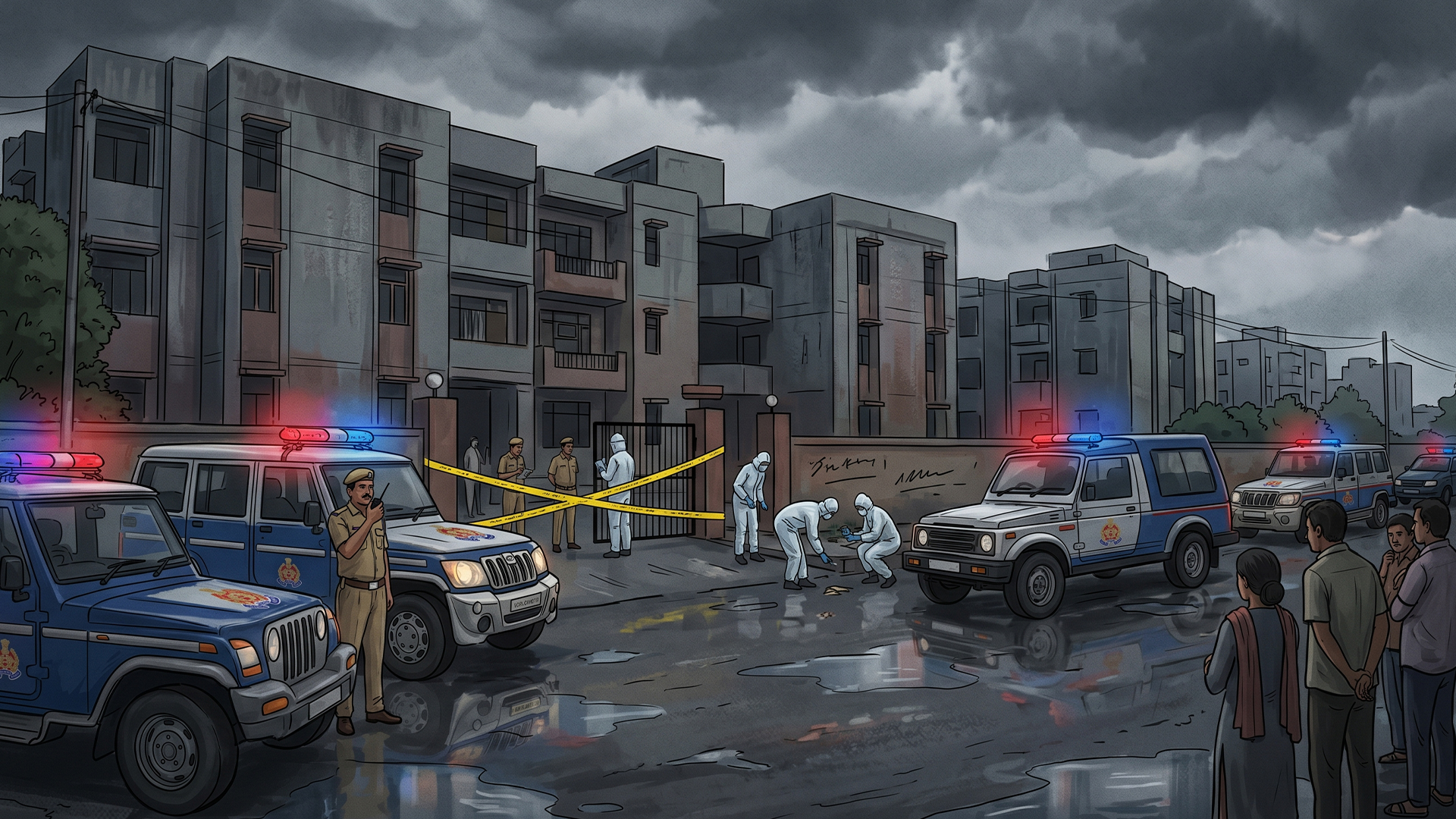
Kanpur man arrested for killing twin daughters
A Kanpur man has been arrested for allegedly killing his 11-year-old twin daughters by slitting their throats. Police suspect domestic issues and marital conflict as the possible motive. Investigation is underway.

Omar Abdullah refuses tricolour ribbon at event
Jammu and Kashmir Chief Minister Omar Abdullah refused to cut a tricolour-themed ribbon at a Srinagar event, citing respect for the national flag. The video went viral, drawing mixed reactions, while the programme continued after the ribbon was removed.
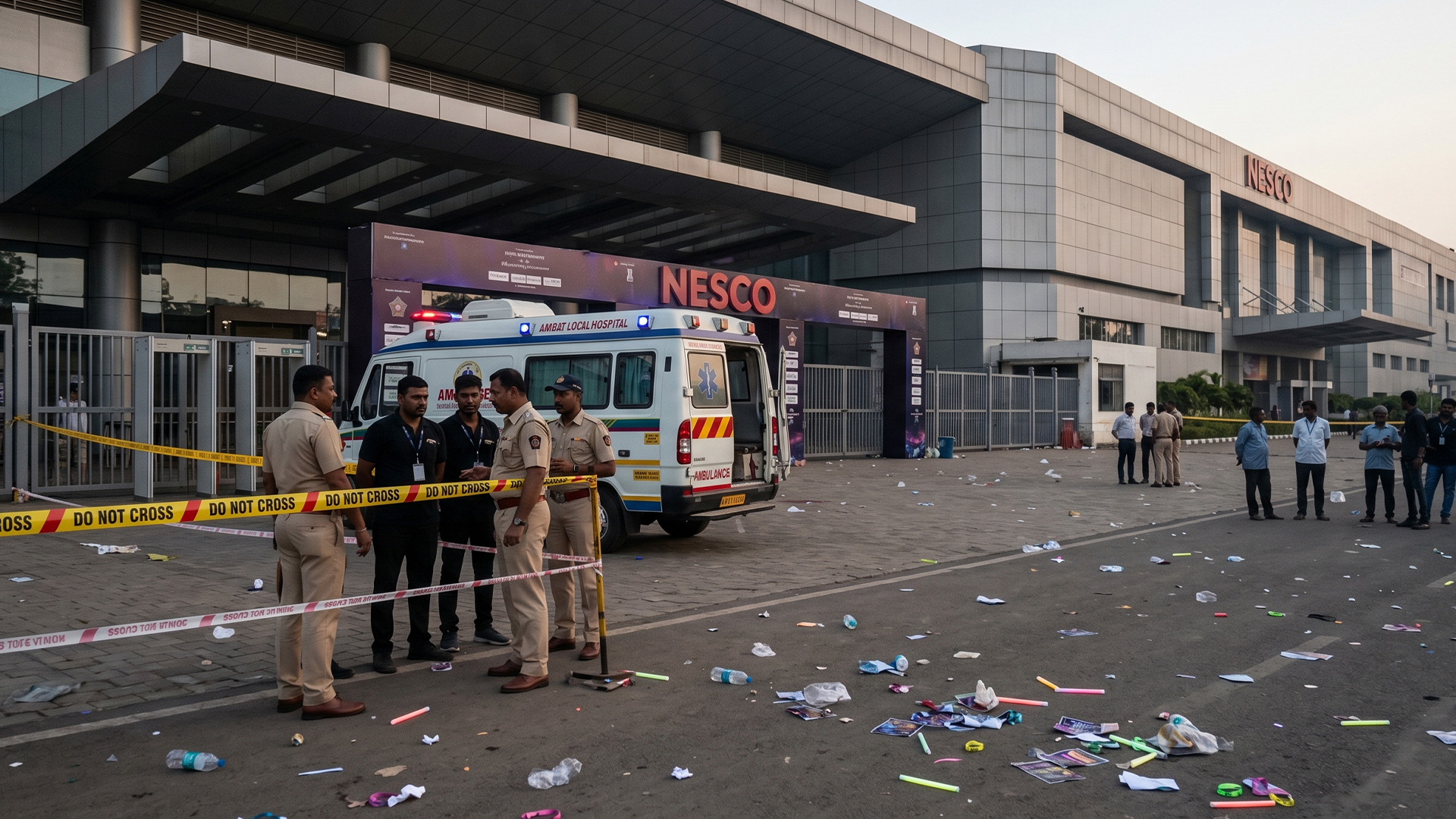
2 students die of drug overdose in Mumbai
Two MBA students died and another is critical after suspected drug overdose at a Mumbai concert. Police arrested five people, including alleged suppliers, as investigations revealed MDMA consumption. Authorities are probing drug supply networks and lapses in event security.
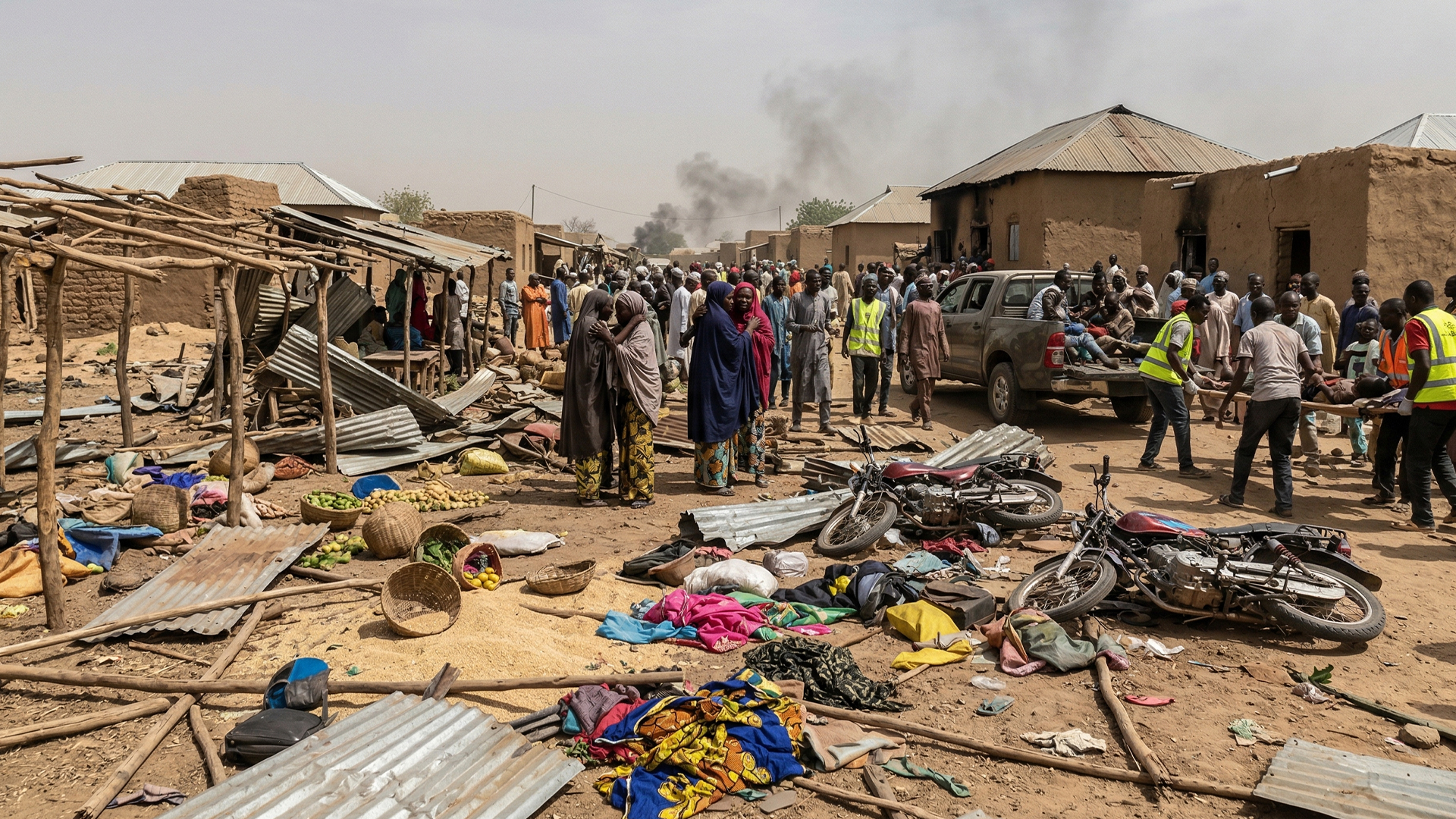
Over 100 killed in Nigerian airstrike misfire
More than 100 people were killed after a Nigerian Air Force airstrike mistakenly hit a crowded market in northeastern Nigeria during an anti-Boko Haram operation. Authorities called it a misfire, while rights groups demanded an investigation and accountability for civilian deaths.
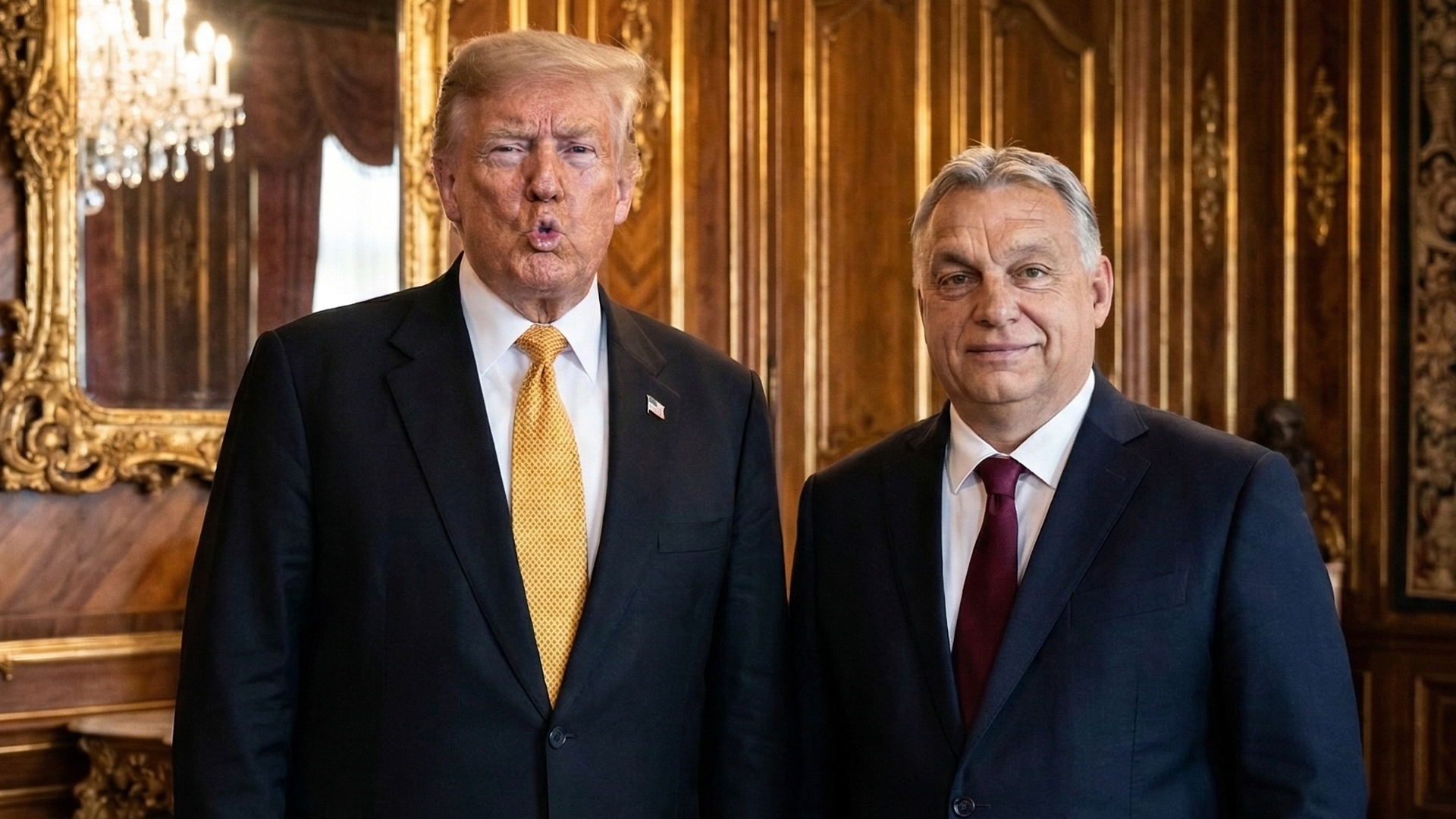
Viktor Orbán loses Hungary election after 16 years
Hungarian Prime Minister Viktor Orbán has lost the national election after 16 years in power. Opposition leader Péter Magyar’s Tisza party won a parliamentary majority, marking a major political shift. Orbán conceded defeat after years of nationalist rule and controversy.
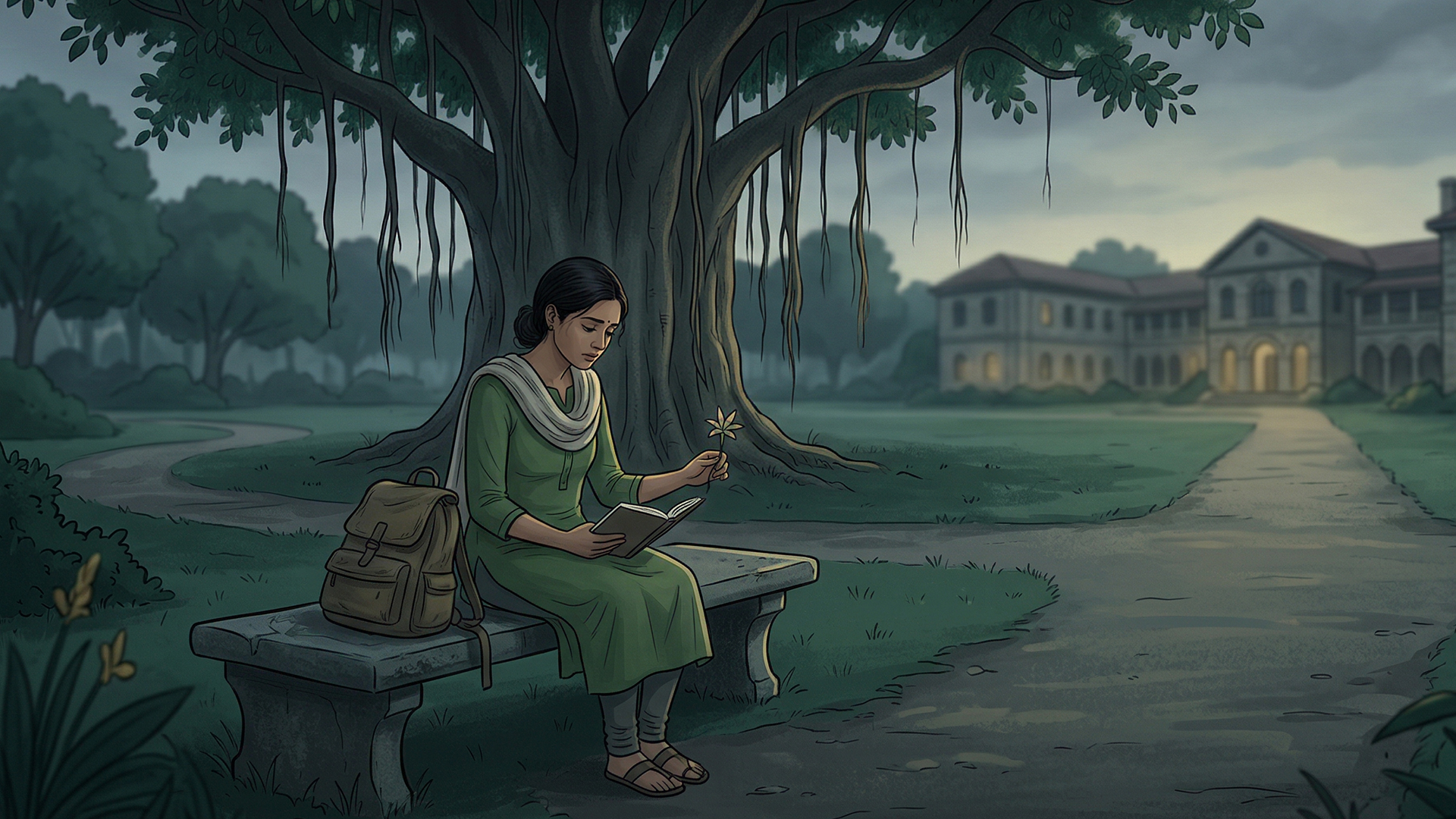
Pune PhD student kills self, scientist arrested
A Pune PhD student died by suicide, allegedly due to molestation and mental harassment by her research guide, a scientist. Police arrested the accused and registered a case of abetment to suicide and molestation. Investigation is ongoing into the allegations.

TCS Nashik row over harassment claims
A controversy broke out at a TCS unit in Nashik after women employees alleged harassment and forced religious conversion. The company suspended the accused staff, while police launched an investigation. A special team has been formed to probe the serious allegations.
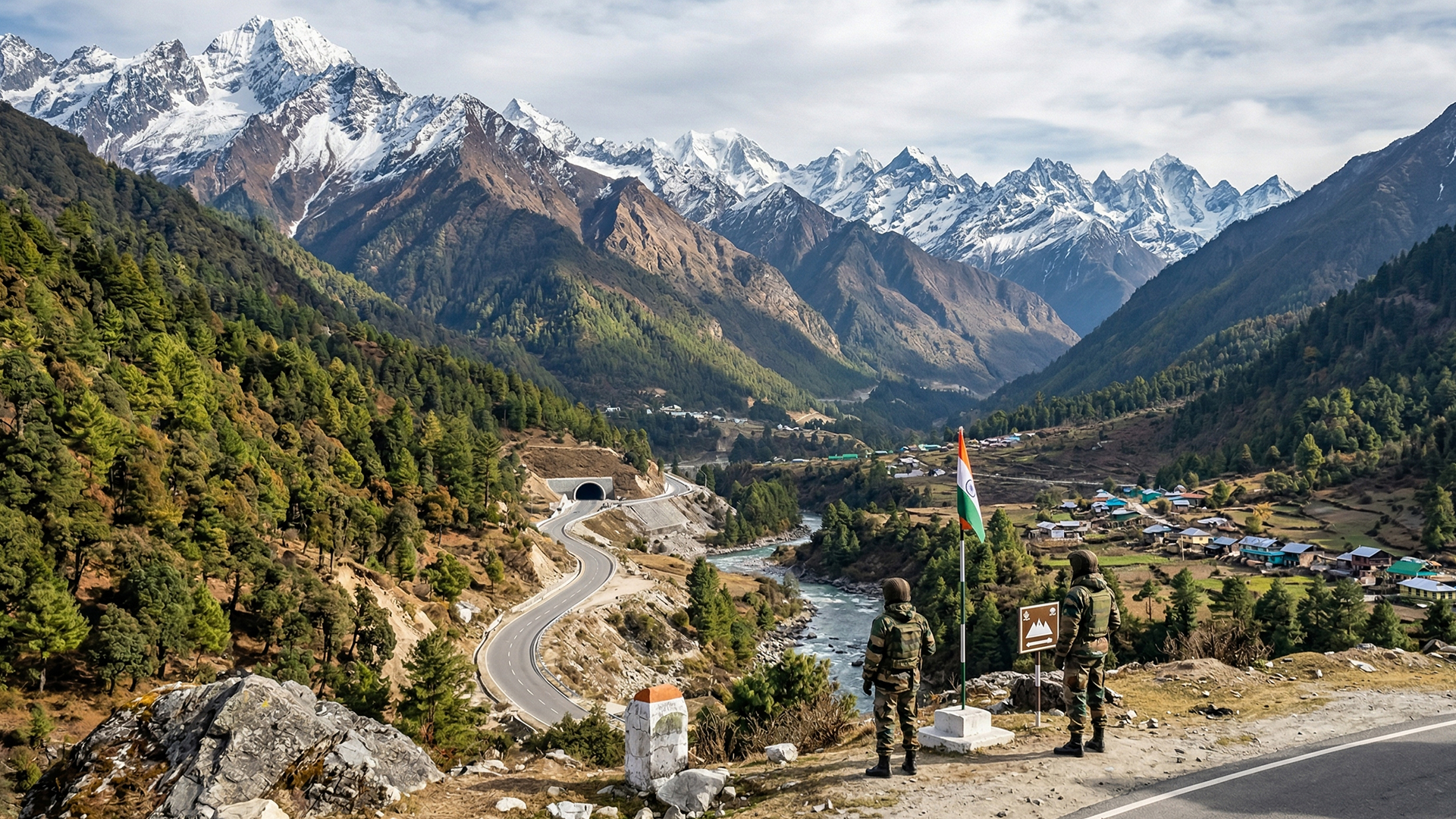
India slams China’s renaming move in Arunachal Pradesh
India has strongly criticised China for renaming places in Arunachal Pradesh, calling the move baseless and provocative. Officials said such actions do not change facts on the ground, reaffirming that Arunachal Pradesh remains an inseparable and sovereign part of India.
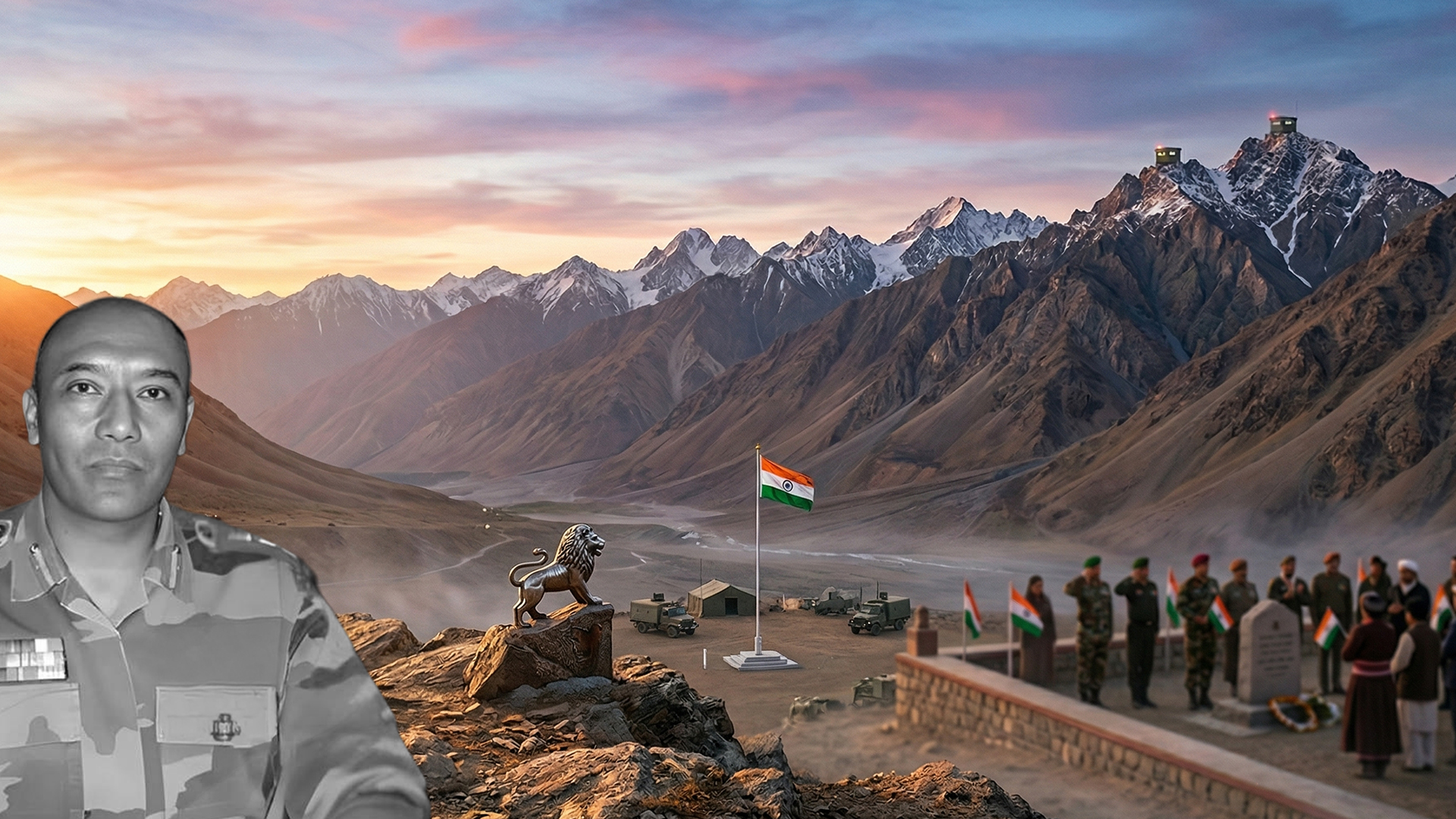
Kargil war hero Sonam Wangchuk dies at 61
Kargil War hero and Mahavir Chakra awardee Col Sonam Wangchuk died of a heart attack at his residence in Leh at age 61. Known as the “Lion of Ladakh,” he was honoured for bravery in the 1999 Kargil War. Tributes followed.

Chimpanzee groups clash in Uganda
A large chimpanzee group in Kibale National Park split into two factions, sparking violent clashes since 2015. Researchers say the conflict has killed several chimps and is unusual, showing human-like behaviour such as territory fights and organised attacks.

Jaishankar UAE visit to boost energy cooperation
External Affairs Minister S. Jaishankar will travel to the United Arab Emirates to improve energy cooperation and overall ties. The visit highlights India’s efforts to secure steady oil supplies and build stronger relations with Gulf countries amid global uncertainties.
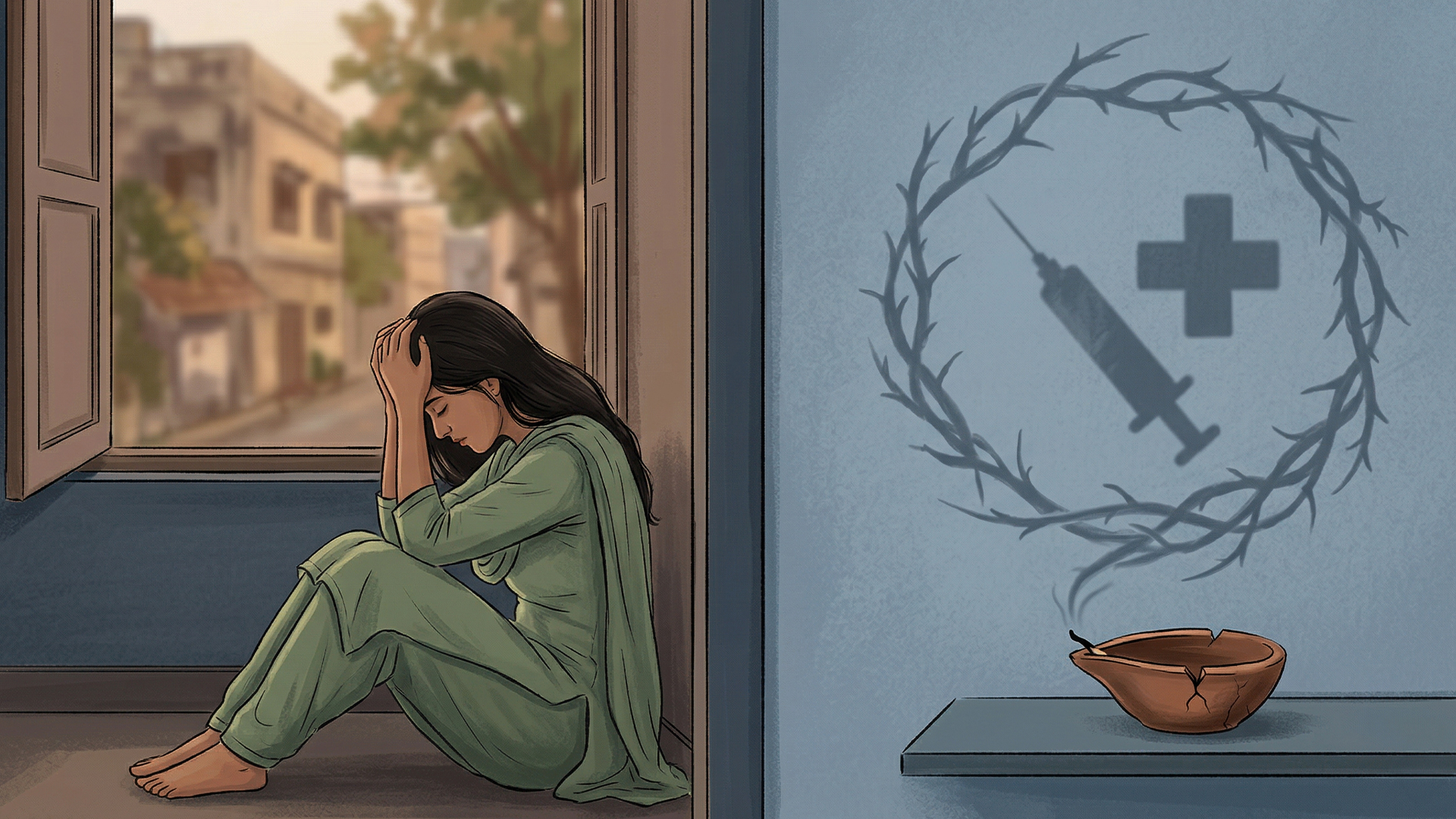
Hyderabad woman ends life after HIV injection
A woman in Hyderabad died by suicide weeks after she was allegedly injected with HIV-positive blood by her former fiancé after their wedding was called off. The accused has been arrested, and police are continuing investigation into the case.
About This Category
The Format Is the Editorial Argument
The name of this publication is The Summary. This section is where that philosophy is most directly expressed. The Summaries are not abbreviated versions of longer articles. They are complete pieces of journalism — reported, edited, and published at a length that respects both the story and the reader's time. The decision to keep them short is not a constraint. It is a position: that most news can be communicated clearly in 150 words, and that padding it to 600 words rarely improves it.
The editorial discipline required to produce a good summary is different from, and in some ways harder than, writing at length. Every sentence has to do real work. Nothing survives that doesn't belong there.
What Ends Up Here
The range is genuinely broad — and deliberately so. On any given day, The Summaries might carry a Karnataka cabinet resignation, a hospital fire in Bihar, a CBSE policy recommendation, a Kerala toddler death that has triggered public outrage, and a Cockroach Janta Party founder's plans to protest at Jantar Mantar. These are not thematically related stories. They are simply the news, treated with consistent brevity.
That breadth is the point. A reader who follows The Summaries doesn't need to choose a category to monitor. National politics, health research, civic tragedies, civil society, lifestyle news — it all comes through this section at a pace that doesn't require hours of reading to stay current.
The Judgment That Goes Into 150 Words
Selection is where the editorial work happens. Not everything becomes a Summary. Stories make it here when the core fact is clear, the significance is demonstrable, and the full picture can be honestly conveyed at short length without stripping context that the reader actually needs. A story like the Muzaffarpur hospital fire — four lives lost, a state inquiry ordered, families to be compensated — can be told completely in under two minutes. Stretching it doesn't add information; it adds length.
Some stories don't work as summaries because the context is too dense to compress responsibly. Those go elsewhere on the site. The Summaries is not a catchall; it's a format with specific requirements, and not every story meets them.
A Different Kind of Archive
Over time, The Summaries has become a reliable daily record of what happened in India and across the world — told concisely, sourced from official announcements and credible reporting, and published without the delay that often accompanies longer-form analysis. Readers who have followed the section consistently say it functions as a news briefing they can consume in a single sitting. That is more or less exactly what it was designed to do.
Frequently Asked Questions
Q1. What is The Summaries format and how is it different from other sections?
The Summaries are short, complete news pieces — typically under 150 words — covering a single event or development clearly and accurately. Unlike the full-length articles in sections like National, Business, or Health, these are written to be read in under a minute. The format is intentional: the goal is to report the news completely, not briefly for brevity's sake.
Q2. Does The Summaries cover all topics or only specific beats?
All topics. A single scroll through The Summaries on any given day might include political news, health research, a civic disaster, an education policy decision, and a human interest story. The connective thread is the format, not the subject. Readers who want to stay across multiple beats without tracking several sections will find everything here.
Q3. Are The Summaries just shortened versions of longer articles on the site?
No. They are standalone pieces written specifically for this format. Occasionally, a major developing story will have both a full article and a Summary — but they are written separately, for different purposes. The Summary version is complete on its own terms, not a teaser or a preview of something longer.
Q4. How does The Summary decide what becomes a Summary versus a full article?
If a story can be told accurately and completely at short length without stripping essential context, it's a candidate for The Summaries. If the background, timeline, or stakeholder complexity genuinely requires more room, it gets a full article. The test is whether the reader comes away informed — not whether the piece meets a word count.
Q5. How often is The Summaries section updated?
Throughout the day as news develops. There is no fixed publishing schedule — stories are published when they are ready. Readers who check in once or twice daily will typically find several new pieces each visit. The pace reflects the news cycle, not a content calendar.
Q6. Is The Summaries a good starting point for readers new to the site?
It is probably the most efficient way to understand the full scope of what The Summary covers. Because the section spans every beat — politics, business, health, lifestyle, science, national, world news — a few minutes in The Summaries gives a reader a clearer picture of the publication's range than browsing any single category section would.