
The Summaries
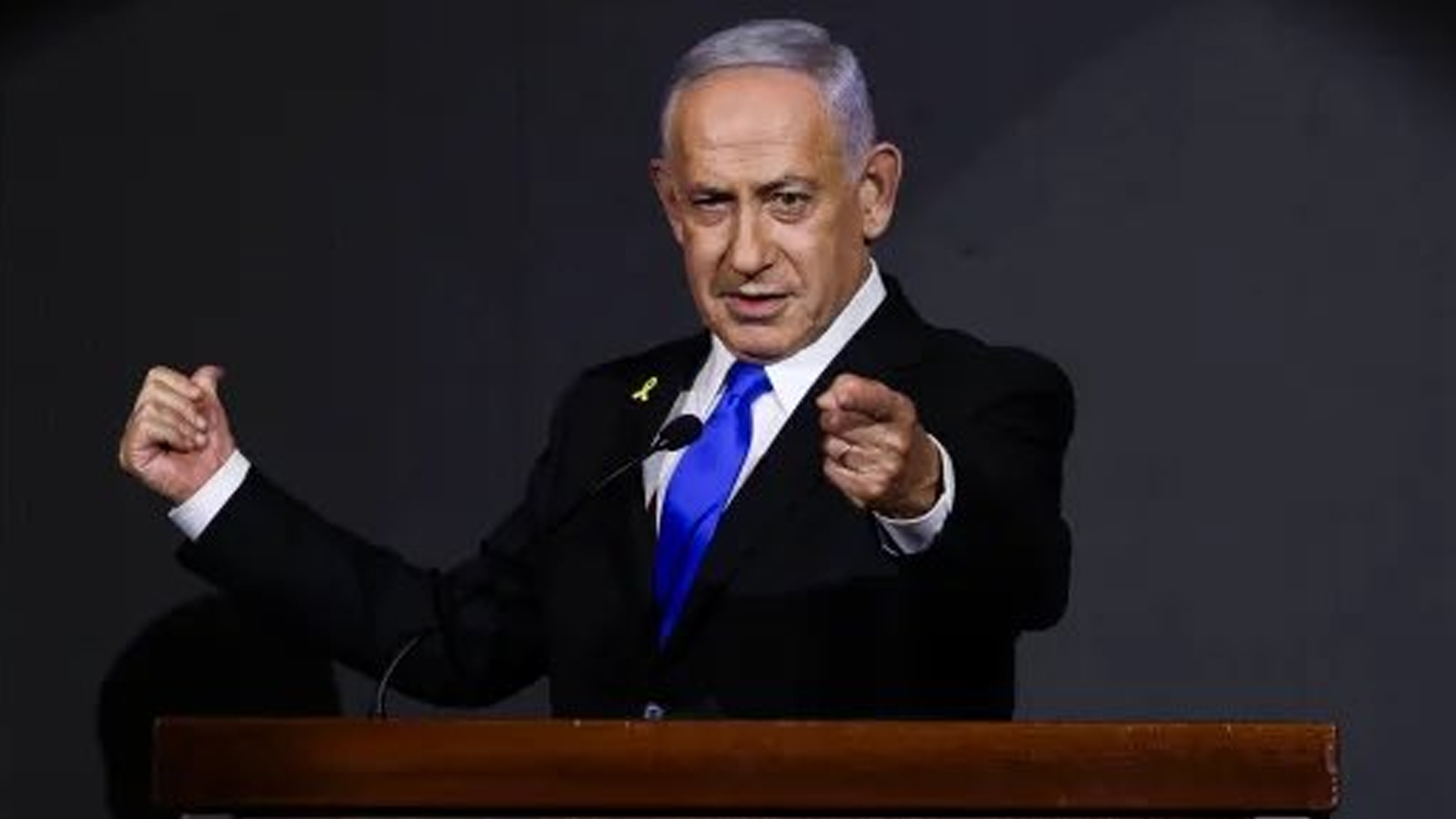
Netanyahu agrees to direct Lebanon talks
Israeli Prime Minister Benjamin Netanyahu has agreed to start direct talks with Lebanon soon. The move hints at possible diplomacy despite ongoing tensions along the border, where military activity continues and both sides remain cautious about lasting de-escalation.
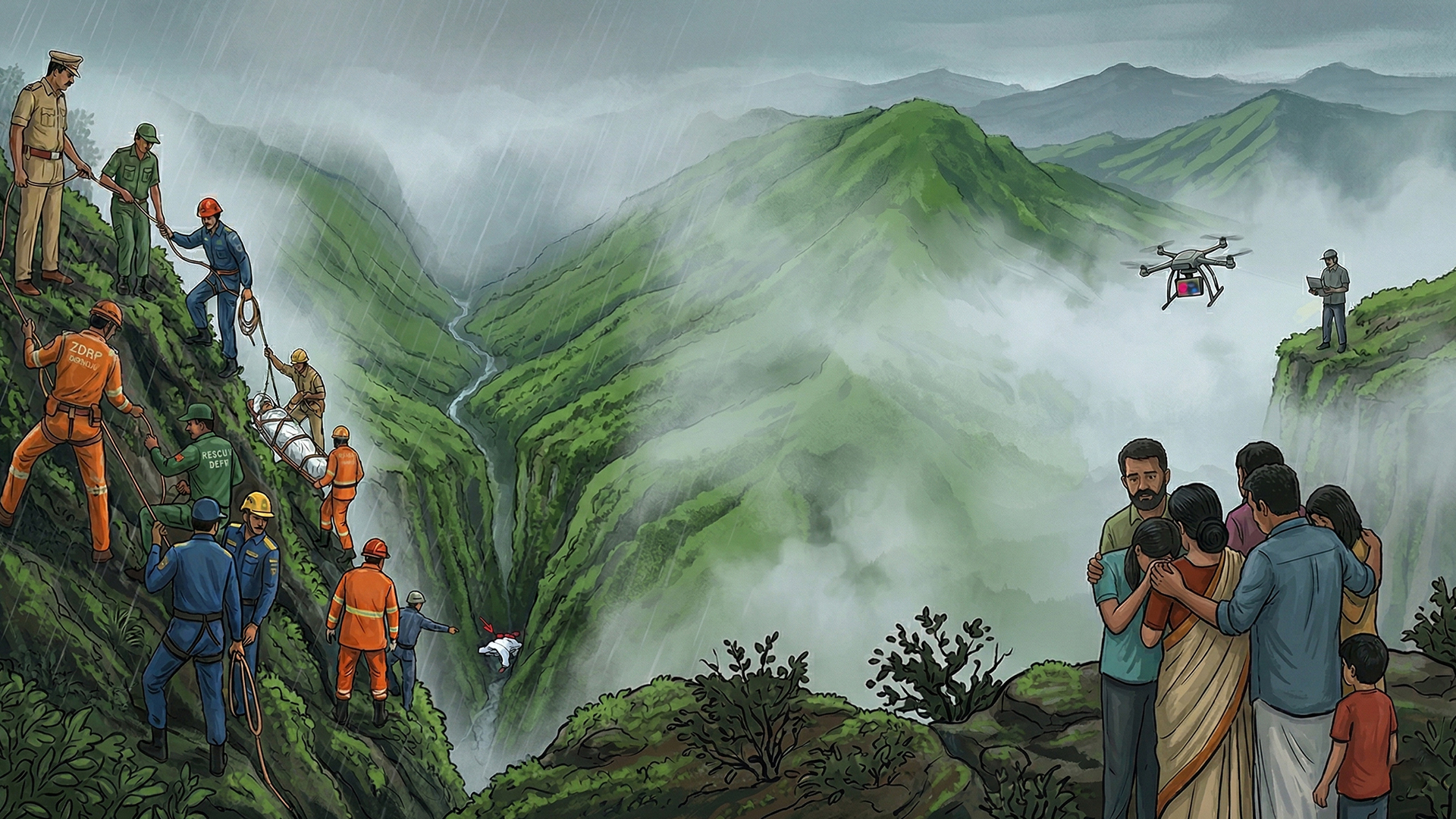
Teen girl found dead in Chikkamagaluru hills
A 15-year-old girl from Kerala missing during a trip in Karnataka’s Chikkamagaluru was found dead near a waterfall valley. Police suspect an accidental fall. Search teams recovered the body after a multi-day operation in the hill region.
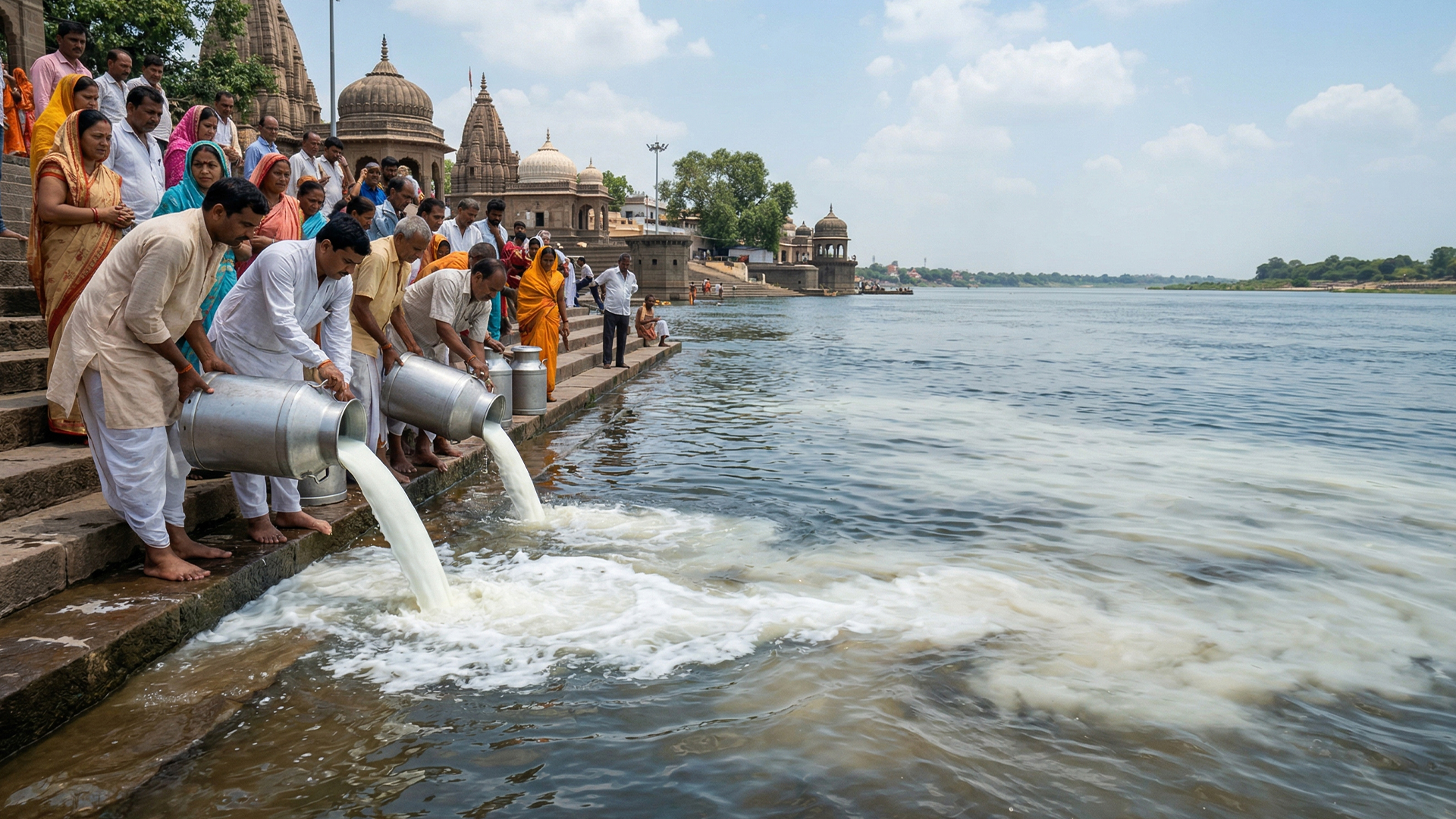
Milk dumping in Narmada sparks outrage online
Around 11,000 litres of milk were poured into the Narmada River during a religious ritual in Madhya Pradesh, triggering widespread outrage online. Environmentalists warned it could harm aquatic life, while many questioned the waste of a valuable food resource.

Minor fire at Mumbai airport Terminal 1
A minor fire broke out at Terminal 1 of Mumbai airport due to a suspected short circuit. The blaze was quickly controlled, no injuries were reported, and flight operations continued with only minor delays.

JD Vance to lead US-Iran talks in Pakistan
US Vice President JD Vance will lead a high-level delegation to Islamabad on Saturday to hold peace talks with Iran. The talks aim to extend a two-week ceasefire, with Pakistan acting as a neutral mediator.
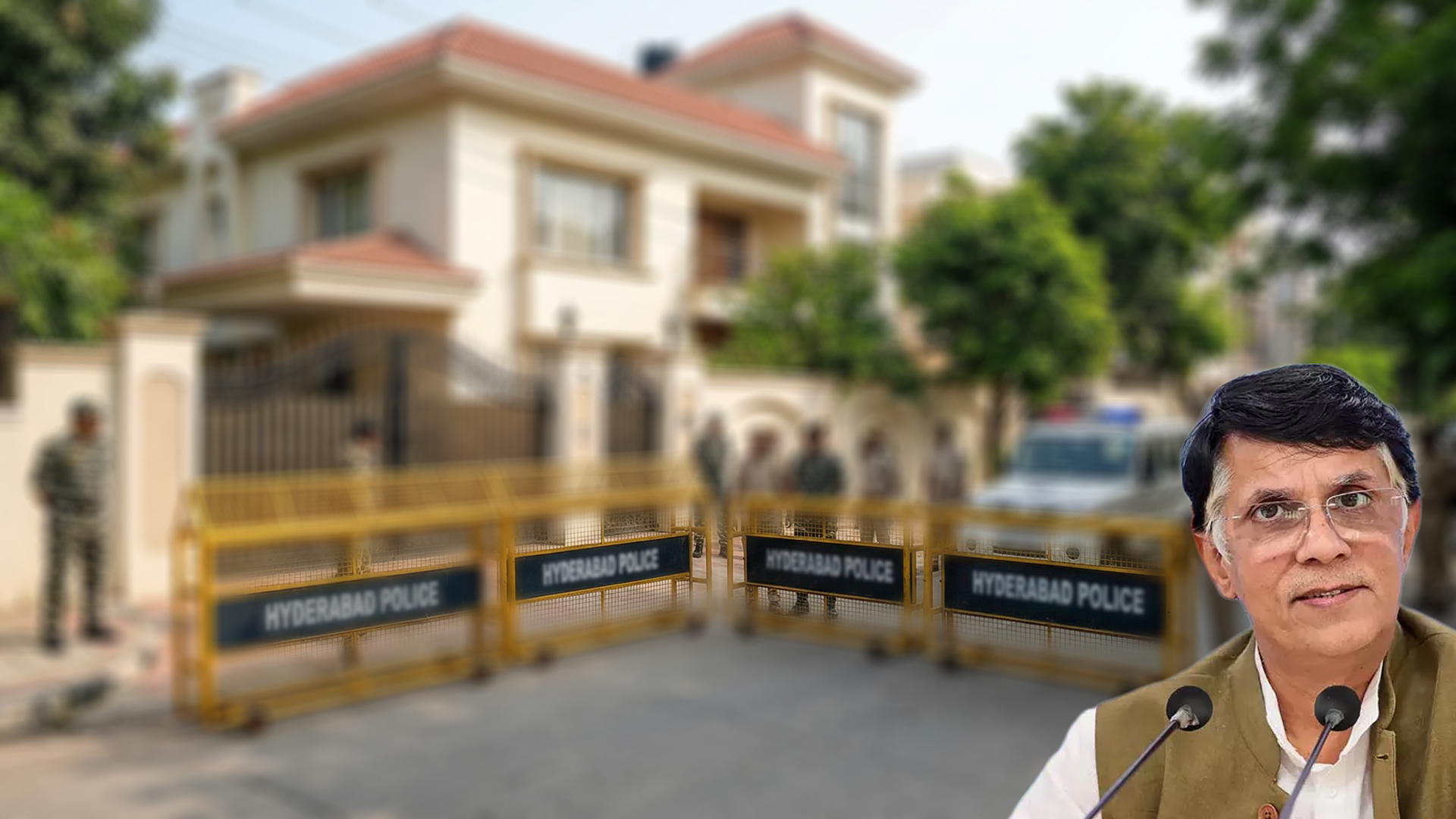
Assam police search for Pawan Khera
Congress leader Pawan Khera remains untraceable in Hyderabad as Assam Police continue searching in connection with a case involving Assam CM’s wife. His Banjara Hills residence is barricaded, with limited coordination reported between Assam and Telangana police.
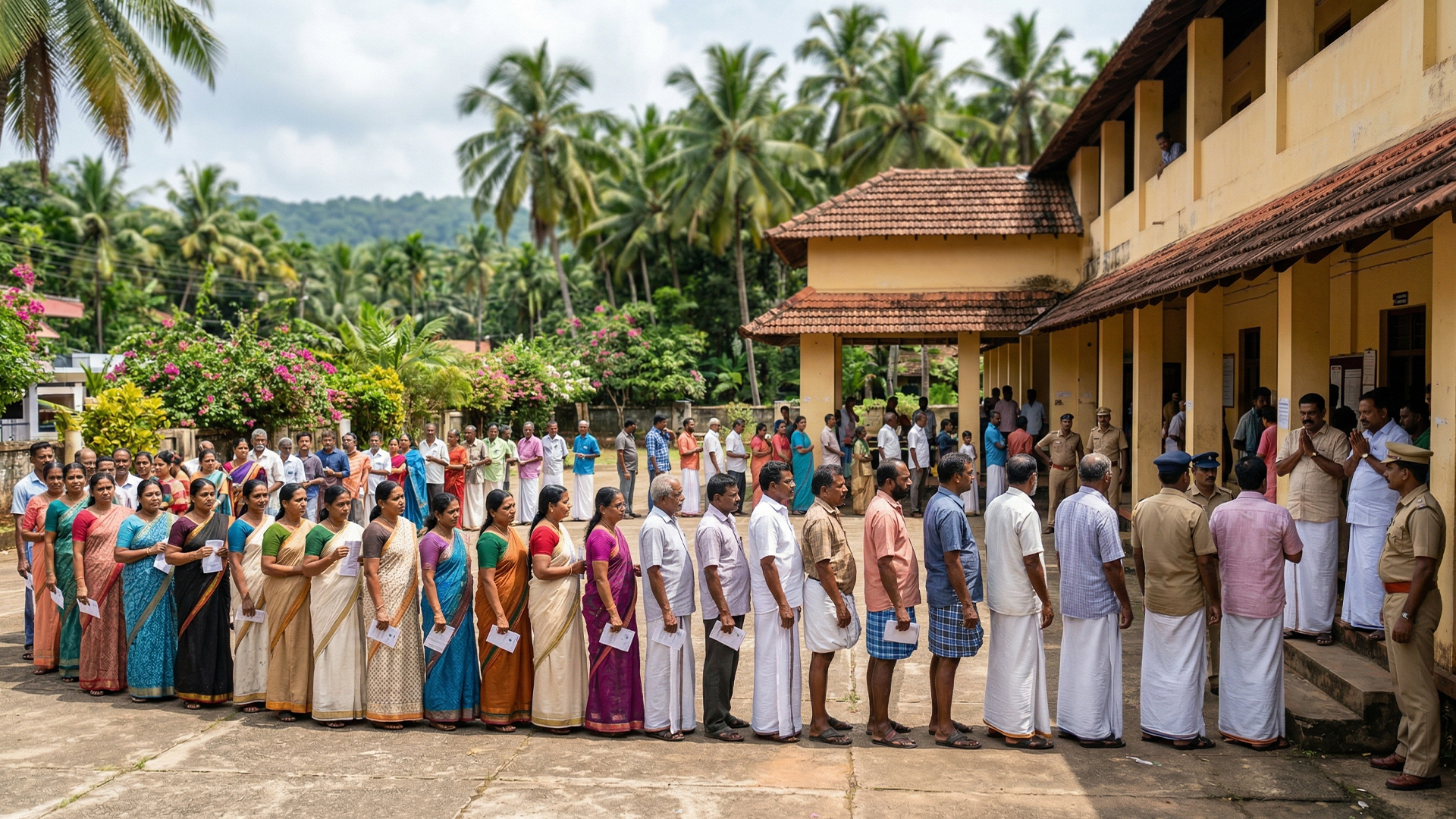
Kerala Assembly polls shows heavy voter turnout
Kerala began voting on April 9 for its Assembly elections, with around 2.7 crore voters across 140 constituencies. Polling is being held at over 30,000 booths under tight security, as major alliances compete for power.
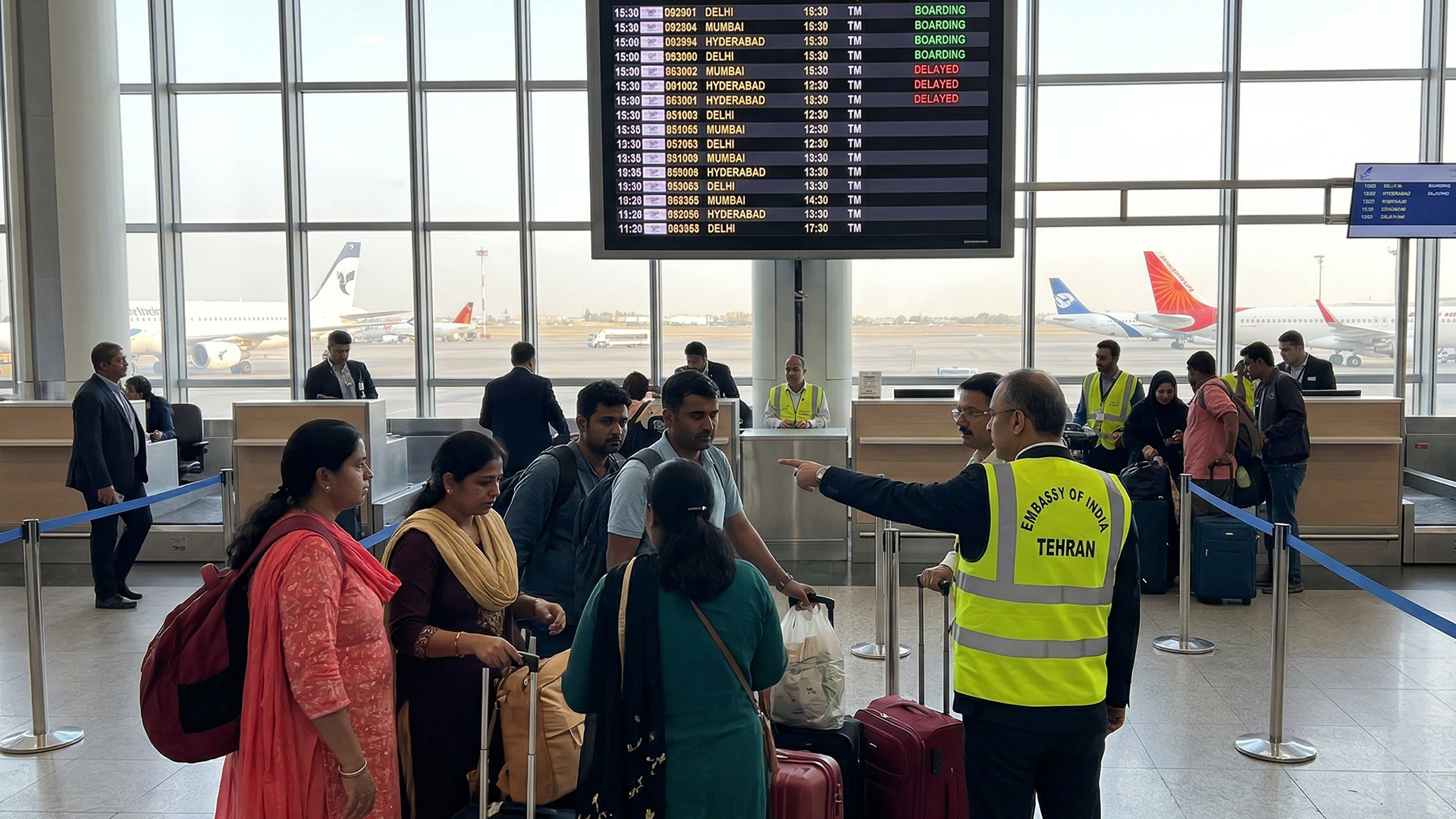
India advises citizens to leave Iran immediately
The Indian government has urged its citizens in Iran to leave the country without delay, advising them to follow embassy-approved routes and contact the embassy before traveling, as safety concerns rise amid ongoing regional instability.
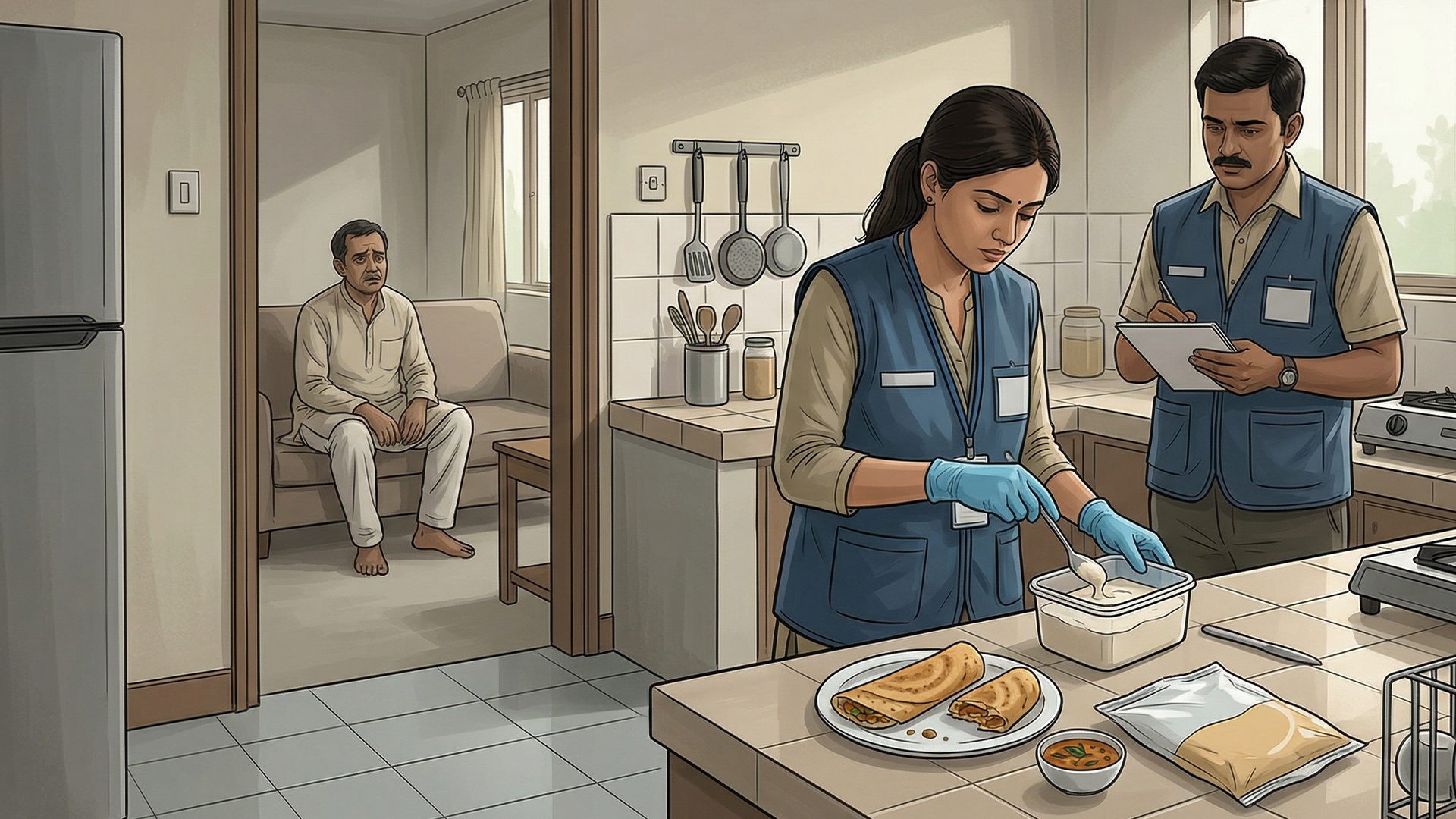
Dosa meal tragedy kills 2 children in Ahmedabad
Two children died while their parents remain critical after the family fell sick in Ahmedabad, reportedly after eating dosa prepared at home. Authorities have launched an investigation, and food samples have been sent for testing to determine the cause.
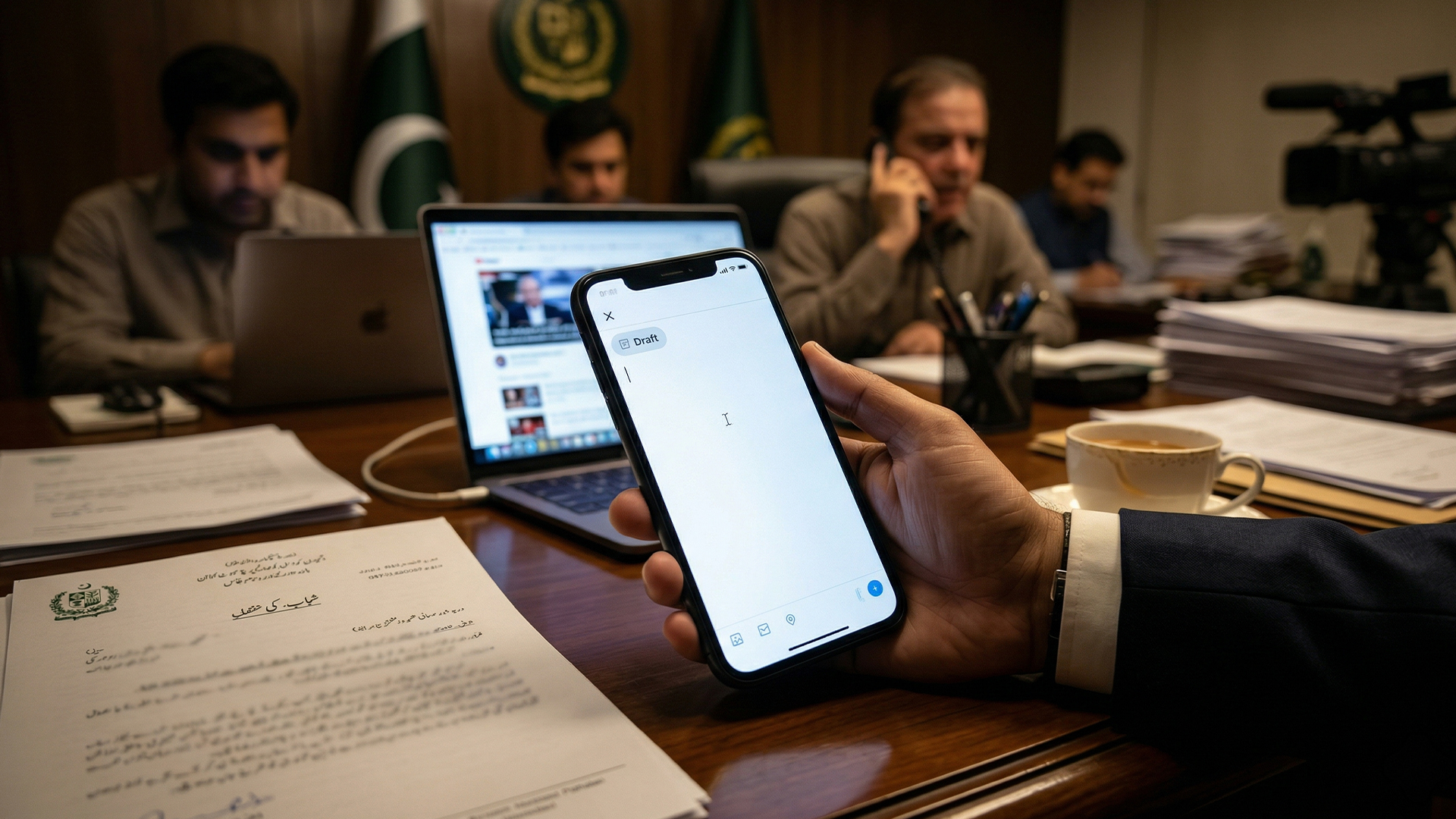
‘Draft’ tag in Shehbaz Sharif post sparks row
Shehbaz Sharif faced criticism after an X post on the US-Iran ceasefire briefly showed a “draft” tag before being edited. The incident led to questions about whether the message was pre-prepared and how Pakistan handled its diplomatic communication.
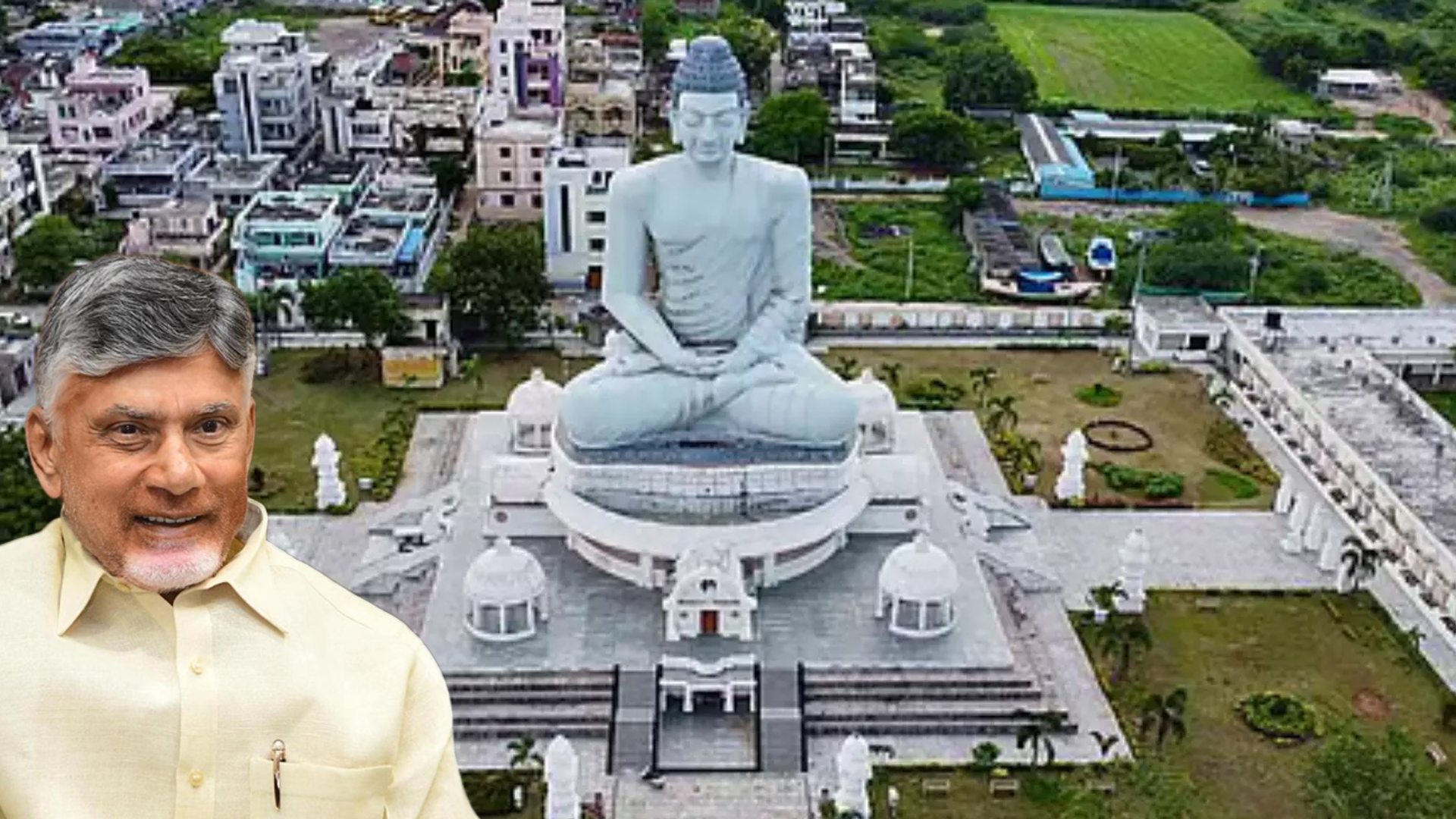
Amaravati officially declared Andhra Pradesh capital
Amaravati has been officially recognised as the sole capital of Andhra Pradesh after Parliament passed the law and the President gave her approval. Leaders say the move ends years of uncertainty and provides clarity for the state’s development.

Fire erupts at Saudi petrochemical hub
Iran reportedly launched missiles and drones at Saudi Arabia’s Jubail Industrial City, causing fires and explosions at major petrochemical facilities. Emergency teams are responding, while air defences intercepted several missiles, highlighting growing Middle East tensions.
About This Category
The Format Is the Editorial Argument
The name of this publication is The Summary. This section is where that philosophy is most directly expressed. The Summaries are not abbreviated versions of longer articles. They are complete pieces of journalism — reported, edited, and published at a length that respects both the story and the reader's time. The decision to keep them short is not a constraint. It is a position: that most news can be communicated clearly in 150 words, and that padding it to 600 words rarely improves it.
The editorial discipline required to produce a good summary is different from, and in some ways harder than, writing at length. Every sentence has to do real work. Nothing survives that doesn't belong there.
What Ends Up Here
The range is genuinely broad — and deliberately so. On any given day, The Summaries might carry a Karnataka cabinet resignation, a hospital fire in Bihar, a CBSE policy recommendation, a Kerala toddler death that has triggered public outrage, and a Cockroach Janta Party founder's plans to protest at Jantar Mantar. These are not thematically related stories. They are simply the news, treated with consistent brevity.
That breadth is the point. A reader who follows The Summaries doesn't need to choose a category to monitor. National politics, health research, civic tragedies, civil society, lifestyle news — it all comes through this section at a pace that doesn't require hours of reading to stay current.
The Judgment That Goes Into 150 Words
Selection is where the editorial work happens. Not everything becomes a Summary. Stories make it here when the core fact is clear, the significance is demonstrable, and the full picture can be honestly conveyed at short length without stripping context that the reader actually needs. A story like the Muzaffarpur hospital fire — four lives lost, a state inquiry ordered, families to be compensated — can be told completely in under two minutes. Stretching it doesn't add information; it adds length.
Some stories don't work as summaries because the context is too dense to compress responsibly. Those go elsewhere on the site. The Summaries is not a catchall; it's a format with specific requirements, and not every story meets them.
A Different Kind of Archive
Over time, The Summaries has become a reliable daily record of what happened in India and across the world — told concisely, sourced from official announcements and credible reporting, and published without the delay that often accompanies longer-form analysis. Readers who have followed the section consistently say it functions as a news briefing they can consume in a single sitting. That is more or less exactly what it was designed to do.
Frequently Asked Questions
Q1. What is The Summaries format and how is it different from other sections?
The Summaries are short, complete news pieces — typically under 150 words — covering a single event or development clearly and accurately. Unlike the full-length articles in sections like National, Business, or Health, these are written to be read in under a minute. The format is intentional: the goal is to report the news completely, not briefly for brevity's sake.
Q2. Does The Summaries cover all topics or only specific beats?
All topics. A single scroll through The Summaries on any given day might include political news, health research, a civic disaster, an education policy decision, and a human interest story. The connective thread is the format, not the subject. Readers who want to stay across multiple beats without tracking several sections will find everything here.
Q3. Are The Summaries just shortened versions of longer articles on the site?
No. They are standalone pieces written specifically for this format. Occasionally, a major developing story will have both a full article and a Summary — but they are written separately, for different purposes. The Summary version is complete on its own terms, not a teaser or a preview of something longer.
Q4. How does The Summary decide what becomes a Summary versus a full article?
If a story can be told accurately and completely at short length without stripping essential context, it's a candidate for The Summaries. If the background, timeline, or stakeholder complexity genuinely requires more room, it gets a full article. The test is whether the reader comes away informed — not whether the piece meets a word count.
Q5. How often is The Summaries section updated?
Throughout the day as news develops. There is no fixed publishing schedule — stories are published when they are ready. Readers who check in once or twice daily will typically find several new pieces each visit. The pace reflects the news cycle, not a content calendar.
Q6. Is The Summaries a good starting point for readers new to the site?
It is probably the most efficient way to understand the full scope of what The Summary covers. Because the section spans every beat — politics, business, health, lifestyle, science, national, world news — a few minutes in The Summaries gives a reader a clearer picture of the publication's range than browsing any single category section would.