
The Summaries
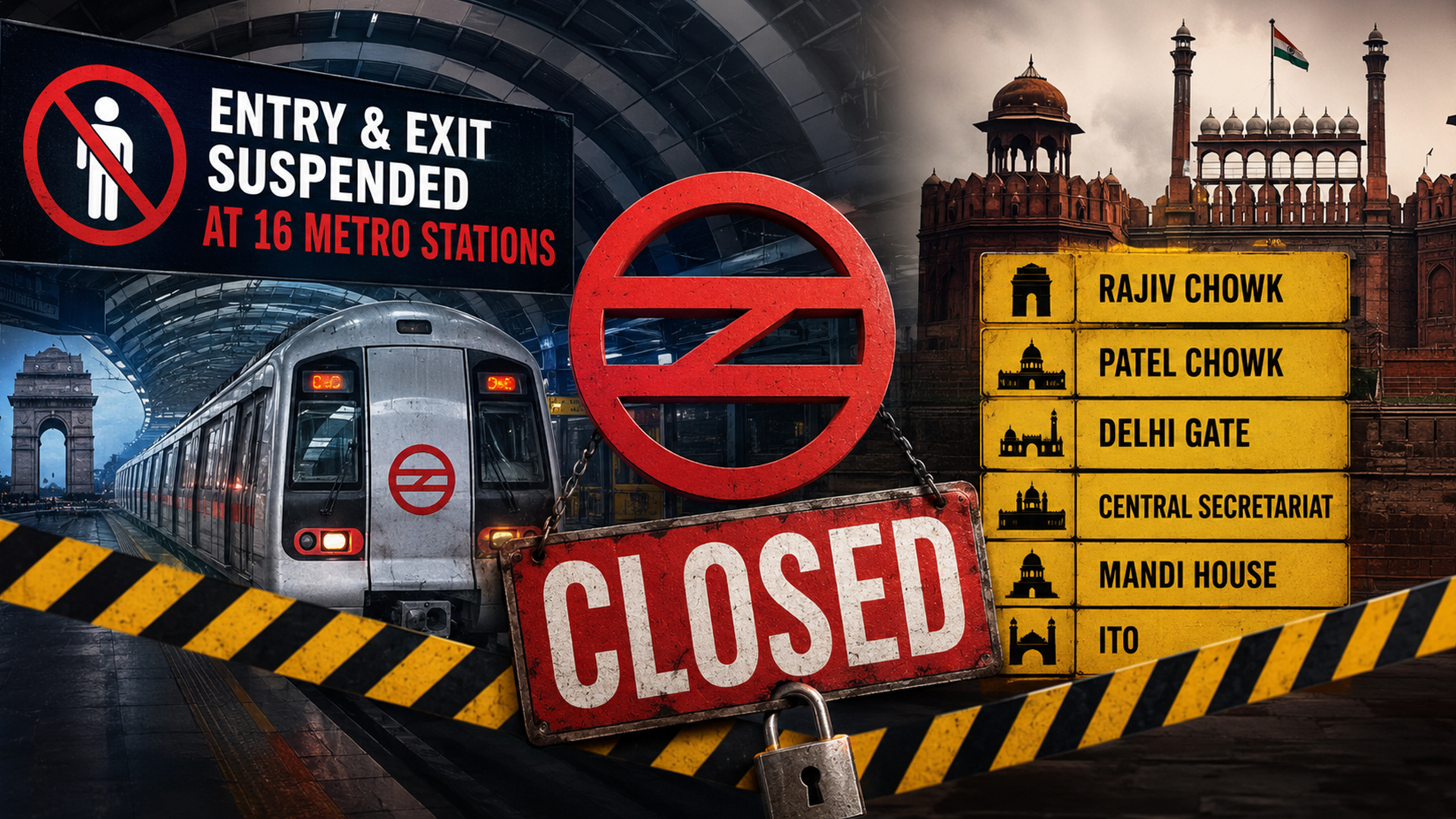
Delhi Metro again restricts access at 17 key stations
Delhi Metro temporarily closed 17 stations on Friday too following heightened security arrangements for CJP-led protests over the alleged NEET-UG 2026 paper leak. While train services continued, entry and exit remained suspended at affected stations, disrupting travel for thousands of commuters across central Delhi.

FBI arrests an Indian in drug trafficking case
The FBI has arrested Indian national Harmanveer Singh in California for allegedly helping a Canada-based criminal gang traffic drugs across North America. Authorities accused him of coordinating narcotics distribution and said investigations into the cross-border network and its associates are continuing.
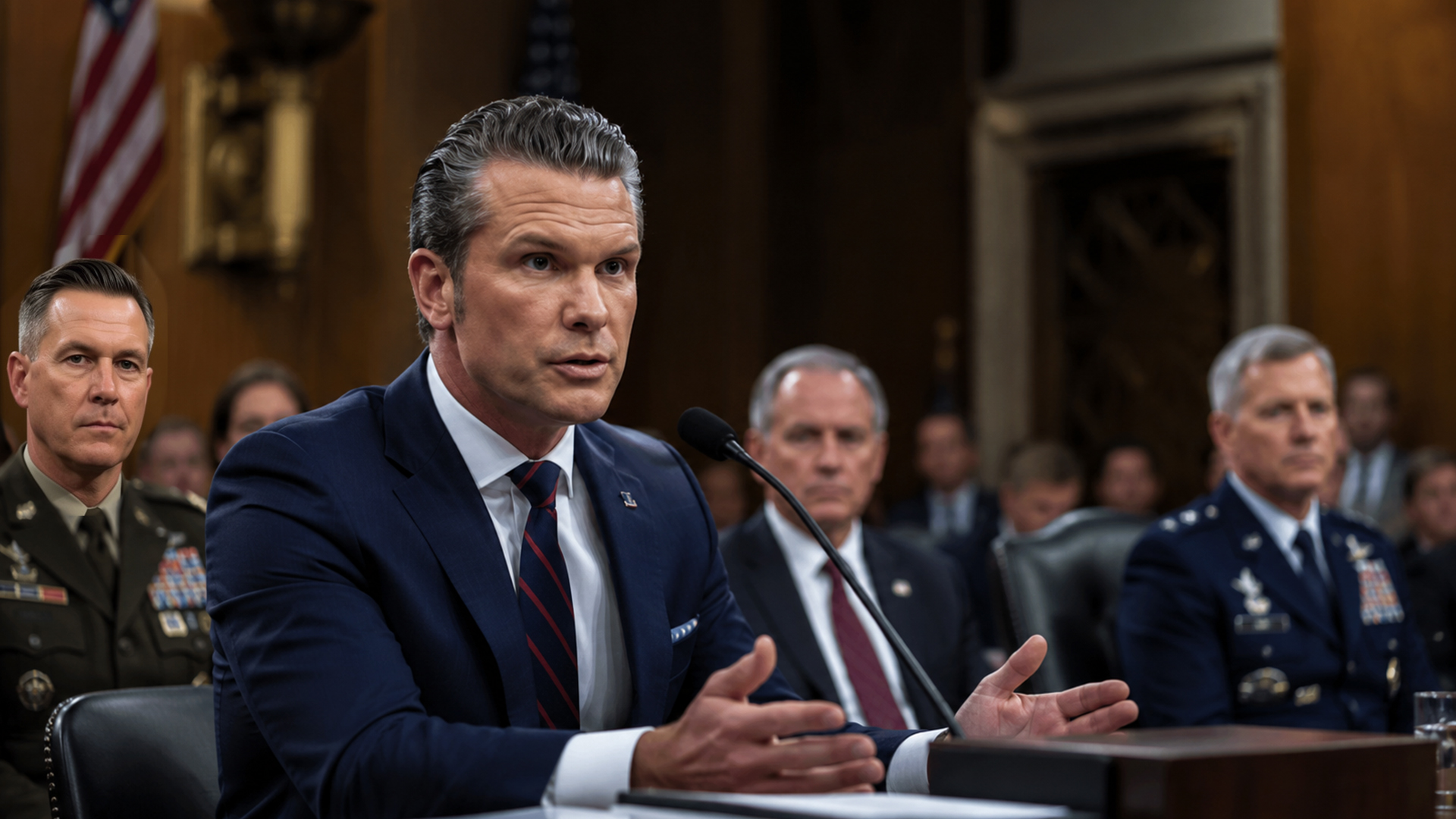
Iran conflict cost US $37.5 billion, Hegseth says
US Defence Secretary Pete Hegseth told lawmakers that the conflict with Iran has cost the United States $37.5 billion so far. He defended the military operation before a Senate panel, saying the campaign achieved its objectives while emphasising continued support for regional security and deterrence.

SC gives Sonam Raghuvanshi bail choice
The Supreme Court asked Sonam Raghuvanshi, accused in the Meghalaya honeymoon murder case, to either surrender before the trial court or face cancellation of her interim bail. The bench questioned why she had not returned to custody after her bail period ended and sought compliance before hearing her plea further.
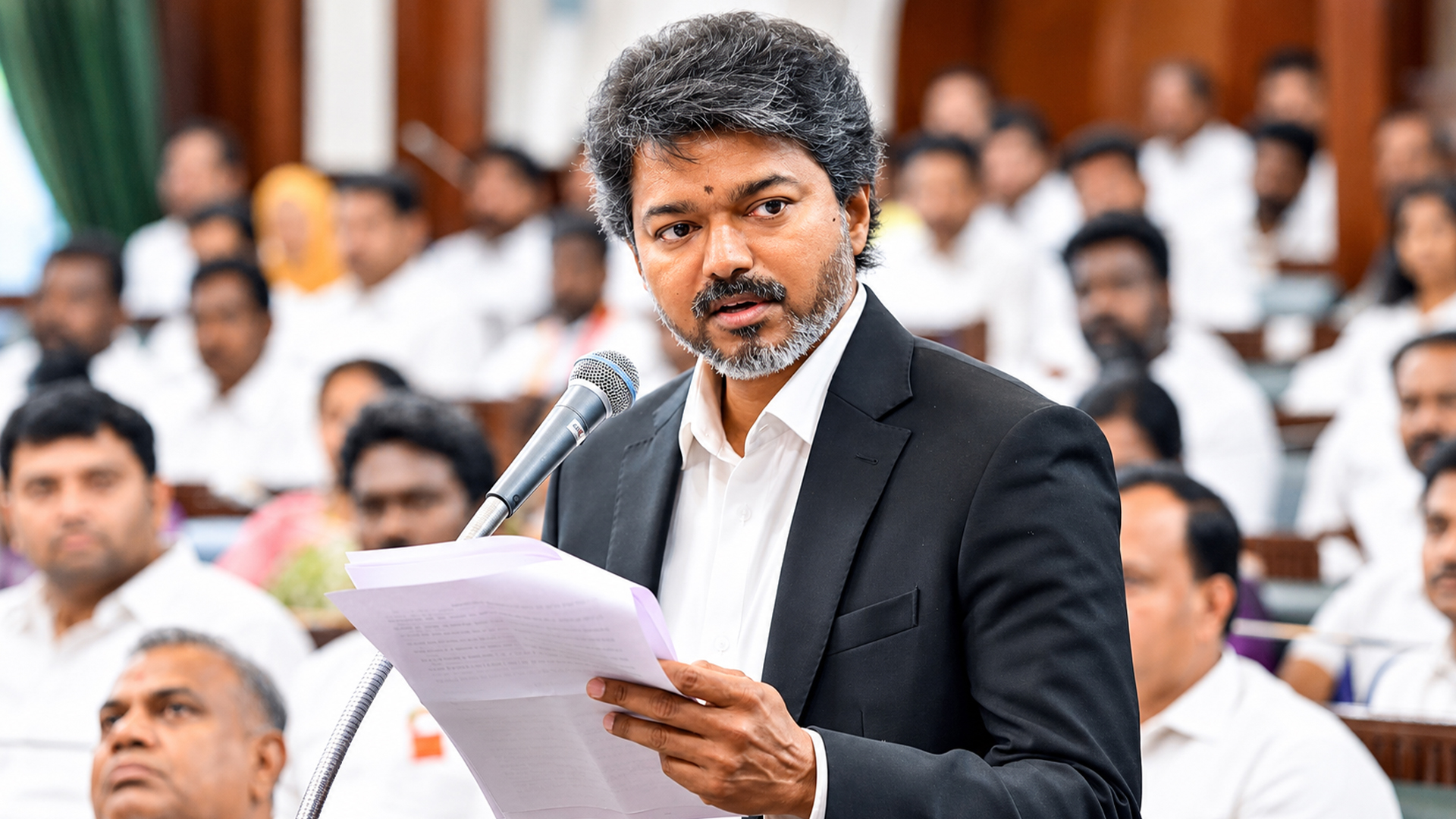
Vijay seeks complete NEET scrapping
TVK president and Tamil Nadu Chief Minister Vijay demanded the complete scrapping of NEET, rejecting partial reforms. Backing protesting students, he urged the Centre to restore states’ authority over medical admissions, saying the current system disadvantages many aspiring doctors across India.

Trump weighs ban on Chinese AI models nationwide
The Trump administration is reportedly considering banning Chinese artificial intelligence models in the US over national security concerns. The proposal comes as Washington and Beijing intensify competition in AI, with officials seeking tighter controls on foreign technologies viewed as potential security risks.

FIFA President invites actress Urvashi Rautela
Actress Urvashi Rautela attended the FIFA x Big Art Festival Gala in New York after being personally invited by FIFA President Gianni Infantino. Calling it an honour, the actress said the interaction celebrated football’s ability to connect cultures and inspire people across the world.
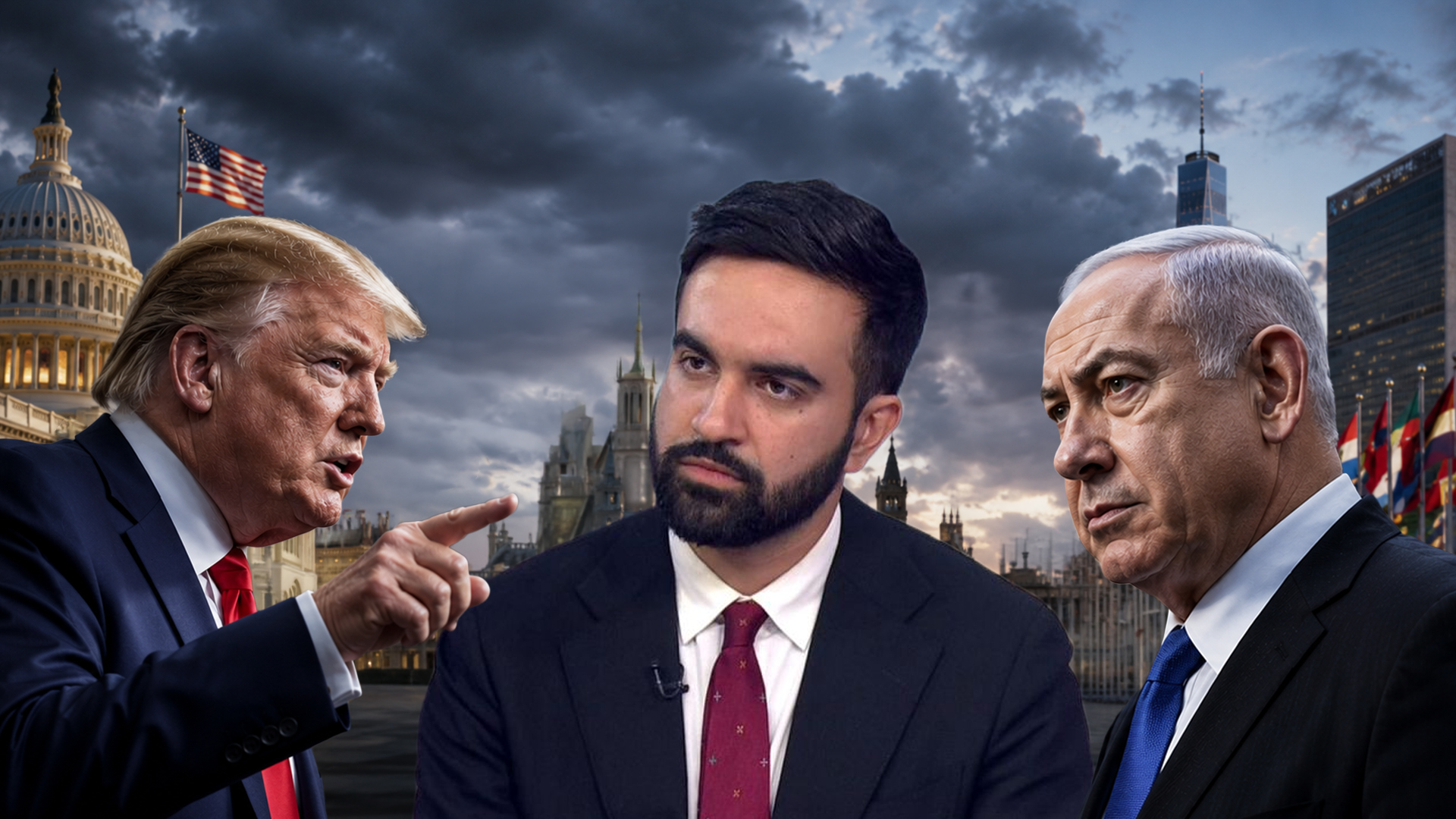
Trump rejects Mamdani’s Netanyahu arrest threat
US President Donald Trump dismissed New York mayoral candidate Zohran Mamdani’s pledge to arrest Israeli Prime Minister Benjamin Netanyahu if he visits the city, calling the proposal unrealistic. Mamdani had cited the International Criminal Court’s arrest warrant over alleged war crimes.

Messi, Yamal share emotional World Cup hug
Spain’s World Cup celebrations produced a touching moment as Lionel Messi embraced teenage star Lamine Yamal after the final. The warm exchange between football’s legendary icon and its brightest young talent quickly went viral, with fans calling it a symbolic passing of the torch.

JD Vance welcomes baby boy
US Vice President JD Vance and Second Lady Usha Vance have welcomed their fourth child, a baby boy named Alec Neel Vance. His birth marks the first child born to a sitting US vice president in more than 150 years.
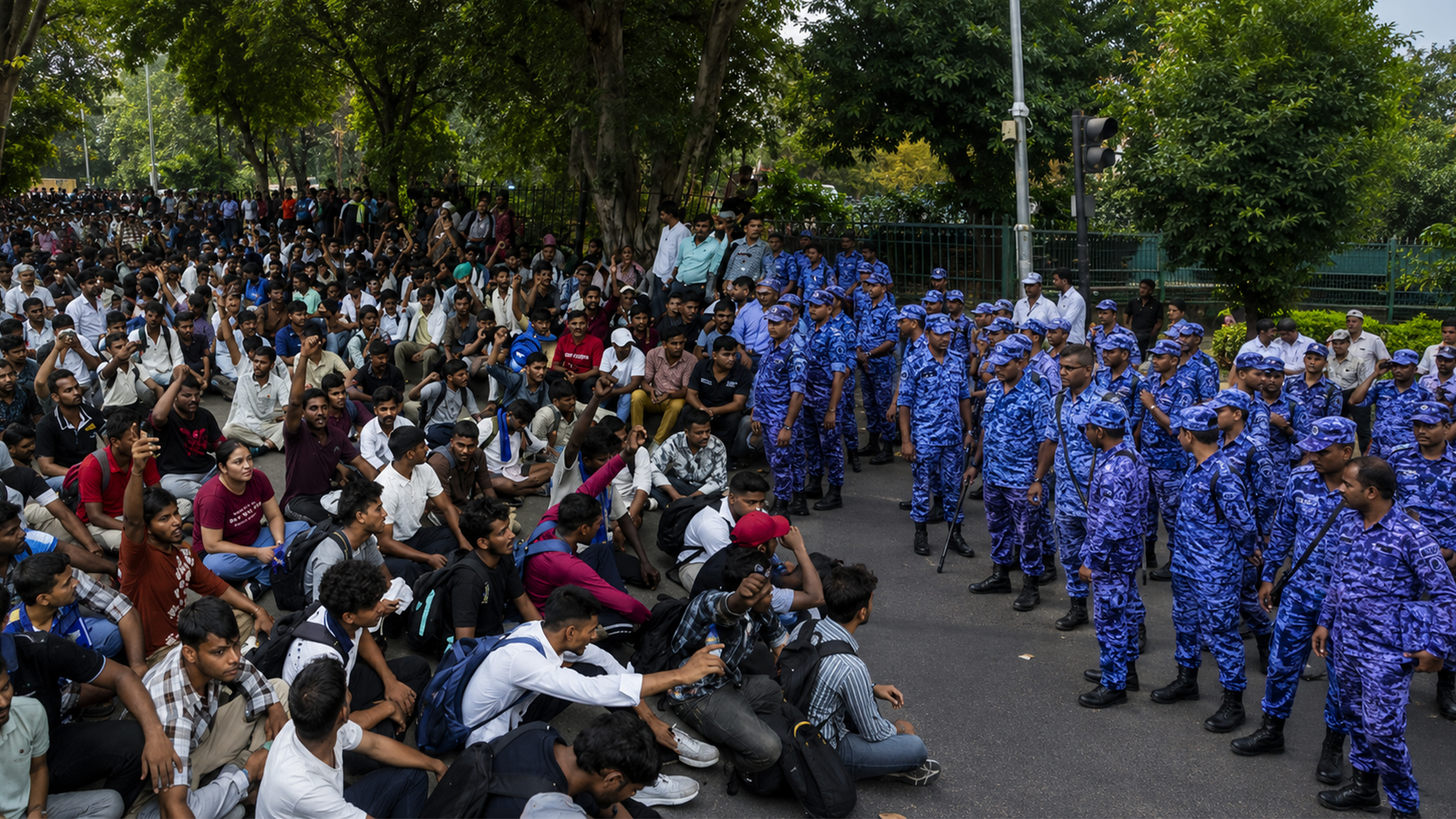
Delhi tightens security due to CJP Parliament march
Delhi Police tightened security across the national capital ahead of the Cockroach Janata Party’s (CJP) Chalo Sansad march on Monday. Section 163 was imposed, barricades erected and personnel deployed around Jantar Mantar and Parliament to prevent any law and order disruptions.
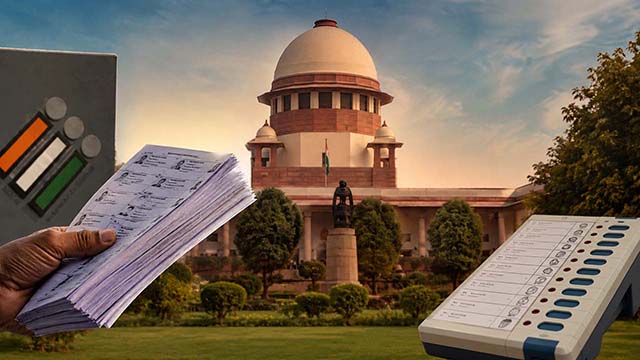
SC seeks replies on Bengal voter roll dispute
The Supreme Court sought responses from the Election Commission and the West Bengal government on a plea seeking details of voters deleted during the Special Intensive Revision (SIR). The court also observed that while the EC can remove doubtful voters, it cannot decide questions of citizenship.
About This Category
The Format Is the Editorial Argument
The name of this publication is The Summary. This section is where that philosophy is most directly expressed. The Summaries are not abbreviated versions of longer articles. They are complete pieces of journalism — reported, edited, and published at a length that respects both the story and the reader's time. The decision to keep them short is not a constraint. It is a position: that most news can be communicated clearly in 150 words, and that padding it to 600 words rarely improves it.
The editorial discipline required to produce a good summary is different from, and in some ways harder than, writing at length. Every sentence has to do real work. Nothing survives that doesn't belong there.
What Ends Up Here
The range is genuinely broad — and deliberately so. On any given day, The Summaries might carry a Karnataka cabinet resignation, a hospital fire in Bihar, a CBSE policy recommendation, a Kerala toddler death that has triggered public outrage, and a Cockroach Janta Party founder's plans to protest at Jantar Mantar. These are not thematically related stories. They are simply the news, treated with consistent brevity.
That breadth is the point. A reader who follows The Summaries doesn't need to choose a category to monitor. National politics, health research, civic tragedies, civil society, lifestyle news — it all comes through this section at a pace that doesn't require hours of reading to stay current.
The Judgment That Goes Into 150 Words
Selection is where the editorial work happens. Not everything becomes a Summary. Stories make it here when the core fact is clear, the significance is demonstrable, and the full picture can be honestly conveyed at short length without stripping context that the reader actually needs. A story like the Muzaffarpur hospital fire — four lives lost, a state inquiry ordered, families to be compensated — can be told completely in under two minutes. Stretching it doesn't add information; it adds length.
Some stories don't work as summaries because the context is too dense to compress responsibly. Those go elsewhere on the site. The Summaries is not a catchall; it's a format with specific requirements, and not every story meets them.
A Different Kind of Archive
Over time, The Summaries has become a reliable daily record of what happened in India and across the world — told concisely, sourced from official announcements and credible reporting, and published without the delay that often accompanies longer-form analysis. Readers who have followed the section consistently say it functions as a news briefing they can consume in a single sitting. That is more or less exactly what it was designed to do.
Frequently Asked Questions
Q1. What is The Summaries format and how is it different from other sections?
The Summaries are short, complete news pieces — typically under 150 words — covering a single event or development clearly and accurately. Unlike the full-length articles in sections like National, Business, or Health, these are written to be read in under a minute. The format is intentional: the goal is to report the news completely, not briefly for brevity's sake.
Q2. Does The Summaries cover all topics or only specific beats?
All topics. A single scroll through The Summaries on any given day might include political news, health research, a civic disaster, an education policy decision, and a human interest story. The connective thread is the format, not the subject. Readers who want to stay across multiple beats without tracking several sections will find everything here.
Q3. Are The Summaries just shortened versions of longer articles on the site?
No. They are standalone pieces written specifically for this format. Occasionally, a major developing story will have both a full article and a Summary — but they are written separately, for different purposes. The Summary version is complete on its own terms, not a teaser or a preview of something longer.
Q4. How does The Summary decide what becomes a Summary versus a full article?
If a story can be told accurately and completely at short length without stripping essential context, it's a candidate for The Summaries. If the background, timeline, or stakeholder complexity genuinely requires more room, it gets a full article. The test is whether the reader comes away informed — not whether the piece meets a word count.
Q5. How often is The Summaries section updated?
Throughout the day as news develops. There is no fixed publishing schedule — stories are published when they are ready. Readers who check in once or twice daily will typically find several new pieces each visit. The pace reflects the news cycle, not a content calendar.
Q6. Is The Summaries a good starting point for readers new to the site?
It is probably the most efficient way to understand the full scope of what The Summary covers. Because the section spans every beat — politics, business, health, lifestyle, science, national, world news — a few minutes in The Summaries gives a reader a clearer picture of the publication's range than browsing any single category section would.