
The Summaries
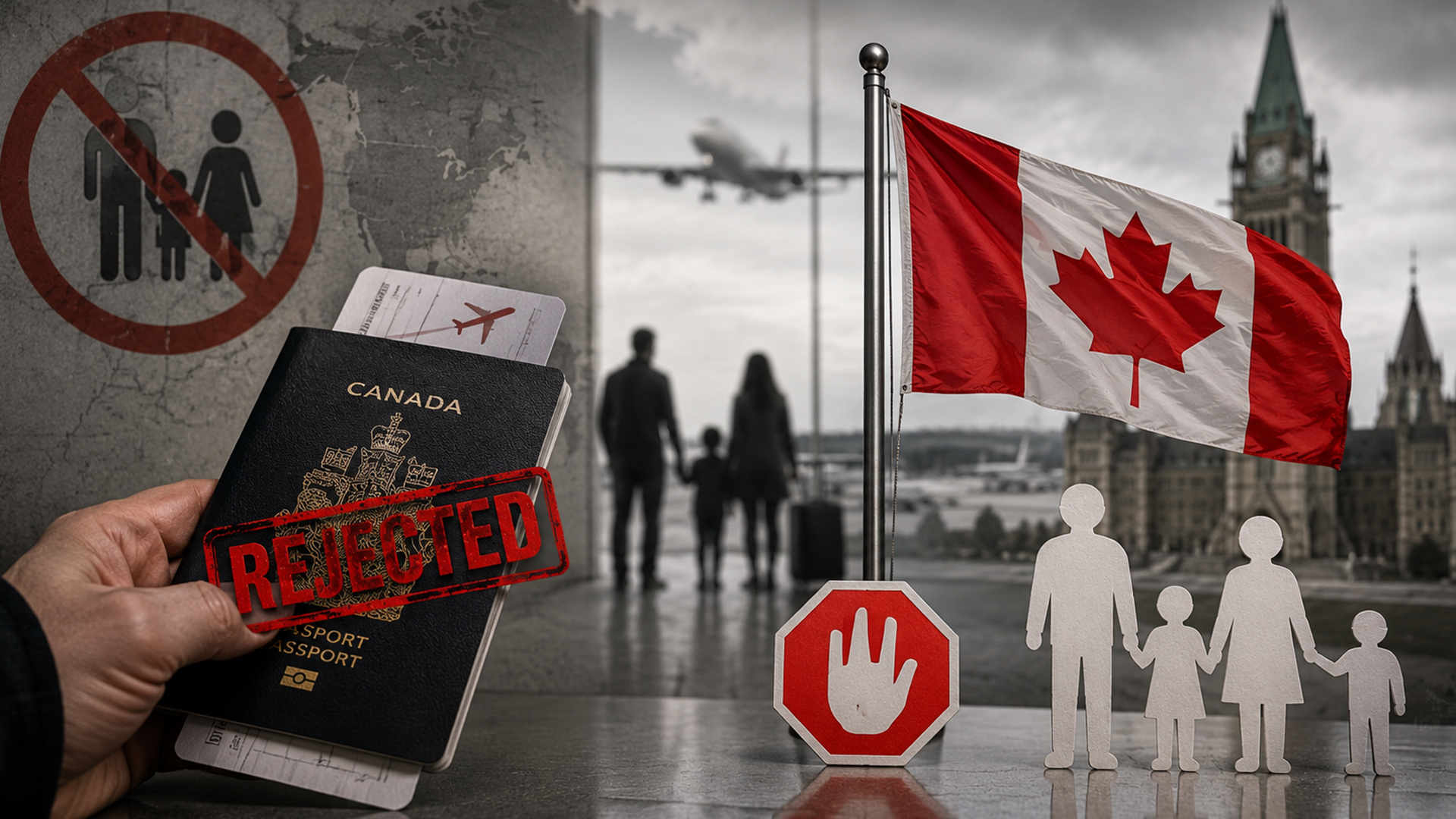
Canada pauses parent visa sponsorships
Canada has paused new applications under its Parent and Grandparent Program until next year. Existing applications will continue to be processed. The move is part of the government’s immigration reforms aimed at easing pressure on housing, public services and the overall immigration system.

Koel Mallick resigns from Rajya Sabha seat
Trinamool Congress leader and actor Koel Mallick resigned from the Rajya Sabha on Thursday, citing personal reasons. Hours later, she met senior BJP leader Bhupender Yadav in Delhi, triggering speculation over her political future amid growing challenges for the TMC.
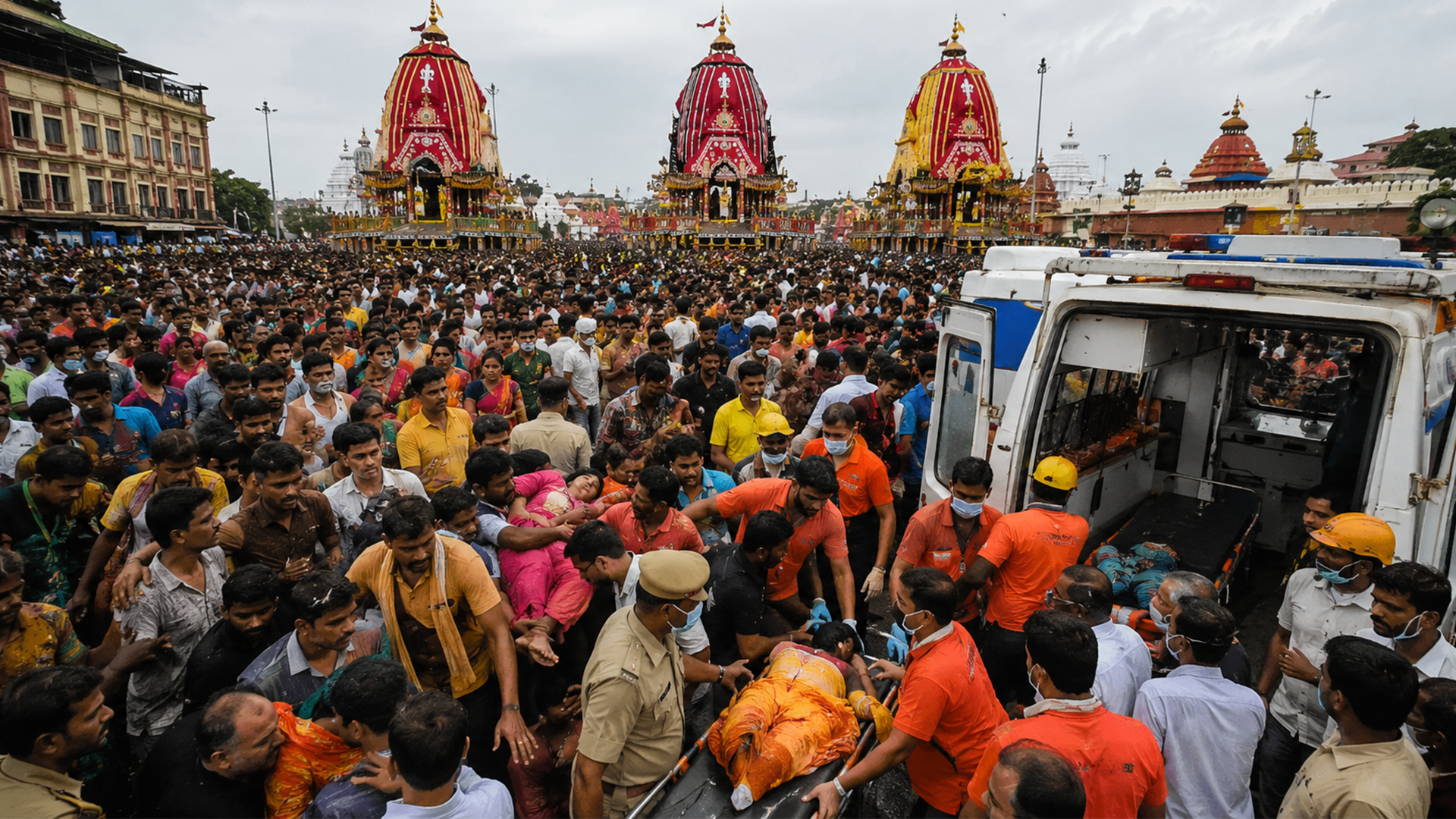
One dies, scores injured during Puri Rath Yatra
One person died and around 100 others were injured after a stampede-like situation during the Jagannath Rath Yatra in Puri, Odisha. Authorities rushed the injured to nearby hospitals, while officials launched an investigation into the incident and strengthened crowd management measures.

Amitabh Bachchan joins Policybazaar campaign
Policybazaar has chosen Amitabh Bachchan as its brand ambassador for the ‘Parivaar Sabse Pehle’ campaign. The initiative aims to encourage Indian families to prioritise health and life insurance while raising awareness about financial protection and long-term security through adequate insurance coverage.

Doctor killed, son critical in Dharwad, Karnataka
Dharwad doctor Dr Kiran Honannavar was found dead at his home, while his teenage son suffered multiple stab injuries and remains critical. Police have detained the doctor’s wife for questioning after reportedly finding her at the scene. An investigation is underway to establish the motive.

Two die in Noida building fire
Two people died after a massive fire engulfed a five-storey residential building in Noida’s Mamura village on Wednesday. More than 100 residents were rescued as firefighters battled dense smoke. Preliminary reports suggest an EV battery charging spark may have triggered the blaze.
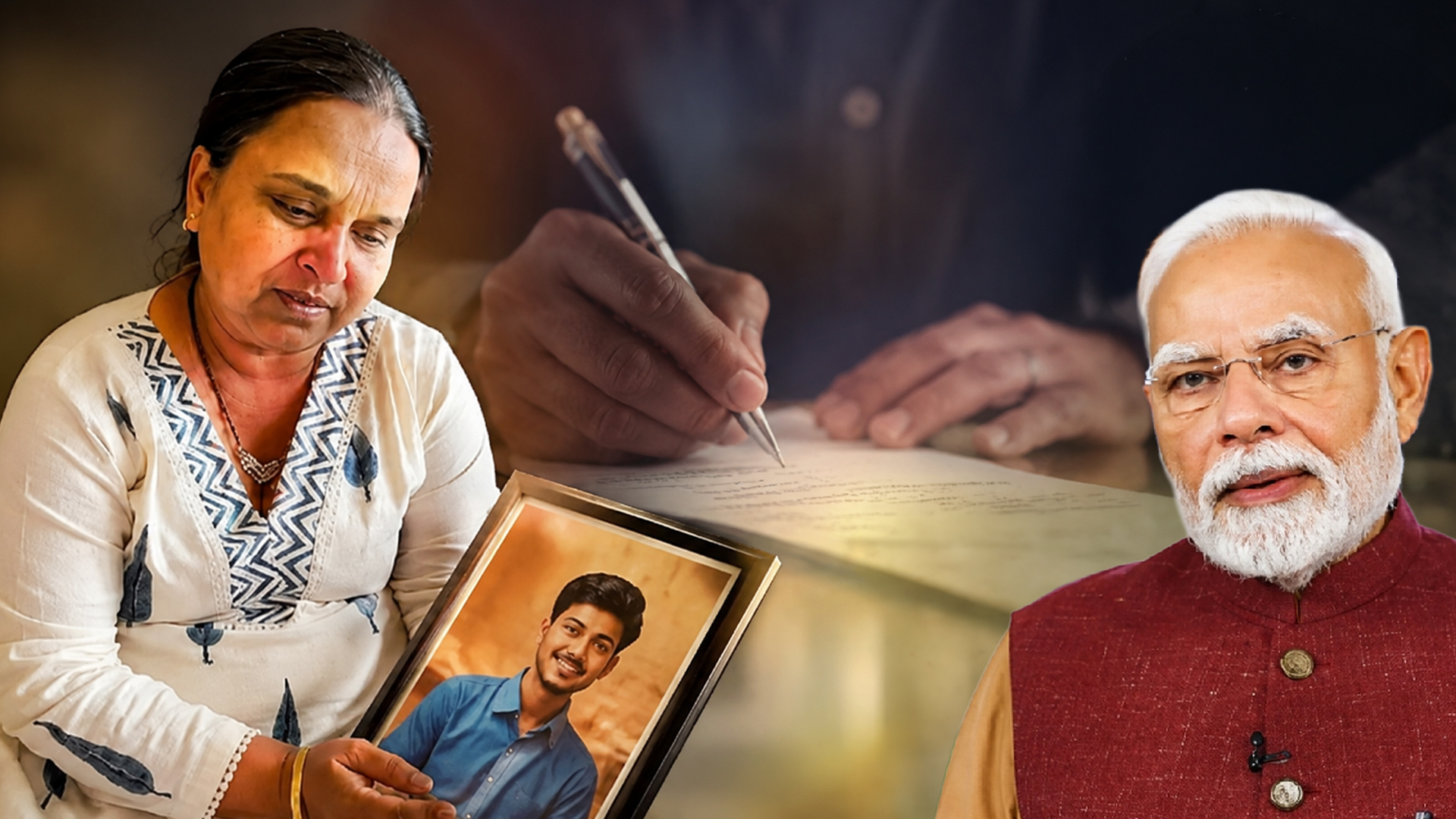
Ketan Agarwal’s mother seeks fast-track justice
Ketan Agarwal’s mother has written to Prime Minister Narendra Modi, seeking a fast-track trial in her son’s murder case. She appealed for swift justice, saying prolonged delays have added to her family’s grief following the tragic loss.
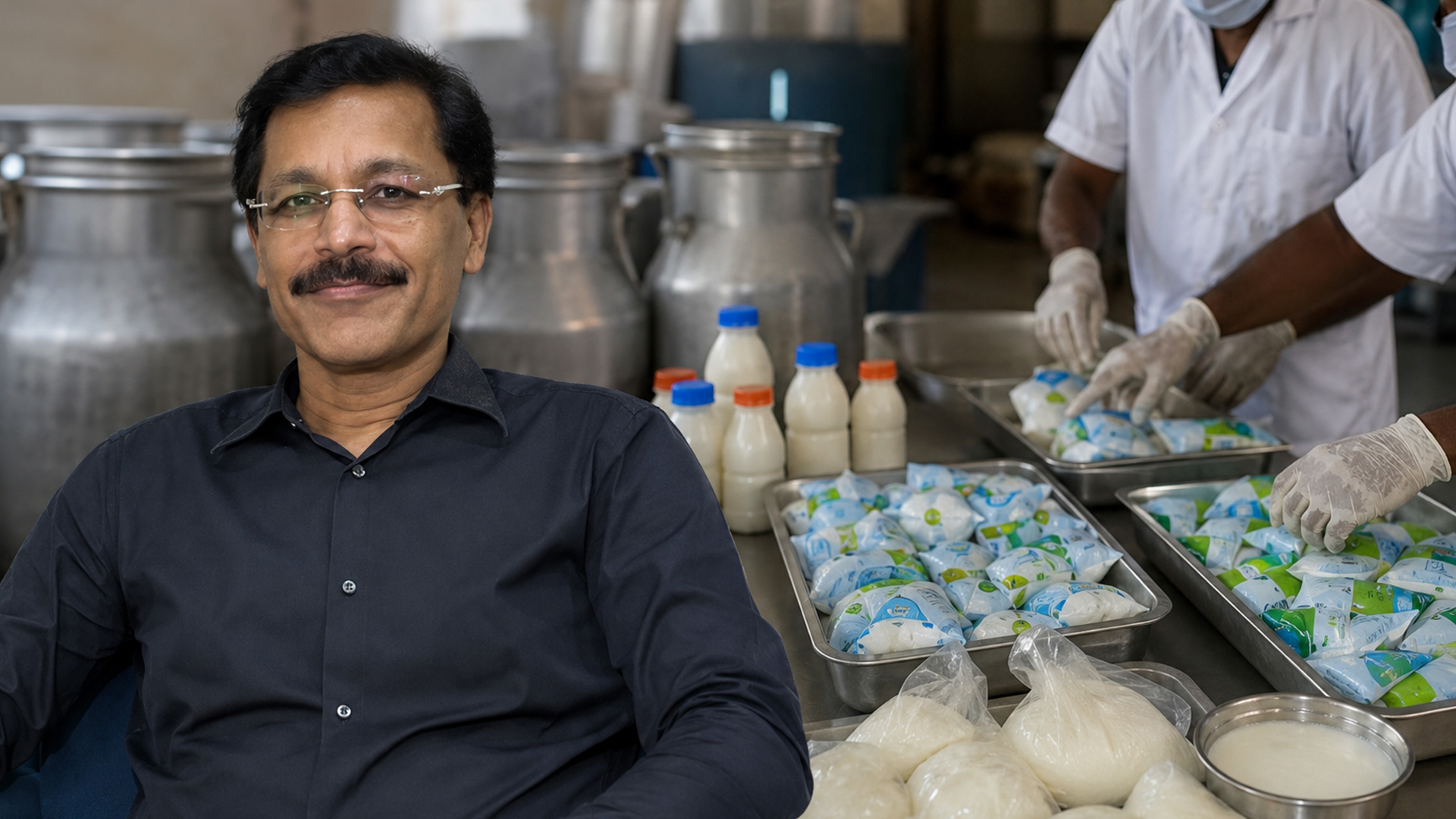
Tukaram Mundhe leads milk adulteration drive
Maharashtra’s Food and Drug Administration has intensified raids on suspected synthetic milk units under Commissioner Tukaram Mundhe. Authorities have booked several accused as part of a statewide drive to curb milk adulteration and ensure safe dairy products for consumers.

Four influencers face FIR over E20 row
Nagpur Cyber Police have registered an FIR against four social media influencers, including YouTuber Manish Kashyap, over alleged defamatory content related to the E20 ethanol fuel controversy involving Union Minister Nitin Gadkari. The complaint claims the videos spread misleading information and damaged the minister’s image.
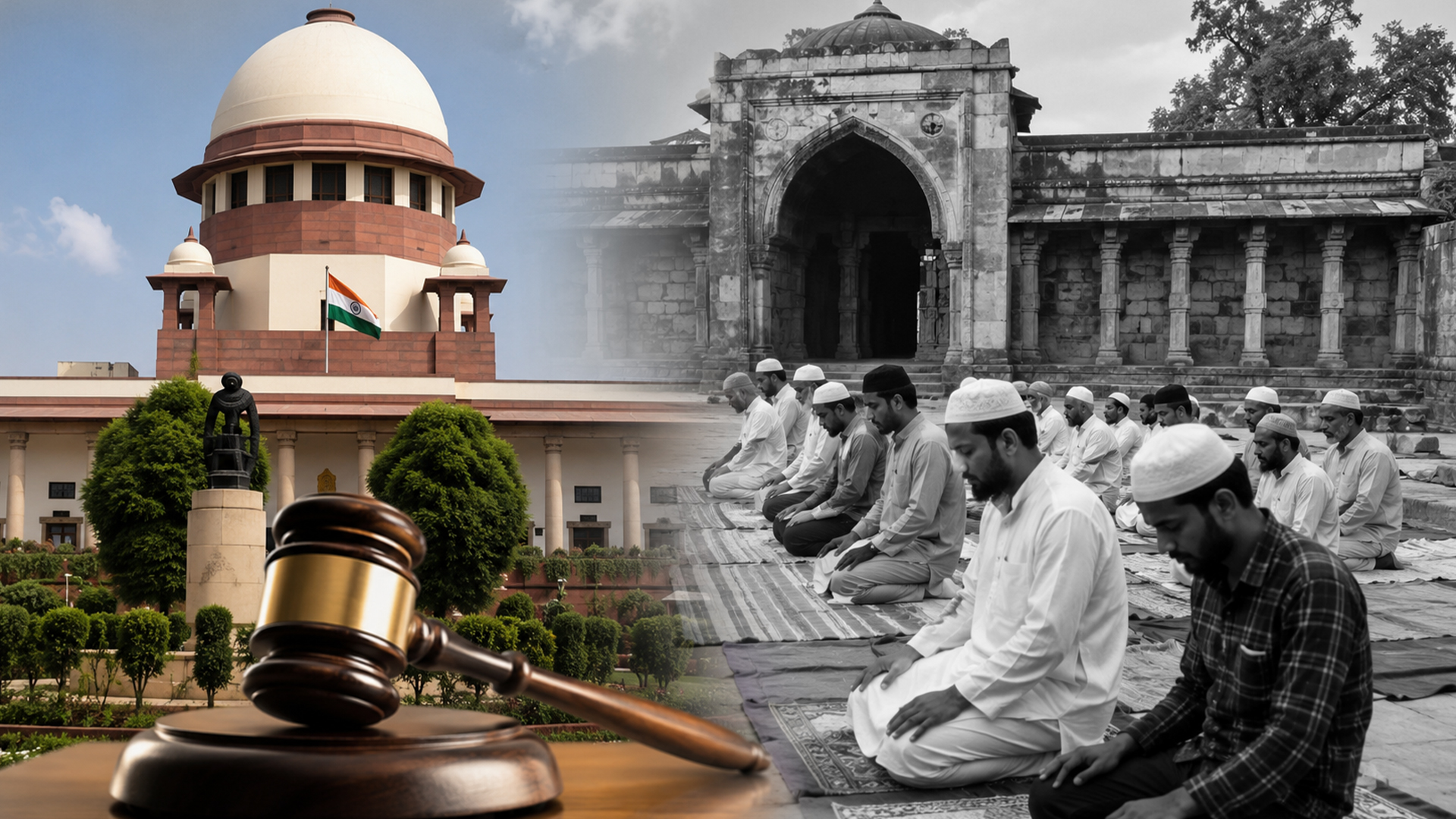
SC allows Friday prayers near Bhojshala site, Dhar
The Supreme Court allowed Friday prayers near the Bhojshala Complex in Dhar while refusing to restore the earlier status quo. The court said worship may continue under the existing administrative arrangement until the matter is decided further.
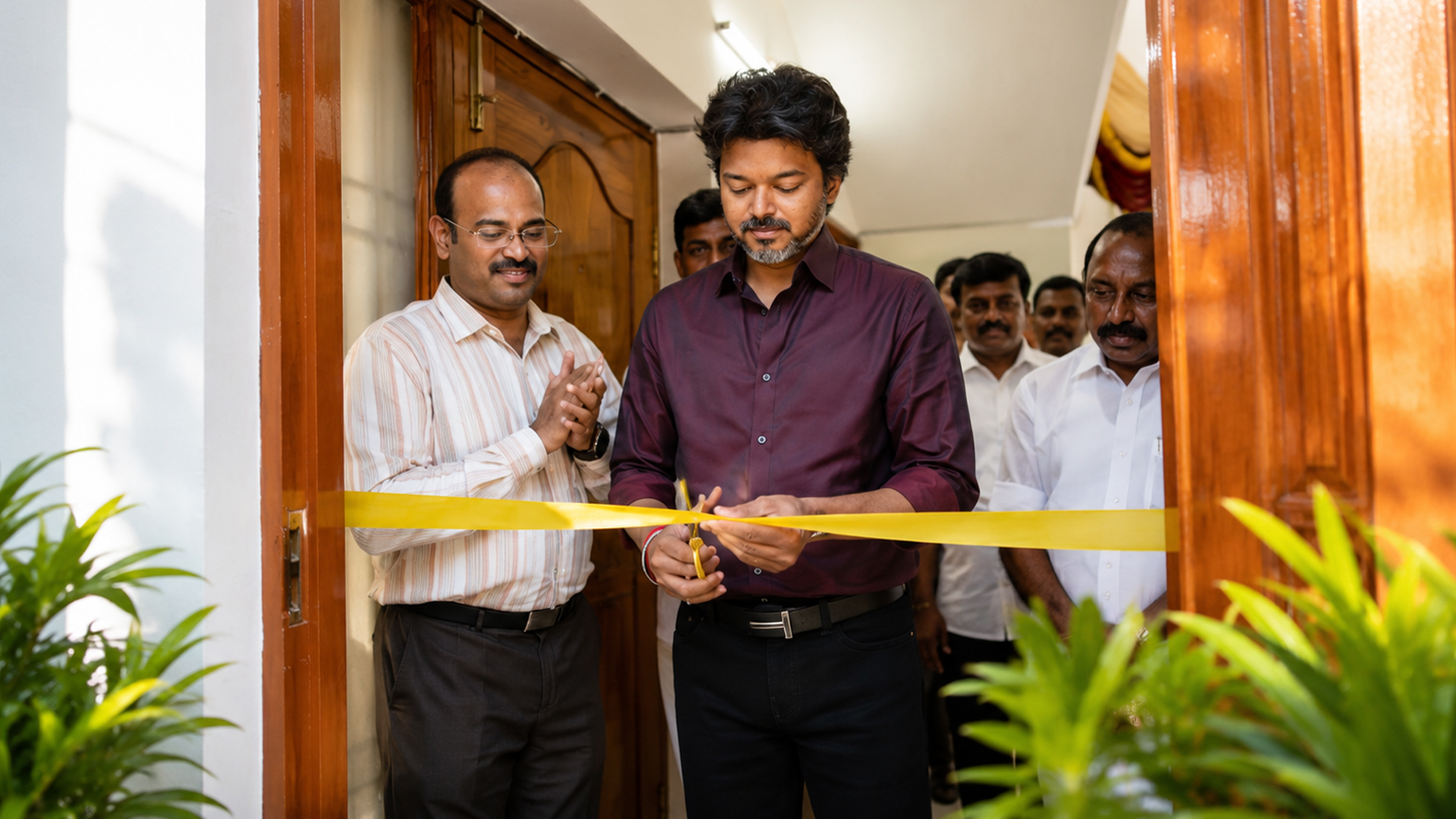
TN CM Vijay opens Perambur MLA office
Tamil Nadu Chief Minister Vijay inaugurated his MLA office in Perambur on Sunday, assuring residents of accessible governance and prompt grievance redressal. He said the office would serve as a direct link between people and the government, ensuring quicker solutions to local issues.
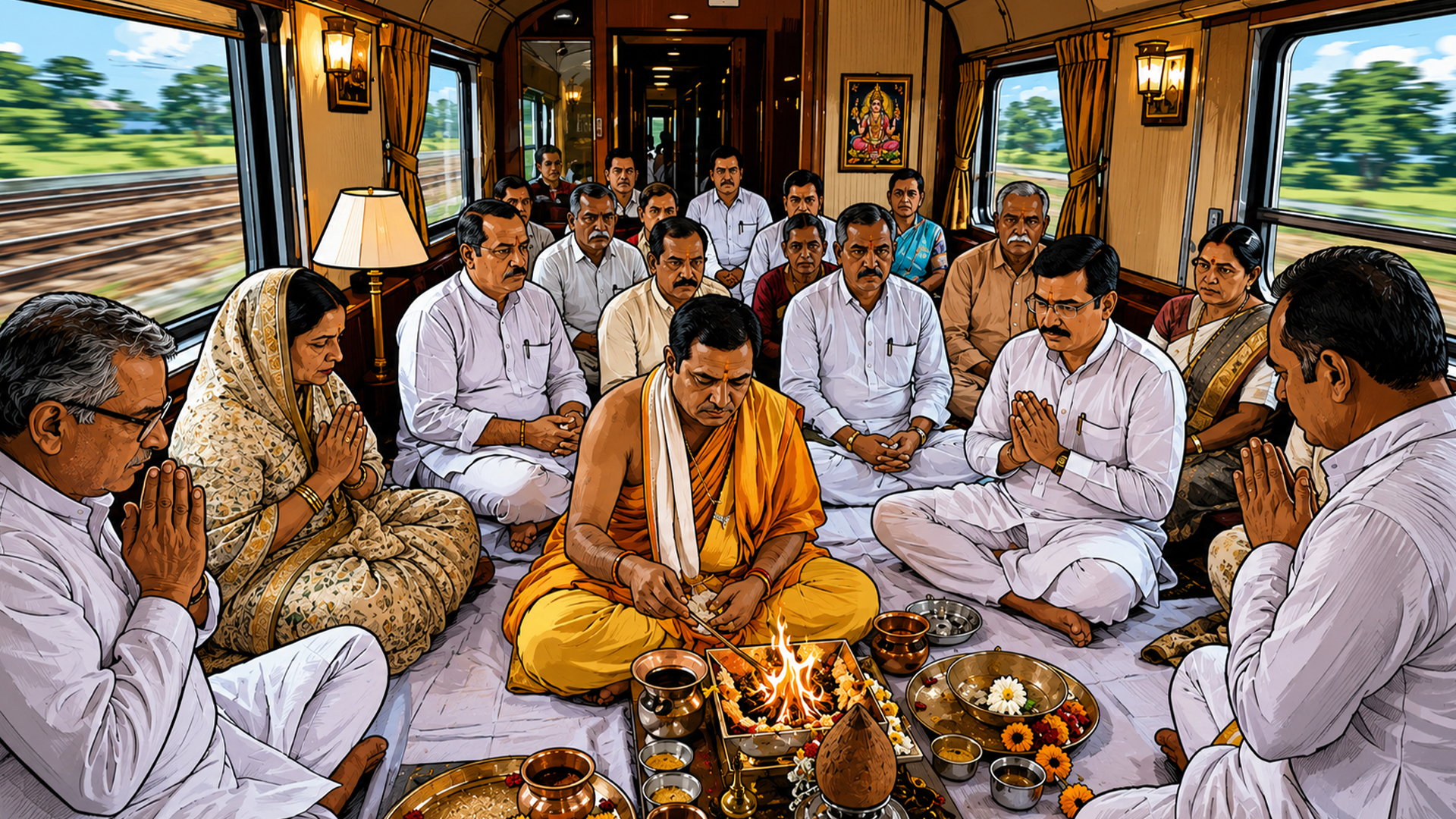
Railways clarifies viral train puja
A video showing a religious ceremony inside a moving train went viral on social media. Indian Railways clarified that the coach had been commercially booked for over ₹3 lakh, and the event was held with permission, without violating railway rules.
About This Category
The Format Is the Editorial Argument
The name of this publication is The Summary. This section is where that philosophy is most directly expressed. The Summaries are not abbreviated versions of longer articles. They are complete pieces of journalism — reported, edited, and published at a length that respects both the story and the reader's time. The decision to keep them short is not a constraint. It is a position: that most news can be communicated clearly in 150 words, and that padding it to 600 words rarely improves it.
The editorial discipline required to produce a good summary is different from, and in some ways harder than, writing at length. Every sentence has to do real work. Nothing survives that doesn't belong there.
What Ends Up Here
The range is genuinely broad — and deliberately so. On any given day, The Summaries might carry a Karnataka cabinet resignation, a hospital fire in Bihar, a CBSE policy recommendation, a Kerala toddler death that has triggered public outrage, and a Cockroach Janta Party founder's plans to protest at Jantar Mantar. These are not thematically related stories. They are simply the news, treated with consistent brevity.
That breadth is the point. A reader who follows The Summaries doesn't need to choose a category to monitor. National politics, health research, civic tragedies, civil society, lifestyle news — it all comes through this section at a pace that doesn't require hours of reading to stay current.
The Judgment That Goes Into 150 Words
Selection is where the editorial work happens. Not everything becomes a Summary. Stories make it here when the core fact is clear, the significance is demonstrable, and the full picture can be honestly conveyed at short length without stripping context that the reader actually needs. A story like the Muzaffarpur hospital fire — four lives lost, a state inquiry ordered, families to be compensated — can be told completely in under two minutes. Stretching it doesn't add information; it adds length.
Some stories don't work as summaries because the context is too dense to compress responsibly. Those go elsewhere on the site. The Summaries is not a catchall; it's a format with specific requirements, and not every story meets them.
A Different Kind of Archive
Over time, The Summaries has become a reliable daily record of what happened in India and across the world — told concisely, sourced from official announcements and credible reporting, and published without the delay that often accompanies longer-form analysis. Readers who have followed the section consistently say it functions as a news briefing they can consume in a single sitting. That is more or less exactly what it was designed to do.
Frequently Asked Questions
Q1. What is The Summaries format and how is it different from other sections?
The Summaries are short, complete news pieces — typically under 150 words — covering a single event or development clearly and accurately. Unlike the full-length articles in sections like National, Business, or Health, these are written to be read in under a minute. The format is intentional: the goal is to report the news completely, not briefly for brevity's sake.
Q2. Does The Summaries cover all topics or only specific beats?
All topics. A single scroll through The Summaries on any given day might include political news, health research, a civic disaster, an education policy decision, and a human interest story. The connective thread is the format, not the subject. Readers who want to stay across multiple beats without tracking several sections will find everything here.
Q3. Are The Summaries just shortened versions of longer articles on the site?
No. They are standalone pieces written specifically for this format. Occasionally, a major developing story will have both a full article and a Summary — but they are written separately, for different purposes. The Summary version is complete on its own terms, not a teaser or a preview of something longer.
Q4. How does The Summary decide what becomes a Summary versus a full article?
If a story can be told accurately and completely at short length without stripping essential context, it's a candidate for The Summaries. If the background, timeline, or stakeholder complexity genuinely requires more room, it gets a full article. The test is whether the reader comes away informed — not whether the piece meets a word count.
Q5. How often is The Summaries section updated?
Throughout the day as news develops. There is no fixed publishing schedule — stories are published when they are ready. Readers who check in once or twice daily will typically find several new pieces each visit. The pace reflects the news cycle, not a content calendar.
Q6. Is The Summaries a good starting point for readers new to the site?
It is probably the most efficient way to understand the full scope of what The Summary covers. Because the section spans every beat — politics, business, health, lifestyle, science, national, world news — a few minutes in The Summaries gives a reader a clearer picture of the publication's range than browsing any single category section would.