
The Summaries

Techie kills girlfriend, dies by suicide in Gurugram
A software engineer allegedly stabbed his girlfriend to death at her Gurugram apartment before dying by suicide by jumping in front of a train hours later. Police suspect a relationship dispute and are investigating the case while examining forensic and digital evidence.

1971 war hero alleges Rajasthan land deal fraud
A 92-year-old Army veteran and 1971 war hero, Captain Chunnilal, has alleged that land allotted to him in Rajasthan’s Jaisalmer was fraudulently sold. He has sought government intervention, demanding a fair investigation and restoration of his rightful ownership.
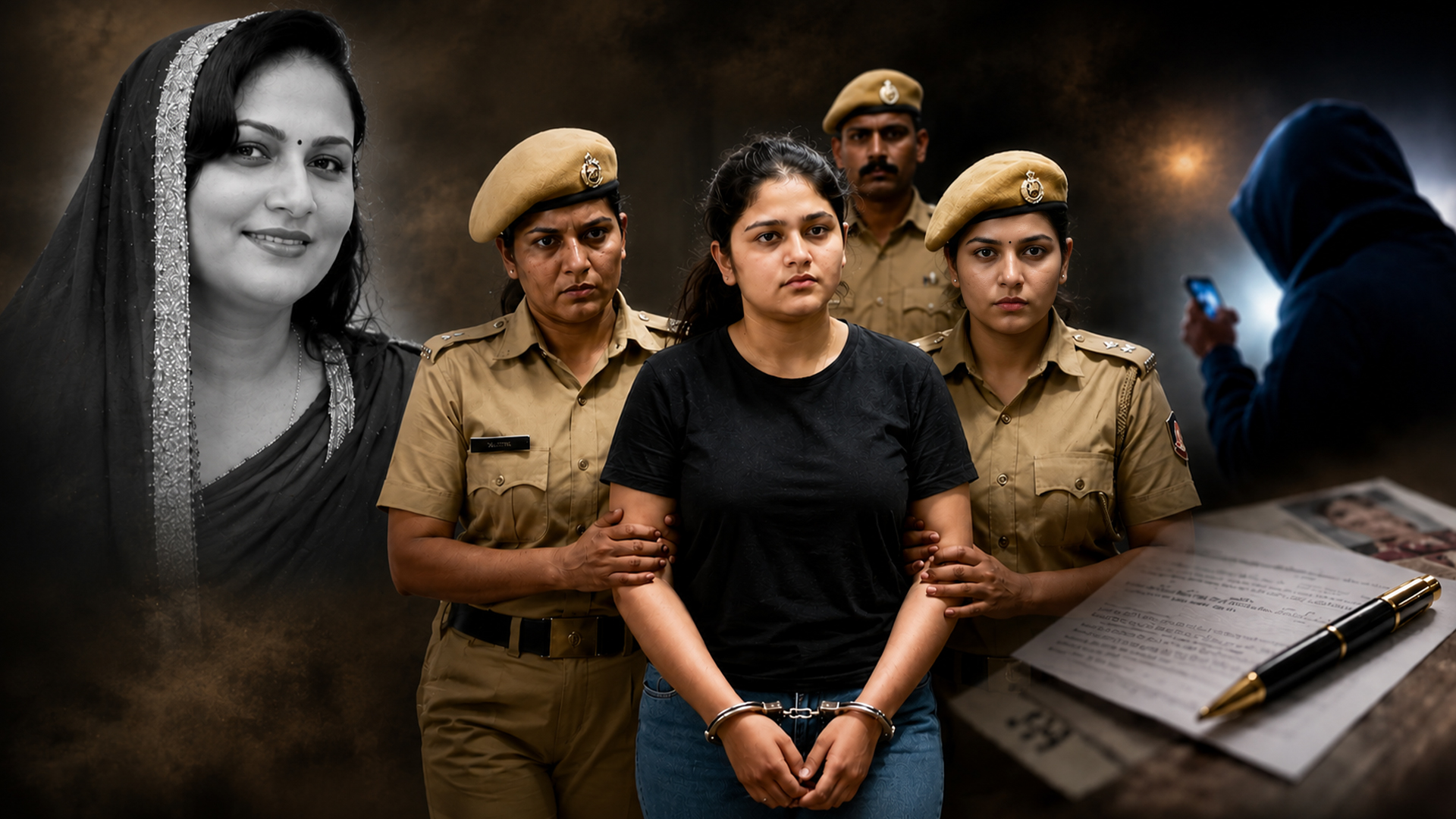
Jaipur law student held in mother’s murder case
A Jaipur law student arrested for allegedly murdering her mother to secure a government job is now facing fresh allegations. Her uncle has claimed she may also have been involved in her father’s earlier death. Police are investigating both claims.

Anthony Hopkins makes music debut at 88
Oscar-winning actor Anthony Hopkins has released his first official music single at the age of 88, fulfilling a lifelong dream. The veteran star, who has composed music for decades, described the release as a deeply personal milestone in his remarkable creative journey.

Man held for 6 murders in Telangana
A man was arrested in Telangana after allegedly killing six people, including his wife, two children and a minor POCSO case survivor. Police are investigating the motive behind the shocking crime, which has sent shockwaves across Hyderabad and surrounding areas.

ED raids firm of Shekhar Suman’s associate
The Enforcement Directorate (ED) raided premises linked to Kalanee Impex, a company run by Dharmesh Sangani, an associate of actor Shekhar Suman, as part of a FEMA investigation into alleged undisclosed foreign assets and financial transactions. No arrests have been reported.
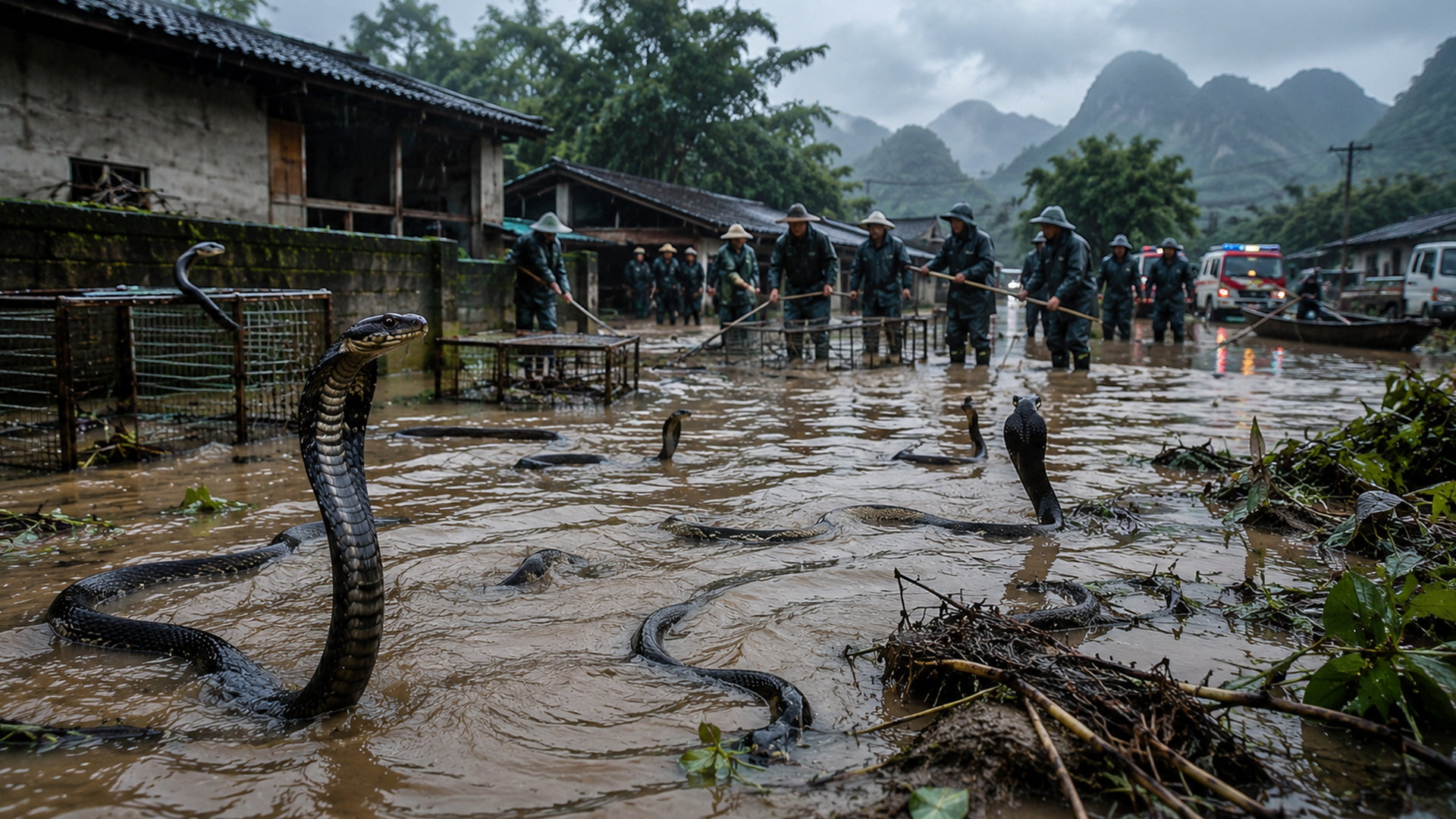
Nearly 900 snakes escape China farms
Nearly 900 snakes escaped from breeding farms after severe flooding in southern China, prompting safety warnings for residents. Authorities have launched search operations as several people reportedly suffered snakebites, with officials urging the public to avoid flooded areas.
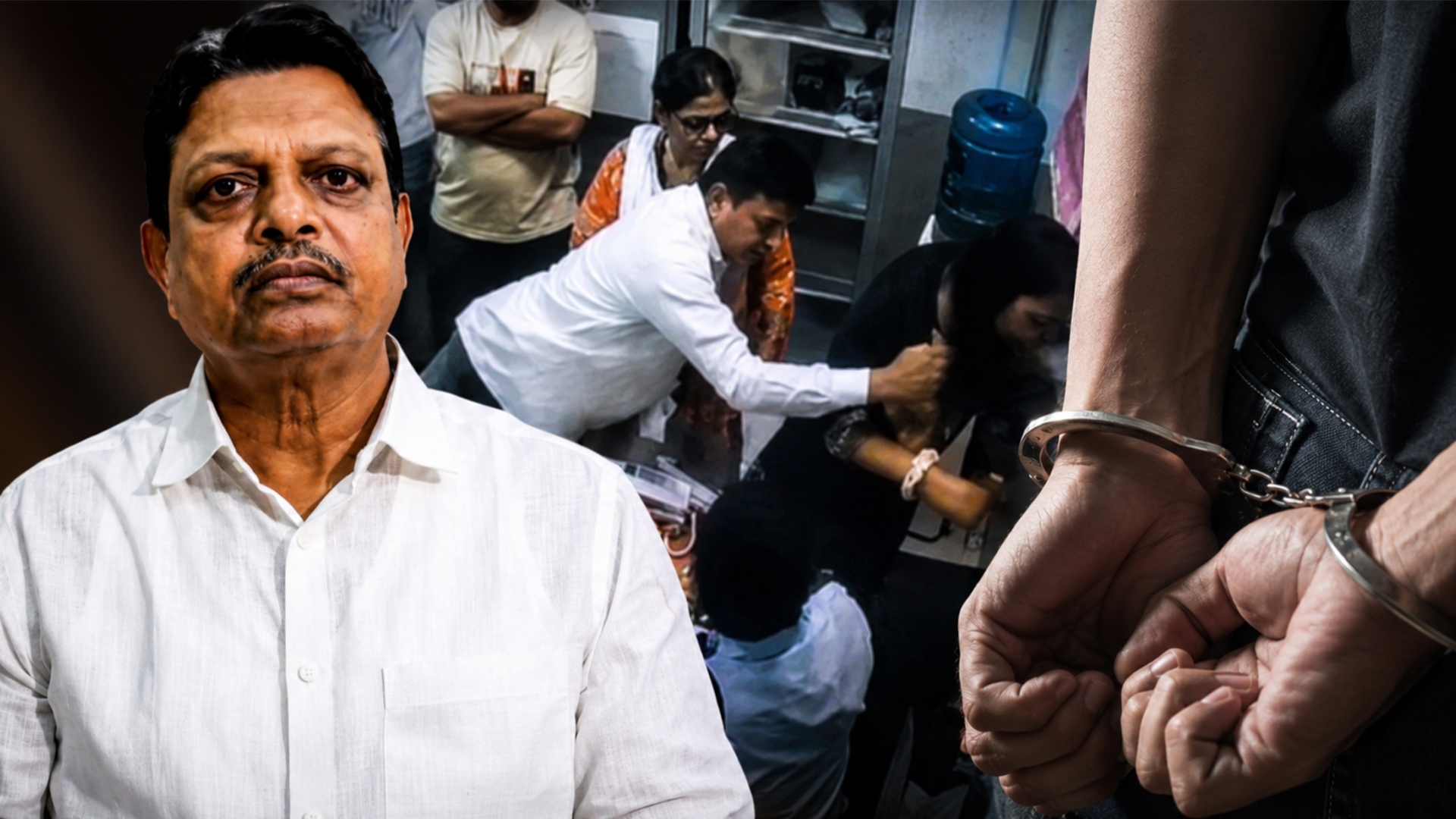
Shiv Sena Corporator to appear in Thane court
Arrested Shiv Sena corporator Ramesh Mhatre has been discharged from hospital and will be produced before a Thane court in the doctor assault case. He was arrested after allegedly attacking a doctor at a Dombivli hospital.

Indian techie held in US for wife’s murder
Avinash Narne, an Indian software engineer has been arrested in the US for allegedly murdering his wife in Washington state. Police claim he later sent a photograph of her body to his girlfriend in India. The accused has been charged with first-degree murder.
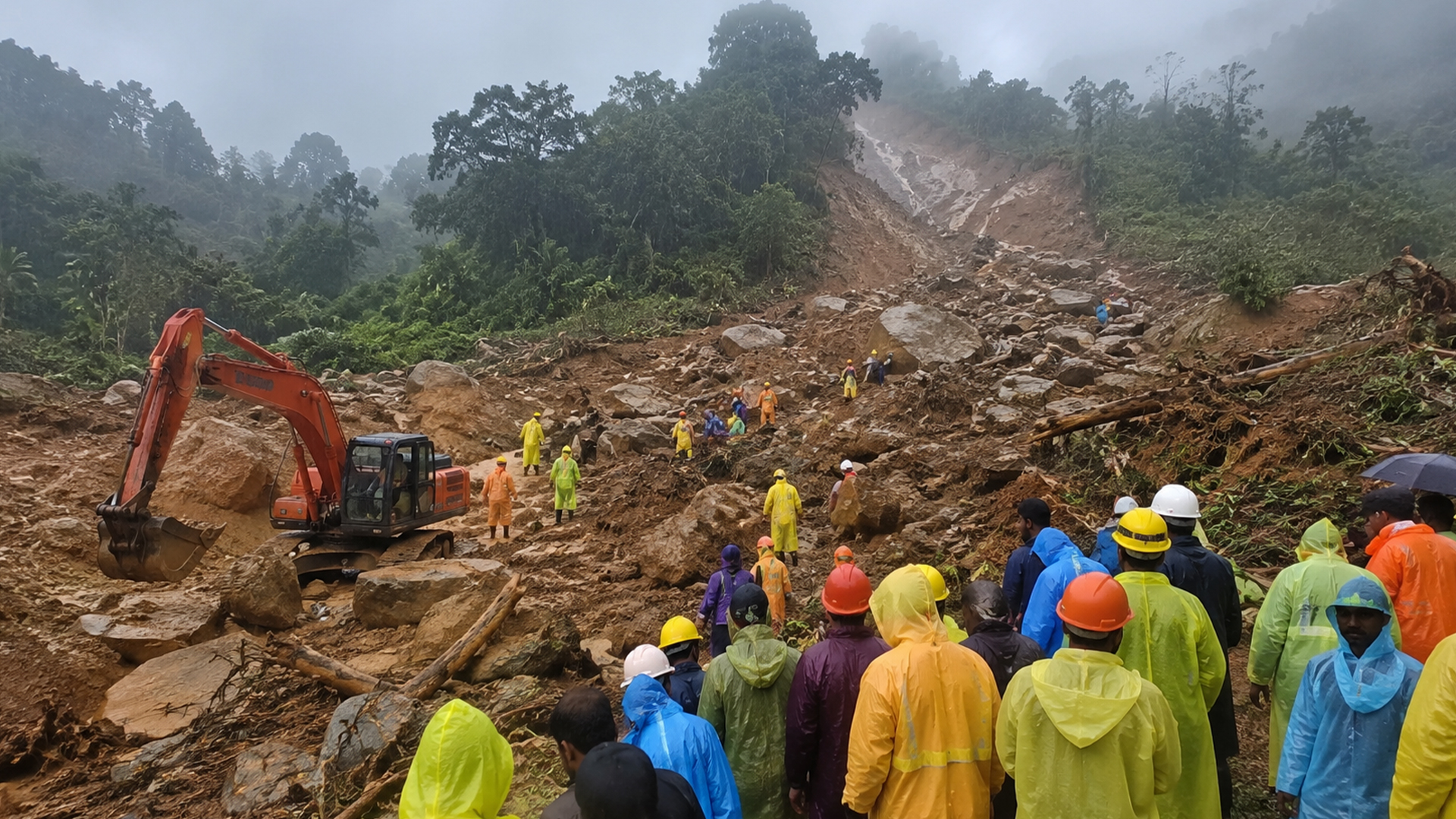
Wayanad landslide death toll climbs to six
The death toll in the Wayanad landslide has risen to six after rescuers recovered three more bodies on Thursday. Search operations are continuing amid difficult terrain, with authorities deploying multiple teams to locate any remaining missing persons and assist affected families.

Pakistan cargo plane crashes into Arabian Sea
A Pakistani K2 Airways cargo plane crashed into the Arabian Sea shortly after taking off from Karachi. Wreckage has been recovered, while rescue teams continue searching for the missing crew. Authorities have launched an investigation to determine the cause of the crash.
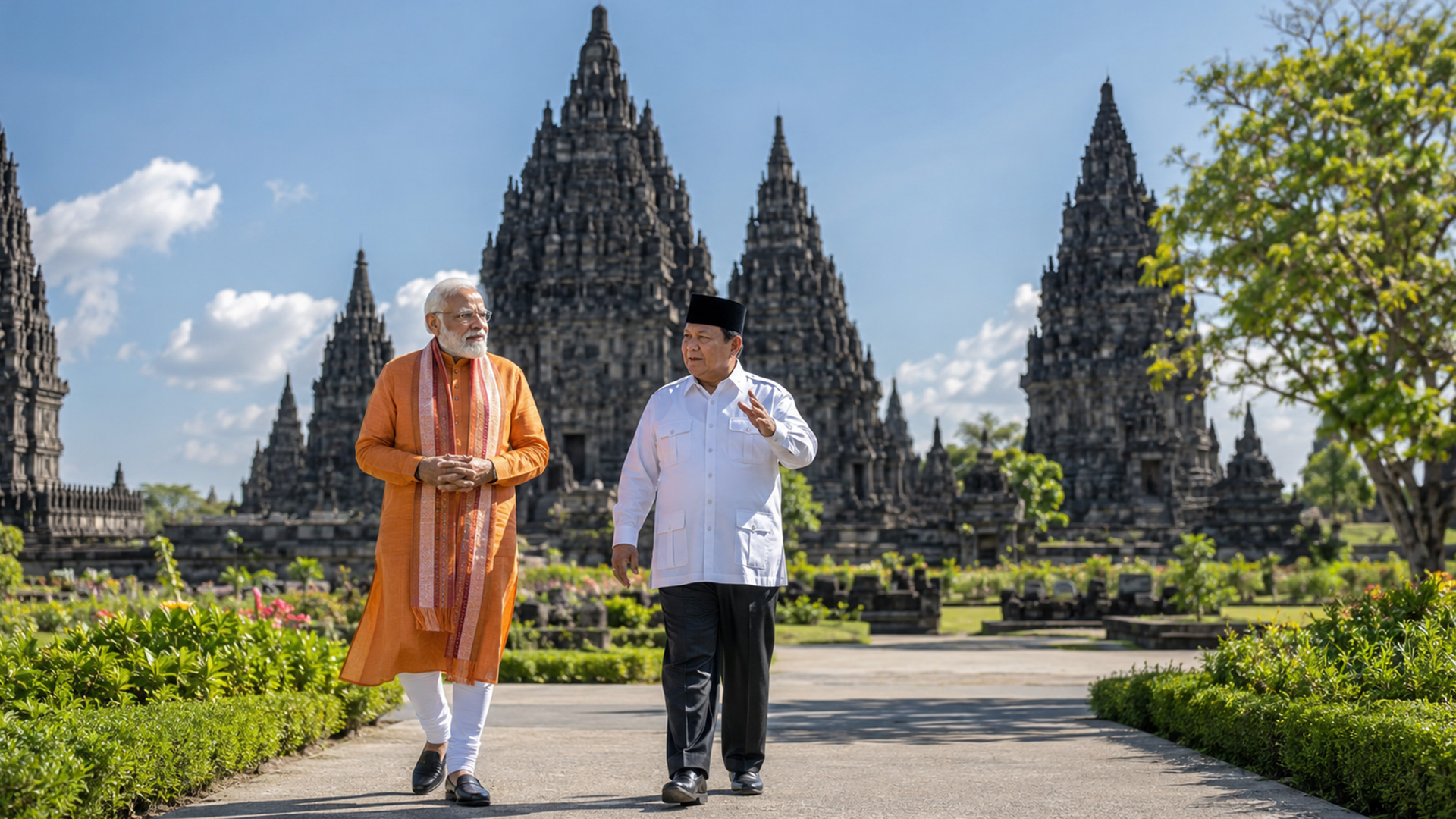
PM Modi prays at Indonesia’s Prambanan temple
Prime Minister Narendra Modi offered prayers at Indonesia’s historic Prambanan Temple alongside President Prabowo Subianto. The leaders also launched a joint conservation project, highlighting their shared commitment to preserving cultural heritage while strengthening the longstanding friendship between India and Indonesia.
About This Category
The Format Is the Editorial Argument
The name of this publication is The Summary. This section is where that philosophy is most directly expressed. The Summaries are not abbreviated versions of longer articles. They are complete pieces of journalism — reported, edited, and published at a length that respects both the story and the reader's time. The decision to keep them short is not a constraint. It is a position: that most news can be communicated clearly in 150 words, and that padding it to 600 words rarely improves it.
The editorial discipline required to produce a good summary is different from, and in some ways harder than, writing at length. Every sentence has to do real work. Nothing survives that doesn't belong there.
What Ends Up Here
The range is genuinely broad — and deliberately so. On any given day, The Summaries might carry a Karnataka cabinet resignation, a hospital fire in Bihar, a CBSE policy recommendation, a Kerala toddler death that has triggered public outrage, and a Cockroach Janta Party founder's plans to protest at Jantar Mantar. These are not thematically related stories. They are simply the news, treated with consistent brevity.
That breadth is the point. A reader who follows The Summaries doesn't need to choose a category to monitor. National politics, health research, civic tragedies, civil society, lifestyle news — it all comes through this section at a pace that doesn't require hours of reading to stay current.
The Judgment That Goes Into 150 Words
Selection is where the editorial work happens. Not everything becomes a Summary. Stories make it here when the core fact is clear, the significance is demonstrable, and the full picture can be honestly conveyed at short length without stripping context that the reader actually needs. A story like the Muzaffarpur hospital fire — four lives lost, a state inquiry ordered, families to be compensated — can be told completely in under two minutes. Stretching it doesn't add information; it adds length.
Some stories don't work as summaries because the context is too dense to compress responsibly. Those go elsewhere on the site. The Summaries is not a catchall; it's a format with specific requirements, and not every story meets them.
A Different Kind of Archive
Over time, The Summaries has become a reliable daily record of what happened in India and across the world — told concisely, sourced from official announcements and credible reporting, and published without the delay that often accompanies longer-form analysis. Readers who have followed the section consistently say it functions as a news briefing they can consume in a single sitting. That is more or less exactly what it was designed to do.
Frequently Asked Questions
Q1. What is The Summaries format and how is it different from other sections?
The Summaries are short, complete news pieces — typically under 150 words — covering a single event or development clearly and accurately. Unlike the full-length articles in sections like National, Business, or Health, these are written to be read in under a minute. The format is intentional: the goal is to report the news completely, not briefly for brevity's sake.
Q2. Does The Summaries cover all topics or only specific beats?
All topics. A single scroll through The Summaries on any given day might include political news, health research, a civic disaster, an education policy decision, and a human interest story. The connective thread is the format, not the subject. Readers who want to stay across multiple beats without tracking several sections will find everything here.
Q3. Are The Summaries just shortened versions of longer articles on the site?
No. They are standalone pieces written specifically for this format. Occasionally, a major developing story will have both a full article and a Summary — but they are written separately, for different purposes. The Summary version is complete on its own terms, not a teaser or a preview of something longer.
Q4. How does The Summary decide what becomes a Summary versus a full article?
If a story can be told accurately and completely at short length without stripping essential context, it's a candidate for The Summaries. If the background, timeline, or stakeholder complexity genuinely requires more room, it gets a full article. The test is whether the reader comes away informed — not whether the piece meets a word count.
Q5. How often is The Summaries section updated?
Throughout the day as news develops. There is no fixed publishing schedule — stories are published when they are ready. Readers who check in once or twice daily will typically find several new pieces each visit. The pace reflects the news cycle, not a content calendar.
Q6. Is The Summaries a good starting point for readers new to the site?
It is probably the most efficient way to understand the full scope of what The Summary covers. Because the section spans every beat — politics, business, health, lifestyle, science, national, world news — a few minutes in The Summaries gives a reader a clearer picture of the publication's range than browsing any single category section would.