
The Summaries

Mahadev betting app founder held in Oman
Fugitive Mahadev betting app founder Sourabh Chandrakar has been detained in Oman following an Interpol Red Notice. Indian authorities have initiated extradition proceedings to bring him back in connection with the alleged ₹6,000-crore online betting and money laundering case. His return is expected to aid the ongoing investigation.

Pakistan searches for missing cargo plane
Pakistan has launched a search operation after a Boeing cargo aircraft carrying five crew members went missing over the Arabian Sea while flying to Karachi. Naval and air rescue teams are scanning the area after the plane reportedly lost contact with air traffic control.
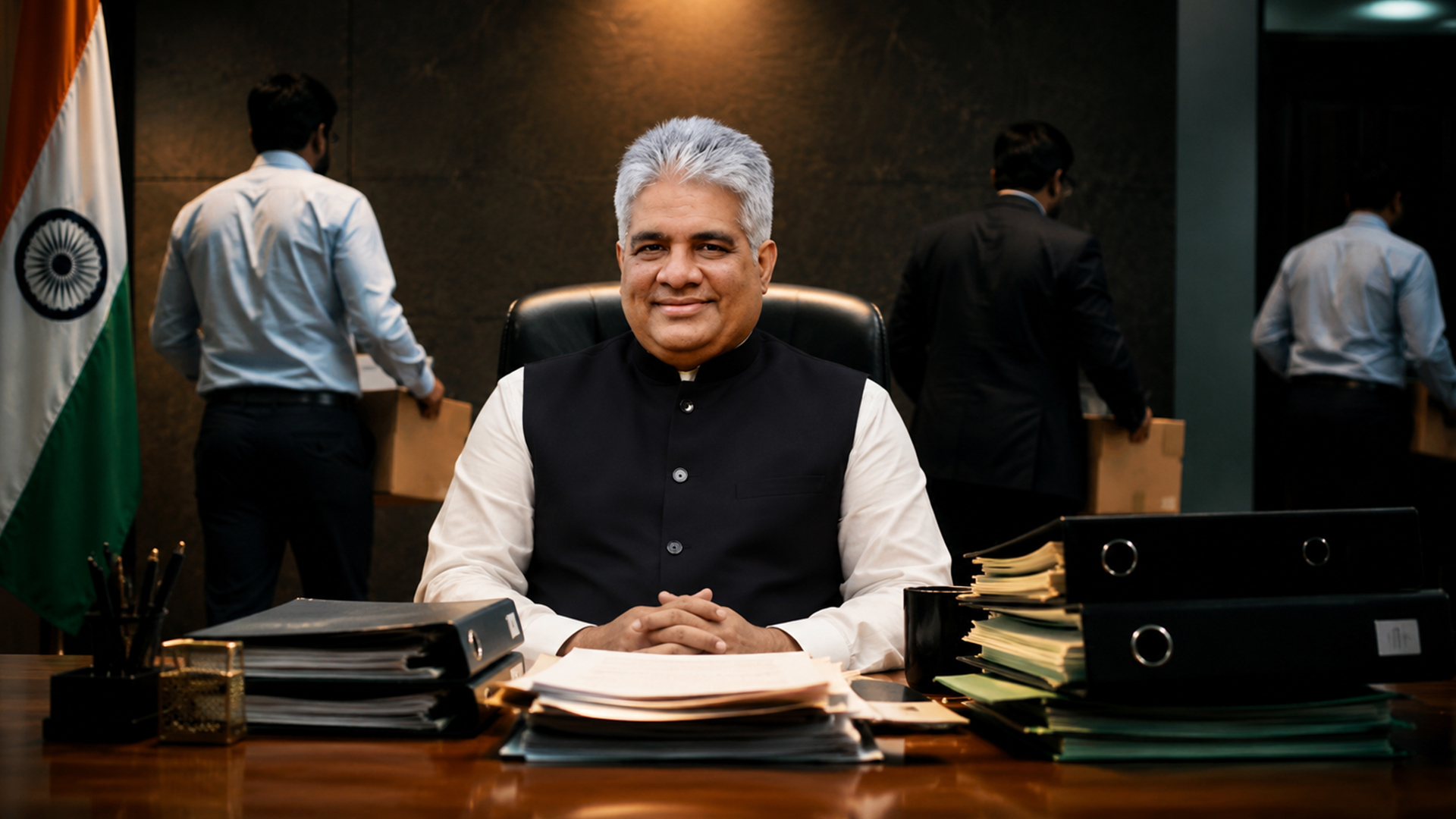
Environment Ministry removes three top aides
The Environment Ministry has removed three senior aides, including the private secretary and two additional private secretaries, from Union Minister Bhupender Yadav’s office. Officials described the move as an administrative reshuffle aimed at improving the ministry’s overall functioning.

2,000-year-old ring reveals India-Thailand links
Archaeologists have unearthed a 2,000-year-old gold ring bearing an ancient Brahmi inscription at Thailand’s Don Yai Thong site, offering fresh evidence of early trade and cultural links with India. The discovery suggests Indian traders or settlers reached Southeast Asia nearly two millennia ago.

Cuba was hit by nationwide power outage
Millions of Cubans were left without electricity after the country’s national power grid suddenly collapsed, triggering a nationwide blackout. Authorities are investigating the cause while emergency teams work to restore supply. The outage has further deepened Cuba’s ongoing energy crisis, already strained by ageing infrastructure and fuel shortages.

Nida Khan gets bail in TCS Nashik case
A sessions court granted bail to Nida Khan in the TCS-linked BPO sexual harassment and alleged religious conversion case. However, the court denied bail to co-accused Danish Shaikh. The Special Investigation Team continues its investigation into multiple FIRs.
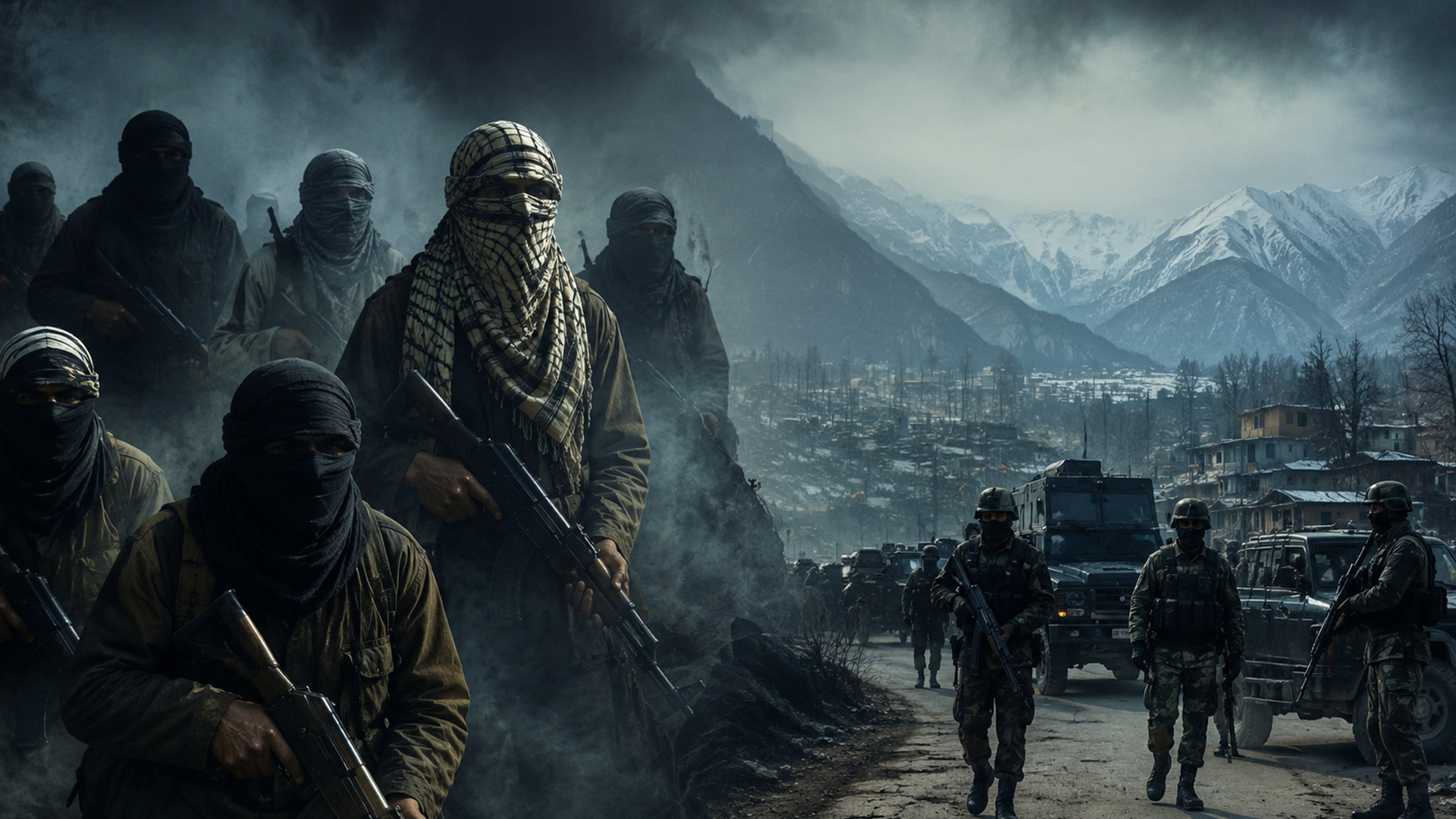
UAPA tags 23 Pakistan operatives
The Centre has designated 23 Pakistan-based operatives linked to Jaish-e-Mohammed, Lashkar-e-Taiba and Hizbul Mujahideen as terrorists under the UAPA. The move aims to tighten action against cross-border terrorism, disrupt terror financing and strengthen India’s efforts to curb anti-national activities.

Akshay Kumar sells four Mumbai flats for ₹20 cr
Akshay Kumar has sold four apartments in Mumbai’s Borivali East for nearly ₹20 crore, earning an estimated ₹7 crore profit. Property documents show the actor benefited from rising real estate prices after holding the homes for several years.

Empire State Building stunt lands couple in court
A couple has been charged after allegedly climbing New York’s Empire State Building without permission. Prosecutors said the stunt endangered lives and emergency responders. The pair pleaded not guilty, while authorities continue investigating whether the climb was intended for social media publicity.

Venezuela puppy rescued after 5 days under rubble
A puppy trapped beneath earthquake debris in Venezuela for five days was rescued alive, delighting rescuers and onlookers. The dog’s emotional reaction quickly went viral, offering a rare moment of hope amid the devastation caused by the powerful quake.

Thane electrocution kills 17-year-old girl
A 17-year-old girl died after suffering an electric shock while walking through floodwater in Thane during heavy rain. Her family blamed exposed underground cables, while authorities launched an investigation to determine whether negligence led to the tragic incident.
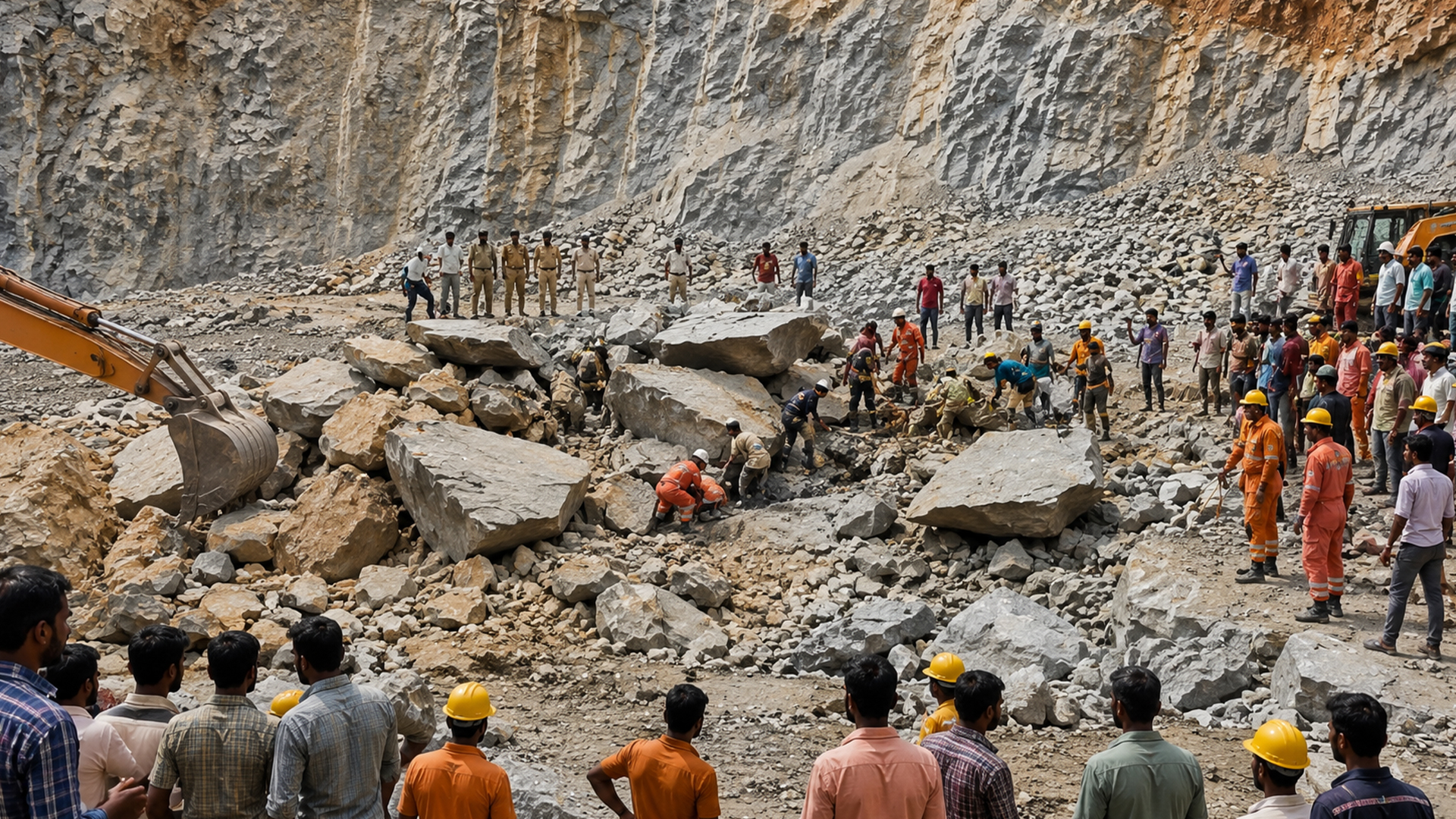
7 killed in Bengaluru stone quarry collapse tragedy
At least seven workers were killed after a massive boulder collapsed at a stone quarry on Bengaluru’s outskirts. Rescue teams are continuing operations as authorities fear more people may still be trapped beneath the debris.
About This Category
The Format Is the Editorial Argument
The name of this publication is The Summary. This section is where that philosophy is most directly expressed. The Summaries are not abbreviated versions of longer articles. They are complete pieces of journalism — reported, edited, and published at a length that respects both the story and the reader's time. The decision to keep them short is not a constraint. It is a position: that most news can be communicated clearly in 150 words, and that padding it to 600 words rarely improves it.
The editorial discipline required to produce a good summary is different from, and in some ways harder than, writing at length. Every sentence has to do real work. Nothing survives that doesn't belong there.
What Ends Up Here
The range is genuinely broad — and deliberately so. On any given day, The Summaries might carry a Karnataka cabinet resignation, a hospital fire in Bihar, a CBSE policy recommendation, a Kerala toddler death that has triggered public outrage, and a Cockroach Janta Party founder's plans to protest at Jantar Mantar. These are not thematically related stories. They are simply the news, treated with consistent brevity.
That breadth is the point. A reader who follows The Summaries doesn't need to choose a category to monitor. National politics, health research, civic tragedies, civil society, lifestyle news — it all comes through this section at a pace that doesn't require hours of reading to stay current.
The Judgment That Goes Into 150 Words
Selection is where the editorial work happens. Not everything becomes a Summary. Stories make it here when the core fact is clear, the significance is demonstrable, and the full picture can be honestly conveyed at short length without stripping context that the reader actually needs. A story like the Muzaffarpur hospital fire — four lives lost, a state inquiry ordered, families to be compensated — can be told completely in under two minutes. Stretching it doesn't add information; it adds length.
Some stories don't work as summaries because the context is too dense to compress responsibly. Those go elsewhere on the site. The Summaries is not a catchall; it's a format with specific requirements, and not every story meets them.
A Different Kind of Archive
Over time, The Summaries has become a reliable daily record of what happened in India and across the world — told concisely, sourced from official announcements and credible reporting, and published without the delay that often accompanies longer-form analysis. Readers who have followed the section consistently say it functions as a news briefing they can consume in a single sitting. That is more or less exactly what it was designed to do.
Frequently Asked Questions
Q1. What is The Summaries format and how is it different from other sections?
The Summaries are short, complete news pieces — typically under 150 words — covering a single event or development clearly and accurately. Unlike the full-length articles in sections like National, Business, or Health, these are written to be read in under a minute. The format is intentional: the goal is to report the news completely, not briefly for brevity's sake.
Q2. Does The Summaries cover all topics or only specific beats?
All topics. A single scroll through The Summaries on any given day might include political news, health research, a civic disaster, an education policy decision, and a human interest story. The connective thread is the format, not the subject. Readers who want to stay across multiple beats without tracking several sections will find everything here.
Q3. Are The Summaries just shortened versions of longer articles on the site?
No. They are standalone pieces written specifically for this format. Occasionally, a major developing story will have both a full article and a Summary — but they are written separately, for different purposes. The Summary version is complete on its own terms, not a teaser or a preview of something longer.
Q4. How does The Summary decide what becomes a Summary versus a full article?
If a story can be told accurately and completely at short length without stripping essential context, it's a candidate for The Summaries. If the background, timeline, or stakeholder complexity genuinely requires more room, it gets a full article. The test is whether the reader comes away informed — not whether the piece meets a word count.
Q5. How often is The Summaries section updated?
Throughout the day as news develops. There is no fixed publishing schedule — stories are published when they are ready. Readers who check in once or twice daily will typically find several new pieces each visit. The pace reflects the news cycle, not a content calendar.
Q6. Is The Summaries a good starting point for readers new to the site?
It is probably the most efficient way to understand the full scope of what The Summary covers. Because the section spans every beat — politics, business, health, lifestyle, science, national, world news — a few minutes in The Summaries gives a reader a clearer picture of the publication's range than browsing any single category section would.