
The Summaries
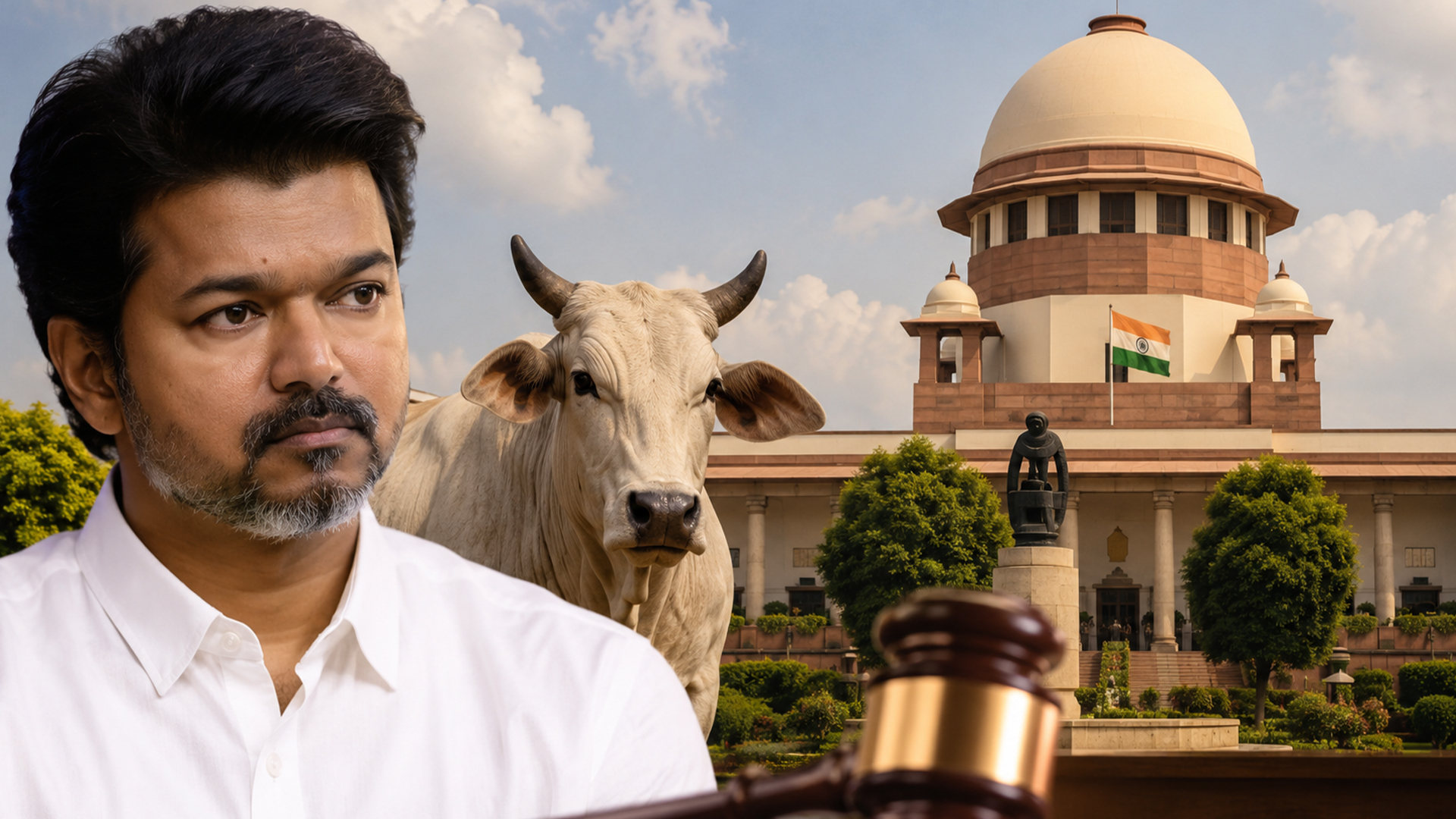
CM Vijay moves SC over cow slaughter ban
CM Vijay has moved the Supreme Court against a Madras High Court order imposing a blanket ban on cow slaughter. The state argued the ruling exceeds the provisions of the Tamil Nadu Animal Preservation Act, 1958, and has sought a stay.
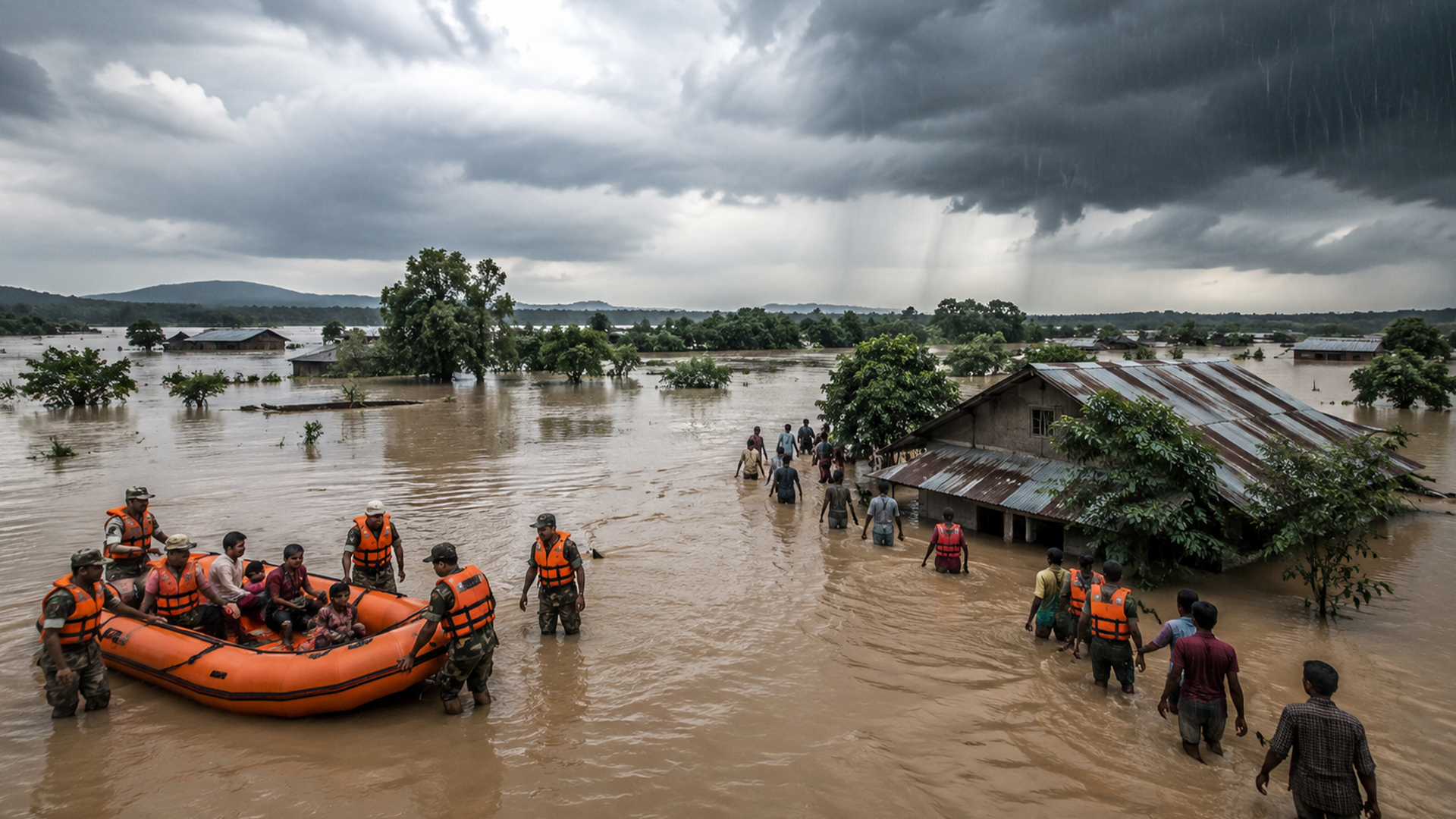
Centre assures aid as Assam battles flood, El Niño
The Centre has assured full support to Assam as floods continue to affect nearly 50,000 people across four districts. Officials also flagged a potential El Niño risk in 12 districts, prompting closer monitoring and preparedness measures to minimise the impact of extreme weather.
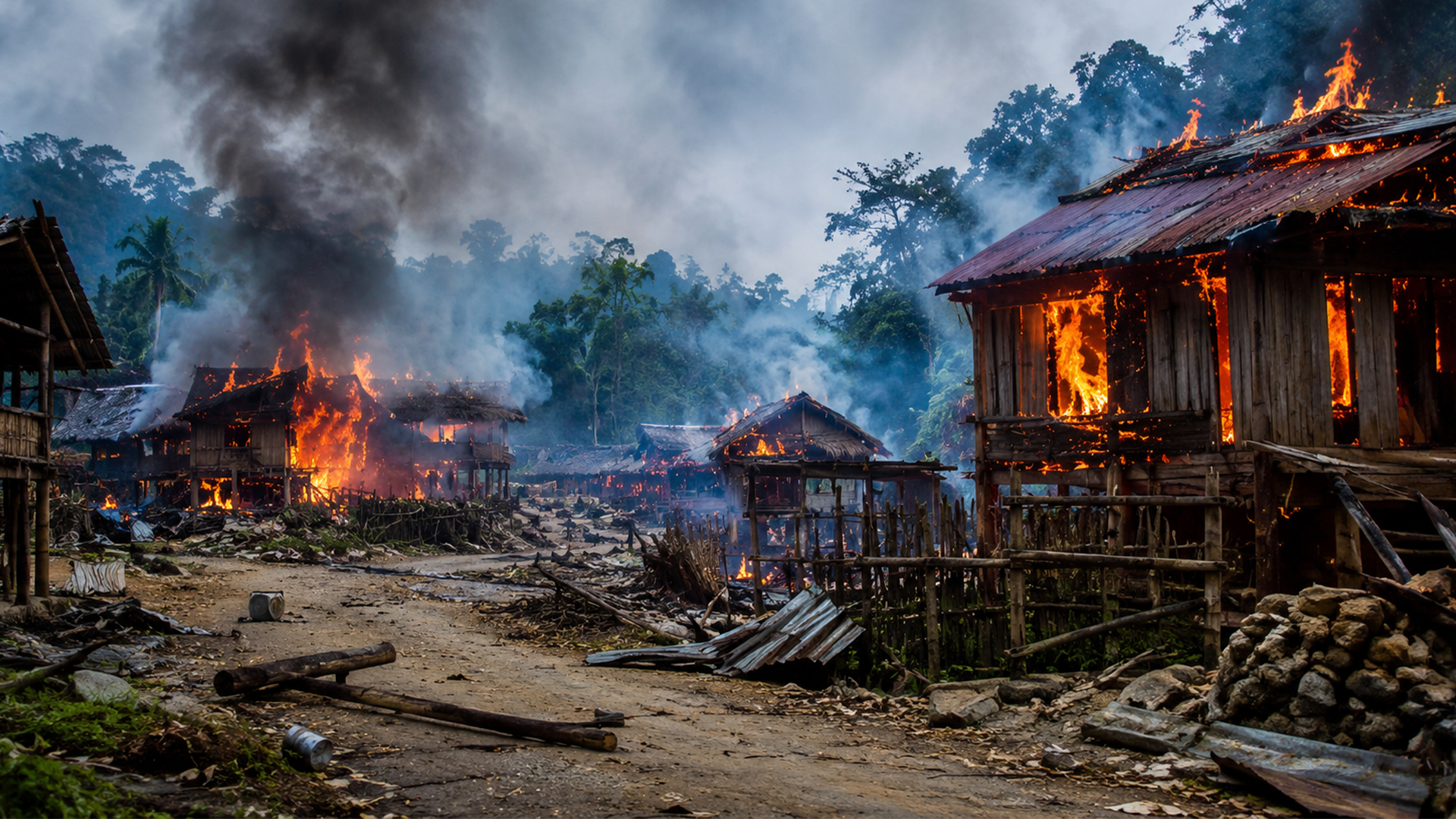
Fresh violence flares In Manipur border
Fresh violence erupted in Manipur’s Kamjong district after several houses were set ablaze in villages along the Indo-Myanmar border. Kuki and Naga groups blamed each other for the attacks, while security forces intensified deployment to restore peace and prevent further escalation.
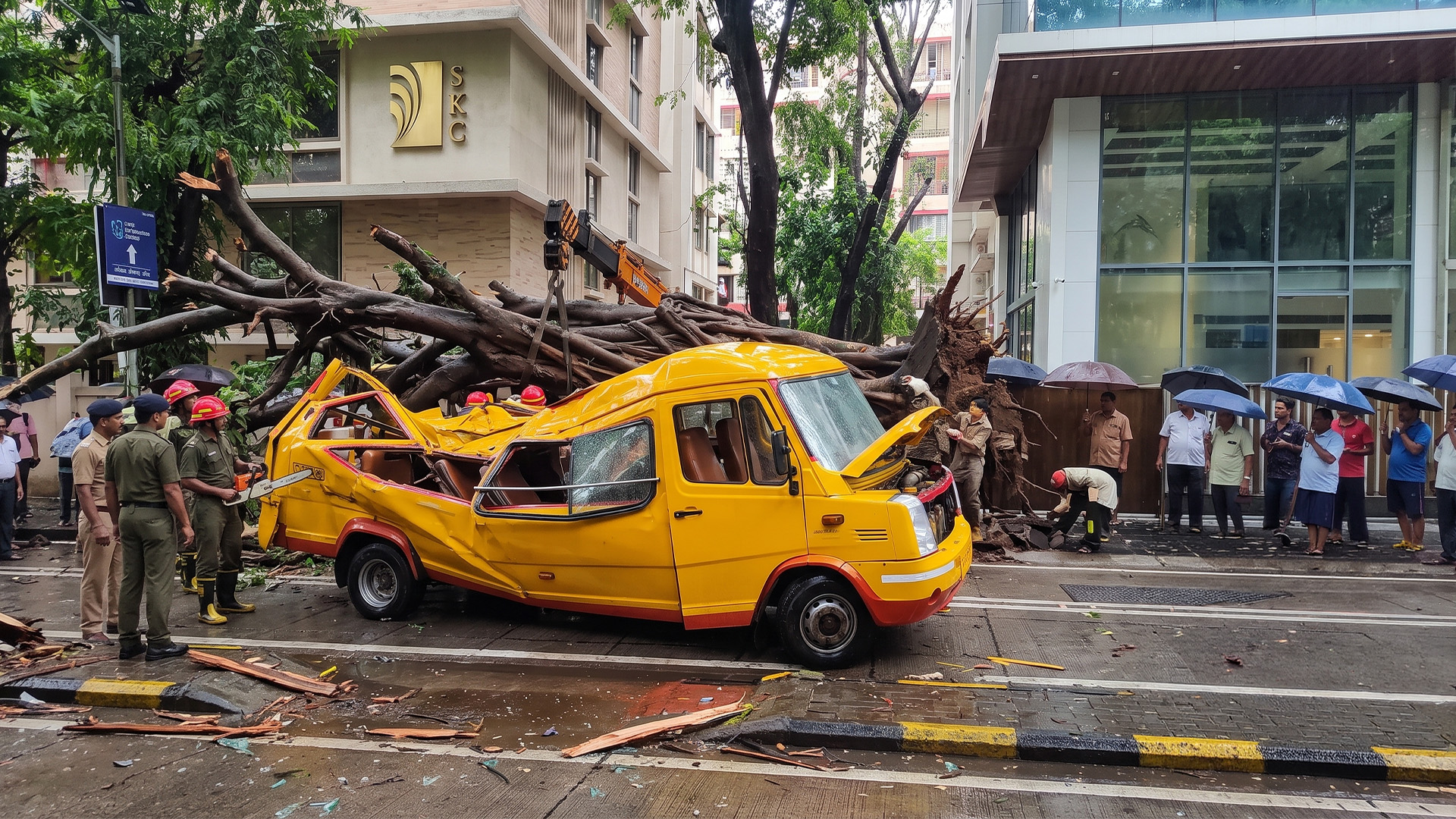
Tree falls on school bus in Chembur, 1 student dies
A student died and several others were injured after a tree fell on a school bus in Mumbai’s Chembur during heavy rain and winds. Rescue teams rushed victims to hospital, while authorities began removing weakened trees and investigating safety lapses.

Meghalaya HC upholds Sonam Raghuvanshi’s bail order
The Meghalaya High Court has refused to cancel the bail granted to Sonam Raghuvanshi, accused in the Raja Raghuvanshi murder case. Dismissing the State government’s appeal, the court upheld the earlier order, allowing her to remain on bail pending trial.
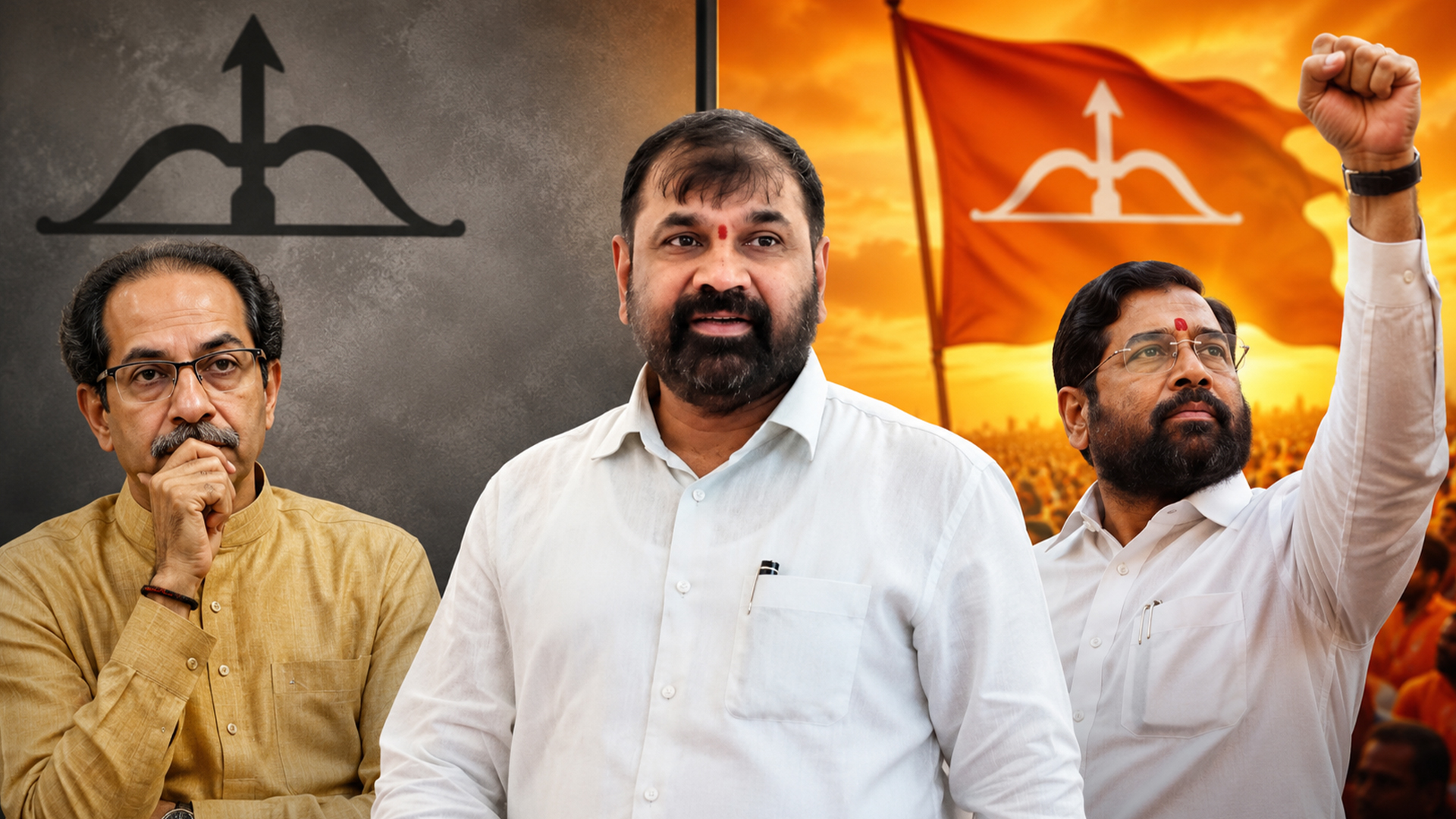
Sachin Ahir quits UBT, joins Shinde-led Shiv Sena
Former Maharashtra minister Sachin Ahir quit Shiv Sena (Uddhav Balasaheb Thackeray) and joined Shiv Sena led by Eknath Shinde. His move, ahead of the Legislative Council Deputy Chairman election, is seen as a political boost for the ruling alliance.

Six killed in Germany welfare centre shooting
Six people were killed in a shooting at a youth welfare centre in Stade, northern Germany. Police said the suspected gunman was among the dead. Authorities have launched an investigation to determine the motive, while officials described the incident as one of the region’s deadliest recent attacks.

Pune court orders death penalty for child’s killer
A Pune sessions court has sentenced 65‑year‑old Bhimrao Kamble to death for the rape and murder of a three‑and‑a‑half‑year‑old girl in Nasrapur, ruling the crime as “rarest of the rare.” The judgment, delivered on June 29, 2026, has drawn strong public and political support, with many hailing the swift trial as a step toward justice […]

Fresh wedding buzz around Anirudh and Kavya Maran
Rumours claiming music composer Anirudh Ravichander and Sunrisers Hyderabad CEO Kavya Maran are set to marry have gone viral. However, sources close to Kavya reportedly dismissed the claims as false. Neither Anirudh nor Kavya has issued an official statement.

2-year-old nears 63 US parks visit record
Two-year-old Indian-origin Aarya is set to become the youngest person to visit all 63 US national parks. Guided by her parents, she has explored nearly every park, inspiring families to embrace nature, travel and outdoor learning from an early age.

Holiday pool dive claims youth’s life
A 25-year-old man died after diving headfirst into a swimming pool at a resort in Maharashtra during a holiday with friends. CCTV footage showed him dancing before taking the dive. He suffered a severe head injury and was rushed to hospital, where he later died. Police have registered an accidental death case and are investigating […]
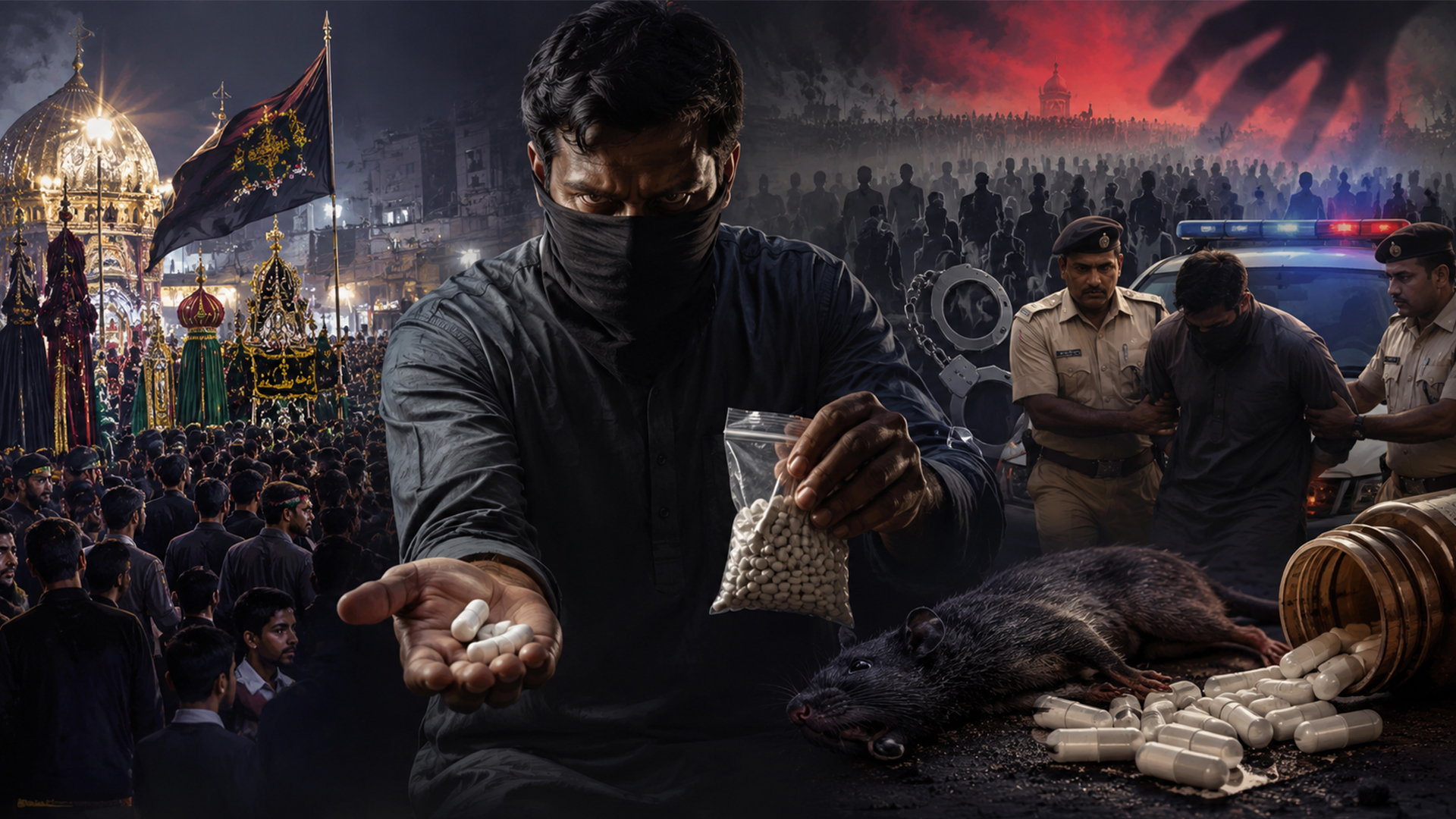
Mumbai police arrest man carrying suspected toxic pills
Mumbai Police arrested a man near a Muharram procession after he claimed he wanted to kill 15,000 people. Officers recovered toxic pills before any incident. The substance is being tested, and police have tightened security while further investigating his motive.
About This Category
The Format Is the Editorial Argument
The name of this publication is The Summary. This section is where that philosophy is most directly expressed. The Summaries are not abbreviated versions of longer articles. They are complete pieces of journalism — reported, edited, and published at a length that respects both the story and the reader's time. The decision to keep them short is not a constraint. It is a position: that most news can be communicated clearly in 150 words, and that padding it to 600 words rarely improves it.
The editorial discipline required to produce a good summary is different from, and in some ways harder than, writing at length. Every sentence has to do real work. Nothing survives that doesn't belong there.
What Ends Up Here
The range is genuinely broad — and deliberately so. On any given day, The Summaries might carry a Karnataka cabinet resignation, a hospital fire in Bihar, a CBSE policy recommendation, a Kerala toddler death that has triggered public outrage, and a Cockroach Janta Party founder's plans to protest at Jantar Mantar. These are not thematically related stories. They are simply the news, treated with consistent brevity.
That breadth is the point. A reader who follows The Summaries doesn't need to choose a category to monitor. National politics, health research, civic tragedies, civil society, lifestyle news — it all comes through this section at a pace that doesn't require hours of reading to stay current.
The Judgment That Goes Into 150 Words
Selection is where the editorial work happens. Not everything becomes a Summary. Stories make it here when the core fact is clear, the significance is demonstrable, and the full picture can be honestly conveyed at short length without stripping context that the reader actually needs. A story like the Muzaffarpur hospital fire — four lives lost, a state inquiry ordered, families to be compensated — can be told completely in under two minutes. Stretching it doesn't add information; it adds length.
Some stories don't work as summaries because the context is too dense to compress responsibly. Those go elsewhere on the site. The Summaries is not a catchall; it's a format with specific requirements, and not every story meets them.
A Different Kind of Archive
Over time, The Summaries has become a reliable daily record of what happened in India and across the world — told concisely, sourced from official announcements and credible reporting, and published without the delay that often accompanies longer-form analysis. Readers who have followed the section consistently say it functions as a news briefing they can consume in a single sitting. That is more or less exactly what it was designed to do.
Frequently Asked Questions
Q1. What is The Summaries format and how is it different from other sections?
The Summaries are short, complete news pieces — typically under 150 words — covering a single event or development clearly and accurately. Unlike the full-length articles in sections like National, Business, or Health, these are written to be read in under a minute. The format is intentional: the goal is to report the news completely, not briefly for brevity's sake.
Q2. Does The Summaries cover all topics or only specific beats?
All topics. A single scroll through The Summaries on any given day might include political news, health research, a civic disaster, an education policy decision, and a human interest story. The connective thread is the format, not the subject. Readers who want to stay across multiple beats without tracking several sections will find everything here.
Q3. Are The Summaries just shortened versions of longer articles on the site?
No. They are standalone pieces written specifically for this format. Occasionally, a major developing story will have both a full article and a Summary — but they are written separately, for different purposes. The Summary version is complete on its own terms, not a teaser or a preview of something longer.
Q4. How does The Summary decide what becomes a Summary versus a full article?
If a story can be told accurately and completely at short length without stripping essential context, it's a candidate for The Summaries. If the background, timeline, or stakeholder complexity genuinely requires more room, it gets a full article. The test is whether the reader comes away informed — not whether the piece meets a word count.
Q5. How often is The Summaries section updated?
Throughout the day as news develops. There is no fixed publishing schedule — stories are published when they are ready. Readers who check in once or twice daily will typically find several new pieces each visit. The pace reflects the news cycle, not a content calendar.
Q6. Is The Summaries a good starting point for readers new to the site?
It is probably the most efficient way to understand the full scope of what The Summary covers. Because the section spans every beat — politics, business, health, lifestyle, science, national, world news — a few minutes in The Summaries gives a reader a clearer picture of the publication's range than browsing any single category section would.