
The Summaries
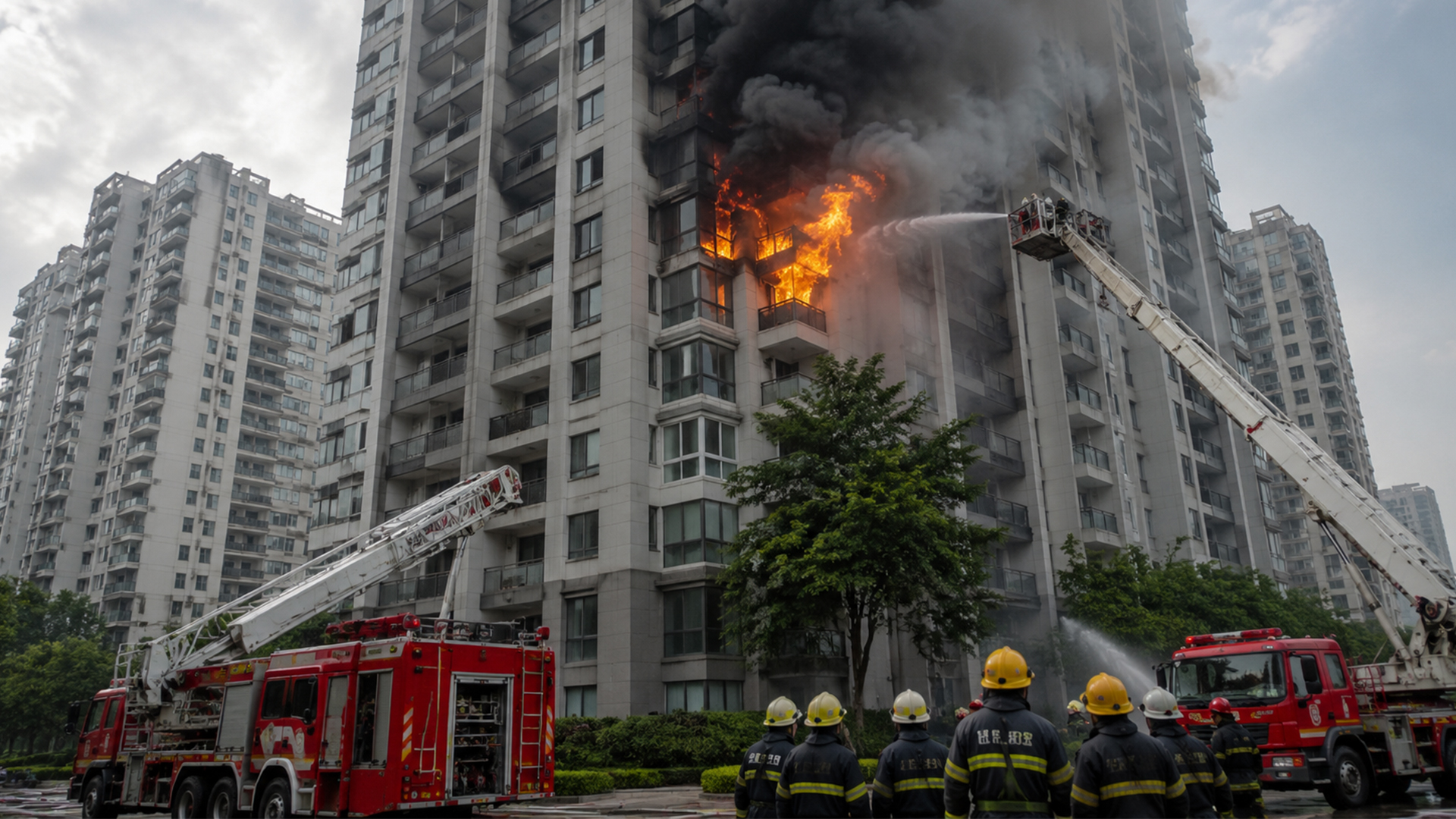
AC blast triggers fire at Noida residential tower
A fire broke out at a residential tower in Noida’s Sector 119 on Monday after a suspected air-conditioner compressor blast. The blaze spread through parts of the apartment before firefighters brought it under control. Residents were evacuated safely, and no injuries or casualties were reported. Authorities have launched an investigation into the exact cause of […]

Small plane hits Beijing’s CITIC Tower
A small aircraft crashed into Beijing’s 108-storey CITIC Tower on Thursday, triggering a fire and emergency response. Police sealed the area while rescue teams assessed the damage. Authorities have launched an investigation to determine the cause and confirm casualties.

PM Modi to meet world’s oldest animal
Prime Minister Narendra Modi will meet Jonathan, the world’s oldest living land animal, during his three-day Seychelles visit. The 194-year-old giant tortoise is a highlight of Modi’s itinerary, alongside bilateral talks and the island nation’s Golden Jubilee National Day celebrations.
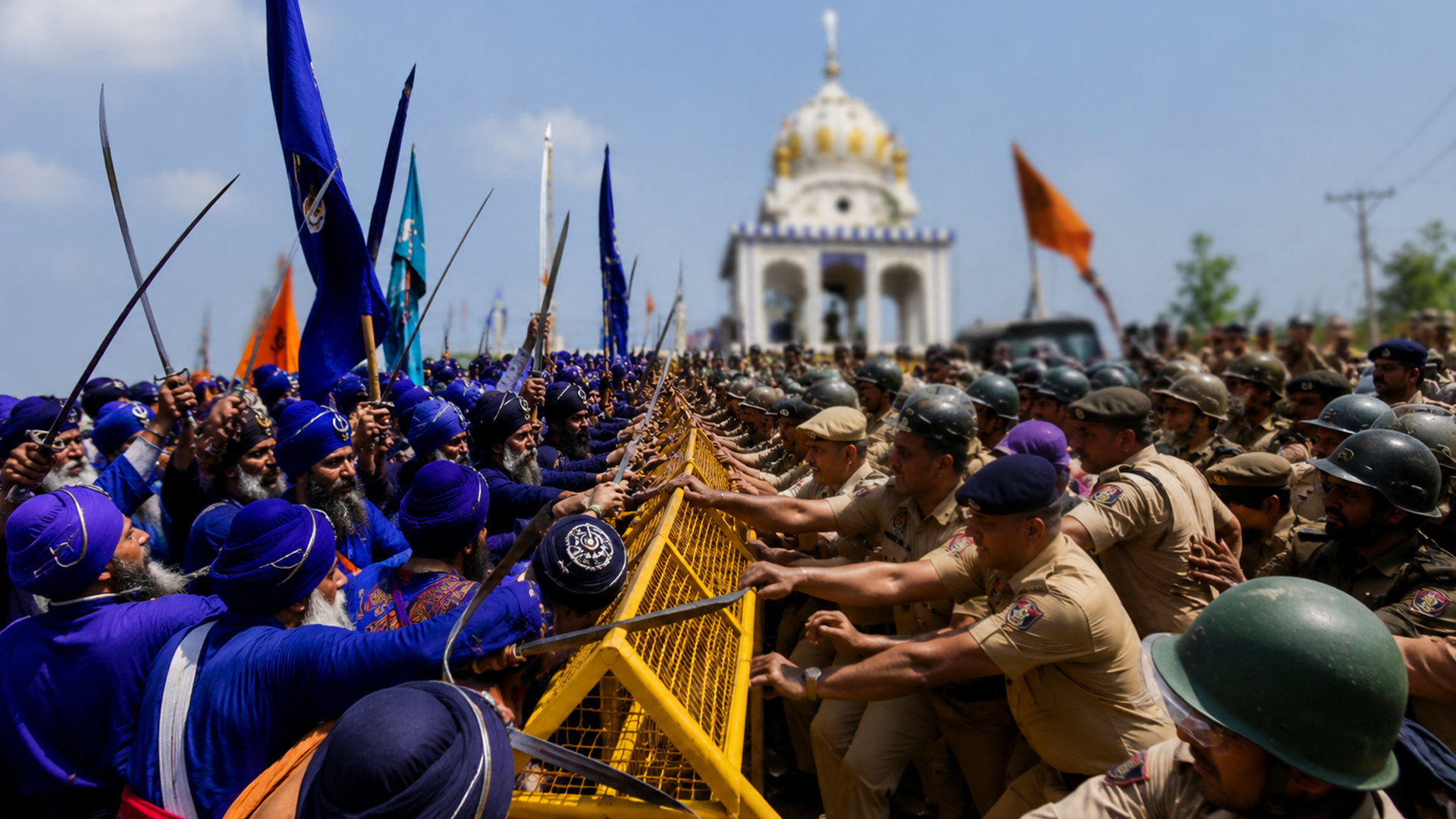
Nihang Sikhs breach barricades near Hemkund
The situation remained tense at the Uttarakhand border after a group of Nihang Sikhs breached police barricades while attempting to proceed towards Hemkund Sahib. Authorities stepped up security and urged pilgrims to follow the designated route, while holding talks with community leaders to resolve the standoff peacefully and ensure the safety of all devotees.

Europe swelters with record-breaking heatwave
Europe is facing intense heatwave, with several countries reporting soaring temperatures and humidity. Authorities have issued health warnings as hospitals come under pressure, wildfire risks rise and daily routines are disrupted. Scientists say climate change is making extremes more common.

Passport fees revised, new rates from July 1
The Centre has revised passport fees, with the new rates set to take effect from July 1, 2026. The increase will apply to fresh passports, renewals and Tatkal services. The Ministry of External Affairs said the revision is aimed at covering higher service costs, while the application process and required documents will remain unchanged for […]

Pakistan court sentences Mahrang Baloch to life
A Pakistani anti-terrorism court sentenced Baloch rights activist Mahrang Baloch to life imprisonment over charges linked to unrest and violence. The verdict has drawn criticism from human rights groups, while supporters insist she campaigned peacefully for missing persons and justice.
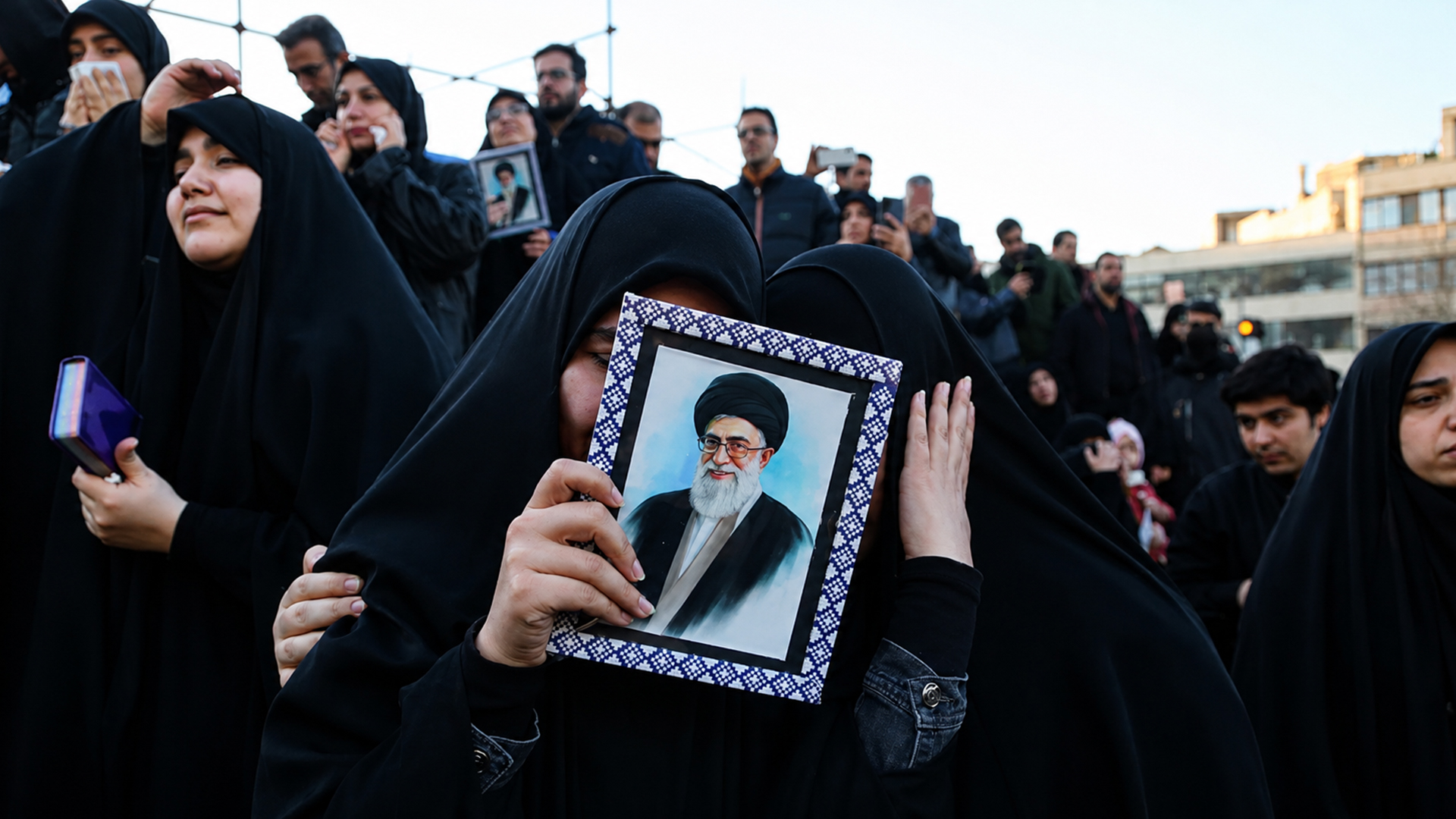
Iran invites Modi for Khamenei funeral ceremonies
Iran has invited Prime Minister Narendra Modi to attend late Supreme Leader Ayatollah Seyyed Ali Khamenei’s funeral and burial ceremonies, scheduled in July across Tehran, Qom and Mashhad, as India weighs sending a senior representative amid the leadership transition there.
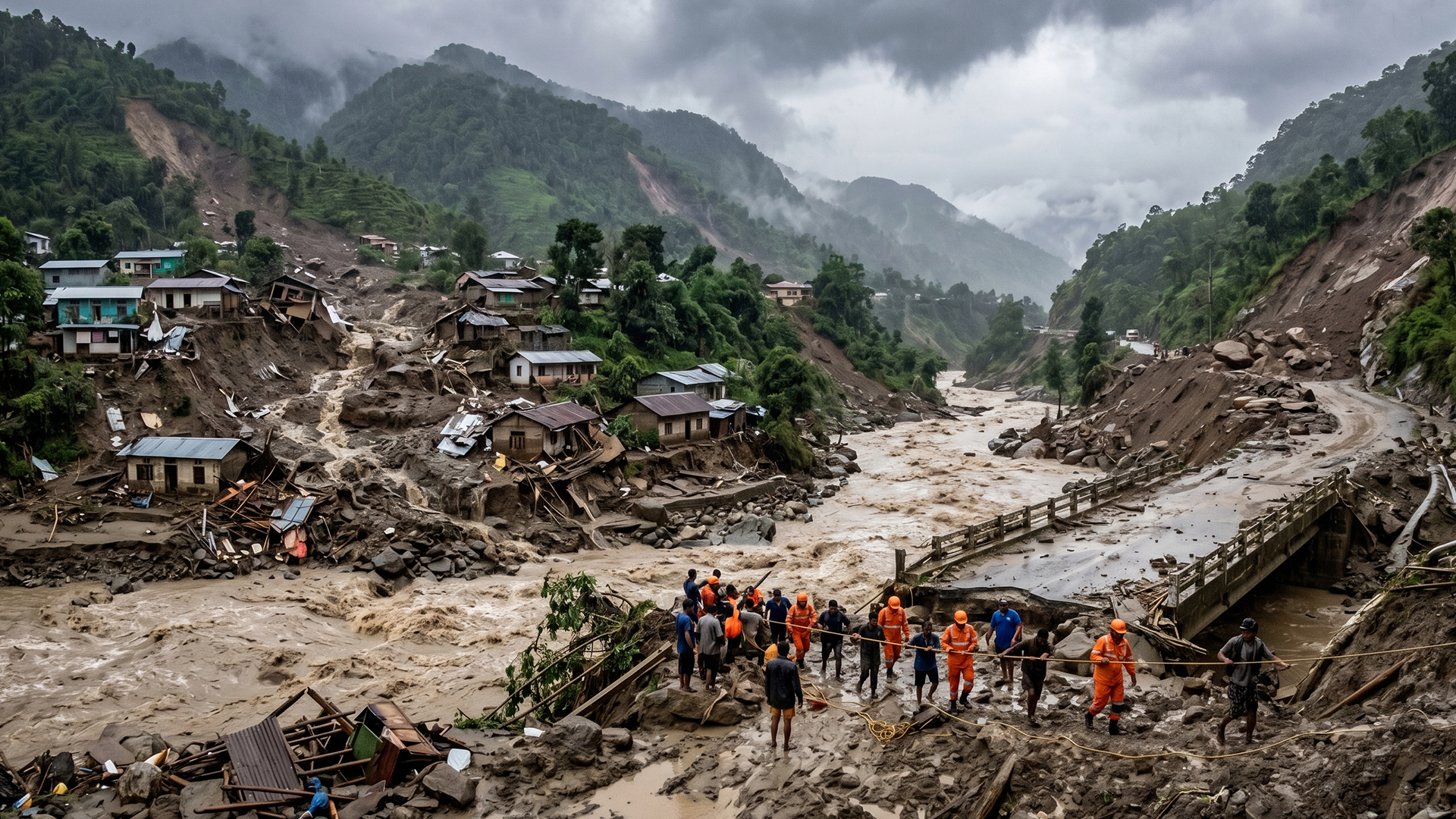
Arunachal floods leave trail of destruction
Torrential rain unleashed flash floods and landslides across Arunachal Pradesh, damaging homes, roads and a key bridge. Three people remain missing as rescue teams continue searches, while affected families struggle to rebuild amid worsening monsoon conditions.

Mumbai local train door dispute ends in killing
A routine train ride turned deadly for 22-year-old Mayank Lohar, who was stabbed after a dispute over shutting a coach door during heavy rain on a Mumbai local. Police swiftly arrested the accused, bringing quick action in the shocking case.
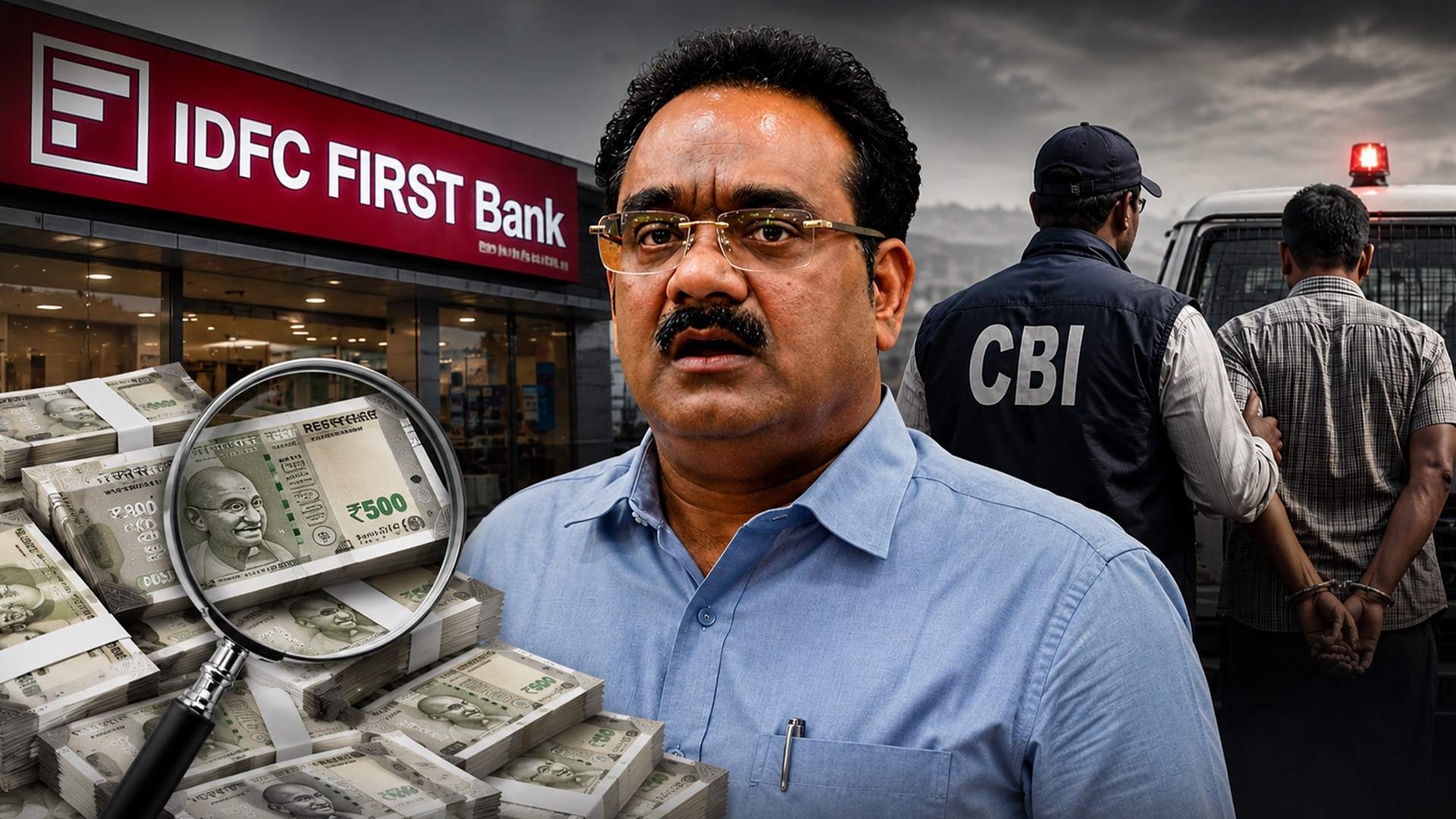
Haryana IAS officer held in ₹60-cr scam
The CBI has arrested Haryana IAS officer Pankaj Aggarwal in an alleged ₹60.54-crore scam involving government funds deposited with IDFC First Bank. Investigators claim money meant for state departments was misappropriated, making him the second bureaucrat arrested in the case.

France faces hottest day since 1947
France recorded its hottest day since 1947 as a severe heatwave gripped Europe. Around 68,000 households faced power outages, while authorities issued red alerts, reduced nuclear power output and urged residents to take precautions against dangerous temperatures.
About This Category
The Format Is the Editorial Argument
The name of this publication is The Summary. This section is where that philosophy is most directly expressed. The Summaries are not abbreviated versions of longer articles. They are complete pieces of journalism — reported, edited, and published at a length that respects both the story and the reader's time. The decision to keep them short is not a constraint. It is a position: that most news can be communicated clearly in 150 words, and that padding it to 600 words rarely improves it.
The editorial discipline required to produce a good summary is different from, and in some ways harder than, writing at length. Every sentence has to do real work. Nothing survives that doesn't belong there.
What Ends Up Here
The range is genuinely broad — and deliberately so. On any given day, The Summaries might carry a Karnataka cabinet resignation, a hospital fire in Bihar, a CBSE policy recommendation, a Kerala toddler death that has triggered public outrage, and a Cockroach Janta Party founder's plans to protest at Jantar Mantar. These are not thematically related stories. They are simply the news, treated with consistent brevity.
That breadth is the point. A reader who follows The Summaries doesn't need to choose a category to monitor. National politics, health research, civic tragedies, civil society, lifestyle news — it all comes through this section at a pace that doesn't require hours of reading to stay current.
The Judgment That Goes Into 150 Words
Selection is where the editorial work happens. Not everything becomes a Summary. Stories make it here when the core fact is clear, the significance is demonstrable, and the full picture can be honestly conveyed at short length without stripping context that the reader actually needs. A story like the Muzaffarpur hospital fire — four lives lost, a state inquiry ordered, families to be compensated — can be told completely in under two minutes. Stretching it doesn't add information; it adds length.
Some stories don't work as summaries because the context is too dense to compress responsibly. Those go elsewhere on the site. The Summaries is not a catchall; it's a format with specific requirements, and not every story meets them.
A Different Kind of Archive
Over time, The Summaries has become a reliable daily record of what happened in India and across the world — told concisely, sourced from official announcements and credible reporting, and published without the delay that often accompanies longer-form analysis. Readers who have followed the section consistently say it functions as a news briefing they can consume in a single sitting. That is more or less exactly what it was designed to do.
Frequently Asked Questions
Q1. What is The Summaries format and how is it different from other sections?
The Summaries are short, complete news pieces — typically under 150 words — covering a single event or development clearly and accurately. Unlike the full-length articles in sections like National, Business, or Health, these are written to be read in under a minute. The format is intentional: the goal is to report the news completely, not briefly for brevity's sake.
Q2. Does The Summaries cover all topics or only specific beats?
All topics. A single scroll through The Summaries on any given day might include political news, health research, a civic disaster, an education policy decision, and a human interest story. The connective thread is the format, not the subject. Readers who want to stay across multiple beats without tracking several sections will find everything here.
Q3. Are The Summaries just shortened versions of longer articles on the site?
No. They are standalone pieces written specifically for this format. Occasionally, a major developing story will have both a full article and a Summary — but they are written separately, for different purposes. The Summary version is complete on its own terms, not a teaser or a preview of something longer.
Q4. How does The Summary decide what becomes a Summary versus a full article?
If a story can be told accurately and completely at short length without stripping essential context, it's a candidate for The Summaries. If the background, timeline, or stakeholder complexity genuinely requires more room, it gets a full article. The test is whether the reader comes away informed — not whether the piece meets a word count.
Q5. How often is The Summaries section updated?
Throughout the day as news develops. There is no fixed publishing schedule — stories are published when they are ready. Readers who check in once or twice daily will typically find several new pieces each visit. The pace reflects the news cycle, not a content calendar.
Q6. Is The Summaries a good starting point for readers new to the site?
It is probably the most efficient way to understand the full scope of what The Summary covers. Because the section spans every beat — politics, business, health, lifestyle, science, national, world news — a few minutes in The Summaries gives a reader a clearer picture of the publication's range than browsing any single category section would.