
The Summaries

23-year-old Dehradun NEET aspirant dies
Riya Kumari Thapa, a 23-year-old NEET aspirant from Dehradun, was found dead at her home. A Class 12 topper, she reportedly left a note saying, “Mom and Dad, I love you.” Police are investigating the incident, with no clear reason identified yet.

2 in India among World’s beautiful airports
Navi Mumbai International Airport and Guwahati’s Lokpriya Gopinath Bordoloi International Airport have been named among the world’s seven most beautiful airports by Prix Versailles. The recognition highlights their innovative architecture, passenger-friendly design and India’s growing focus on world-class aviation infrastructure.
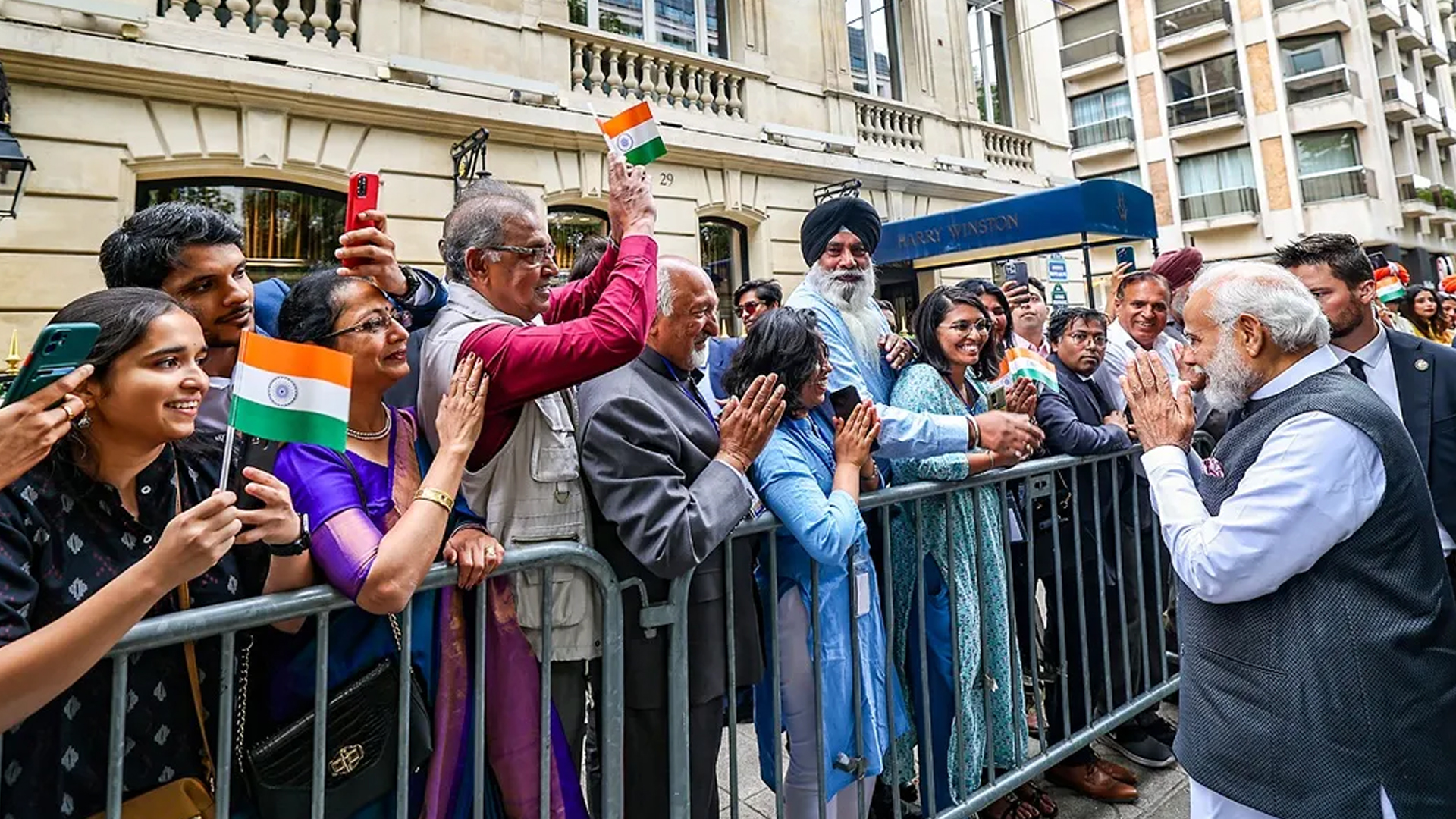
PM Modi calls India-France ties crucial globally
Prime Minister Narendra Modi has highlighted that the India-France partnership is crucial for global progress and stability. He highlighted growing cooperation in defence, technology, innovation and clean energy, adding that both nations are committed to addressing global challenges and strengthening bilateral ties.

Christopher Nolan’s Odyssey in Mumbai
Oscar-winning filmmaker Christopher Nolan will visit Mumbai for the India premiere of The Odyssey. Actors Matt Damon and Tom Holland are also expected to attend. The high-profile event highlights India’s growing importance in the global film market and has generated excitement among fans.

Donald Trump turns 80 with Iran talks, UFC plan
US President Donald Trump celebrated his 80th birthday by expressing optimism about ongoing Iran negotiations and announcing plans to host a UFC championship event at the White House next year. The celebrations also sparked buzz online, with supporters, celebrities and social media users marking the occasion.
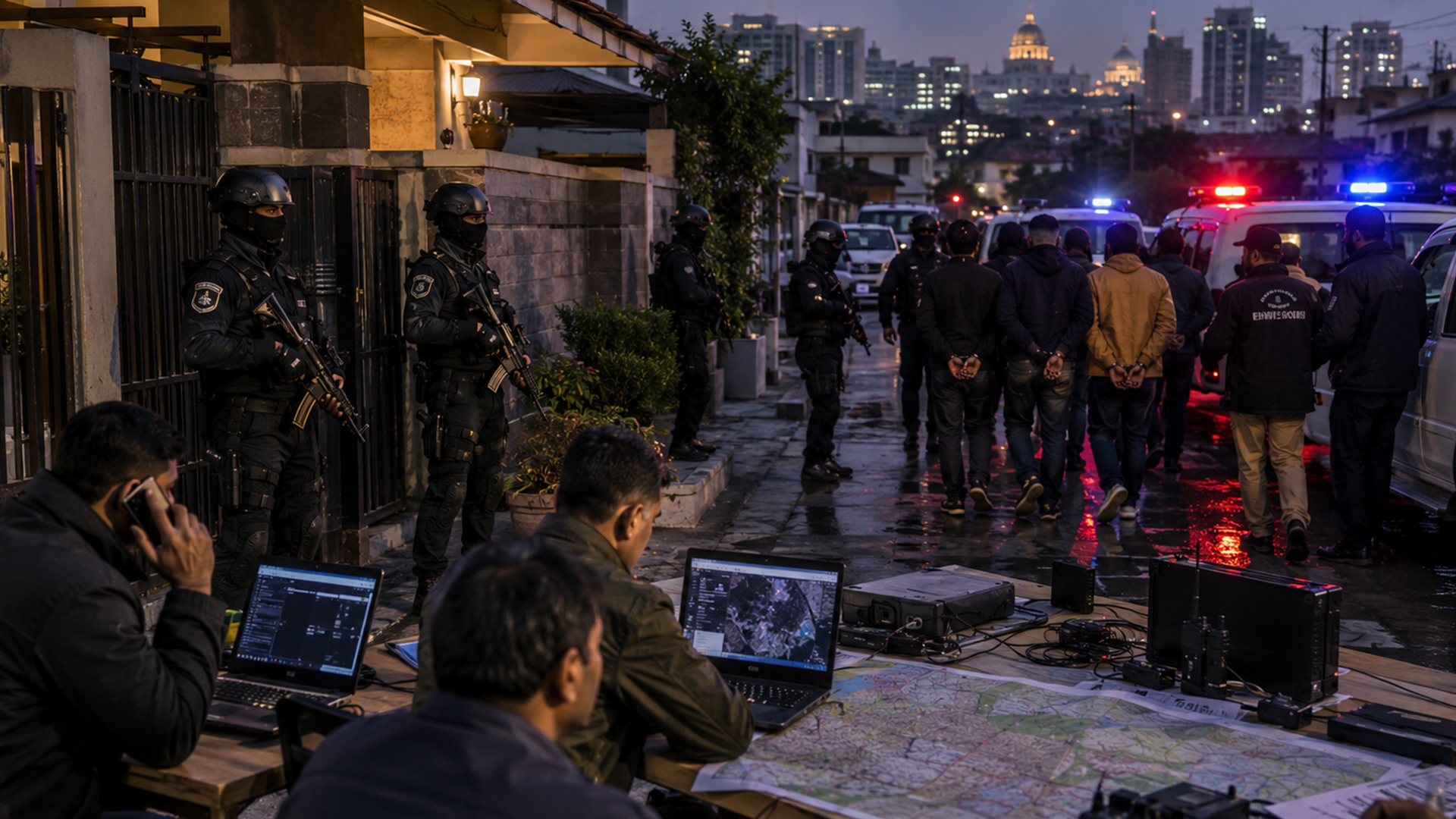
Police dismantle Pakistan-linked terror ring, arrest seven
Delhi Police’s Special Cell arrested seven alleged operatives linked to a Pakistan-backed terror-crime syndicate. Weapons, ammunition, narcotics and reconnaissance material were seized during the operation. Investigators said the network was involved in cross-border smuggling and terror-related activities.

Norway royal’s son convicted in high-profile case
Marius Borg Høiby, the son of Norway’s Crown Princess Mette-Marit, has been convicted in a rape case that drew widespread attention. The verdict marks a significant moment for Norway’s royal family, with the case generating intense public and media scrutiny.
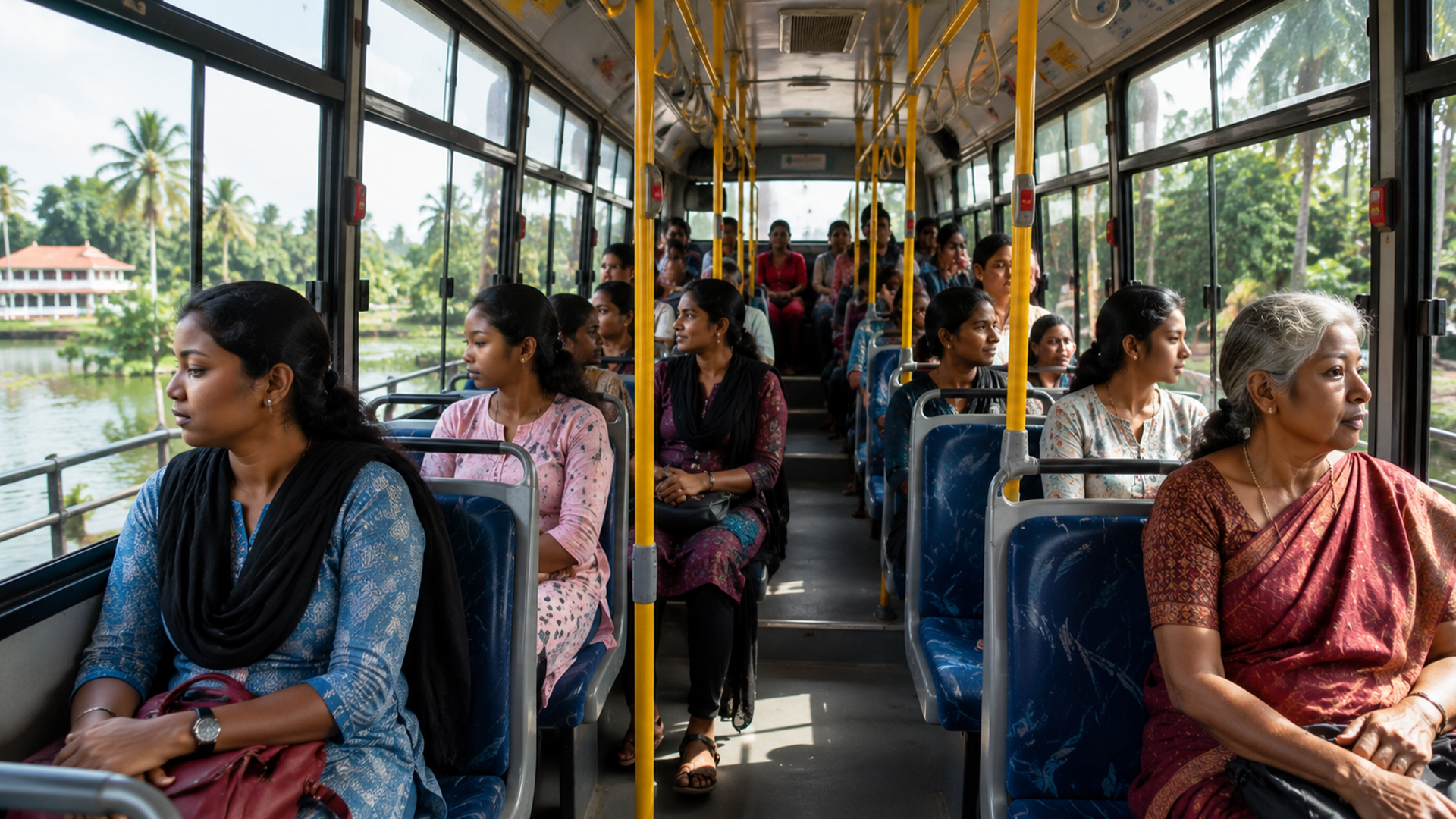
Kerala launches free bus travel scheme for women
Kerala has launched the Priyadarshini scheme, offering free bus travel for women on selected state-run services. The initiative aims to ease travel costs, improve access to education and employment, and strengthen women’s participation in public life across the state.

SC pauses HC proceedings on transgender rules
Supreme Court has stayed proceedings in various High Courts on petitions challenging amendments related to the Transgender Persons (Protection of Rights) framework. The apex court will hear the matter itself to ensure a uniform judicial approach to issues affecting transgender rights.
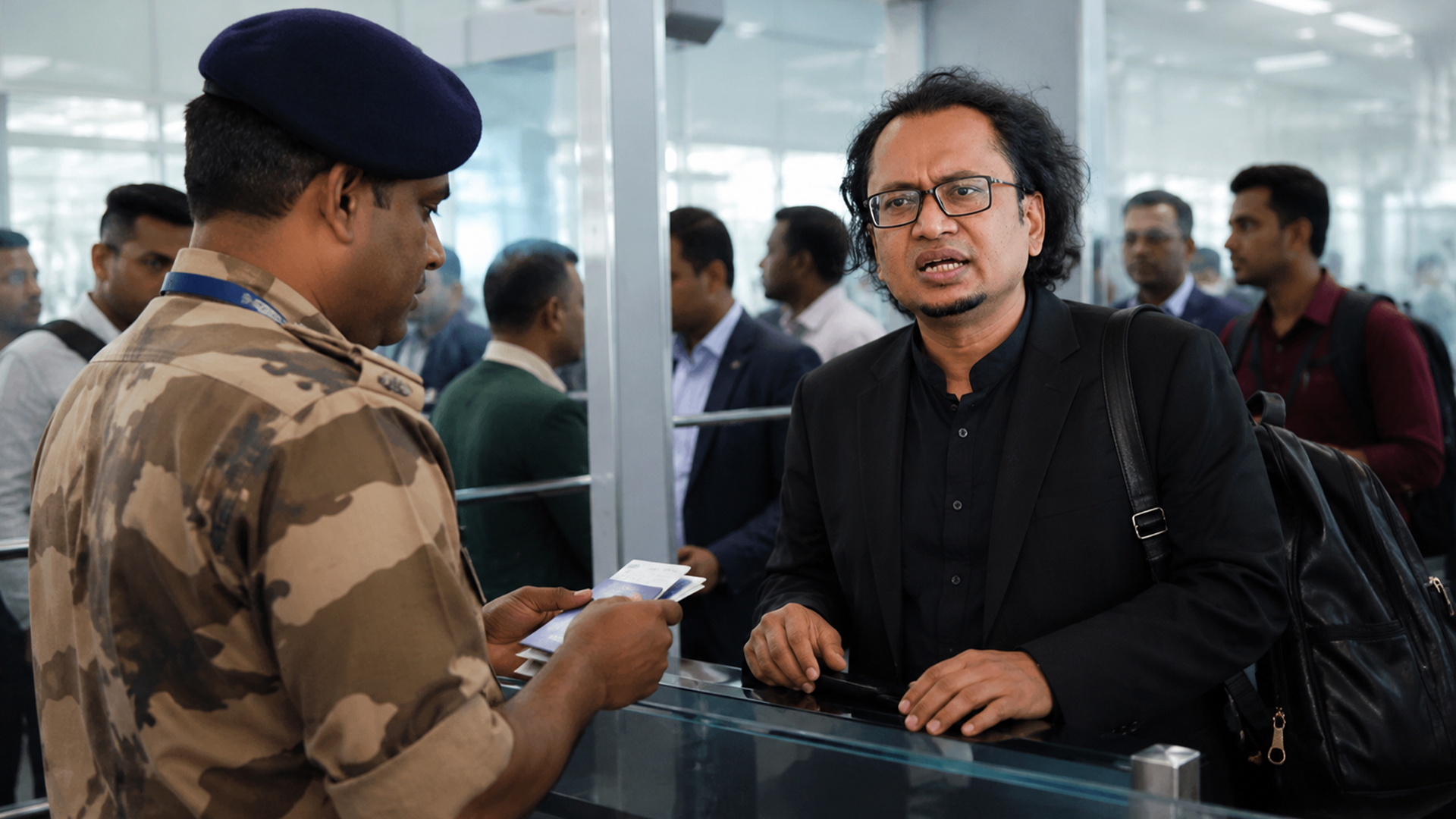
Bangladesh adviser row sparks diplomatic concern
Bangladesh Prime Minister’s adviser Zahed Ur Rahman returned from Delhi, alleging humiliation during immigration screening at the airport. The incident prompted Dhaka to summon the Indian envoy, adding a diplomatic dimension to an episode that has drawn attention in both countries.
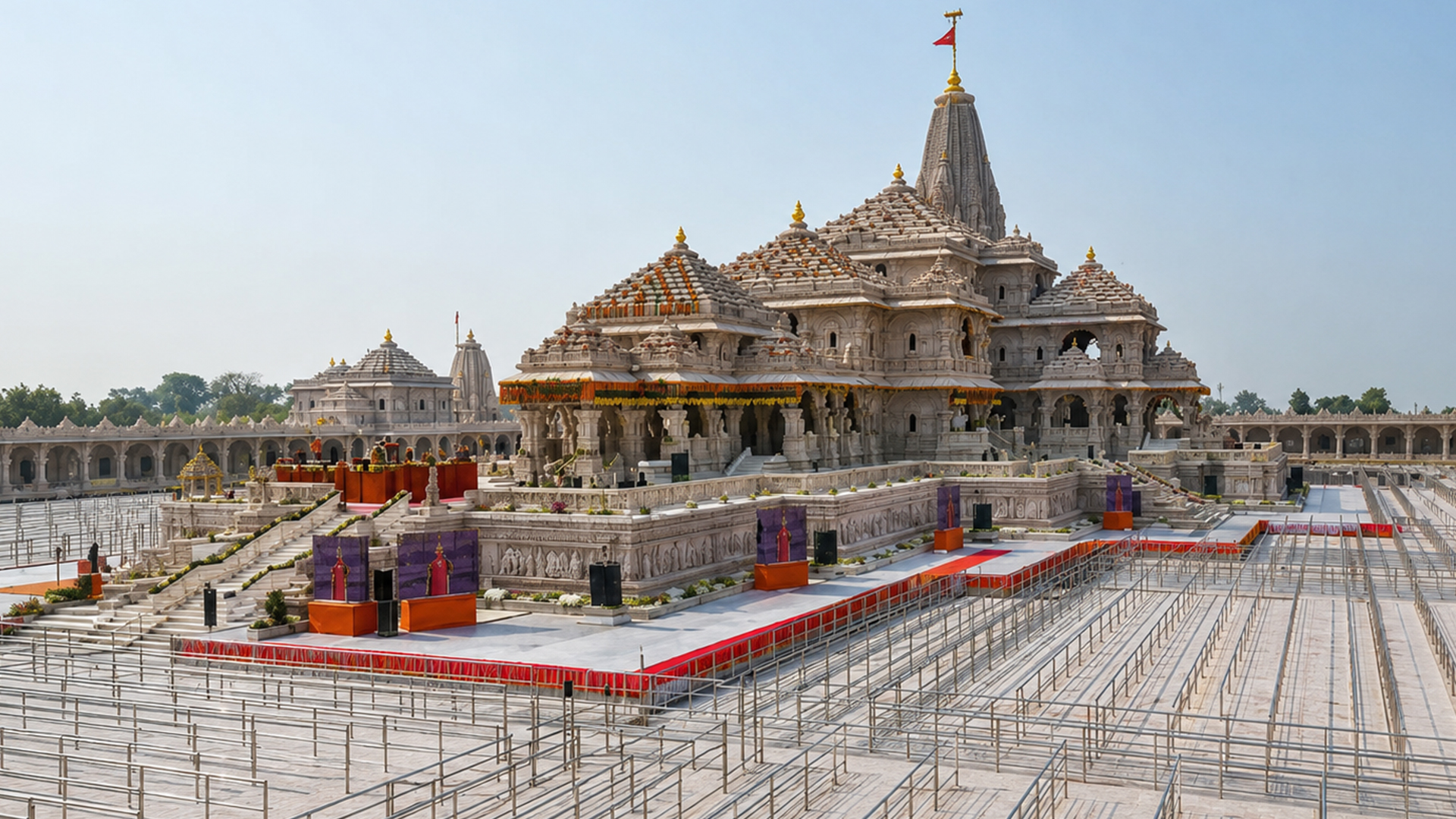
Donations at Ayodhya temple under investigation
An SIT is probing alleged irregularities in donations at Ayodhya’s Ram Mandir. Authorities are reviewing financial records and donation procedures amid claims of missing or mismanaged funds. Officials have not confirmed wrongdoing, and the investigation is currently ongoing

Brazilian woman dies in bungee jump tragedy
A 22-year-old woman died after falling about 40 metres during a bungee jump in Brazil. Investigators suspect crew members failed to attach a crucial safety rope before the jump. Authorities have launched a probe, while the operator has suspended activities.
About This Category
The Format Is the Editorial Argument
The name of this publication is The Summary. This section is where that philosophy is most directly expressed. The Summaries are not abbreviated versions of longer articles. They are complete pieces of journalism — reported, edited, and published at a length that respects both the story and the reader's time. The decision to keep them short is not a constraint. It is a position: that most news can be communicated clearly in 150 words, and that padding it to 600 words rarely improves it.
The editorial discipline required to produce a good summary is different from, and in some ways harder than, writing at length. Every sentence has to do real work. Nothing survives that doesn't belong there.
What Ends Up Here
The range is genuinely broad — and deliberately so. On any given day, The Summaries might carry a Karnataka cabinet resignation, a hospital fire in Bihar, a CBSE policy recommendation, a Kerala toddler death that has triggered public outrage, and a Cockroach Janta Party founder's plans to protest at Jantar Mantar. These are not thematically related stories. They are simply the news, treated with consistent brevity.
That breadth is the point. A reader who follows The Summaries doesn't need to choose a category to monitor. National politics, health research, civic tragedies, civil society, lifestyle news — it all comes through this section at a pace that doesn't require hours of reading to stay current.
The Judgment That Goes Into 150 Words
Selection is where the editorial work happens. Not everything becomes a Summary. Stories make it here when the core fact is clear, the significance is demonstrable, and the full picture can be honestly conveyed at short length without stripping context that the reader actually needs. A story like the Muzaffarpur hospital fire — four lives lost, a state inquiry ordered, families to be compensated — can be told completely in under two minutes. Stretching it doesn't add information; it adds length.
Some stories don't work as summaries because the context is too dense to compress responsibly. Those go elsewhere on the site. The Summaries is not a catchall; it's a format with specific requirements, and not every story meets them.
A Different Kind of Archive
Over time, The Summaries has become a reliable daily record of what happened in India and across the world — told concisely, sourced from official announcements and credible reporting, and published without the delay that often accompanies longer-form analysis. Readers who have followed the section consistently say it functions as a news briefing they can consume in a single sitting. That is more or less exactly what it was designed to do.
Frequently Asked Questions
Q1. What is The Summaries format and how is it different from other sections?
The Summaries are short, complete news pieces — typically under 150 words — covering a single event or development clearly and accurately. Unlike the full-length articles in sections like National, Business, or Health, these are written to be read in under a minute. The format is intentional: the goal is to report the news completely, not briefly for brevity's sake.
Q2. Does The Summaries cover all topics or only specific beats?
All topics. A single scroll through The Summaries on any given day might include political news, health research, a civic disaster, an education policy decision, and a human interest story. The connective thread is the format, not the subject. Readers who want to stay across multiple beats without tracking several sections will find everything here.
Q3. Are The Summaries just shortened versions of longer articles on the site?
No. They are standalone pieces written specifically for this format. Occasionally, a major developing story will have both a full article and a Summary — but they are written separately, for different purposes. The Summary version is complete on its own terms, not a teaser or a preview of something longer.
Q4. How does The Summary decide what becomes a Summary versus a full article?
If a story can be told accurately and completely at short length without stripping essential context, it's a candidate for The Summaries. If the background, timeline, or stakeholder complexity genuinely requires more room, it gets a full article. The test is whether the reader comes away informed — not whether the piece meets a word count.
Q5. How often is The Summaries section updated?
Throughout the day as news develops. There is no fixed publishing schedule — stories are published when they are ready. Readers who check in once or twice daily will typically find several new pieces each visit. The pace reflects the news cycle, not a content calendar.
Q6. Is The Summaries a good starting point for readers new to the site?
It is probably the most efficient way to understand the full scope of what The Summary covers. Because the section spans every beat — politics, business, health, lifestyle, science, national, world news — a few minutes in The Summaries gives a reader a clearer picture of the publication's range than browsing any single category section would.