India are the champions of Asia once again, but their latest Women’s Asia Cup triumph has ended with an unusual twist. The Indian team won the title in convincing fashion, yet the players left the presentation ceremony without the trophy.
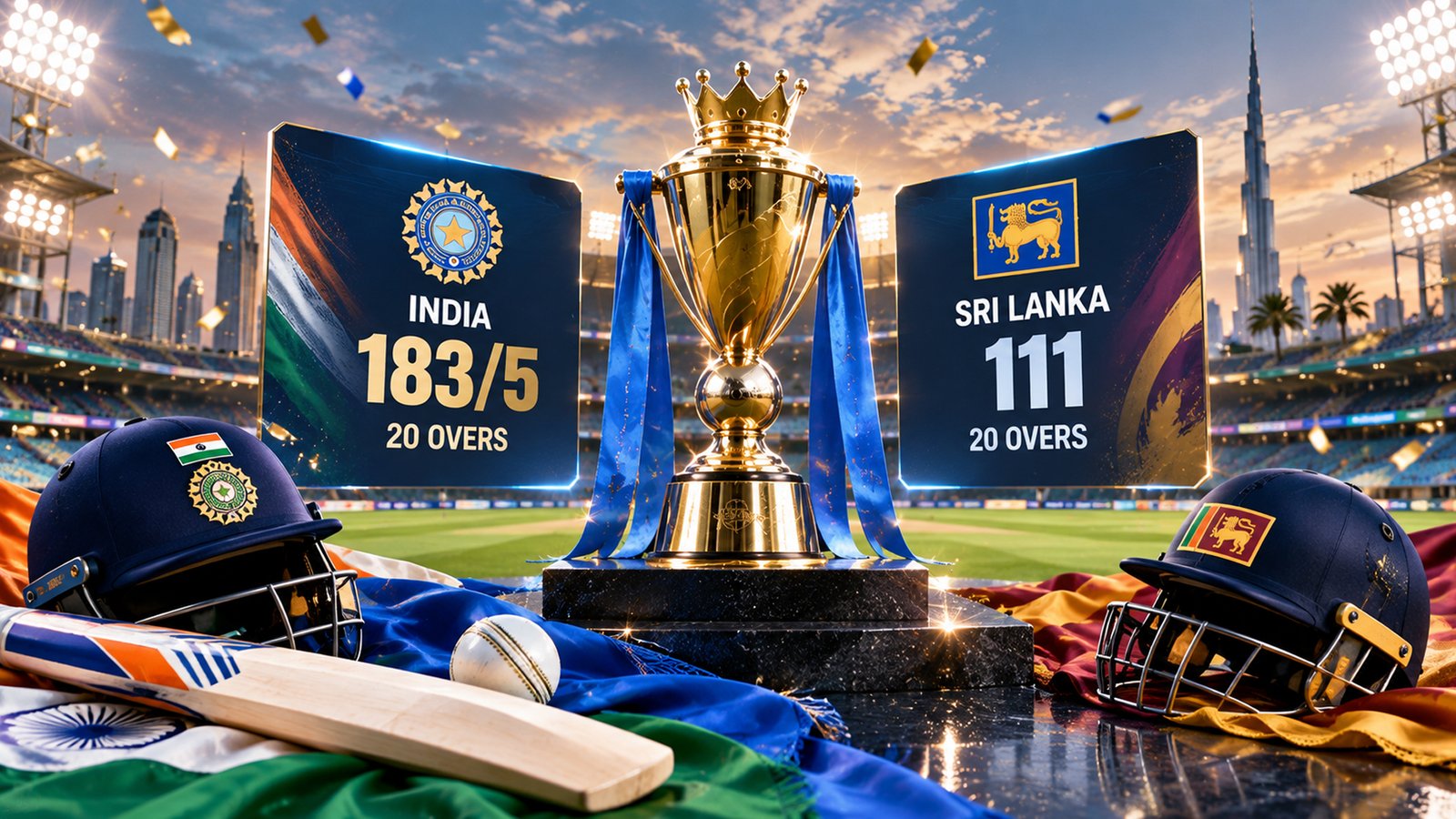
India defeated Sri Lanka by 72 runs in the final in Dubai on Sunday to claim a record eighth Women’s Asia Cup title. The victory was celebrated on the field, with the players gathering together after a dominant performance. The formal trophy presentation, however, never took place for India.
The reason was the presence of Asian Cricket Council president Mohsin Naqvi, who is also Pakistan’s interior minister. The Indian team chose not to receive the trophy from Naqvi, continuing a position that has already created controversy in the cricketing relationship between the two countries.
The Board of Control for Cricket in India said the decision had been communicated to the ACC before the final. BCCI secretary Devajit Saikia said the board had made it clear that India would not accept the trophy from Naqvi.
According to Saikia, the BCCI had suggested that ACC deputy chairman Khaleel Al Zarnuji present the trophy to the Indian team instead. That proposal did not materialise, and the Indian players did not attend the formal presentation.
The result was an unusual scene after a major final. India had won the tournament, but there was no traditional moment of the captain lifting the Asia Cup trophy.
Head coach Amol Muzumdar has backed the board’s decision. He said the team stands by the BCCI’s position and has no regrets about the decision taken after the final.
There is still no confirmed date for when the Indian team will receive the physical trophy. The question has therefore moved beyond the presentation ceremony itself, with attention now on whether the ACC will arrange another opportunity to hand it over.
The controversy also brings back memories of last year’s men’s Asia Cup. India had similarly avoided receiving the trophy from Naqvi, underlining how sporting events involving the two countries have become increasingly difficult to separate from their wider political tensions.
Yet, away from the trophy drama, India’s performance in the final was the real story of the night.
Shafali Verma set the tone with a fearless innings at the top of the order. She smashed 68 from just 39 balls, attacking the Sri Lankan bowlers from the opening overs and giving India the fast start they needed.
Smriti Mandhana provided the perfect partner at the other end. The experienced opener scored 59 from 39 balls, combining clean strokeplay with smart running between the wickets.
The pair added 129 runs for the opening wicket, putting Sri Lanka under pressure before the middle overs had even begun. India eventually finished with 183 for five, setting Sri Lanka a target of 184.
Sri Lanka needed a strong start to stay in the contest. Captain Chamari Athapaththu and Vishmi Gunaratne initially gave their side hope with a partnership, but India’s bowlers soon turned the game around.
Deepti Sharma produced the crucial breakthrough by dismissing Athapaththu. She then removed Gunaratne just three balls later, leaving Sri Lanka struggling to rebuild.
Young spinner Shree Charani then took charge. Her accurate spell earned her four wickets for 20 runs and broke whatever resistance remained in the Sri Lankan batting order. Deepti finished with three wickets as India’s spin attack tightened its grip.
Sri Lanka were eventually bowled out for 111 in 20 overs. India’s 72-run victory completed a comprehensive performance and restored the team’s position at the top of Asian women’s cricket after Sri Lanka had won the previous edition.
President Droupadi Murmu congratulated the Indian team following the victory, praising the players for their outstanding performance and saying their success had made the country proud.
The triumph also showed the growing depth of India’s women’s side. Shafali and Mandhana provided the fireworks with the bat, while Charani and Deepti delivered when Sri Lanka needed to chase a demanding target.
The contrast after the final was striking. India had produced the kind of performance that normally ends with a captain proudly holding the trophy above her head. Instead, the players celebrated without it.
The BCCI has made it clear that the decision was an institutional one. The board’s stance has been supported by the coaching staff, while the ACC has yet to announce a fresh trophy handover arrangement.
The episode has once again placed India-Pakistan cricket relations under the spotlight. But amid the debate, one fact remains unchanged: India are the record eight-time Women’s Asia Cup champions.
The trophy presentation may have been missing, but the achievement cannot be taken away. India’s players earned their title with bat and ball — and their eighth continental crown is already written into the record books.