The United States and Iran have held their first direct talks since recent American strikes on Iranian nuclear facilities, marking a cautious diplomatic step amid heightened tensions in the Middle East. The discussions, facilitated by Switzerland, focused on reducing the risk of further escalation and restoring communication channels between the two longtime adversaries.
According to reports, the talks were aimed at preventing misunderstandings that could trigger a wider regional conflict. One of the key outcomes was an agreement to maintain diplomatic contacts through Swiss intermediaries, ensuring that both sides have a mechanism to exchange messages during periods of crisis.
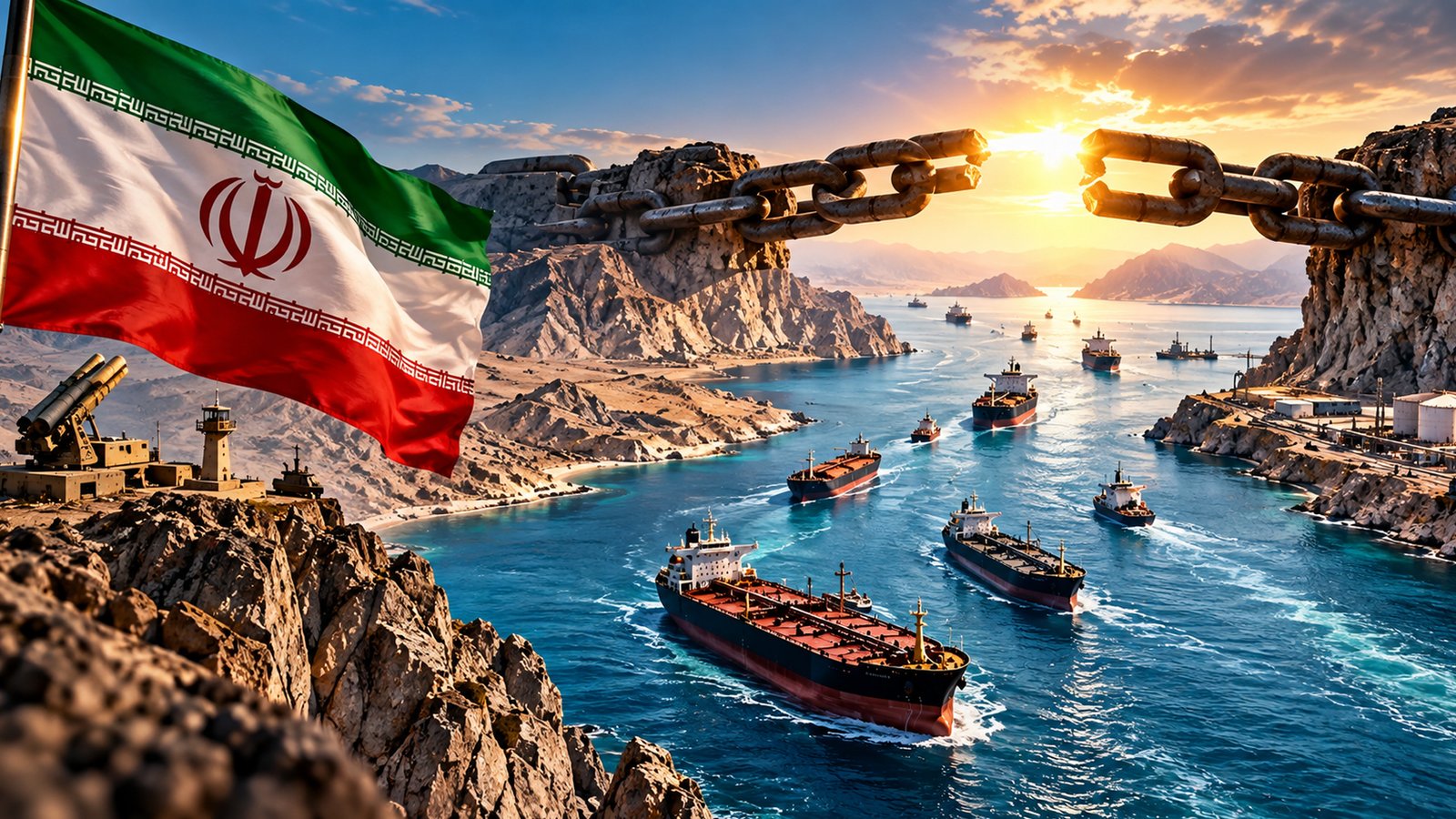
A major topic of discussion was maritime security, particularly in and around the Strait of Hormuz, one of the world’s most critical oil-shipping routes. Iran reportedly conveyed that commercial shipping would not be deliberately targeted, while both sides explored ways to avoid incidents that could threaten regional stability and global energy supplies.
Officials also discussed the creation of a “de-confliction” mechanism designed to reduce the risk of accidental military confrontations. Such arrangements are commonly used during periods of heightened tensions to prevent misunderstandings between armed forces operating in close proximity.
The talks come at a sensitive time following US military action against Iranian nuclear sites and Tehran’s strong response condemning the strikes. While neither side indicated any immediate breakthrough, the decision to engage in direct discussions has been viewed as an important step towards easing tensions.
Diplomatic sources described the atmosphere as cautious but constructive. Both countries remain deeply divided on several issues, including Iran’s nuclear programme, regional security concerns and sanctions. However, analysts say the willingness to maintain dialogue suggests neither side wants the situation to spiral into a broader military conflict.
The international community has closely monitored developments, with several countries urging restraint and encouraging diplomatic engagement. Concerns over disruptions to global oil supplies and regional security have added urgency to efforts aimed at reducing tensions.
While significant differences remain unresolved, the first round of talks has opened a channel for future engagement. Observers believe continued dialogue could help lower the risk of further confrontation and create space for broader diplomatic efforts in the months ahead.
Also Read: Shinde signals more crossovers after Operation Tiger