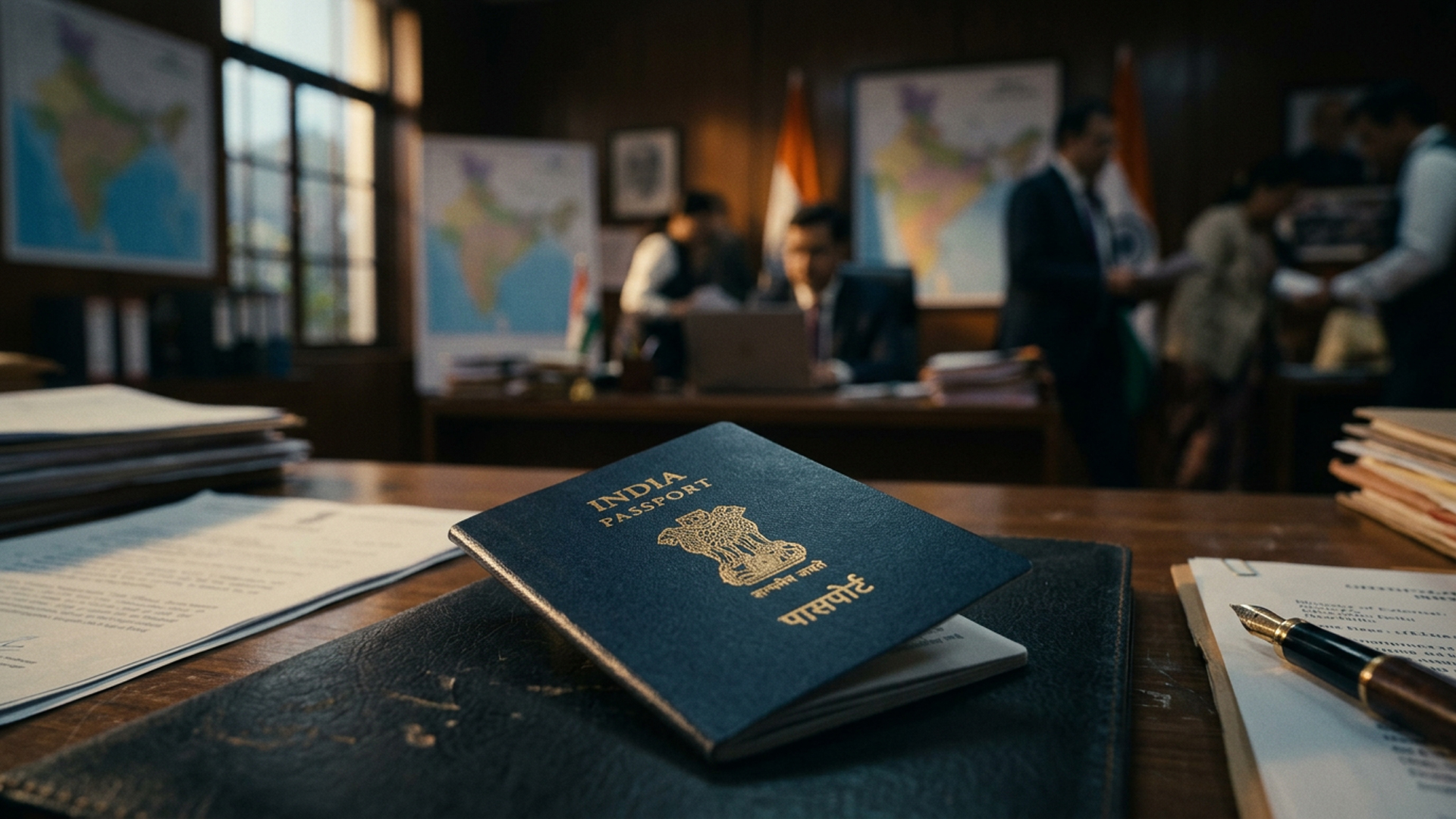
The Ministry of External Affairs has clarified that an Indian passport is mainly a travel document and cannot be treated as conclusive proof of citizenship, sparking debate over how citizenship is verified in India.
The clarification came from a senior MEA official during a hearing before the Delhi High Court. The official said that while passports are issued to Indian citizens for international travel, the document itself is not the final or sole legal proof of citizenship under Indian law.
These remarks drew attention and concern because many people see a passport as one of the strongest identity documents issued by the government. But the MEA said citizenship is governed by the Citizenship Act and related legal provisions, and authorities may look at other records and evidence when citizenship is questioned.
According to the government, a passport does serve as proof of identity and nationality for travel purposes. However, its issuance does not stop authorities from reviewing a person’s citizenship status if concerns arise later. The ministry said citizenship can depend on several factors, including birth records, parentage, legal documents and other evidence recognised by law.
The clarification has led to discussion among legal experts and civil society groups. Some worry it may confuse passport holders who have long believed the document was enough to prove citizenship. Others say the government’s position is legally sound because citizenship and identity documents are not always the same thing.
While the government has not announced any change to passport rules or citizenship laws, officials said the clarification was meant only to explain the legal status of passports in citizenship-related disputes, not to alter existing procedures.
Experts say the issue is especially important in disputed citizenship cases, immigration matters and legal challenges, where courts may need to examine more than just a passport.
Also Read: Venezuela quake disaster sparks fears of massive toll