US President Donald Trump’s demand that Iran pay compensation for deaths and damage linked to decades of conflict has added another obstacle to efforts to restore normal shipping through the Strait of Hormuz.
The latest dispute comes as Iran and the United States remain divided over sanctions, compensation, military threats and the conditions for reopening the strategic waterway. While discussions involving Iran and Oman have made progress on arrangements for shipping, the wider US-Iran negotiations remain fragile.
Iran has made several demands as part of any agreement to restore normal passage through the Strait of Hormuz. Tehran wants compensation for damage caused during the conflict, an end to US sanctions and assurances against further military action.
Iran also wants arrangements that would allow shipping to resume safely. Discussions have included navigation routes, maritime safety, environmental protection and efforts to prevent criminal activity at sea.
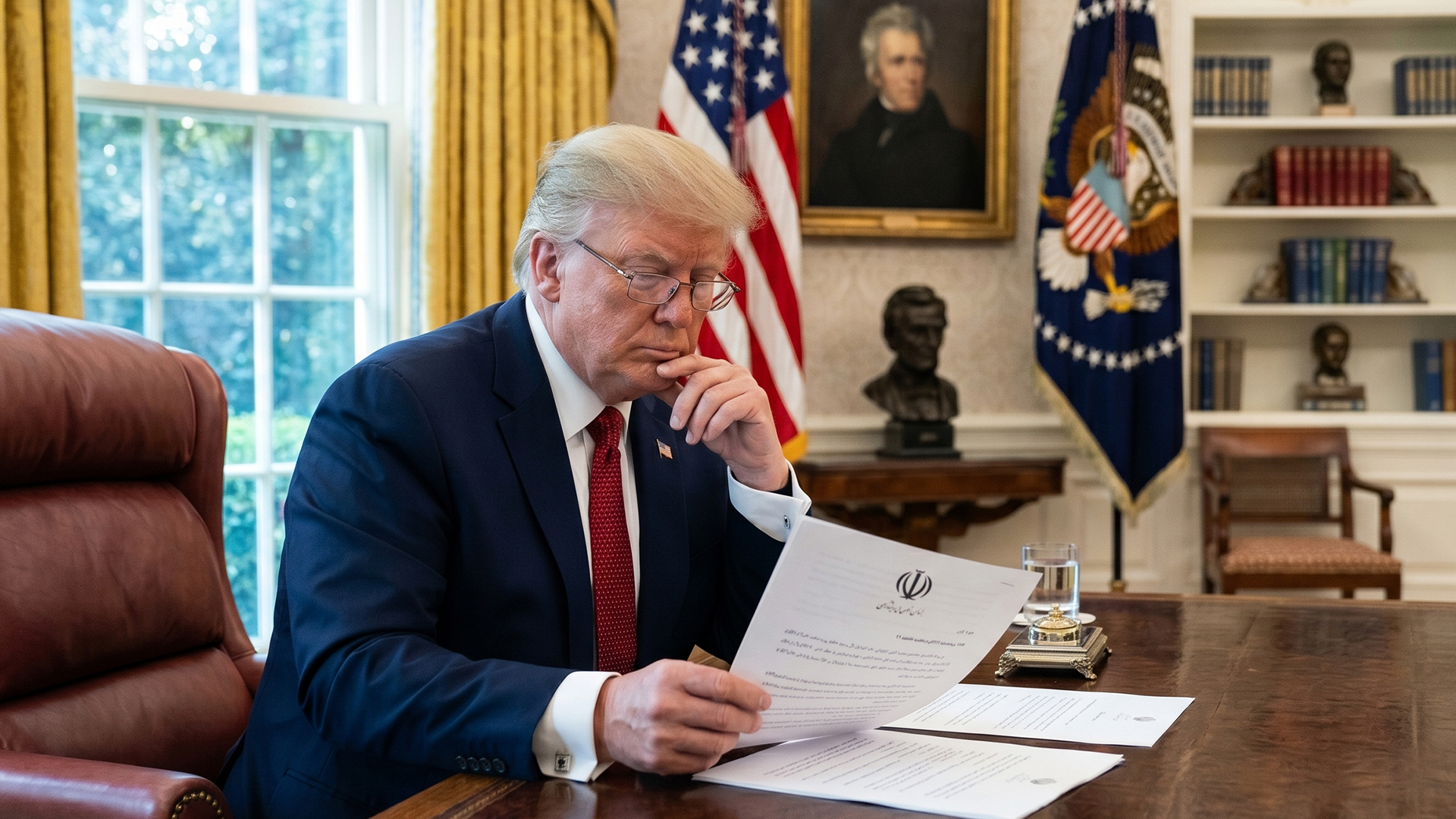
Trump has responded by saying Iran should compensate the United States for losses connected to conflicts and attacks over several decades. He has also raised the issue of deaths involving American personnel and damage associated with conflicts in the wider Middle East.
The compensation issue has introduced a major political complication into negotiations that were already difficult. Tehran and Washington have sharply different views about responsibility for the conflict and the economic and human costs that followed.
The Strait of Hormuz remains at the centre of the dispute because of its importance to global energy supplies. The narrow waterway between Iran and Oman is one of the world’s most important oil and gas shipping routes. A significant share of global crude oil and liquefied natural gas shipments normally passes through the strait.
Any prolonged disruption therefore has consequences well beyond Iran and the United States. Reduced shipping can push up oil prices, increase transport costs and add pressure to inflation in countries that depend heavily on imported energy.
Commercial shipping has remained well below normal levels despite competing claims about the status of the waterway. The uncertainty has forced shipping companies and energy traders to assess the risks of sending vessels through the area.
The United States has maintained that it is working to keep the Strait of Hormuz open and has deployed military assets to protect shipping. Trump has also claimed that American forces have cleared mines and established control over the waterway.
Iran disputes that position and has blamed US military action and restrictions on Iranian shipping for the disruption. Tehran has maintained that the security situation must be resolved before normal commercial traffic can return.
The disagreement over who controls the waterway is particularly sensitive because Iran has historically exercised significant influence over shipping through the northern side of the strait. The United States, meanwhile, regards freedom of navigation as a central security objective.
Iran’s economy has also been hit by the disruption. Restrictions on oil exports have affected one of the country’s most important sources of foreign revenue, while sanctions have added further pressure on trade and investment.
For Tehran, reopening the waterway is therefore closely connected to economic recovery. For Washington, restoring uninterrupted international shipping is important for global energy stability and for reducing the wider economic impact of the conflict.
The two sides also face domestic political pressure. Trump is under pressure to contain fuel prices and demonstrate that US military action has produced a favourable outcome. Iran, meanwhile, faces severe economic challenges and needs greater access to international trade and energy revenues.
These pressures could create an incentive for both sides to reach a compromise, but the compensation dispute makes an immediate breakthrough more difficult.
Iran has indicated that negotiations involving Oman are moving forward on practical arrangements for shipping. A proposed route through the Strait of Hormuz has been discussed, with technical details still requiring agreement.
However, any technical agreement on shipping would not necessarily resolve the larger political dispute between Washington and Tehran. Questions surrounding sanctions, compensation, military guarantees and Iran’s oil exports remain unresolved.
The situation also leaves global energy markets vulnerable to further shocks. Even limited uncertainty around the Strait of Hormuz can influence crude oil prices because traders factor potential supply disruptions into their expectations.
For consumers, prolonged disruption could eventually translate into higher fuel and transportation costs. For energy-importing countries, continued uncertainty could increase pressure on governments and businesses to secure alternative supplies.
The immediate focus is now on whether Iran and the United States can separate practical arrangements for reopening the Strait of Hormuz from their broader political disagreements.