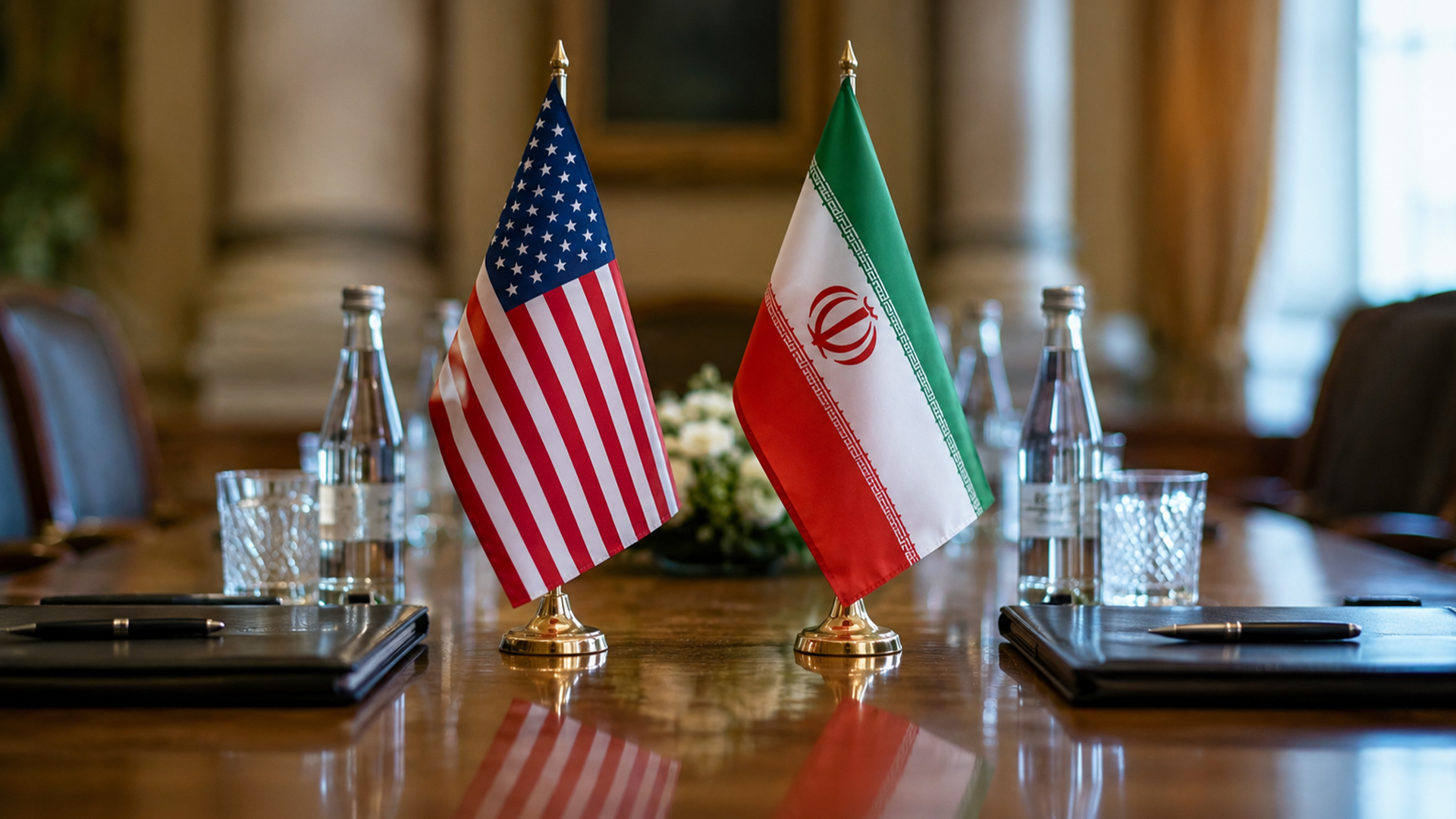
The United States and Iran are continuing discussions on a possible nuclear agreement despite escalating military tensions in West Asia, with negotiations now centred on four key issues aimed at reducing the risk of further conflict and preventing nuclear proliferation.
According to reports, the talks have narrowed their focus to four major areas: limits on Iran’s uranium enrichment programme, restrictions on nuclear-capable missile development, enhanced international inspections of nuclear facilities, and the dismantling or modification of certain nuclear sites. These issues are considered central to any future agreement between the two countries.
The negotiations come at a sensitive time as tensions between Washington and Tehran have intensified following recent military exchanges and disputes over the strategic Strait of Hormuz, a vital route for global oil shipments. Despite the hostilities, both sides are continuing diplomatic efforts in the hope of reaching a framework that could reduce regional instability.
Apart from nuclear issues, discussions have also touched on sanctions relief, freedom of navigation through the Strait of Hormuz and broader regional security concerns. Iran has sought the easing of economic sanctions, while the United States has insisted on stronger guarantees regarding Tehran’s nuclear and missile programmes.
The developments are being closely watched by businesses worldwide, including in India. Rising geopolitical tensions in West Asia have raised concerns about possible disruptions to global supply chains, shipping routes and energy markets. Any prolonged disruption in the Strait of Hormuz could affect crude oil supplies and increase transportation costs, impacting industries ranging from manufacturing to logistics.
Indian companies, however, are considered better prepared for such challenges than in the past. Many firms have diversified sourcing networks, strengthened inventory management systems and developed alternative supply routes to improve resilience against geopolitical disruptions. These measures have helped businesses manage uncertainties arising from conflicts and trade disruptions in recent years.
Also Read: Samsung launches Next-Gen TVs