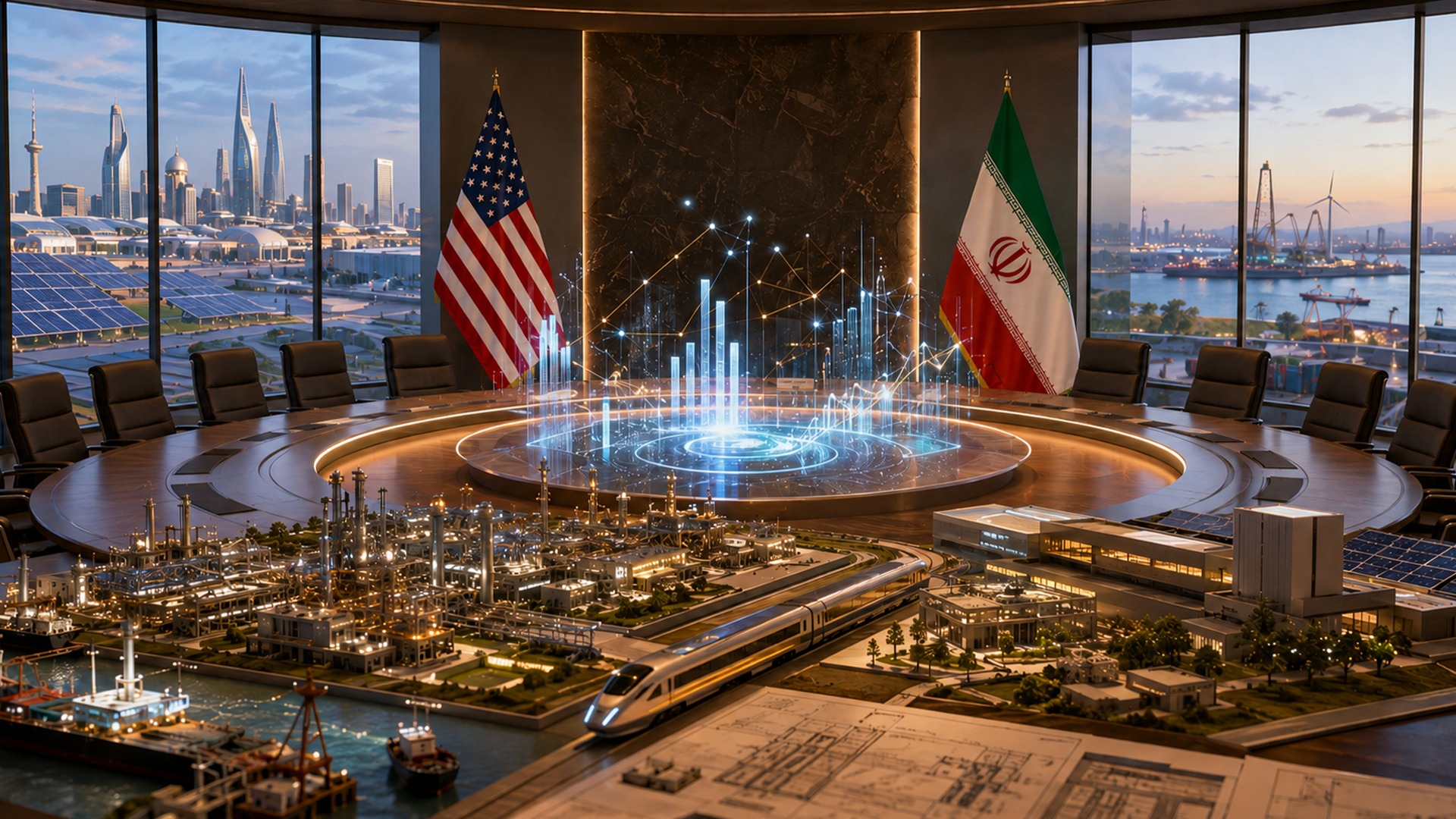
The Trump administration has defended a proposed $300-billion reconstruction and development fund for Iran, saying the money would be tied to a broader peace agreement and released only if Tehran complies with strict commitments on its nuclear programme and regional security.
US Vice President JD Vance said the proposed fund is not a direct payment to Iran and would not involve American taxpayer money. Instead, it would be financed by private investors and contributions from Gulf countries and other international partners. He stressed that Iran would be able to access the benefits only if it “transforms itself” and honours its obligations under a final agreement.
The fund is part of a framework agreement currently being negotiated between Washington and Tehran. According to reports, more than half of the proposed $300 billion has already been committed by private-sector investors from the United States, Gulf nations, Asia, South America and Africa. The money would be directed towards rebuilding and modernising sectors such as energy, transport, manufacturing and logistics.
The proposed deal also seeks to reduce tensions across the Middle East. Reports indicate it includes measures aimed at ending regional hostilities, reopening the Strait of Hormuz to commercial shipping and creating conditions for future sanctions relief if Iran complies with international requirements.
However, the plan has sparked debate in Washington. Some Republican lawmakers and foreign policy experts have questioned the lack of public details and sought greater clarity on enforcement mechanisms. Critics argue that any economic incentives for Tehran must be backed by strict verification measures.
The Trump administration maintains that the proposal is performance-based and that Iran will receive no benefits unless it verifiably limits its nuclear activities and allows international inspections. Officials have also rejected claims that billions of dollars in frozen Iranian assets would be released immediately.