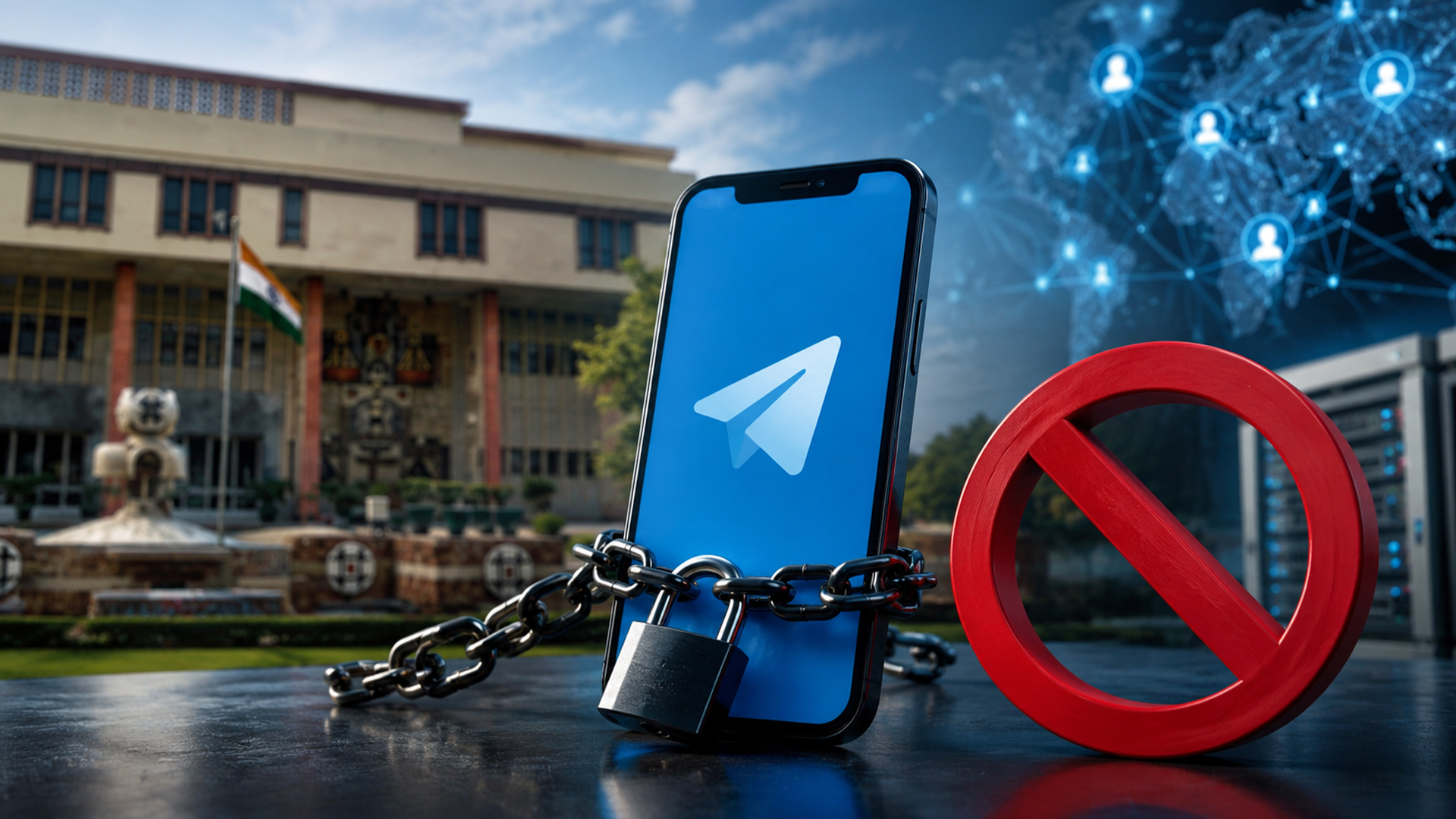
The Delhi High Court on Friday upheld the Centre’s temporary restriction on Telegram, clearing the way for the messaging platform to remain blocked until June 22 amid concerns over malpractice linked to the NEET-UG 2026 re-test.
The court ruled that the government had provided sufficient grounds for imposing the short-term ban, which was introduced ahead of the NEET re-examination scheduled for June 21. Authorities argued that the move was necessary to prevent the circulation of fake question papers, misinformation and cheating networks that could compromise the integrity of one of India’s most important entrance examinations.
Telegram had challenged the decision, contending that the blanket restriction unfairly impacted more than 150 million users in India and infringed on rights related to free speech and access to information. The company maintained that it had already removed hundreds of channels allegedly linked to exam scams and had taken steps to curb misuse of the platform.
During earlier hearings, the court had questioned whether the rights of millions of users could be curtailed because of the actions of a few individuals. However, after reviewing the government’s submissions, the bench concluded that the temporary measure was justified given the extraordinary circumstances surrounding the re-test.
The Centre told the court that Telegram had increasingly become a hub for organised cheating networks and misinformation campaigns related to competitive examinations. Officials argued that previous efforts, including targeted takedowns of individual channels, were insufficient to tackle the scale of the problem.
The restriction, enforced through telecom operators and app stores, will remain in place until June 22, covering the examination period and its immediate aftermath. The decision comes as authorities seek to restore confidence in the examination system after allegations of paper leaks triggered widespread concern among students and parents earlier this year.
For lakhs of aspiring medical students preparing for a crucial second chance, the court’s ruling signals that safeguarding the credibility of the examination process has been placed above the inconvenience caused to Telegram’s vast user base.