Meta CEO Mark Zuckerberg has apologised to the Indian government over problems involving child sexual abuse material (CSAM), deepfake content and operational errors on the company’s platforms, as tensions between New Delhi and the social media giant continue to grow.
The apology comes at a time when Meta is facing intense scrutiny in India over its content moderation systems and the way Facebook and Instagram handle harmful or sensitive material. The government has been seeking explanations from the company and pushing for stronger safeguards to prevent unlawful content from reaching users.
According to reports, Zuckerberg’s apology was conveyed after Meta’s global team met senior Indian government officials. The discussions focused on concerns surrounding CSAM, artificial intelligence-generated content and other operational lapses on Meta’s platforms.
The issue gained further attention after the Indian government directed Meta in July to remove offending content and explain how such material was allowed to appear on its platforms. Meta had said it follows a zero-tolerance policy towards child sexual exploitation and was working to improve its systems for detecting and removing such material.
The government’s concerns are not limited to harmful content involving children. The growing use of artificial intelligence has created a fresh challenge for social media companies, with deepfake videos, manipulated images and synthetic audio becoming increasingly difficult to distinguish from genuine material.
Deepfakes can be used to impersonate public figures, spread misinformation or create misleading narratives. Their growing presence has increased pressure on platforms to improve AI content detection and clearly identify manipulated material.
The Meta controversy also overlaps with a separate dispute involving PM Modi. A Facebook post featuring him was temporarily restricted last month. Meta subsequently acknowledged that the action was the result of an operational error.
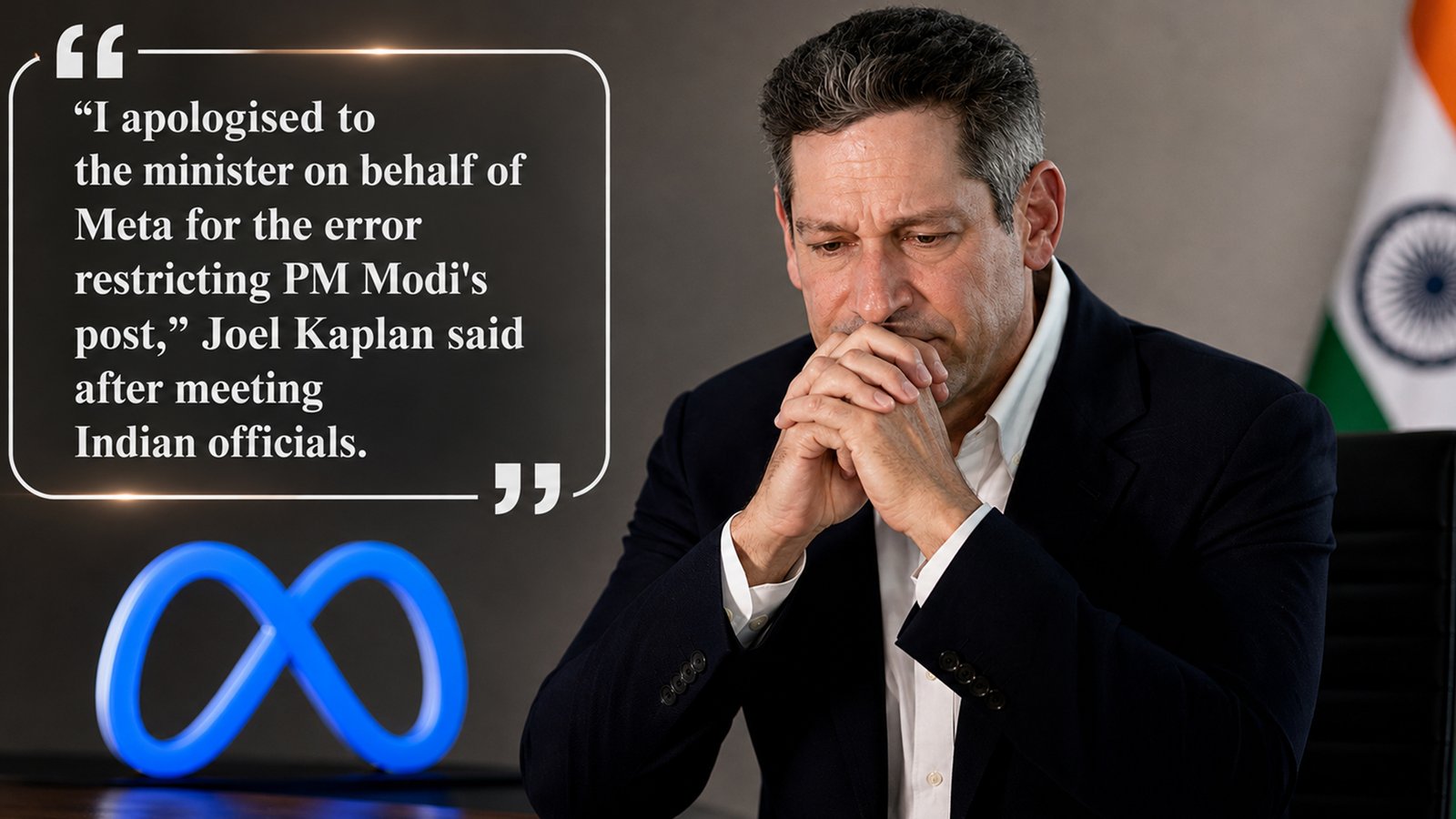
Meta’s Chief Global Affairs Officer Joel Kaplan apologised to Information Technology Minister Ashwini Vaishnaw over that specific incident. Kaplan’s apology is separate from Zuckerberg’s broader apology concerning CSAM, deepfake content and operational problems on the company’s platforms.
The temporary restriction of the Prime Minister’s post triggered a strong reaction from the government and added another layer to the growing debate over platform accountability in India.
The Parliamentary Standing Committee on Communications and Information Technology has also taken a tough position. The panel has demanded an apology from Zuckerberg over the Modi video episode and warned that Meta could face action if it fails to respond.
The committee has raised the possibility of reviewing Meta’s safe-harbour protection, an important provision under India’s information technology framework. Safe harbour generally protects intermediaries from being held liable for third-party content, provided they comply with the legal requirements applicable to them.
Any threat to that protection could have serious consequences for Meta because it could increase the company’s legal exposure for content posted by users on its platforms.
The latest developments reflect a broader change in the relationship between global technology companies and Indian regulators. Social media platforms are being asked to take greater responsibility for the material circulated through their services, particularly when it involves children, manipulated media, misinformation or other unlawful content.
For Meta, India is a particularly important market. Facebook and Instagram have a large user base in the country, while WhatsApp is widely used for personal communication, business and community interaction. Regulatory problems in India can therefore have implications well beyond a single platform or incident.
The company is now under pressure to show that its apologies will be followed by stronger action. Better content moderation, faster removal of harmful material and improved detection of AI-generated content are likely to remain central to discussions with Indian authorities.
The controversy also highlights the limitations of automated content moderation. Meta processes enormous volumes of posts, videos, advertisements and messages every day, making artificial intelligence an important part of its moderation systems. But when these systems make mistakes, the consequences can be significant.
In the Modi video case, the company has described the restriction as an operational error. In the case of CSAM and deepfake material, the government’s concern is more fundamental: how such content was able to appear on the platform and what safeguards were in place to prevent it.
The government is therefore looking for more than an apology. It wants platforms to demonstrate that their systems can identify harmful material quickly and prevent repeat incidents.
The latest apology from Zuckerberg signals that the company recognises the seriousness of the concerns raised by India. But the next stage will be judged less by words and more by how Meta improves its content moderation, AI safety and platform enforcement systems.
With the government maintaining a firm position on digital accountability, Meta’s response in the coming weeks could shape the next phase of its relationship with Indian regulators.