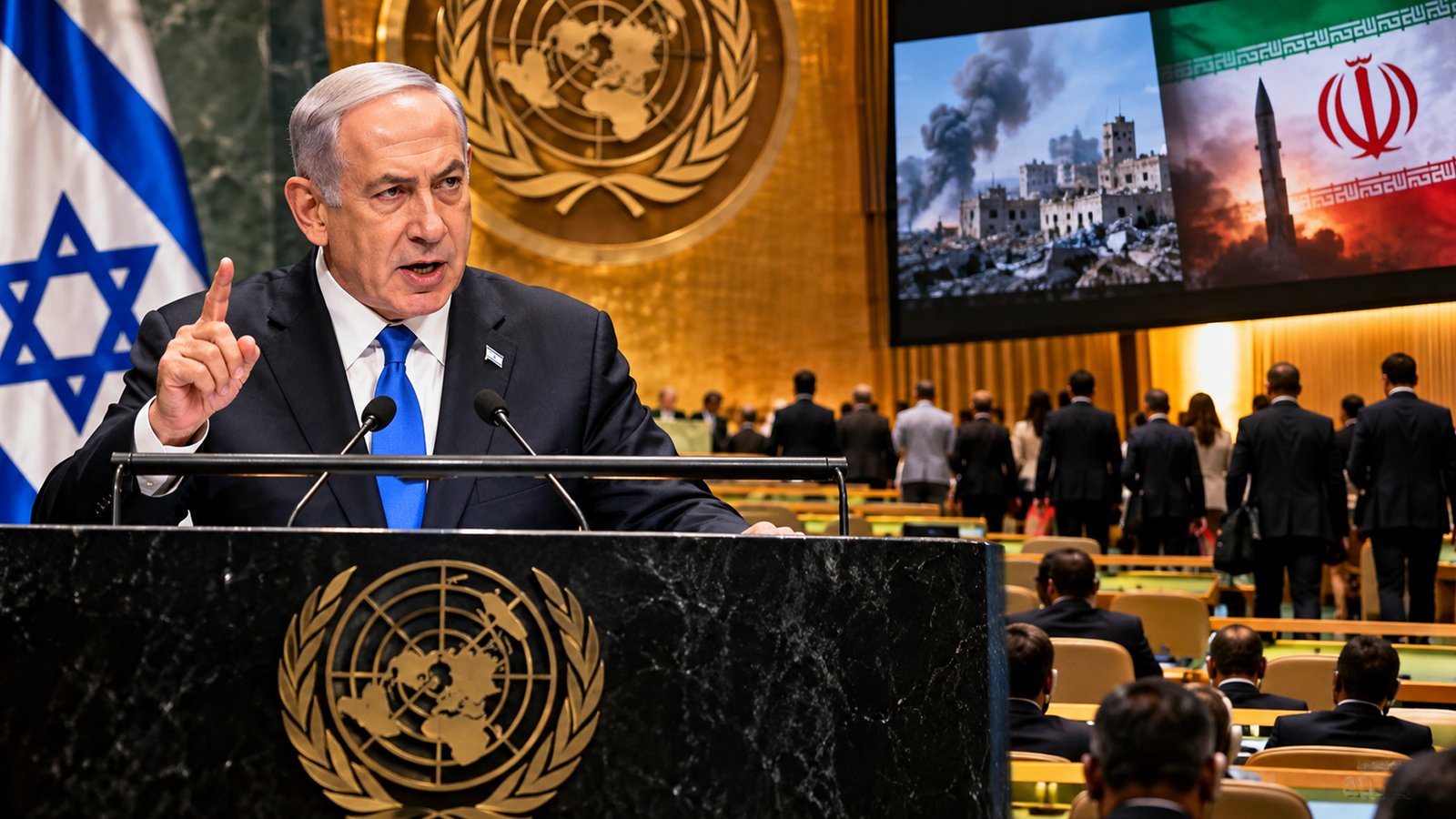
In a rare show of bipartisan unity, the US Senate has voted to limit President Donald Trump’s ability to continue military action against Iran without explicit approval from Congress, marking a significant political setback for the White House. The measure passed by a narrow 50-48 margin and follows a similar resolution approved earlier by the House of Representatives.
The resolution, introduced under the War Powers Act, directs the president to end US involvement in hostilities with Iran unless Congress authorises further military action. While the measure is largely symbolic and does not require Trump’s signature, it represents one of the strongest congressional assertions of war-making authority in recent years.
The vote comes at a sensitive time as Washington and Tehran continue efforts to negotiate a lasting peace agreement following months of conflict. Several lawmakers argued that Congress, not the president alone, has the constitutional authority to decide when the country goes to war. Supporters of the resolution said it was necessary to prevent further military escalation in the Middle East.
Notably, four Republican senators joined Democrats in backing the measure, highlighting growing unease within Trump’s own party over the conflict. Democratic Senator John Fetterman was the lone member of his party to vote against the resolution. The bipartisan support reflected increasing concern about the political and economic costs of the war.
The White House dismissed the Senate action, arguing that the resolution carries little legal force and insisting that hostilities have effectively ceased following a ceasefire agreement reached earlier this year. President Trump reportedly criticised the vote and described it as largely meaningless.
Despite its limited legal impact, the vote sends a strong political message. It underscores growing public and congressional discomfort with prolonged military engagements and reopens the debate over the balance of power between Congress and the president in matters of war and national security. Analysts say the resolution could influence future discussions on military intervention, even if it does not immediately change US policy toward Iran.