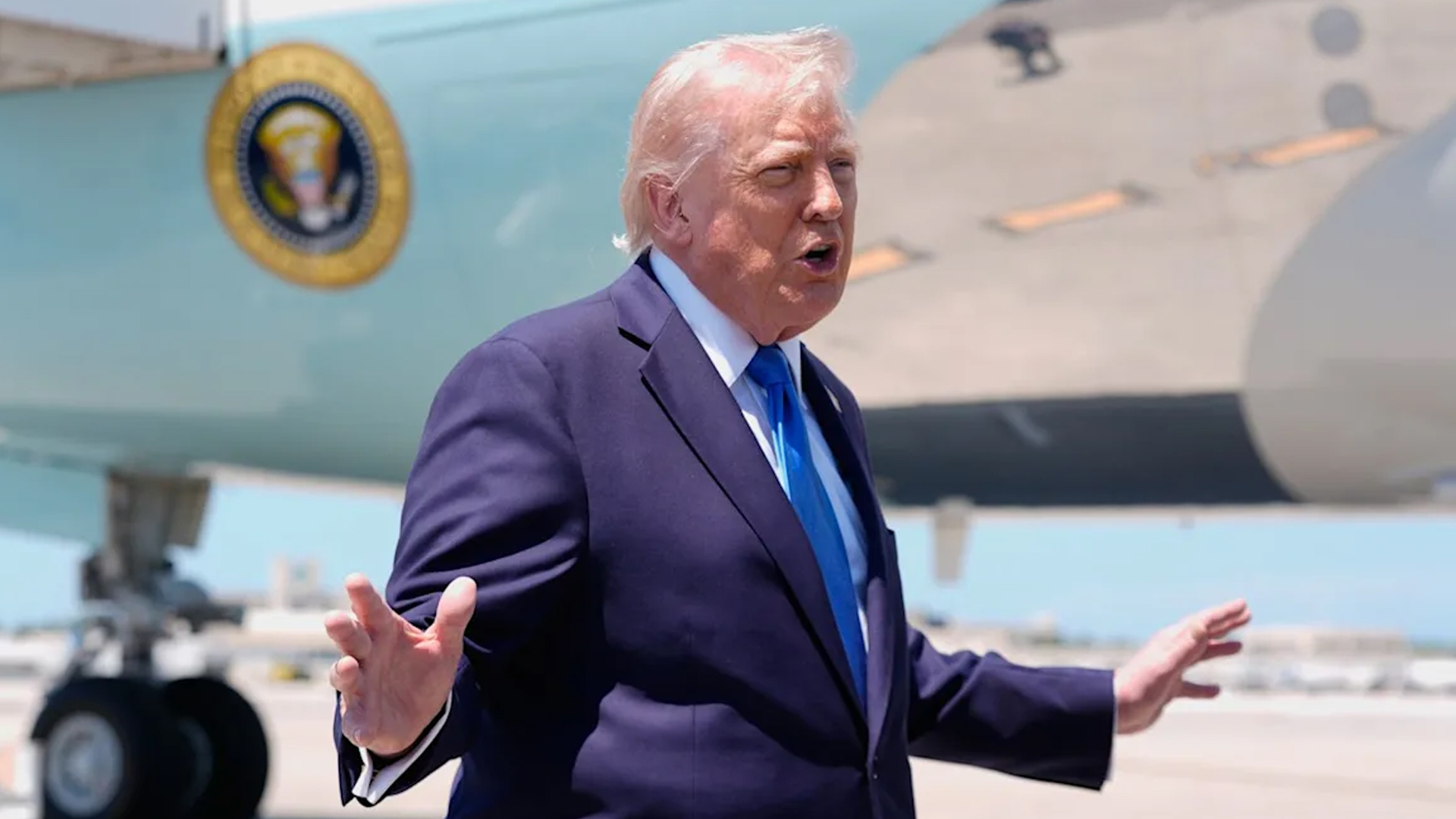
US President Donald Trump has announced an agreement on the disarmament of Hamas in Gaza, describing it as a major step towards ending the conflict and creating a new political and security framework for the Palestinian territory. The announcement came as Washington continued efforts to advance its broader Gaza peace plan, which seeks to end the fighting, establish a new administration in Gaza and begin large-scale reconstruction.
According to the proposed framework, Hamas and other armed Palestinian factions would give up their weapons and dismantle their military infrastructure as part of a phased process. The arrangement also links the disarmament process to a gradual withdrawal of Israeli forces from Gaza. The two developments are expected to move forward in stages, with international mechanisms proposed to verify whether the commitments are being carried out.
Trump’s announcement was made after discussions involving the US-backed Board of Peace and other parties involved in the Gaza negotiations. The agreement is aimed at resolving one of the most difficult issues in the conflict: Hamas’ continued possession of weapons and its military presence in Gaza. Israel has repeatedly demanded that Hamas be fully disarmed, while Hamas has resisted calls for an unconditional surrender of its weapons.
The proposed plan would reportedly involve the collection and removal of weapons held by Hamas and other armed groups. Military infrastructure, including tunnels and other facilities used by militant groups, would also be dismantled. An international verification mechanism would monitor the process and determine whether the required steps have been completed before the next stage of the agreement is activated.
A central feature of the roadmap is the creation of a new Palestinian administrative structure for Gaza. The proposed National Committee for the Administration of Gaza would take responsibility for civilian governance and public services. The arrangement is intended to move Gaza towards a Palestinian-led administration while preventing Hamas from retaining its previous role as the territory’s governing and military authority.
Security would also undergo a major change under the plan. An International Stabilization Force has been proposed to help maintain order, support Palestinian police and assist with the transition. The force would work alongside Palestinian security personnel as Gaza moves towards a new governance system. The broader objective is to create a security structure that does not depend on either Hamas or a permanent Israeli military presence.
The proposed Israeli withdrawal is closely connected to the disarmament process. Israeli troops would reportedly pull back in stages as areas are cleared of weapons and military infrastructure and responsibility is transferred to the new Palestinian administration and international security arrangements. The phased approach is intended to give both sides assurances that neither will be required to make all its concessions at once.
However, the agreement still faces significant challenges. Hamas has indicated that any discussion on disarmament must be linked to Israel fulfilling its own commitments. The group has demanded an end to Israeli military operations, an Israeli withdrawal from Gaza and improved humanitarian access. Hamas has also opposed any arrangement that would allow Israel to directly control or collect its weapons.
The proposed Gaza peace plan also places significant emphasis on reconstruction. International support would be required to rebuild damaged homes, hospitals, schools, roads and other essential infrastructure. The creation of a stable administrative system is expected to make it easier for international donors and agencies to coordinate reconstruction efforts.
The announcement represents an important diplomatic development, but it does not automatically mean that the Israel-Hamas war has ended. The agreement still needs to pass through several stages, including verification, political approval and implementation on the ground. The parties must also resolve disagreements over the timing of disarmament, Israeli withdrawal, security arrangements and Gaza’s future leadership.
If implemented, the agreement could fundamentally change Gaza’s political and security landscape. Hamas would lose its military role, Israeli forces would gradually withdraw, and a new Palestinian administration supported by international partners would take charge of the territory. But until those steps are carried out, the agreement remains a fragile framework rather than a completed peace settlement.
The coming weeks will therefore be crucial. The actual surrender of weapons, dismantling of military infrastructure, Israeli withdrawal and establishment of the new Palestinian administration will determine whether Trump’s latest Gaza initiative becomes a genuine turning point in the conflict or faces the same obstacles that have derailed previous peace efforts.
For Trump, the agreement provides a potentially significant breakthrough in his efforts to reshape the post-war future of Gaza. For Israel and Hamas, however, the next phase will be more complicated. The success of the plan will depend on whether both sides are willing to honour their commitments and accept international monitoring.