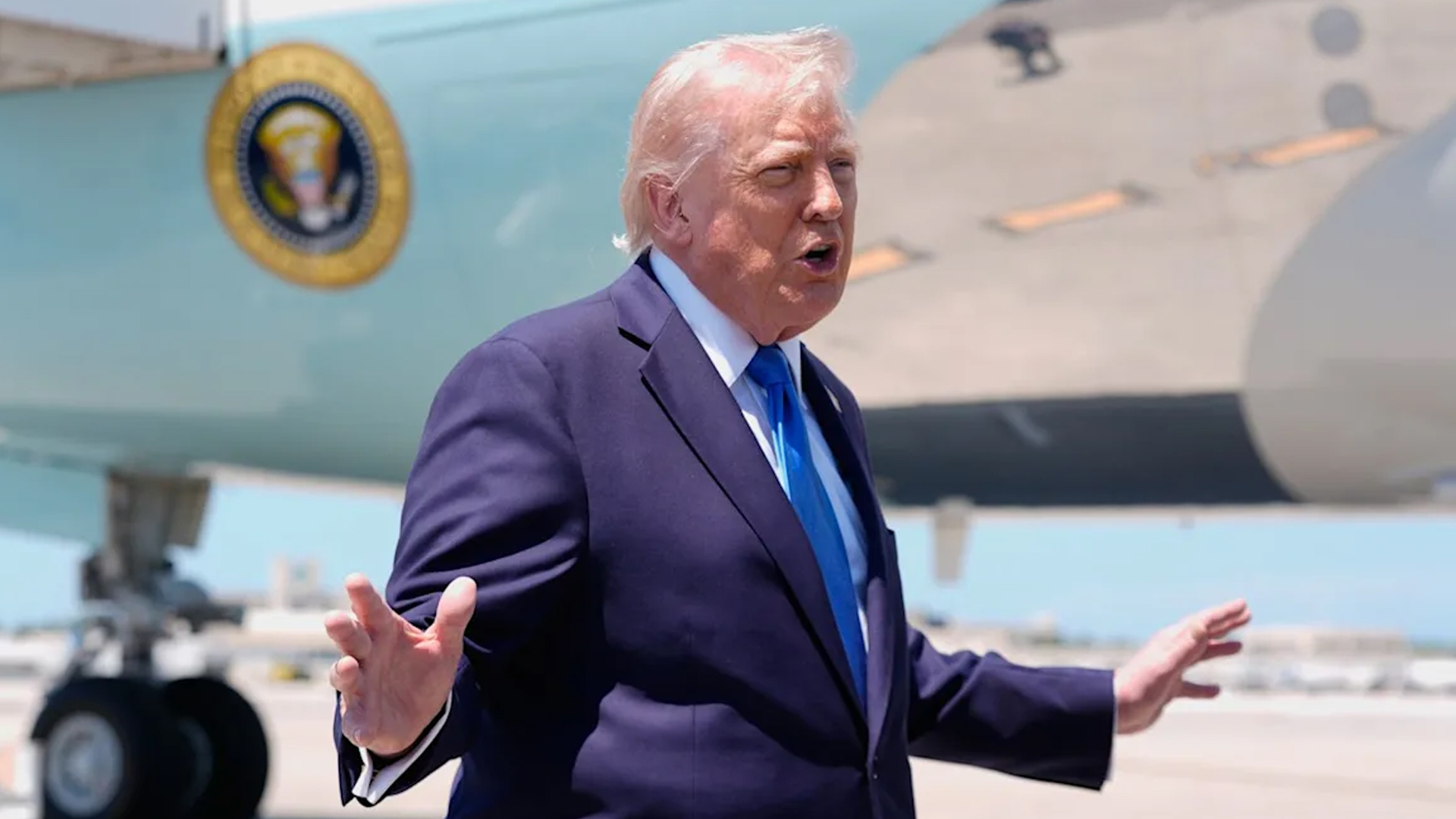
US President Donald Trump hosted Ukrainian President Volodymyr Zelenskyy and Israeli Prime Minister Benjamin Netanyahu at the White House on Monday in a series of high-level meetings that underscored Washington’s efforts to address two of the world’s most volatile conflicts. While the two leaders met Trump separately, the discussions centred on the war in Ukraine, the conflict in Gaza, Iran’s nuclear programme and broader regional security, highlighting the United States’ continued role in shaping global diplomacy.
The back-to-back meetings came at a time of mounting international uncertainty, with fighting continuing in Ukraine, tensions persisting in the Middle East and growing concerns about regional stability. The White House described both engagements as constructive, with Trump later telling reporters that his discussions with Zelenskyy and Netanyahu had gone “very well.”
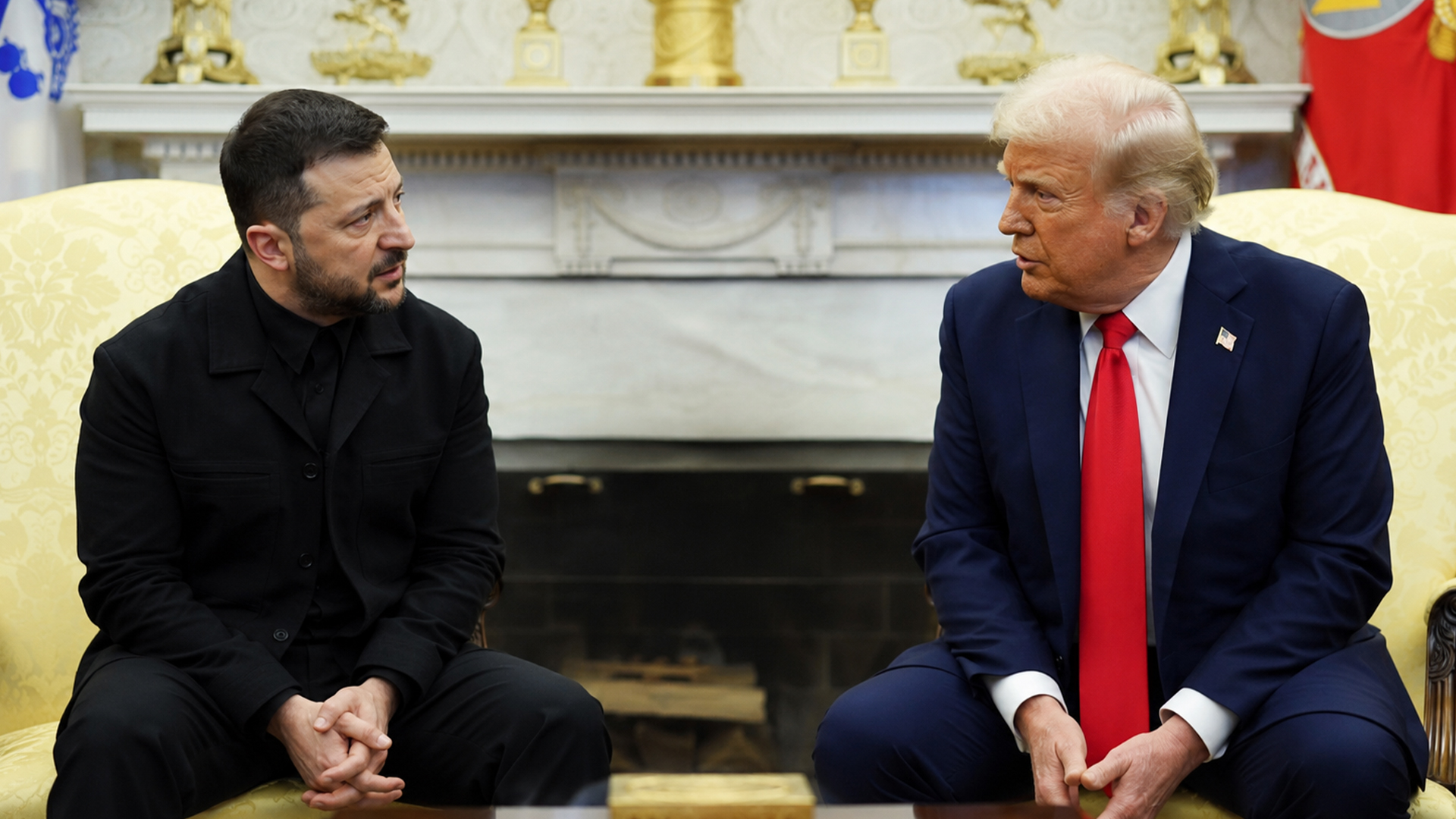
Trump first welcomed Zelenskyy to the Oval Office, where the two leaders held detailed talks on Ukraine’s military needs, ongoing peace efforts and long-term security. The meeting reflected renewed engagement between the two leaders following months of diplomatic outreach by Kyiv to ensure continued American support as the war with Russia enters another challenging phase.
During the talks, Zelenskyy reiterated Ukraine’s urgent need for stronger air defence systems to protect its cities and critical infrastructure from frequent Russian missile and drone attacks. According to officials familiar with the discussions, the Ukrainian President also explored the possibility of expanding defence cooperation, including arrangements that could eventually allow Ukraine to manufacture Patriot missile interceptors under licence. Such a move, Kyiv believes, would strengthen its ability to defend itself while reducing dependence on foreign supplies.
The leaders also discussed efforts to revive negotiations aimed at ending the war. Although no breakthrough was announced, both sides acknowledged that diplomatic engagement remains essential alongside continued military support. Zelenskyy maintained that any future peace agreement must safeguard Ukraine’s sovereignty, territorial integrity and long-term security.
Speaking after the meeting, Zelenskyy described the conversation as meaningful and thanked the United States for its continued assistance. He stressed that Ukraine values its partnership with Washington and remains committed to working closely with its allies to achieve a just and lasting peace.
The Ukrainian President’s visit also coincided with memorial events honouring the late US Senator Lindsey Graham, who had long been one of Ukraine’s strongest supporters in Washington. Zelenskyy paid tribute to Graham’s unwavering backing during the war, describing him as a friend who consistently advocated stronger sanctions against Russia and increased military assistance for Kyiv.
Later in the day, Trump welcomed Israeli Prime Minister Benjamin Netanyahu for another crucial meeting focused on developments in the Middle East. The visit came amid heightened regional tensions following recent military confrontations involving Iran, as well as continuing violence in Gaza.
The discussions covered a wide range of strategic issues, including Iran’s nuclear programme, the humanitarian situation in Gaza, regional security cooperation and efforts to expand diplomatic ties between Israel and Arab nations through the Abraham Accords.
While recent media reports had suggested differences between Washington and Jerusalem over the handling of Iran, both leaders projected unity after the meeting. Trump said the talks had been productive, while the White House described the discussions as positive and constructive.
Iran remained one of the central topics during the meeting. Both countries reaffirmed their shared objective of preventing Tehran from acquiring nuclear weapons, although officials acknowledged that approaches to diplomacy and future negotiations continue to evolve. Trump has repeatedly said that Iran must never become a nuclear-armed state while also indicating that diplomatic channels should remain available whenever possible.
The two leaders also reviewed the security situation in Gaza, where the humanitarian crisis continues to draw international concern. Thousands of civilians remain displaced, while aid agencies have warned about worsening shortages of food, medicine and essential supplies. Although no major announcements were made, officials said the humanitarian situation formed an important part of the discussions.
Netanyahu also briefed Trump on Israel’s security concerns, including threats from armed groups operating in Gaza, Lebanon and elsewhere in the region. The leaders reaffirmed the long-standing strategic partnership between the United States and Israel and discussed continued cooperation on defence and intelligence.
Outside the White House, protesters gathered to demonstrate against Netanyahu’s visit, reflecting continuing global divisions over the conflict in Gaza. Demonstrators called for an immediate ceasefire, greater protection for civilians and increased humanitarian assistance to affected communities.
onflict, uncertainty and rapidly shifting geopolitical realities.