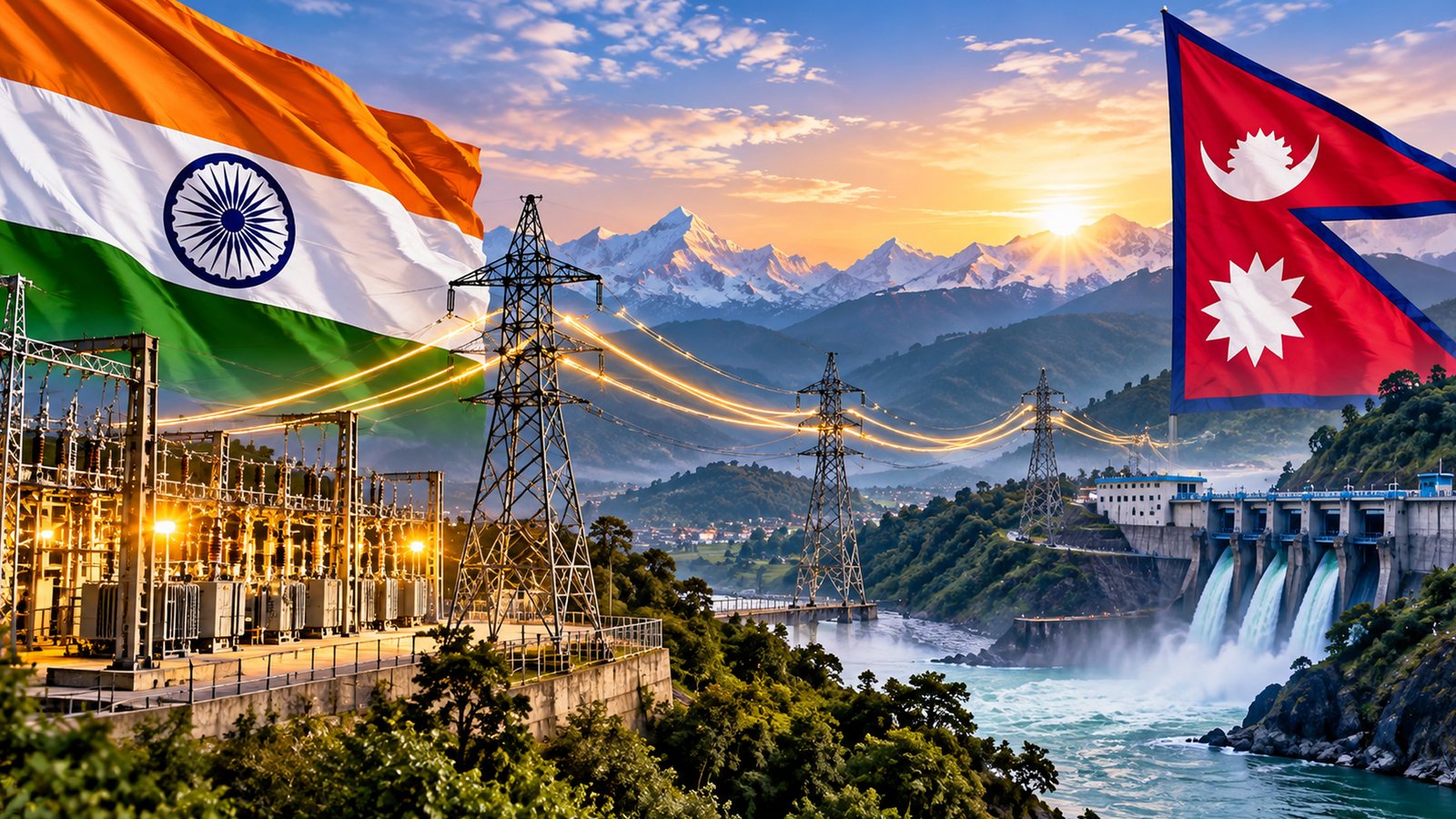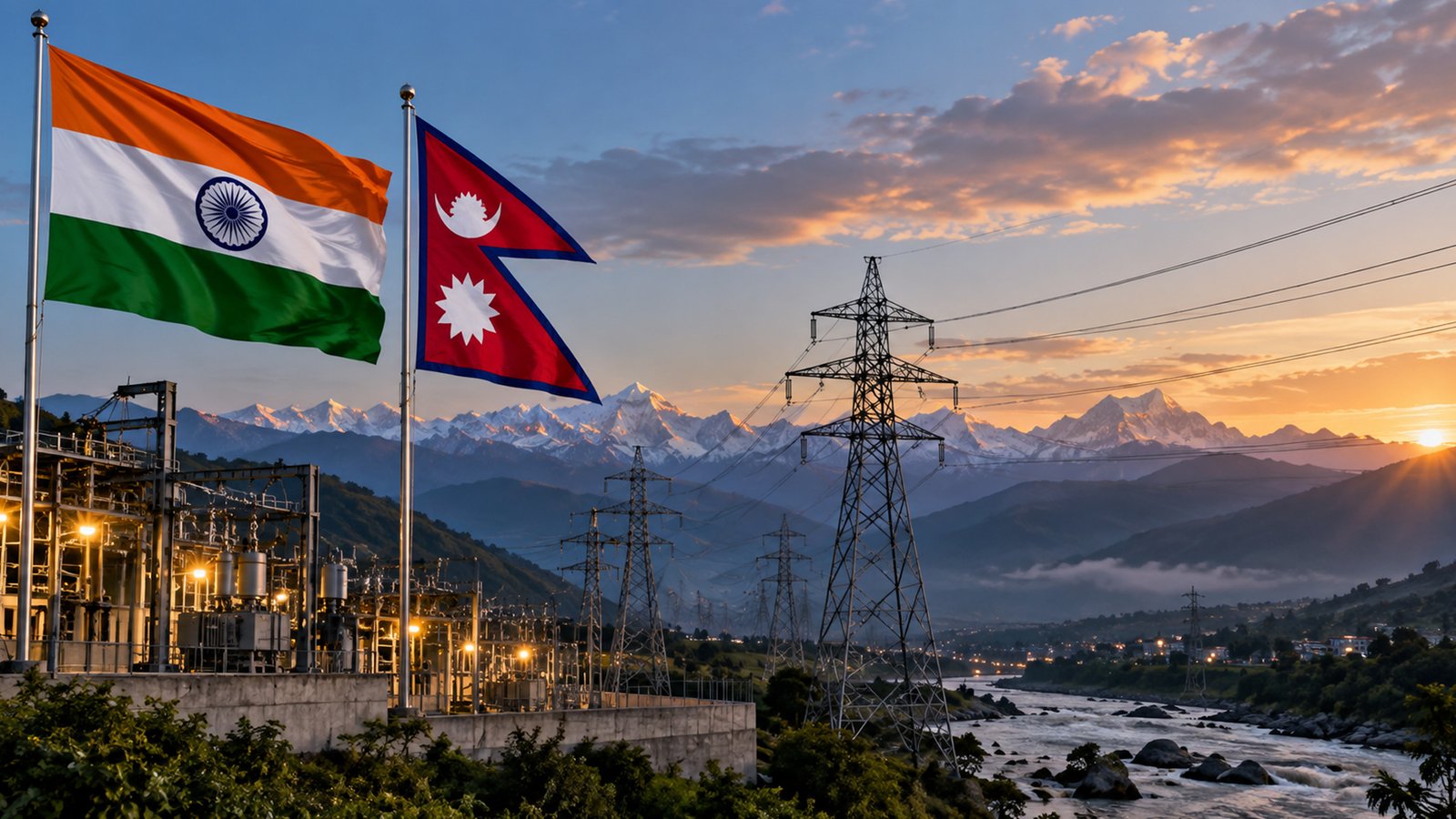
India has approved the supply of up to 654 MW of electricity to Nepal for 18 hours a day until December 31, 2026. The decision comes after severe floods damaged several hydropower plants and power infrastructure in Nepal.
The electricity supply will start from September 13. Nepal will be able to buy power from India between midnight and 6 pm every day. The arrangement is aimed at helping Nepal meet its electricity needs while it repairs its damaged power plants and transmission lines.
Under the agreement, up to 600 MW will be supplied through the Muzaffarpur-Dhalkebar 400 kV transmission line. Another 54 MW will come through the Tanakpur-Mahendranagar 132 kV line.
The amount of electricity needed after December will be reviewed later this year. The two countries are expected to assess Nepal’s power situation in December before deciding on supplies from January 2027.
The decision follows devastating floods and landslides that hit parts of Nepal in late August. The floods damaged hydropower projects, transmission lines, roads and other important infrastructure.
Nepal depends heavily on hydropower for its electricity needs. During the rainy season, the country normally produces more electricity than it needs. This has allowed Nepal to export power to India and Bangladesh in recent years.
The floods have changed that situation. Several power plants were damaged or stopped working, while transmission lines were also affected. This has reduced Nepal’s ability to generate and move electricity across the country.
The disaster also disrupted Nepal’s electricity exports. Before the floods, Nepal was exporting around 1,000 MW of electricity during the wet season. The damage brought exports down sharply, with several hydropower projects unable to generate or transmit power.
The floods also affected electricity supplies to Bangladesh. Two hydropower projects that were being used to supply Bangladesh through India were damaged, forcing the exports to stop.
The situation has increased Nepal’s need for electricity from India.
The latest agreement will help Nepal maintain power supplies to homes, businesses and essential services while repair work continues. The additional electricity is particularly important as the country works to restore its damaged energy infrastructure.
India has also provided wider assistance to Nepal following the floods. Relief supplies and other emergency support have been sent to help people affected by the disaster.
The floods caused heavy loss of life and widespread destruction. Nepal had reported more than 1,300 deaths and thousands of people missing by September 11. Several hydropower projects were among the infrastructure damaged by the floods.
The crisis has highlighted the importance of India-Nepal energy cooperation. The two countries have been expanding electricity trade in recent years, with India’s power grid playing an important role in Nepal’s growing hydropower sector.
Nepal has been working to become a major regional electricity exporter. Its hydropower potential is large, and electricity exports to India have become an important source of revenue. The country has also started supplying electricity to Bangladesh through the Indian transmission network.
The floods have temporarily disrupted that progress. Restoring damaged hydropower plants and transmission systems could take considerable time, particularly in areas where roads and other infrastructure have also been destroyed.
India’s decision to provide up to 654 MW therefore gives Nepal an important source of electricity during the recovery period.
The power supply will continue until the end of December. Both sides will then review Nepal’s requirements and decide the next steps.
The arrangement is also significant for the wider South Asian power market. Better connections between India, Nepal and Bangladesh have made it possible to share electricity across borders and use regional power resources more efficiently.
Nepal need to keep the electricity supply running while rebuilding damaged hydropower infrastructure. India’s additional power will help bridge that gap and provide some stability during the recovery from the devastating floods.
The power supply will provide Nepal with much-needed support as it rebuilds its damaged energy infrastructure. Several hydropower plants and transmission lines were affected by the floods, reducing electricity generation and disrupting supplies. India’s assistance will help Nepal meet demand while repair and restoration work continues.
The move also strengthens India-Nepal energy cooperation, with electricity trade becoming an important part of bilateral ties. Nepal has been expanding its hydropower capacity and electricity exports in recent years.