A Nepali Sherpa guide has survived six days in Mount Everest’s notorious “death zone” after being presumed dead, in what mountaineering experts are calling one of the most remarkable survival stories in the mountain’s history.
The climber, 34-year-old Gelje Sherpa, went missing while descending from Everest during the recent climbing season. After losing contact with his team at an altitude above 8,000 metres, rescuers feared the worst. Family members and colleagues believed he had died, and traditional funeral rites were reportedly being planned in his home village.
The area above 8,000 metres is known as the “death zone” because oxygen levels are extremely low, making survival difficult even for experienced climbers. Most mountaineers spend only limited time in this region due to the risk of altitude sickness, exhaustion and severe weather.
After several days with no sign of the Sherpa, hopes of finding him alive had largely faded. However, a search team eventually discovered him alive on the mountain. Reports said he had survived without external assistance for nearly six days under extremely harsh conditions.
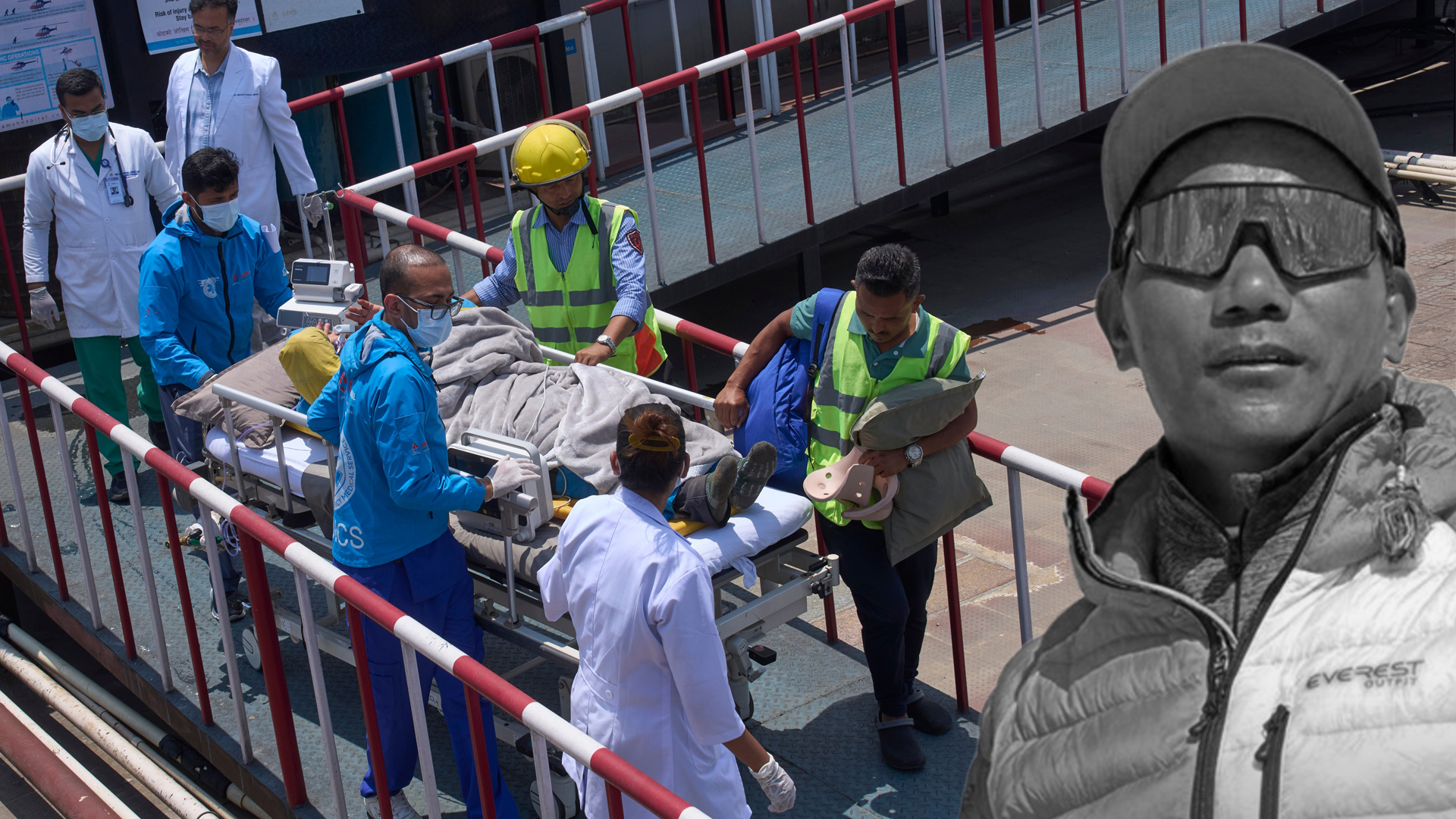
Rescuers described the survival as extraordinary given the altitude, freezing temperatures and lack of oxygen. The Sherpa was reportedly weak and suffering from the effects of prolonged exposure but was conscious when found. He was later evacuated for medical treatment and is expected to recover.
The incident has drawn widespread attention across Nepal’s mountaineering community, where Sherpa guides play a crucial role in supporting climbers attempting to reach the world’s highest peak. Many experienced climbers noted that surviving for such a long period in the death zone is exceptionally rare.
Mount Everest, which stands at 8,849 metres above sea level, attracts hundreds of climbers each year. Despite advances in equipment and rescue operations, the mountain remains one of the world’s most dangerous climbing destinations.
Also Read: US judge blocks Trump’s immigration freeze affecting 39 nations