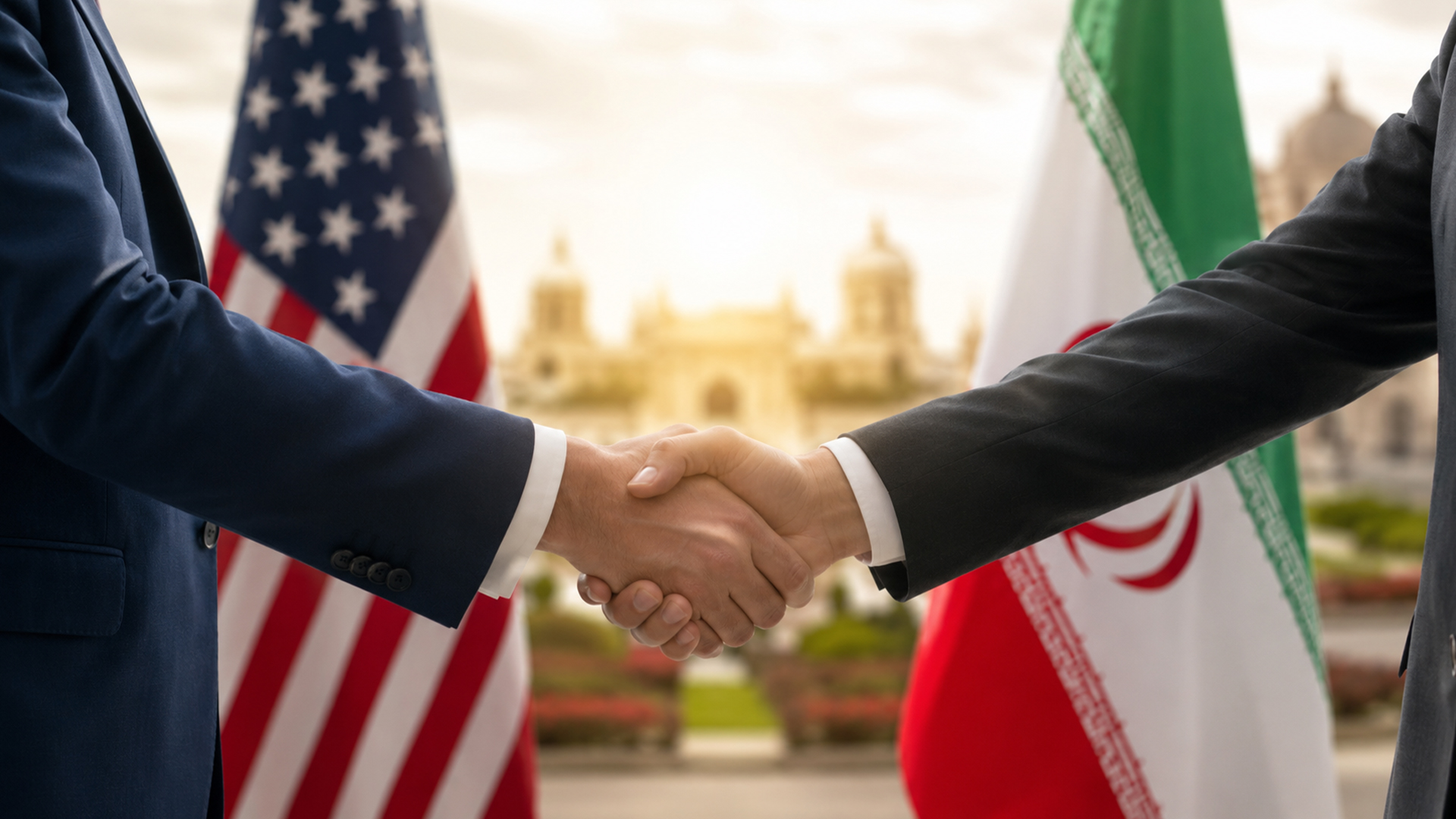
The United States and Iran have reached a preliminary peace agreement aimed at ending nearly four months of conflict, with a formal signing ceremony scheduled for Friday in Switzerland.
The breakthrough was announced by Pakistani Prime Minister Shehbaz Sharif, whose government played a key role in mediating negotiations between the two countries. According to Sharif, both sides have agreed to the immediate and permanent cessation of military operations across all fronts, including in Lebanon.
US President Donald Trump also confirmed that an agreement had been reached, describing the deal as complete and authorising steps toward reopening the Strait of Hormuz, one of the world’s most important oil shipping routes. The agreement is expected to end the US naval blockade of Iranian ports and restore normal maritime traffic in the region.
The peace framework has been welcomed internationally as a major diplomatic breakthrough. Global leaders, including officials from Europe, the Middle East and the United Nations, praised the agreement and called for its full implementation. Many described the deal as an important step toward regional stability and lower geopolitical tensions.
However, several key issues remain unresolved. The future of Iran’s nuclear programme will be discussed during a 60-day negotiation period following the signing of the agreement. Talks are expected to focus on sanctions relief, nuclear inspections and the management of Iran’s enriched uranium stockpile.
The announcement comes despite continued tensions in the region. An Israeli strike on Beirut’s southern suburbs over the weekend drew criticism from both Iran and the United States, highlighting the fragile nature of the emerging peace process. Israel has indicated that it is not a direct party to the proposed US-Iran agreement.
Financial markets responded positively to the development. Oil prices fell sharply on expectations that the Strait of Hormuz will reopen and energy supplies will stabilise. Analysts say the agreement could help ease global inflation concerns and reduce uncertainty in international markets.
If formally signed this week, the agreement would mark one of the most significant diplomatic developments in the Middle East in recent years.
Also Read: Rupee climbs to 94.60 against US dollar