India has confirmed that 22 of its nationals, including 14 seafarers, have died during the ongoing West Asia conflict, highlighting the growing human cost of regional instability. The Ministry of External Affairs (MEA) shared the figures on October 28 as the government continued to monitor the safety of Indian citizens and shipping operations across the region.
MEA spokesperson Randhir Jaiswal said the government remained concerned about the conflict and was maintaining contact with Indian communities in Gulf countries to monitor their safety and provide assistance. He also confirmed that three Indian nationals had lost their lives in Saudi Arabia amid the wider regional tensions.
The announcement comes as External Affairs Minister S Jaishankar prepares to attend the G20 Foreign Ministers’ Meeting in Atlanta, the United States, on October 30 and 31. The meeting will provide India with an opportunity to engage international partners on regional security, global economic challenges and the protection of international trade routes.
Jaishankar is also scheduled to participate in a Quad Foreign Ministers’ Meeting on the sidelines of the G20 gathering. The Quad comprises India, the United States, Japan and Australia. Its cooperation covers maritime security, technology, economic resilience and regional stability. The minister is also expected to hold bilateral discussions with counterparts during his visit.
The diplomatic engagements come at a time when the conflict in West Asia has raised concerns about the safety of Indian nationals, the movement of commercial vessels and the security of critical infrastructure. India has consistently called for dialogue and diplomacy to resolve regional tensions and prevent further escalation.
The conflict intensified on February 28, 2026, when the United States and Israel launched attacks on Iran. Tehran retaliated with strikes targeting Israel and US-linked interests across the Gulf. The resulting instability has affected security calculations across the region and raised concerns about the movement of oil, gas and other essential goods.
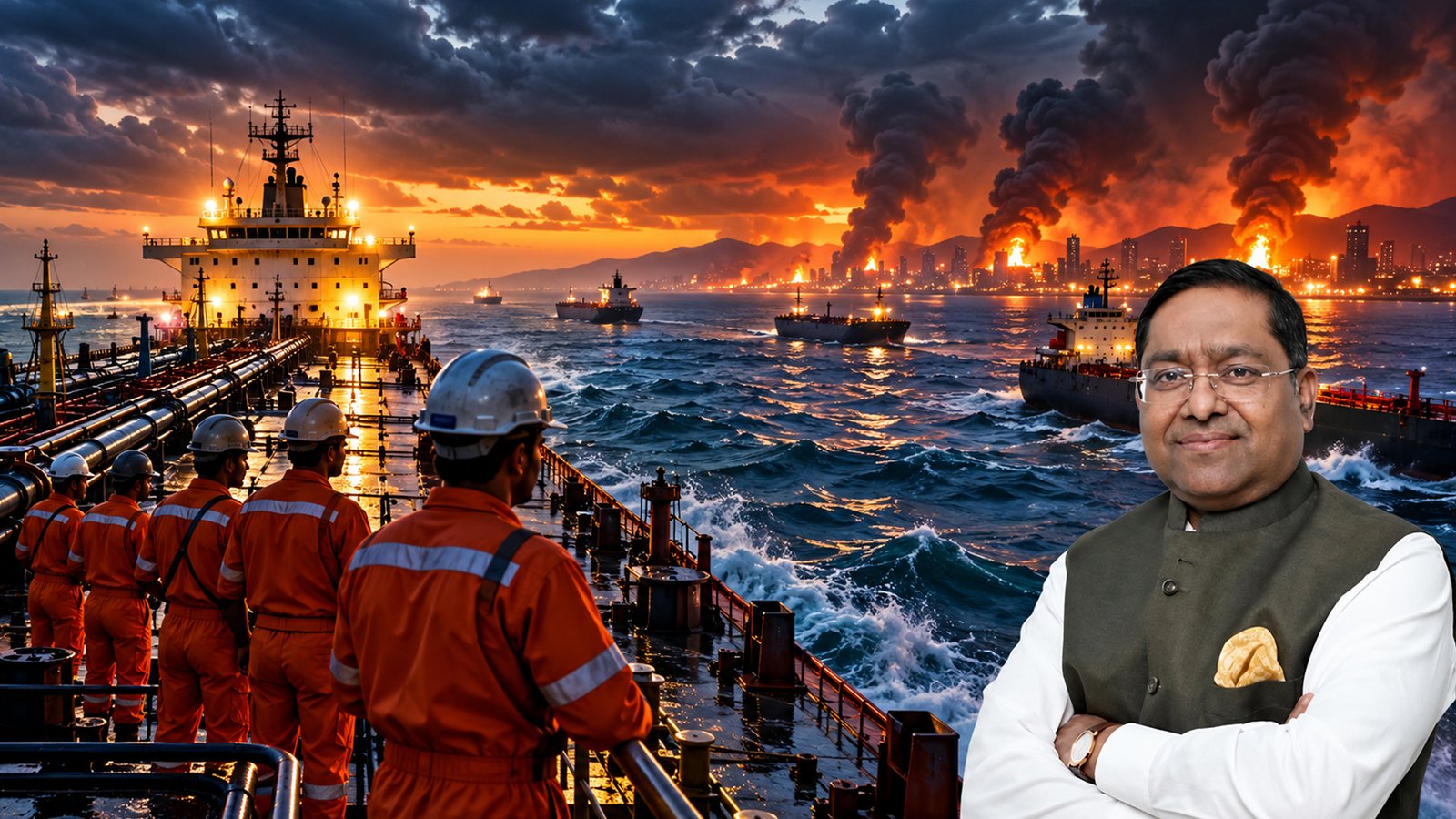
Commercial shipping has become a major concern as vessels and their crews face risks in strategically important waterways. The deaths of 14 Indian seafarers underline the dangers faced by maritime workers operating in areas affected by conflict. Indian nationals form a substantial part of the global merchant shipping workforce, with many serving aboard foreign-flagged vessels.
Attacks on commercial ships can endanger crew members and disrupt international supply chains. The Strait of Hormuz is particularly important because a significant share of global oil shipments passes through the narrow waterway. Prolonged disruption could affect energy prices, shipping costs and supplies for importing countries such as India.
India depends heavily on reliable maritime routes for energy imports and international trade. Any sustained disruption in West Asia could increase freight charges, delay shipments and put additional pressure on businesses and consumers. Higher energy prices could also influence inflation and transport costs.
Security concerns extend to the Bab-el-Mandeb Strait, which links the Red Sea with the Gulf of Aden and serves as a key passage for shipping between Europe and Asia. Disruptions in this corridor can force vessels to take longer routes, increasing fuel consumption, transit times and operating expenses.
India has also expressed concern over attacks on civilian infrastructure and economic assets in Saudi Arabia. Such incidents have raised questions about the security of energy facilities and the stability of regional supply networks. New Delhi has stressed the need to protect civilians and prevent further escalation.
The MEA has said Indian diplomatic missions remain in contact with communities across the Gulf to follow developments and provide support where necessary. Protecting Indian citizens remains a priority, particularly for workers and seafarers who may be exposed to security risks while carrying out their duties.
Following his engagements in Atlanta, Jaishankar is scheduled to travel to St John’s, Antigua and Barbuda, to lead India’s delegation at the Commonwealth Heads of Government Meeting, scheduled from November 1 to 4. The meeting will focus on accelerating partnerships and investment for a prosperous Commonwealth.
The diplomatic visits will give India further opportunities to discuss international cooperation, economic development and regional stability. However, the immediate challenge remains the evolving security situation in West Asia and its consequences for Indian citizens and maritime trade.
The confirmed deaths underline the human cost of the conflict and the risks faced by Indian workers abroad. As Jaishankar prepares for discussions with international partners, the safety of Indian nationals, secure shipping routes and stability across West Asia are expected to remain important concerns for New Delhi.