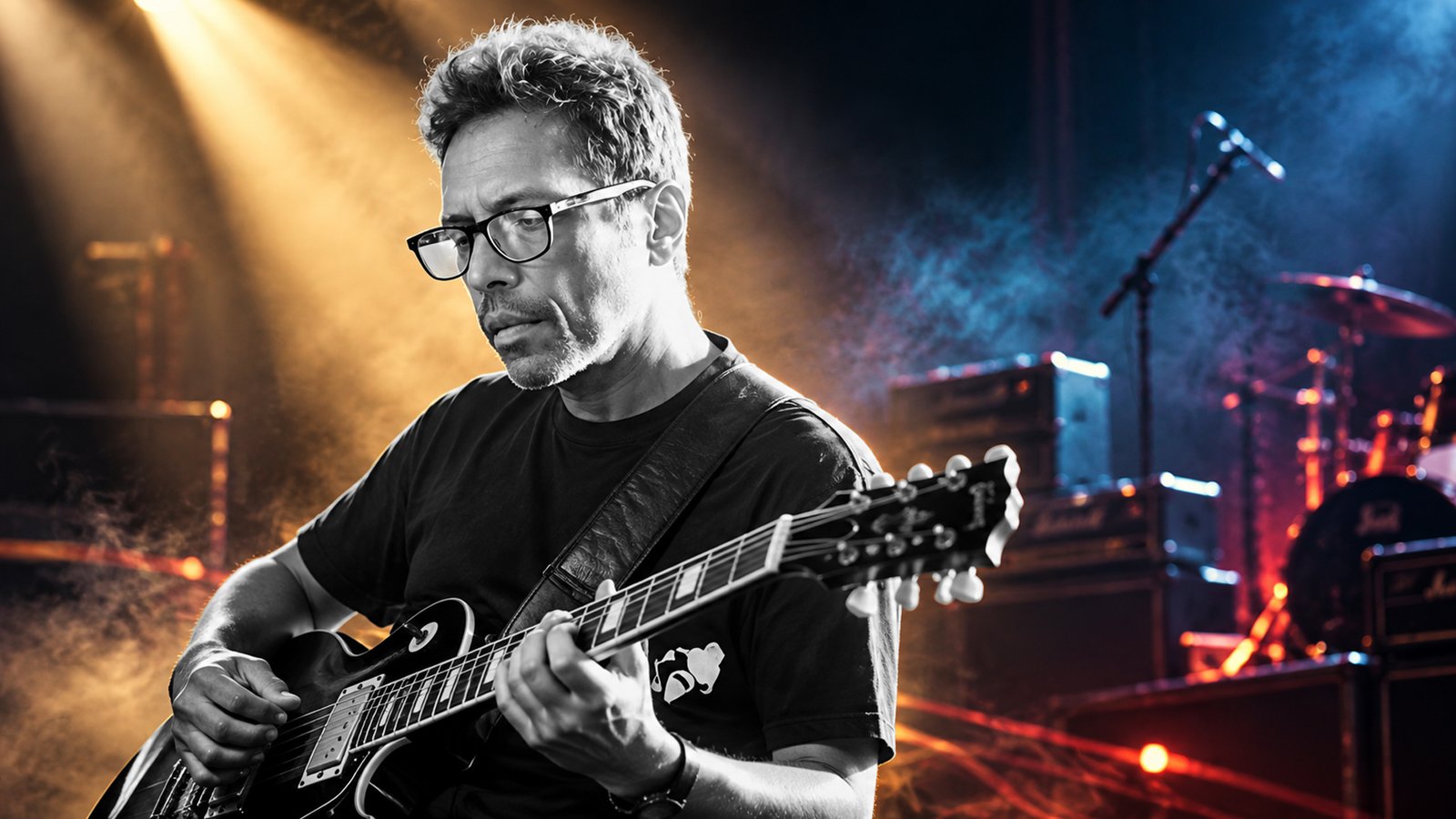
Mahesh Tinaikar, the founding guitarist of Indian rock band Rock Machine, later known as Indus Creed, has died in Mumbai. His passing marks the loss of a musician who helped shape India’s rock music scene and inspired generations of artists to explore original music beyond Bollywood.
Tinaikar was closely associated with the rise of Indian rock during the 1980s, when a small but determined group of musicians began building an audience for English-language rock music in the country. At a time when film soundtracks dominated popular music, bands such as Rock Machine showed that Indian musicians could create their own sound, write original songs and perform for audiences drawn to rock.
News of his death has brought renewed attention to the contribution of Indus Creed, one of India’s pioneering rock bands. While reports have differed on Tinaikar’s age, his influence on the country’s independent music movement remains an important part of his legacy.
Rock Machine was formed in Mumbai in 1984 by a group of musicians who wanted to build a distinctive Indian identity within the international rock tradition. The band featured vocalist Uday Benegal, guitarist Mahesh Tinaikar, bassist Mahesh Mathai, drummer Suresh Talwalkar and keyboardist Zubin Balaporia at different stages of its journey.
The group gained attention for its energetic live performances and original compositions. Its music drew on hard rock and other Western influences while developing a style that connected with Indian listeners. The band became part of a growing music culture that brought rock concerts, original songwriting and independent albums to audiences beyond the mainstream film industry.
Rock Machine’s debut album, Rock ‘n’ Roll Renegade, released in 1988, became an important release in the history of Indian rock. It helped establish the band as a serious presence in the country’s emerging independent music scene.
In 1993, the group changed its name to Indus Creed. The decision reflected a desire to develop a broader musical identity and reach a wider audience. The band continued to build its reputation through recordings and performances, becoming one of the best-known names in Indian rock.
Indus Creed’s music stood apart from the dominant trends of the time. Rather than depending on film songs or cover versions alone, the band focused on original material. Its work helped demonstrate that Indian artists could build careers around their own compositions and create music with an identity of its own.
The band also became known for Pretty Child, a song that received international attention and helped introduce Indus Creed to listeners outside India. Its success was significant for an Indian rock group at a time when global music platforms and digital distribution were far less accessible than they are today.
Tinaikar’s role as guitarist was central to the band’s sound. The guitar was not simply a supporting instrument; it helped define the energy, arrangements and character of the music. His work formed part of a wider effort by Indian musicians to make rock music that could stand alongside international acts while retaining its own identity.
The impact of Rock Machine and Indus Creed extended beyond their recordings. Their performances and commitment to original music helped open doors for younger musicians who wanted to pursue rock, alternative music and independent songwriting. The band became a reference point for artists who believed that Indian music could reach audiences without following the conventional path through playback singing and film soundtracks.
India’s independent music industry has changed considerably since the 1980s. Digital streaming, social media and online video platforms now allow musicians to reach listeners directly, while music festivals and independent labels offer more opportunities to perform and release original work. The scene Tinaikar helped build was smaller and had fewer avenues, making the early success of bands such as Rock Machine particularly important.
His passing is therefore being felt not only as the loss of a guitarist but also as the loss of a musician connected to a formative period in Indian rock history. The band’s journey from Rock Machine to Indus Creed remains a reminder of how a small group of artists helped widen the possibilities for original music in India.
For fans, Tinaikar’s legacy lives on through the songs, recordings and performances that helped define an era. For younger musicians, his journey offers a reminder that building a lasting musical identity often begins with the willingness to create something different.
As tributes emerge, the contribution of Mahesh Tinaikar and his bandmates stands as an important chapter in the story of Indian rock — one built on original songwriting, live performance and the belief that Indian musicians could make their own place in the global music landscape.