
Technology
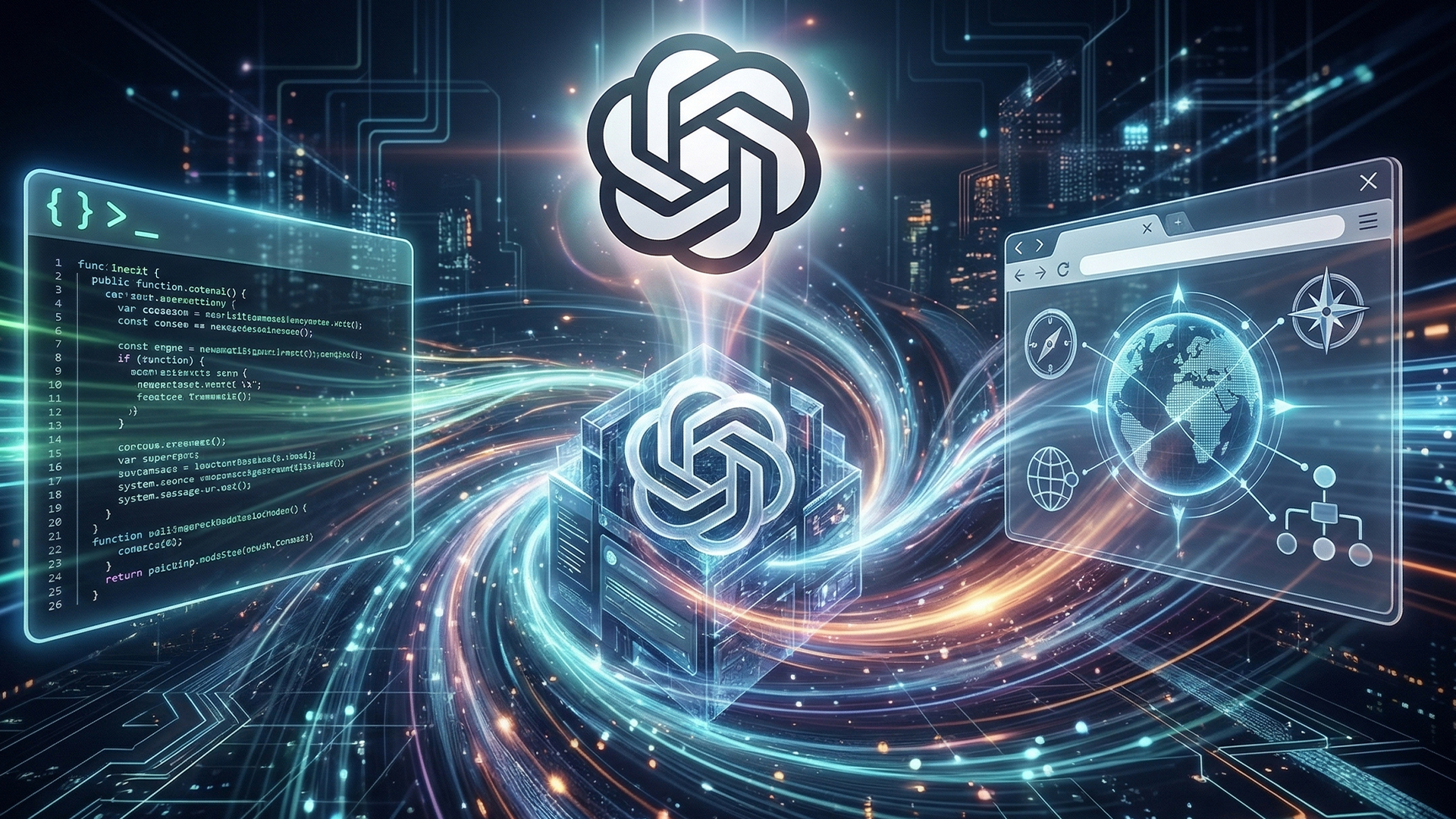
OpenAI plans desktop superapp with AI tools
OpenAI is planning a new desktop “superapp” that will bring together its main tools, ChatGPT, Codex, and…
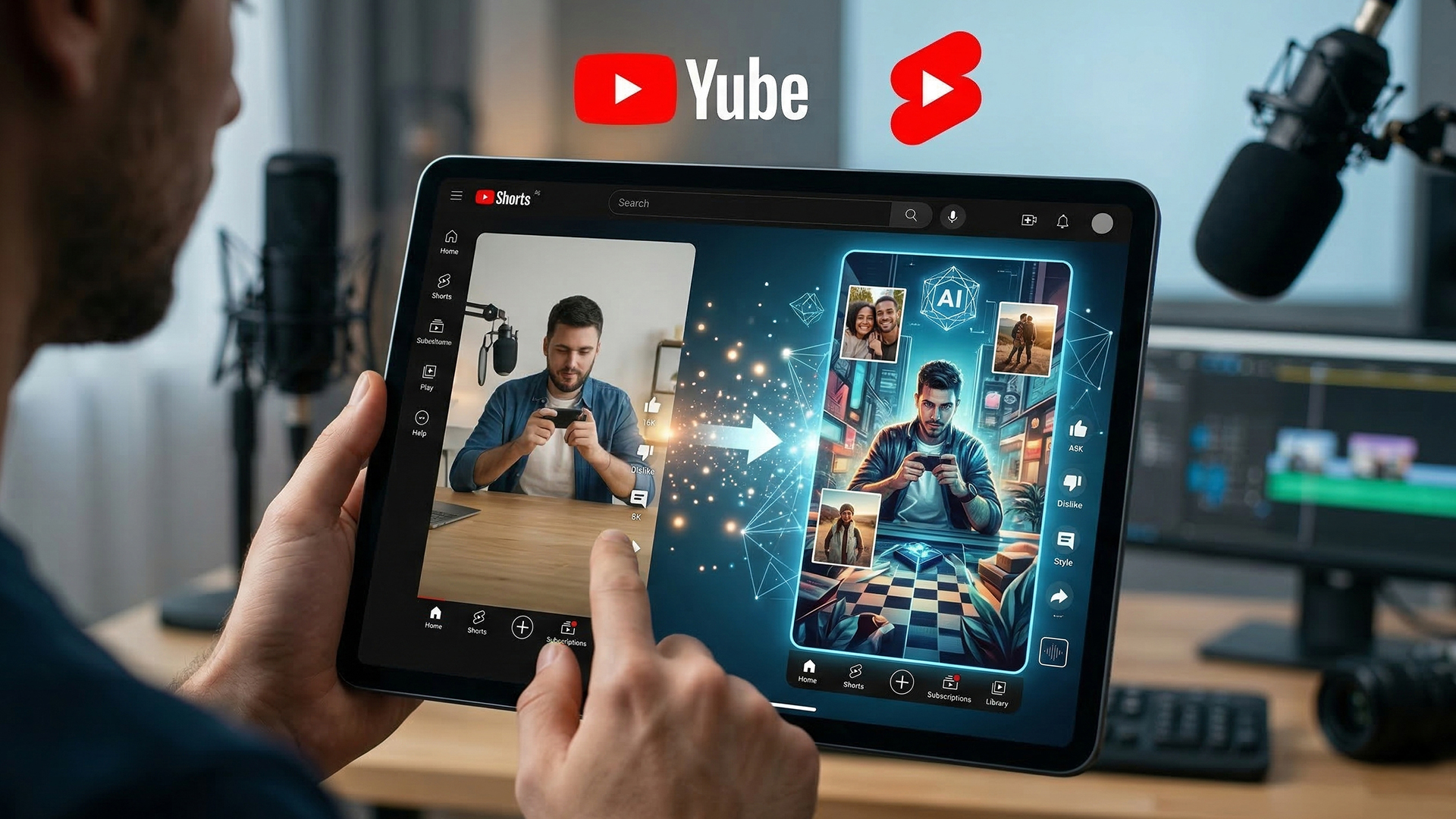
YouTube rolls out AI ‘Reimagine’
YouTube has unveiled a new AI-powered feature called “Reimagine” for YouTube Shorts, designed to make video editing…
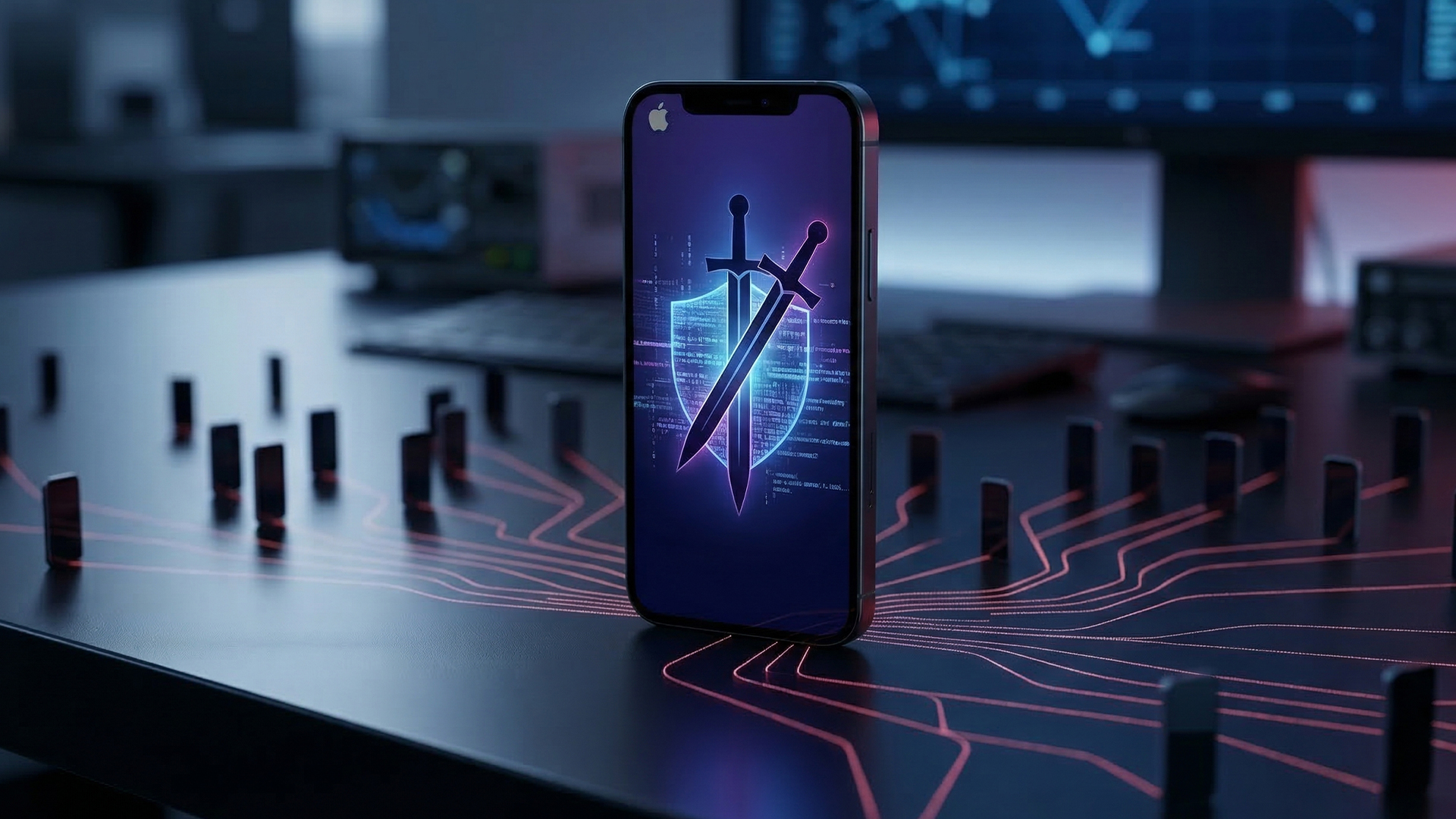
DarkSword Spyware puts iPhones at risk
A newly identified spyware called DarkSword is raising serious concerns among cybersecurity experts, as it could expose…
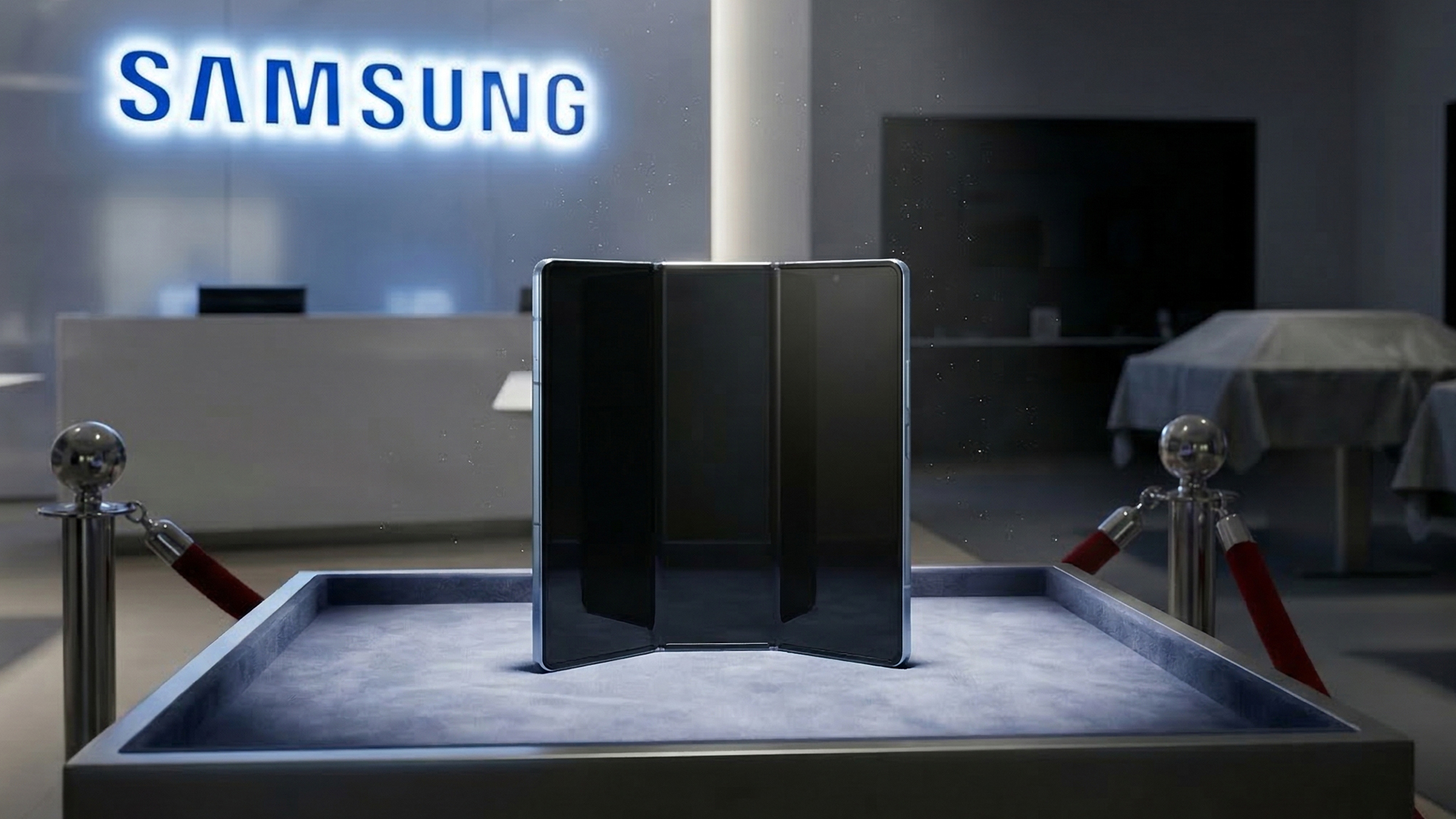
Samsung halts Galaxy Z TriFold sales
Samsung Electronics has announced that it will stop selling its most expensive smartphone, the Galaxy Z TriFold,…
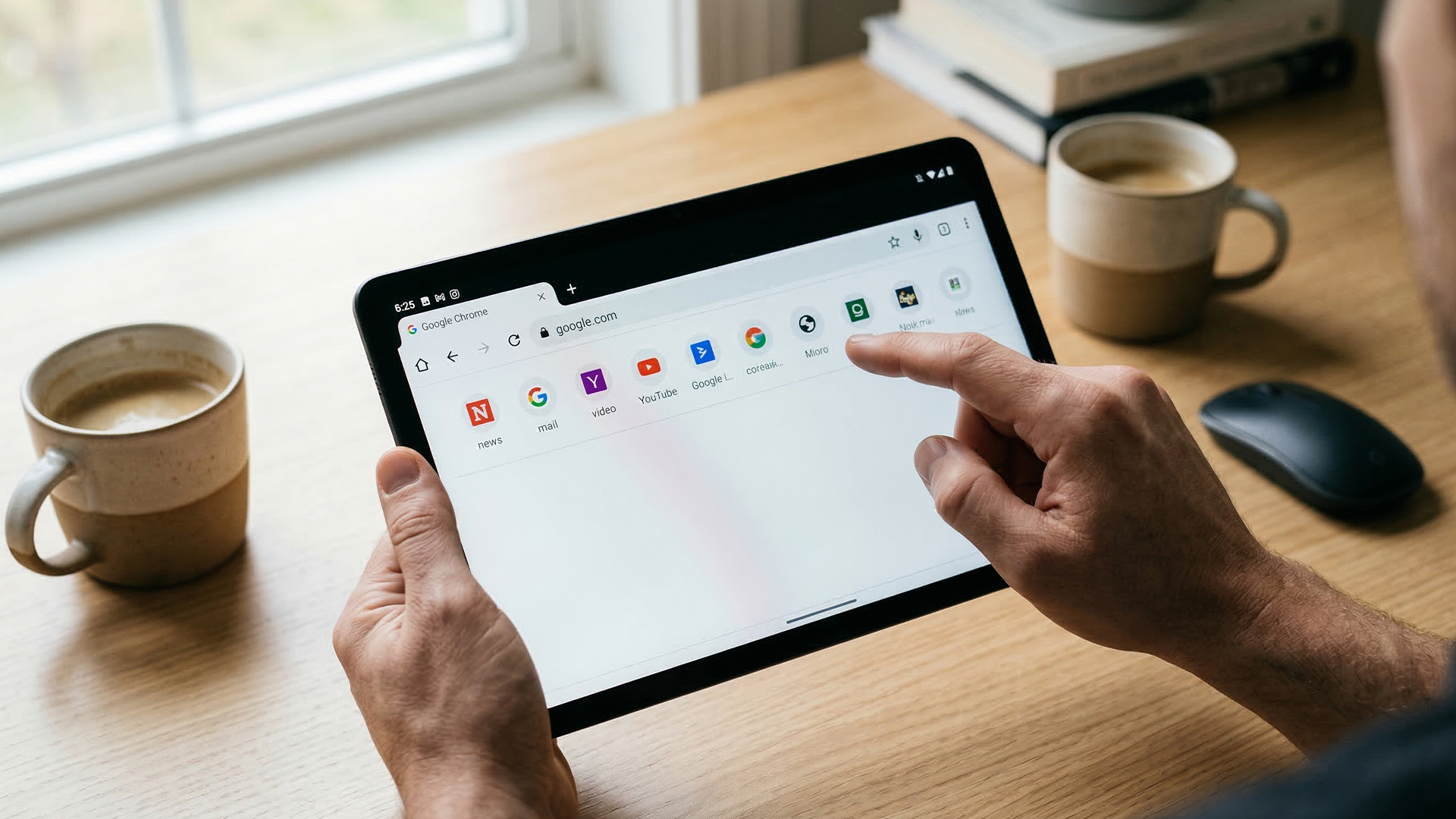
Chrome adds bookmarks bar to Android tablets
Google is introducing a bookmarks bar to Chrome on Android tablets and foldable devices, giving users quicker…

Instagram DMs will lose privacy lock
Meta Platforms is removing end-to-end encryption (E2EE) from Instagram direct messages, starting May 8, 2026. This means…
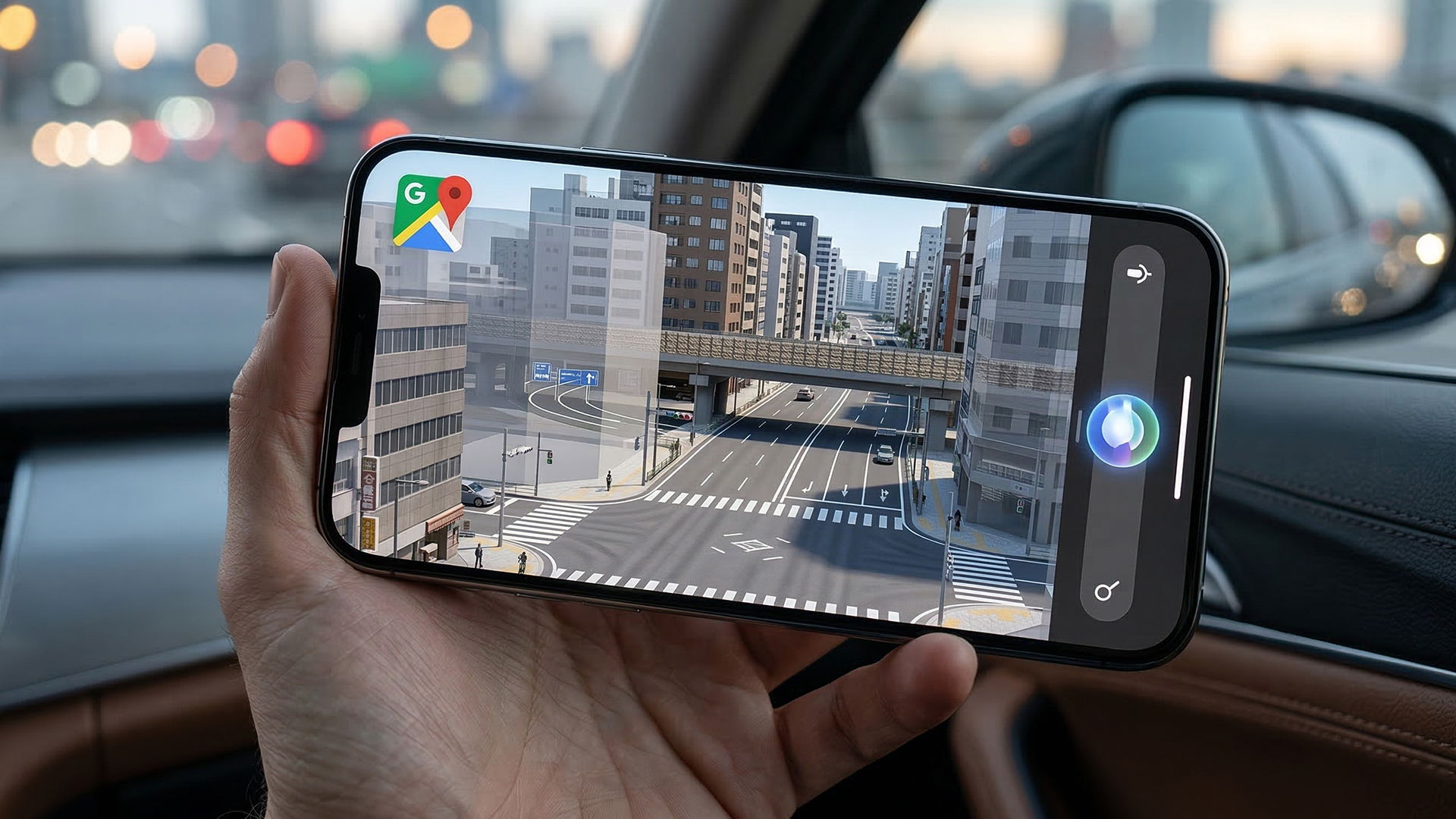
Google Maps adds Gemini AI features
Google has rolled out one of the biggest updates to Google Maps in over a decade, introducing…
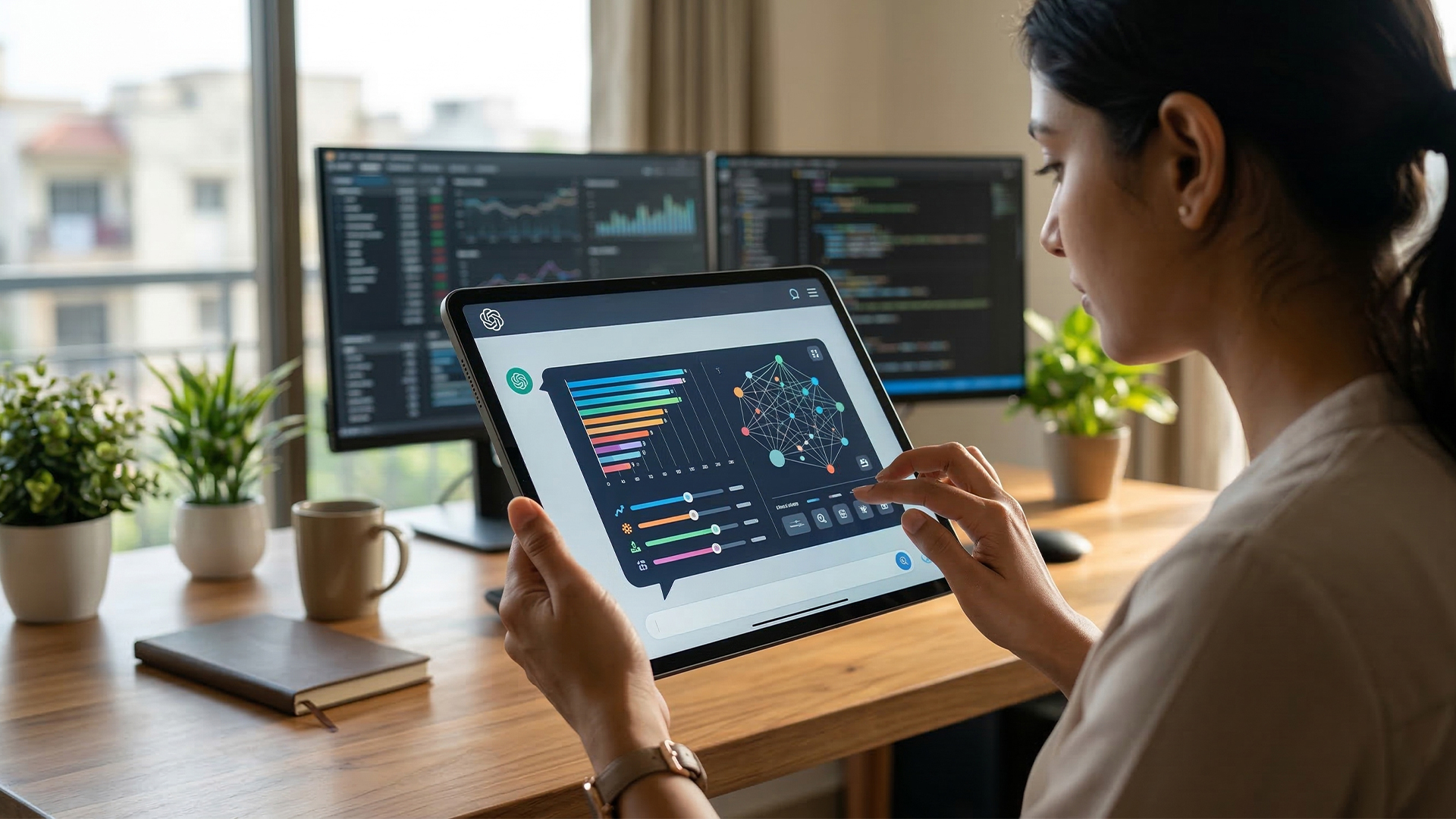
Claude AI adds interactive charts
Anthropic has upgraded its AI assistant Claude with a feature that brings interactive visuals straight into chat…

Perplexity PC AI turns Mac always-on
Perplexity has unveiled Personal Computer, an AI system designed to run nonstop on a Mac mini and…
Meta acquires Moltbook, AI bots network
Meta Platforms has purchased Moltbook, a social network designed exclusively for AI programs, not humans. The deal…
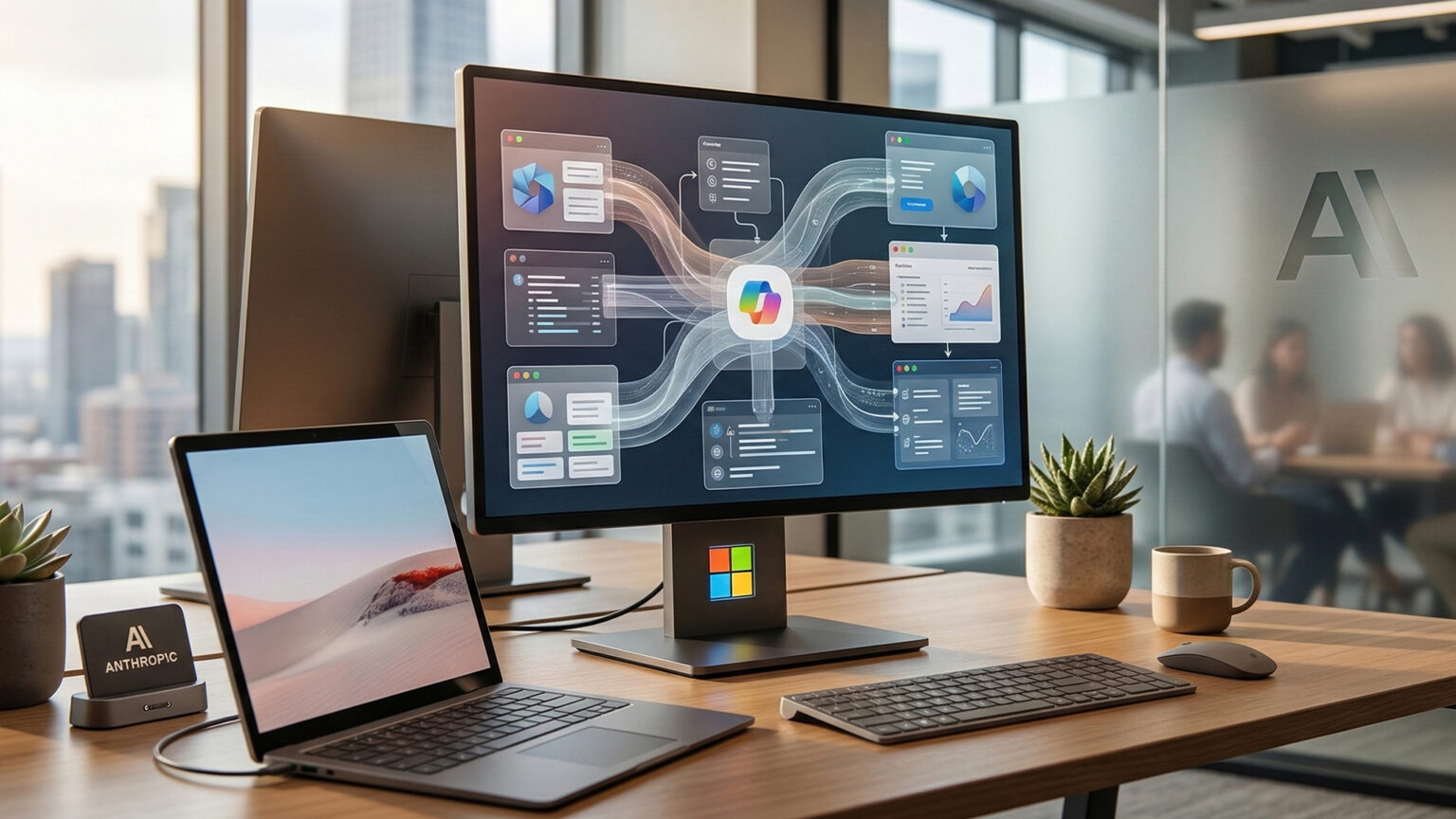
Microsoft adds Anthropic AI to Copilot
Microsoft has announced a new partnership with AI startup Anthropic to enhance its digital assistant Microsoft Copilot.…
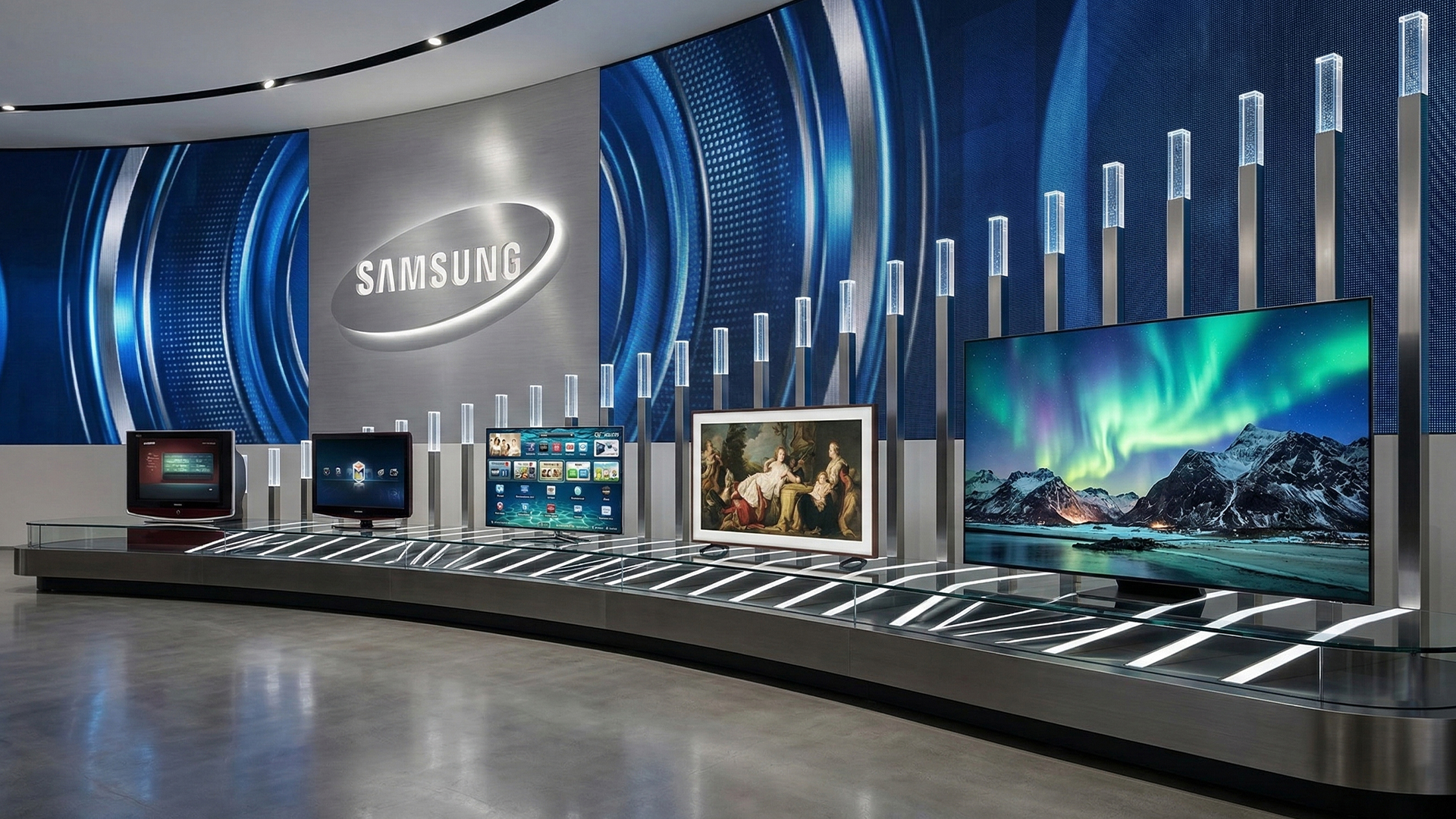
Samsung tops global TV market for 20 years
For two decades, Samsung has been the brand most people trust when buying a TV. Samsung Electronics…
About This Category
Technology Coverage Built Around What's Actually Changing
The technology beat in 2026 has one dominant story running underneath almost everything else: artificial intelligence is being embedded into every major platform, operating system, and hardware product simultaneously. Whether that represents genuine transformation or an industry-wide feature arms race is a question worth asking — and this section asks it, story by story.
That doesn't mean every piece is an AI piece. Samsung's Galaxy Watch health features, Spotify's playlist changes, and LinkedIn's creator analytics are covered because they reflect real shifts in how people use technology every day. But the honest editorial observation is that AI is the context for most of what is happening in tech right now, and pretending otherwise would make the coverage less useful, not more.
The Infrastructure Layer: Nvidia and COMPUTEX
The story that sets the conditions for everything else is the hardware race. Nvidia entering what it describes as a new phase of AI computing isn't just a product announcement — it's a signal about where the compute requirements for AI are heading, and who is positioned to supply them. COMPUTEX 2026 reinforced that framing, with the global AI infrastructure conversation dominating the opening of one of the industry's most significant annual showcases. These are the stories about the pipes and the processing power that make everything downstream possible.
Platform AI: What the Big Companies Are Building
Meta's AI Agents for business, Apple's iOS 27 Siri upgrade, and YouTube's dual AI rollout — podcast features and video labelling — represent three very different approaches to the same underlying technology. Meta is going after enterprise workflows. Apple is trying to make its long-underwhelming voice assistant finally competitive. YouTube's AI labelling is primarily a content trust and moderation tool, not a user feature. Grouping them all as "AI updates" flattens the distinction. This section tries to maintain it.
Creator and Professional Tools
Google's Search Profiles for content creators and LinkedIn's expanded audience analytics are both responses to the same economic reality: the creator economy has become large enough that the major platforms need to compete for the professionals building on top of them. These tools matter less as product features and more as indicators of where platform power and creator leverage are shifting.
Consumer Hardware and Wearables
Samsung's Galaxy Watch health additions are part of a broader trend in wearables — the watch becoming less of a notification device and more of a continuous health monitoring tool. Coverage here focuses on what the features actually measure, how reliable the data is claimed to be, and what the competition looks like rather than the launch event itself.
Frequently Asked Questions
Q1. What does The Summary's Technology section cover?
AI developments across major platforms and hardware, consumer technology from Apple, Samsung, Google, and others, creator and professional tools from LinkedIn and Spotify, and the semiconductor and infrastructure stories — Nvidia, COMPUTEX — that underpin the broader AI expansion. Coverage spans product announcements, platform policy changes, and the larger industry trends those announcements reflect.
Q2. How does The Summary cover consumer tech products like the Galaxy Watch or iOS updates?
Features are reported for what they actually do and what they change for users, not for what the company's press release claims. Samsung's health additions are covered in the context of the wearables market and what existing alternatives offer. iOS 27's Siri changes are assessed against where Siri actually stands today, not against a theoretical benchmark.
Q3. Does The Summary cover Indian technology companies and startups?
Where the news warrants it. The Technology section's coverage is driven by developments with broad significance — major platform changes, hardware shifts, enterprise software decisions. Indian tech companies appear when the story is genuinely substantial, not as regional representation for its own sake.
Q4. Is The Summary's tech coverage suitable for non-technical readers?
Yes. The section is written for a reader who uses technology and wants to understand what is changing, not for a reader who needs to know the technical implementation. Platform decisions, hardware advances, and AI deployments are explained in terms of what changes for users and businesses — not in engineering specifications.
Q5. How does The Summary approach tech stories that are primarily press releases?
Sceptically. When a company announces a feature or a capability, the coverage looks at what is actually confirmed, what the competitive context is, and whether previous claims from the same company have held up. Spotify's playlist features are a product update; Nvidia's compute shift is an industry story. The difference in scale and significance shapes how each is reported.