
World News
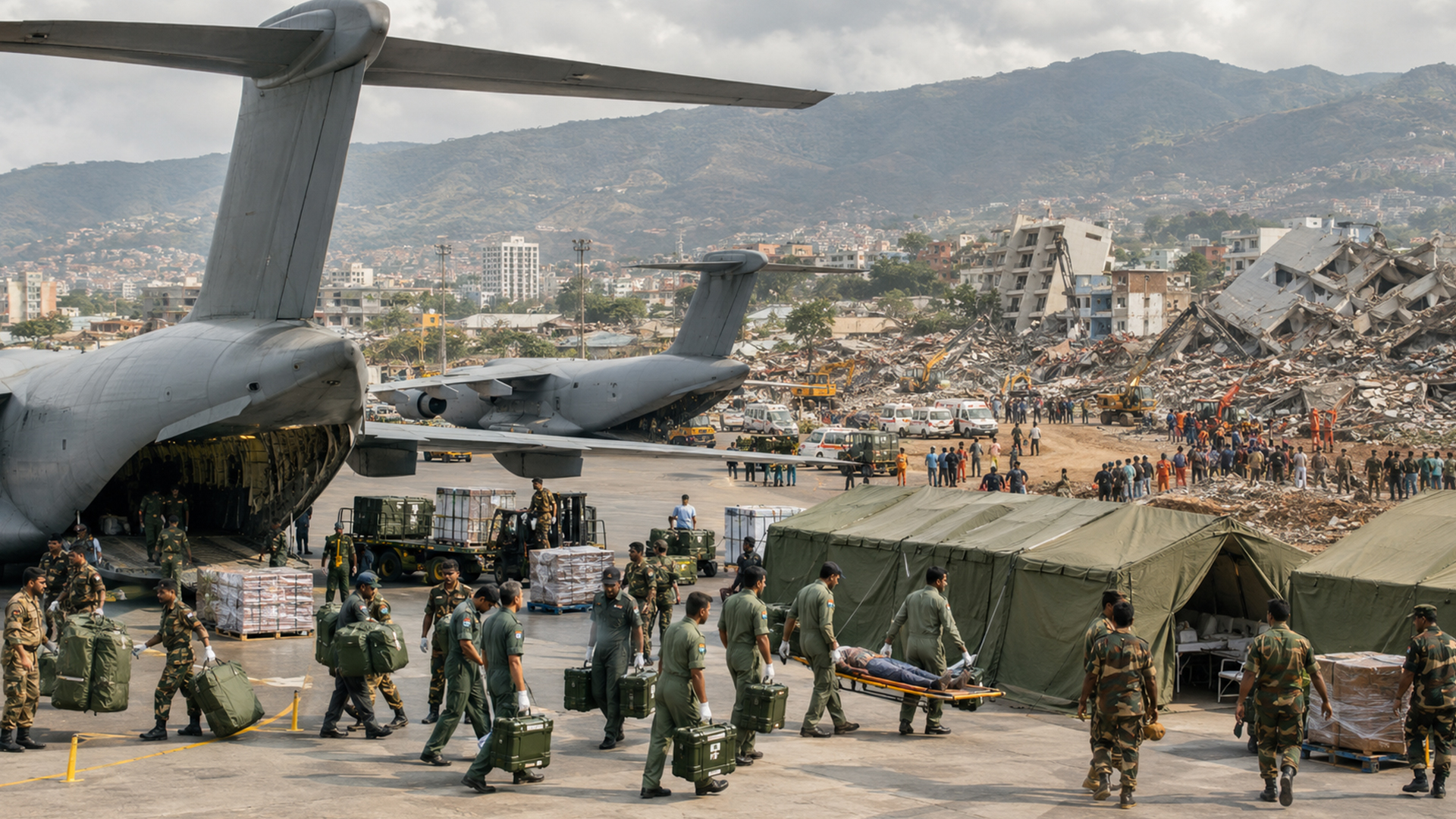
India initiates Amistad for Venezuela relief
India has launched Operation Amistad, a humanitarian assistance and disaster relief mission to support Venezuela after devastating…

Oil prices ease after Hormuz evacuation plan halt
Global oil prices reduced slightly after briefly rising on news that an evacuation plan near the Strait…
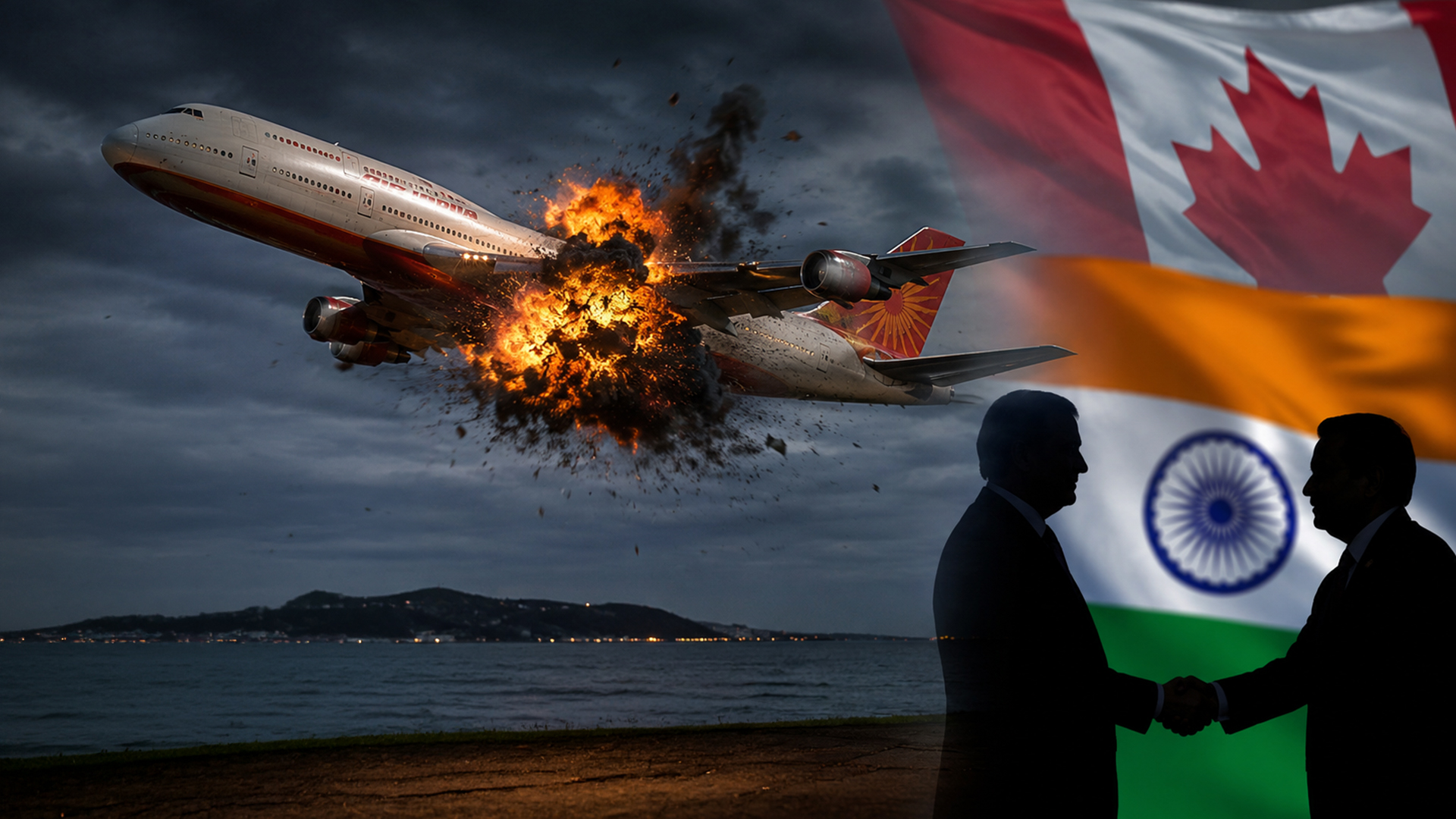
Canada names Khalistanis as 1985 Air India bombers
More than four decades after the devastating Air India Flight 182 bombing, Canada has officially acknowledged that…
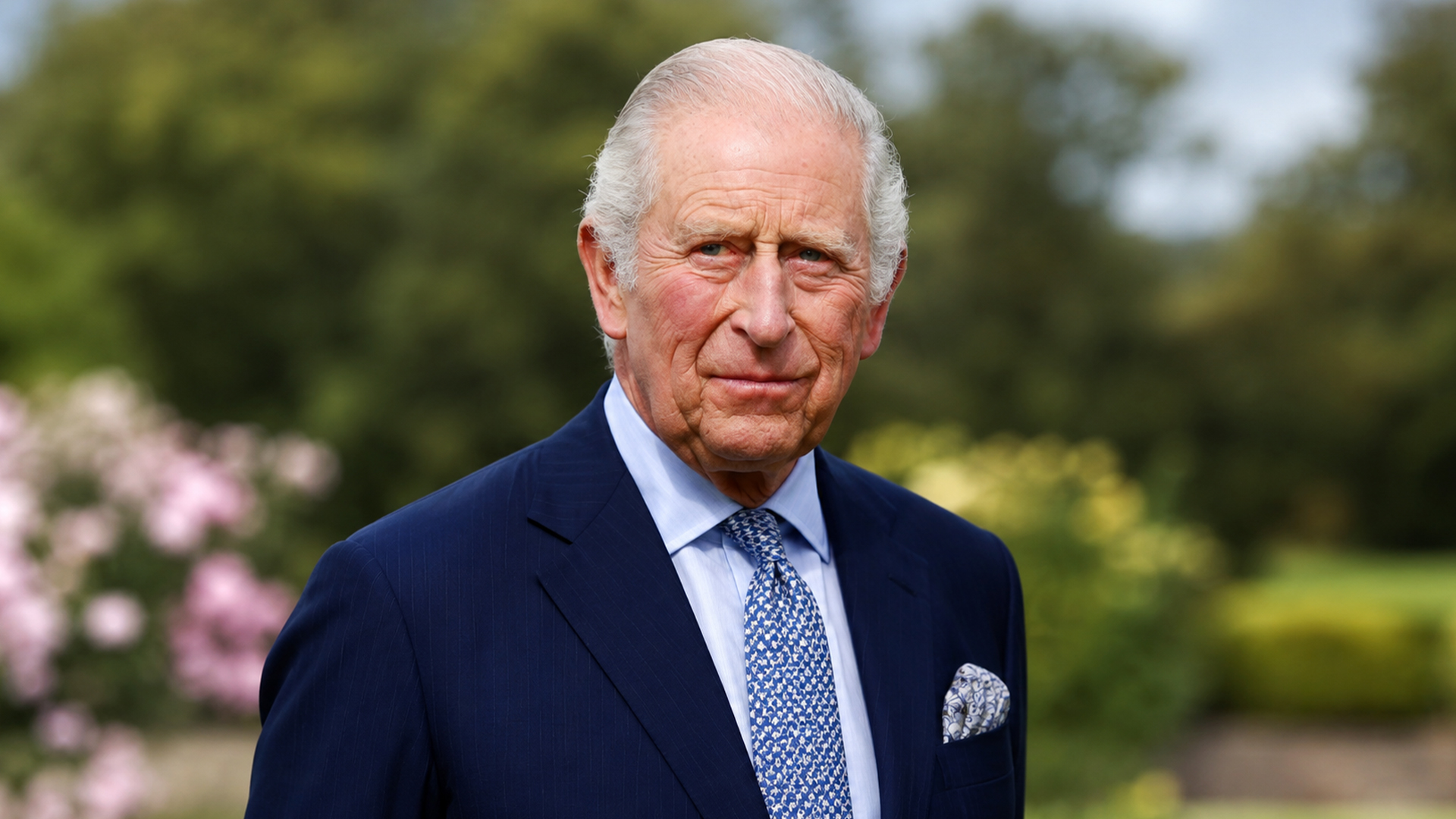
King Charles discloses £30 million tax bill
King Charles III has become the first reigning British monarch to publicly disclose his personal tax payments,…

US reassures India over AI access
The US has reassured India that trusted partners will not lose access to advanced AI technologies, following…
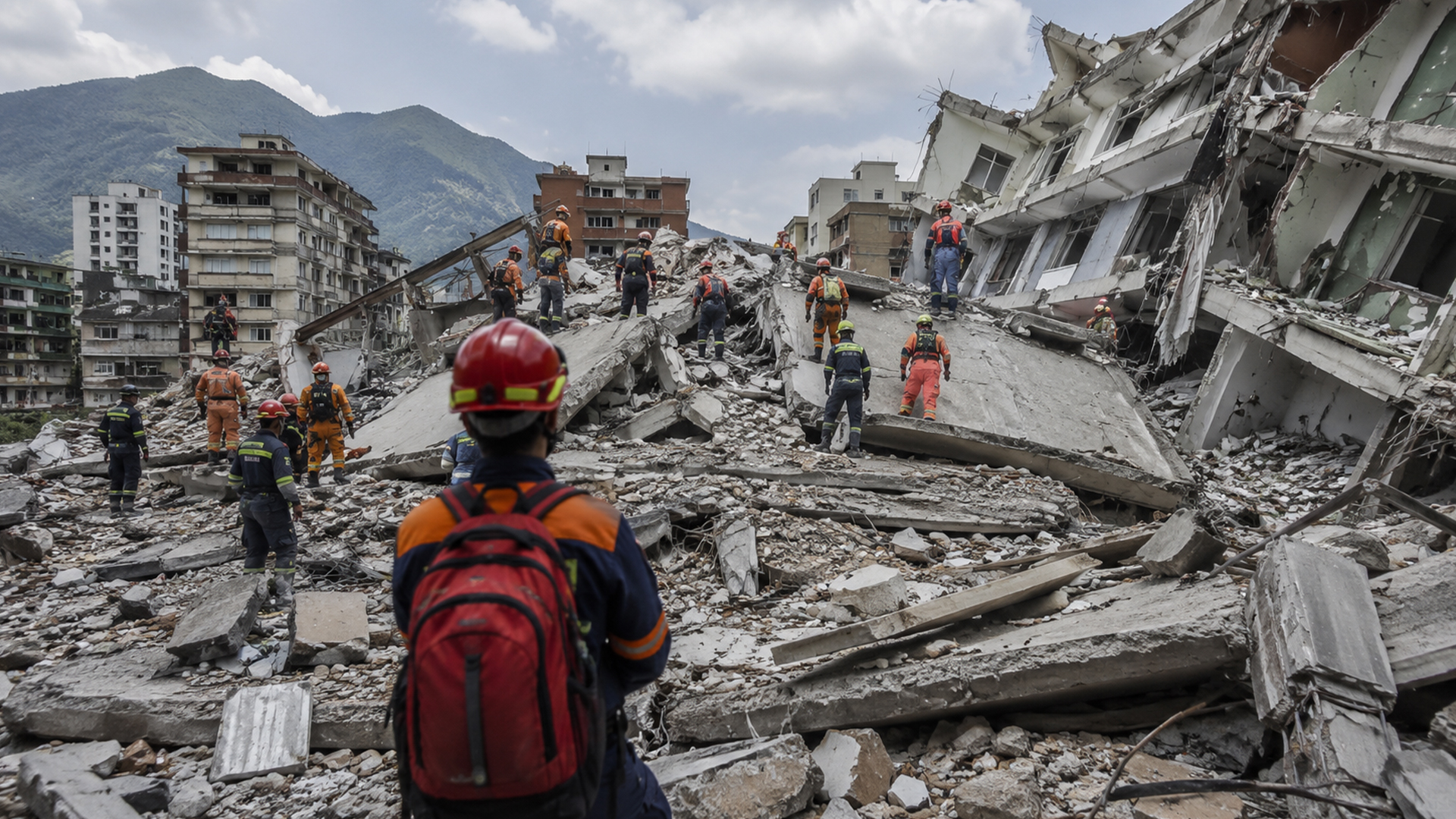
Venezuela quake death toll rises to 589
The death toll from the powerful twin earthquakes that struck northern Venezuela has climbed sharply to 589,…
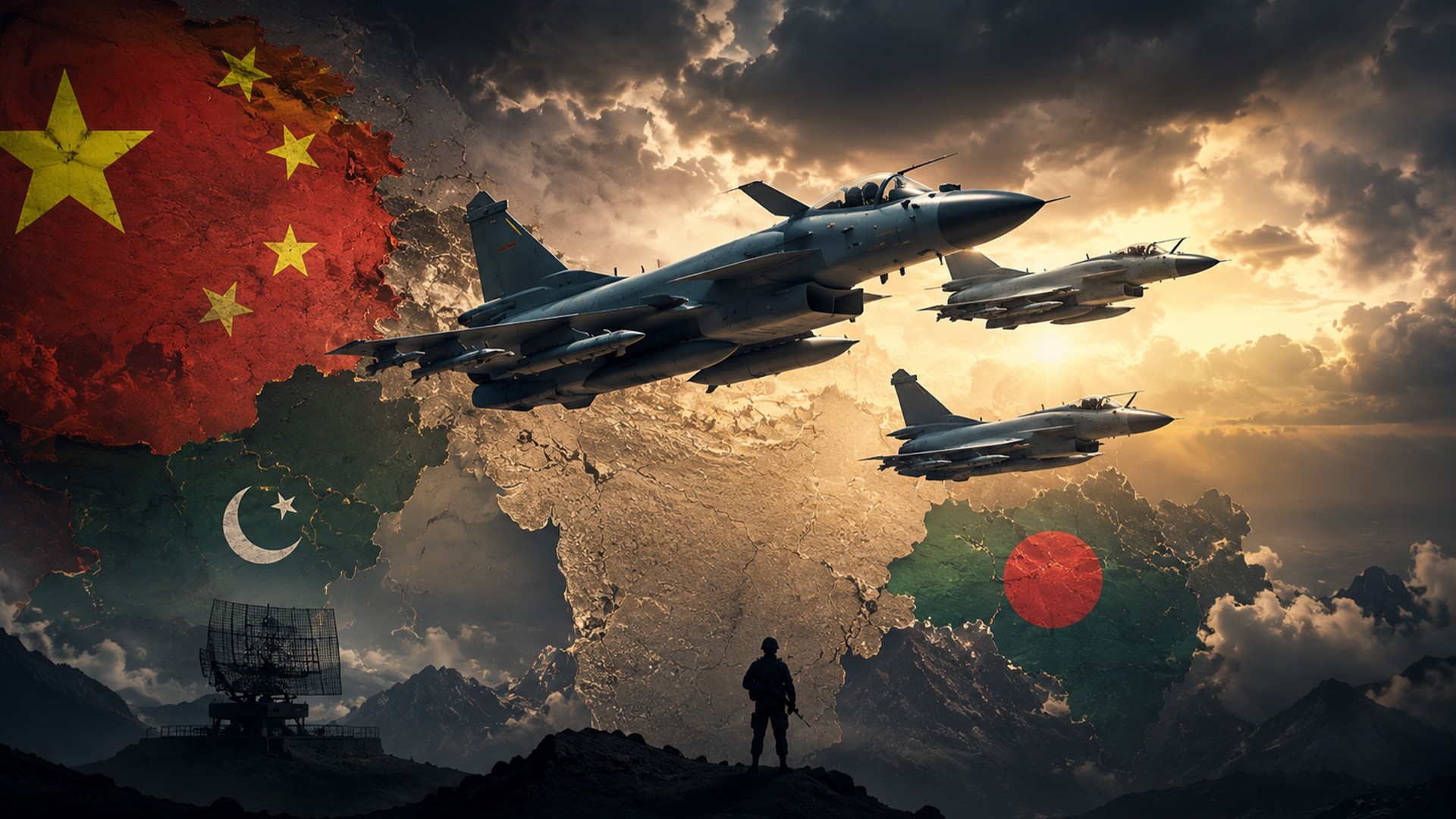
Bangladesh all set to procure Chinese fighter jets
Bangladesh is moving closer to acquiring Chinese-made J-10CE fighter jets, the same aircraft used by Pakistan during…
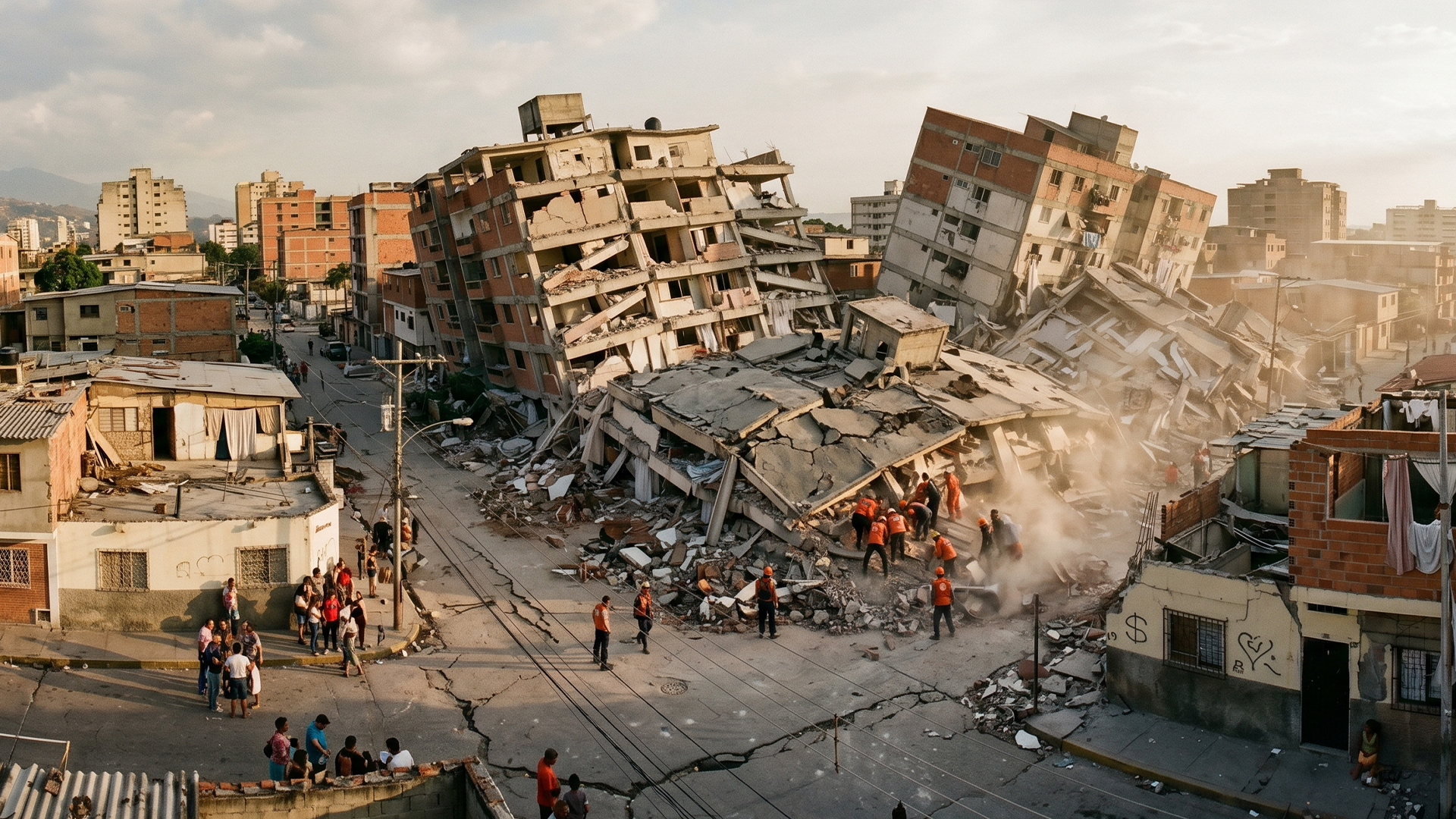
Venezuela quakes leave nearly 164 dead
Venezuela is reeling after two powerful earthquakes struck within hours of each other, leaving at least 164…
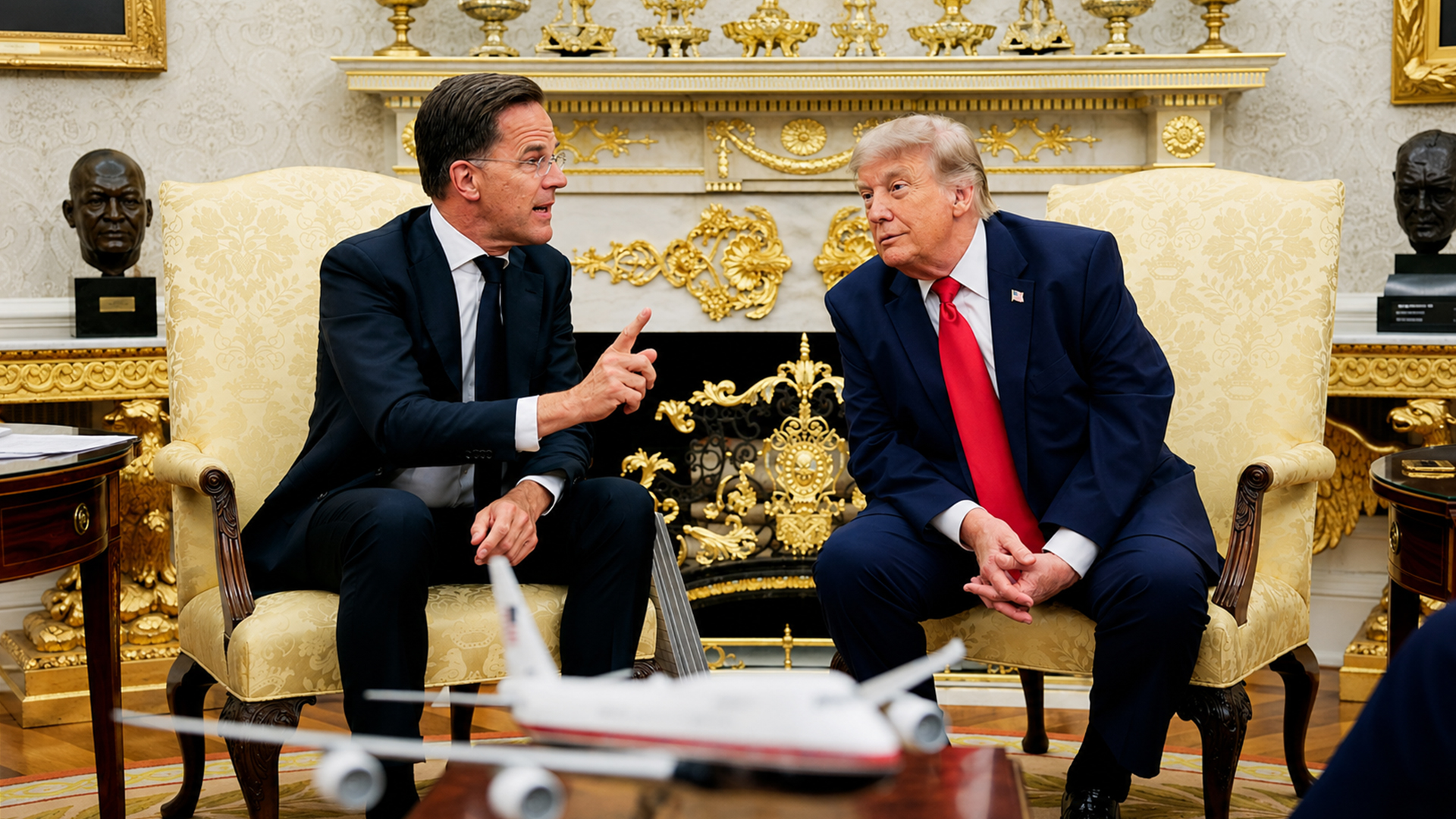
Trump criticises NATO over Iran conflict response
US President Donald Trump has renewed pressure on NATO allies, criticising what he described as insufficient participation…
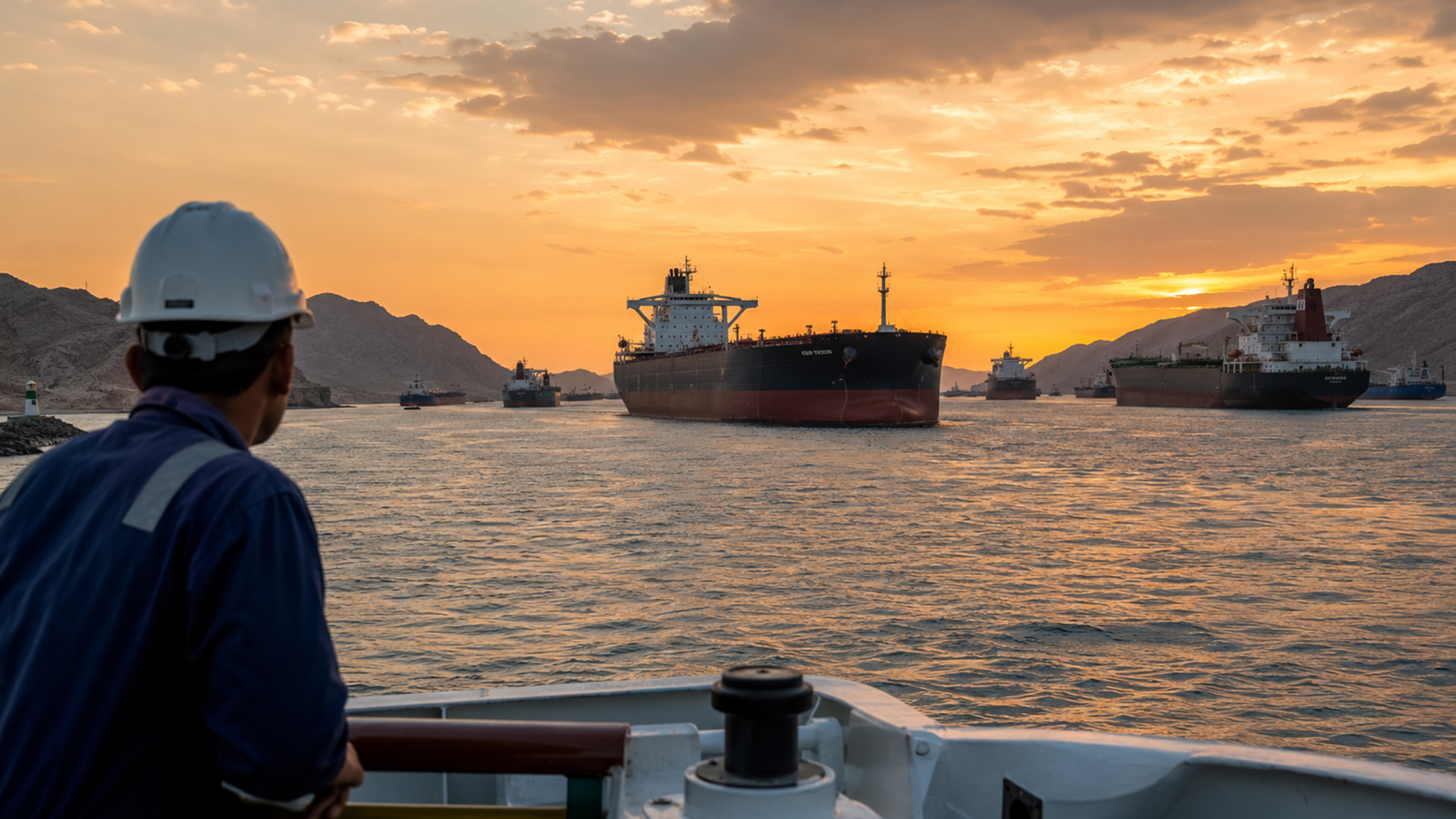
11,000 seafarers set for Hormuz evacuation
A major international evacuation effort has been launched to assist more than 11,000 seafarers stranded aboard commercial…
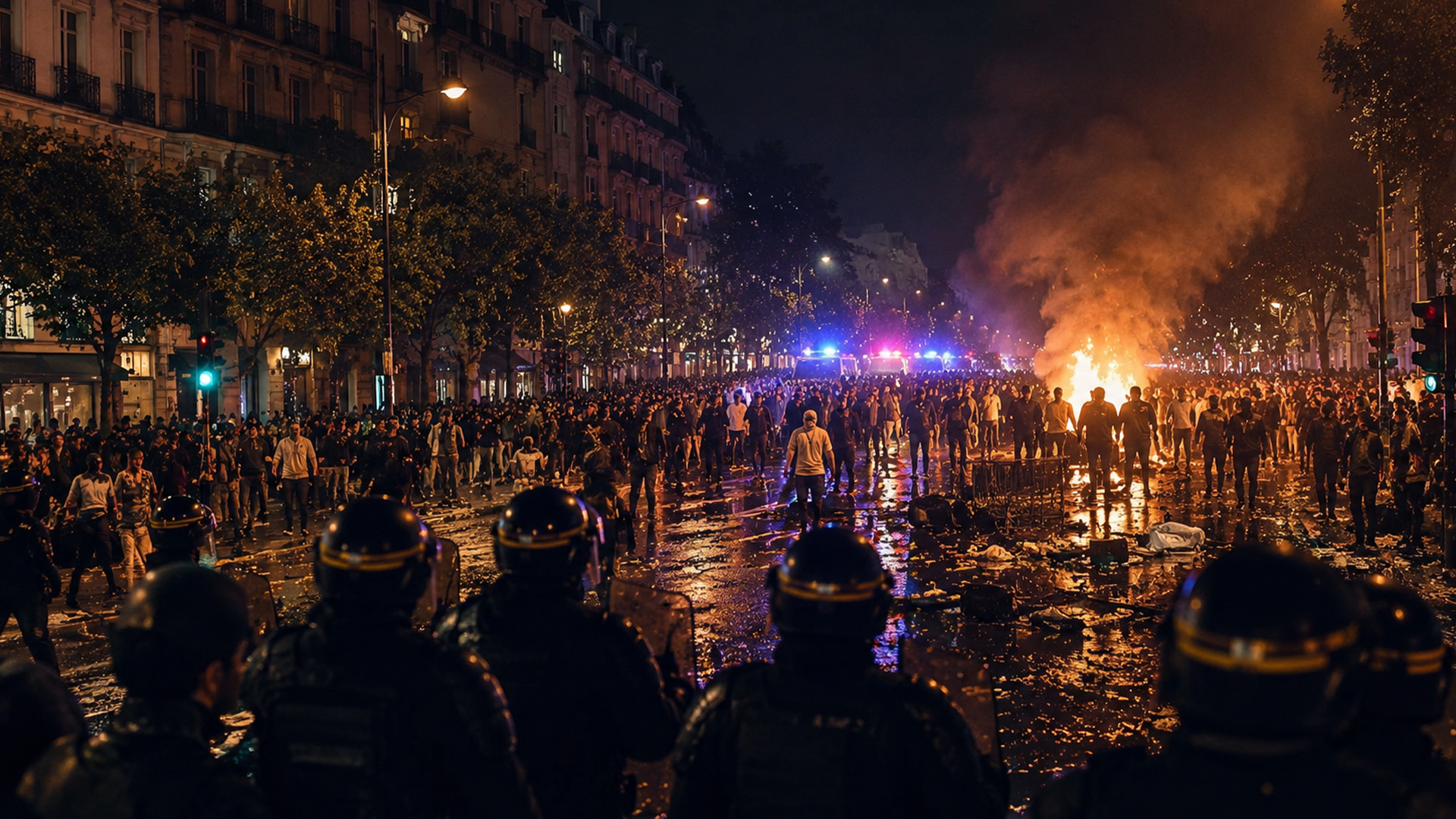
France music festival marred by violence and attacks
France’s annual Fête de la Musique, a nationwide celebration of music and culture, was overshadowed by a…
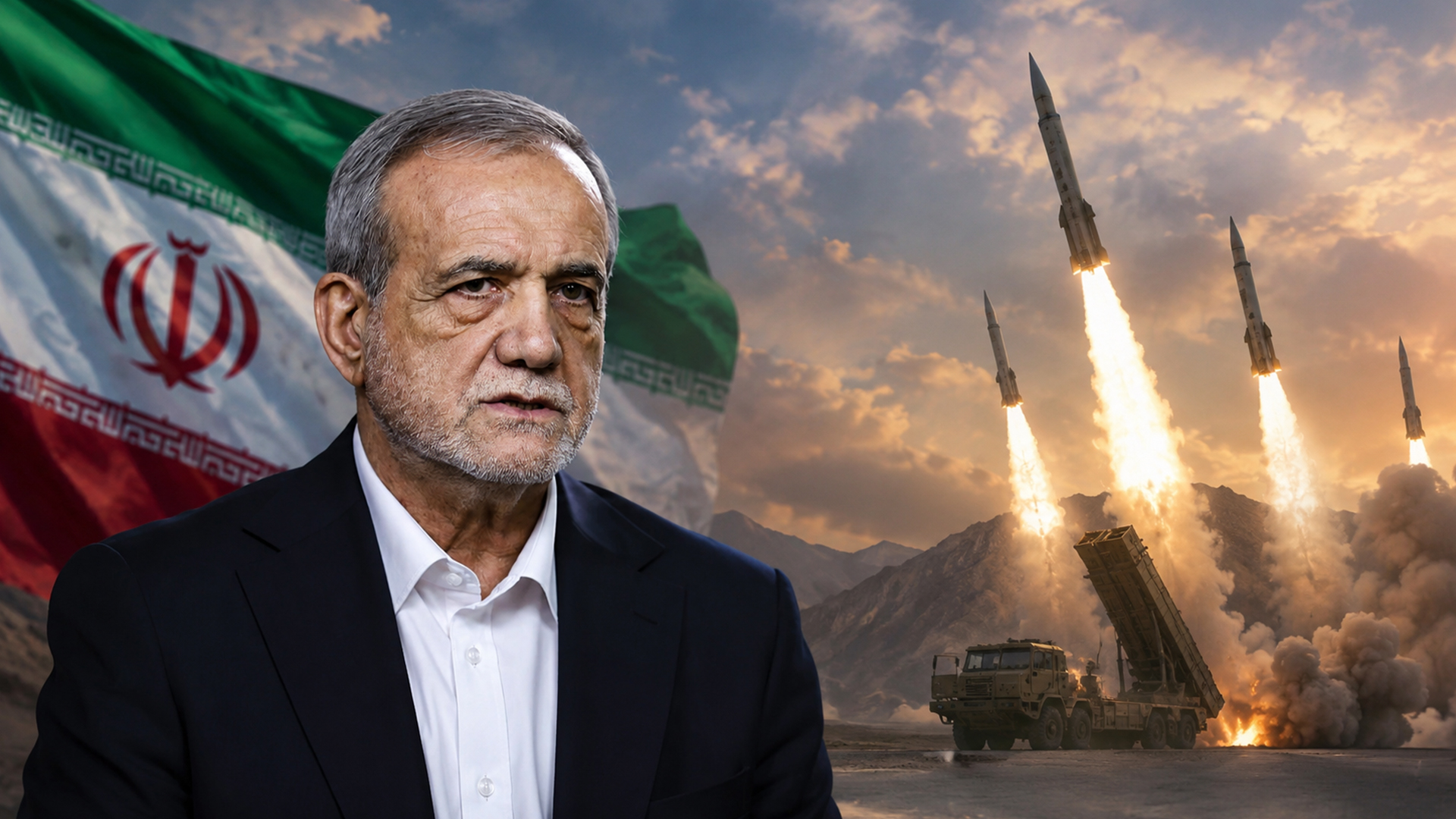
Iran rejects missile limits despite ongoing US talks
Iran has firmly ruled out any negotiations on its ballistic missile programme, even as diplomatic efforts with…
About This Category
International News with a Clear Editorial Focus
The World News section covers foreign policy, international diplomacy, geopolitical conflict, and global events that carry significance beyond their immediate geography. The editorial filter is consequence — stories make it here because what happens next matters, either to India directly or to the international order that shapes India's environment.
Right now, that filter catches an enormous amount of US foreign policy. The Trump administration is running several high-stakes international gambits at once — restraining Israel from striking Iran while Congress moves to limit the executive's war powers, pushing Ukraine aid through the House while proposing new tariffs on India, issuing immigration orders that courts are blocking. These are not separate stories. They are part of a single picture of an administration that is simultaneously reshaping America's relationships with allies, adversaries, and everyone in between.
India at the Centre of Multiple Relationships
One of the more striking features of current world news is how many major powers are positioning themselves relative to India at the same time. Putin hailing India as a trusted partner, Trump calling Modi a good friend, and the US simultaneously proposing 12.5% additional tariffs on Indian exports are all live developments running in parallel. These aren't contradictions that cancel each other out — they reflect the reality of India's diplomatic position as a country that major powers want to claim while also pressuring.
The World News section covers these stories together because that's how they should be understood — as a composite picture of where India sits internationally, not as isolated diplomatic moments.
The Middle East and the Limits of Diplomacy
The Israel-Lebanon truce is holding. For now. That caveat matters because the same week, Trump was telling Netanyahu not to strike Iran — suggesting the conditions for escalation remain present even where formal hostilities have paused. The US House voting to limit presidential war powers over Iran adds a domestic political dimension to what is fundamentally a regional security story. These pieces connect, and coverage reflects those connections.
East Asia: China's Moves and Regional Instability
Xi Jinping's North Korea visit — first in seven years — is the kind of diplomatic signal that rarely announces itself loudly. The timing, the symbolism, and the context of US-China competition all need to be part of how it's reported. The 7.8 magnitude earthquake in the Philippines is a different kind of world story — natural disaster, not diplomacy — but it belongs here because the scale and the regional response are genuinely significant.
Frequently Asked Questions
Q1. What does the World News section cover?
International diplomacy, foreign policy decisions, geopolitical conflict, major natural disasters, and global economic developments that directly affect India or the international order more broadly. The editorial emphasis is on stories with clear consequences — not every foreign development, but the ones where the outcome actually changes something for governments, economies, or people.
Q2. Why does so much of the World News coverage involve the United States?
Because the US is generating an unusually high volume of consequential international decisions right now. Trump administration foreign policy — on Iran, Ukraine, immigration, India tariffs, Israel — is shaping outcomes across multiple regions simultaneously. Covering world news honestly in this period means covering Washington heavily. That will shift as the news does.
Q3. Does The Summary cover India's foreign relations specifically?
Yes, as a consistent thread through World News. US-India trade tensions, Russia's positioning toward India, and how India's diplomatic relationships are being managed by major powers all receive sustained attention. India is not covered as a passive subject of foreign decisions — the section tracks how those decisions land and what India's stated position is.
Q4. How does The Summary cover ongoing conflicts like the Middle East situation?
As news rather than as background. The Israel-Lebanon truce is covered for what's confirmed — whether it's holding, what both sides are saying, and what the conditions around it look like. When Trump tells Israel to hold off on an Iran strike, the story is the specific diplomatic communication and its context, not a general conflict recap. Events drive the coverage.
Q5. Does World News cover natural disasters?
When the scale warrants it. A 7.8 magnitude earthquake in the Philippines that kills people and triggers regional emergency response is international news by any standard. Smaller-scale events are generally covered under relevant category sections when there is a specific India connection. The test is significance, not geography.
Q6. How does the World News section handle stories where facts are still developing?
Coverage reflects what is confirmed at time of publication. Developing stories — a diplomatic meeting whose outcomes aren't yet clear, a natural disaster where the casualty count is still coming in — are published based on confirmed facts, with updates as the picture becomes clearer. The section doesn't speculate on outcomes or intent beyond what official sources and credible reporting support.