Climate activist and education reformer Sonam Wangchuk ended his 26-day hunger strike on Friday after receiving assurances from the Centre that his concerns would be addressed through dialogue. The decision also prompted the Cockroach Janta Party (CJP) to suspend its planned nationwide protest, easing fears of widespread demonstrations across the country.
The development came after intensive discussions between government representatives and those supporting Wangchuk’s campaign. According to official sources, the Centre reached out to the activist after assessing that the planned protests could lead to law and order challenges in several states. The government assured Wangchuk that his demands would be heard through peaceful discussions rather than confrontation.
Wangchuk, who had been fasting for nearly four weeks, said he decided to end the hunger strike in the larger national interest after receiving a message that meaningful engagement with the government would continue. He thanked his supporters across India for standing with him throughout the campaign and appealed to everyone to maintain peace.
The activist had launched the indefinite fast to draw attention to issues concerning Ladakh, including demands for stronger constitutional safeguards, environmental protection and greater participation of local communities in policymaking. His protest attracted significant public support, particularly among students, environmental groups and civil society organisations.
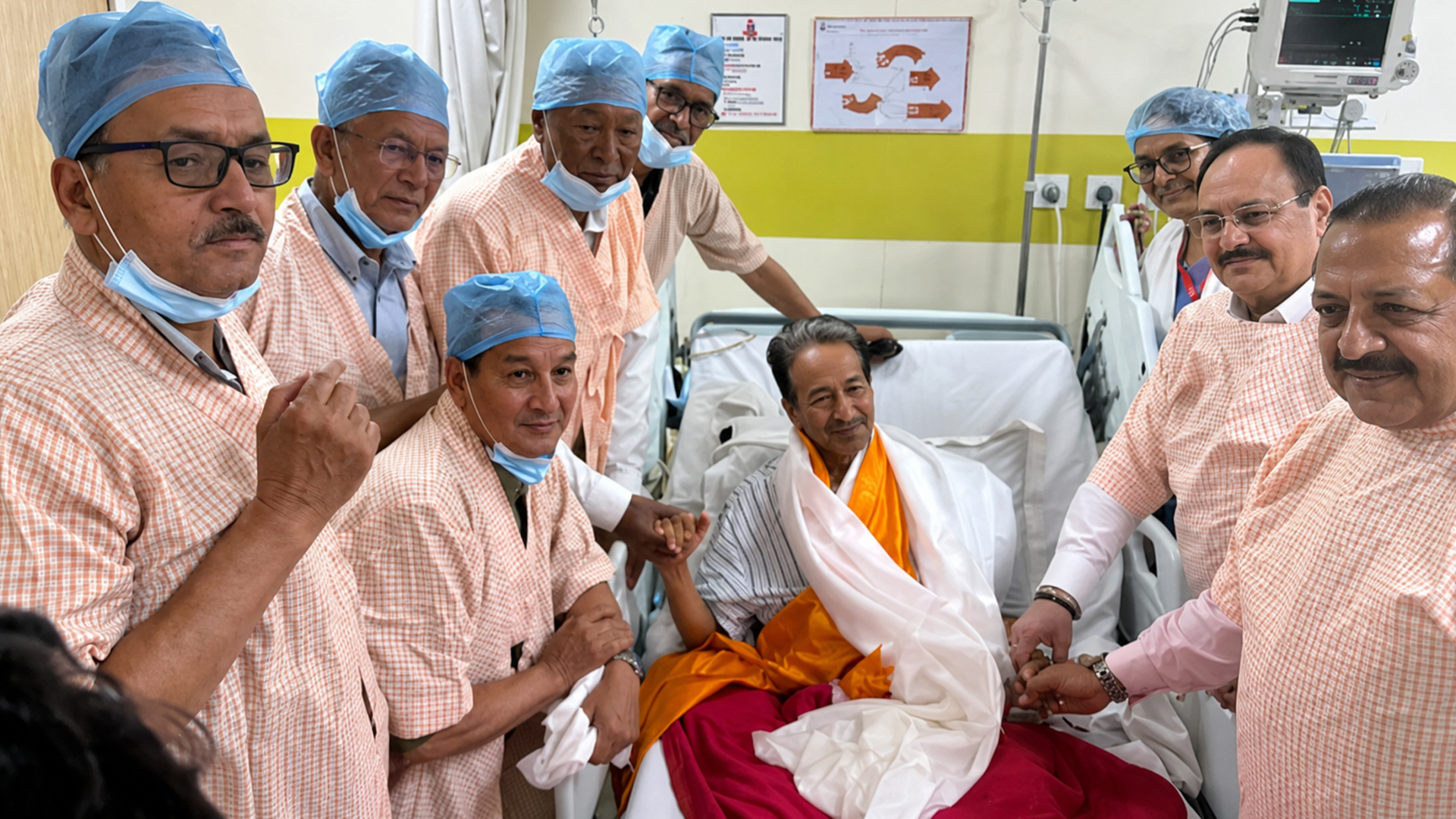
As Wangchuk’s health became a growing concern, doctors and well-wishers repeatedly urged him to end the fast. Medical experts had been closely monitoring his condition throughout the protest, warning that a prolonged hunger strike could seriously affect his health. Supporters expressed relief after he agreed to resume food intake.
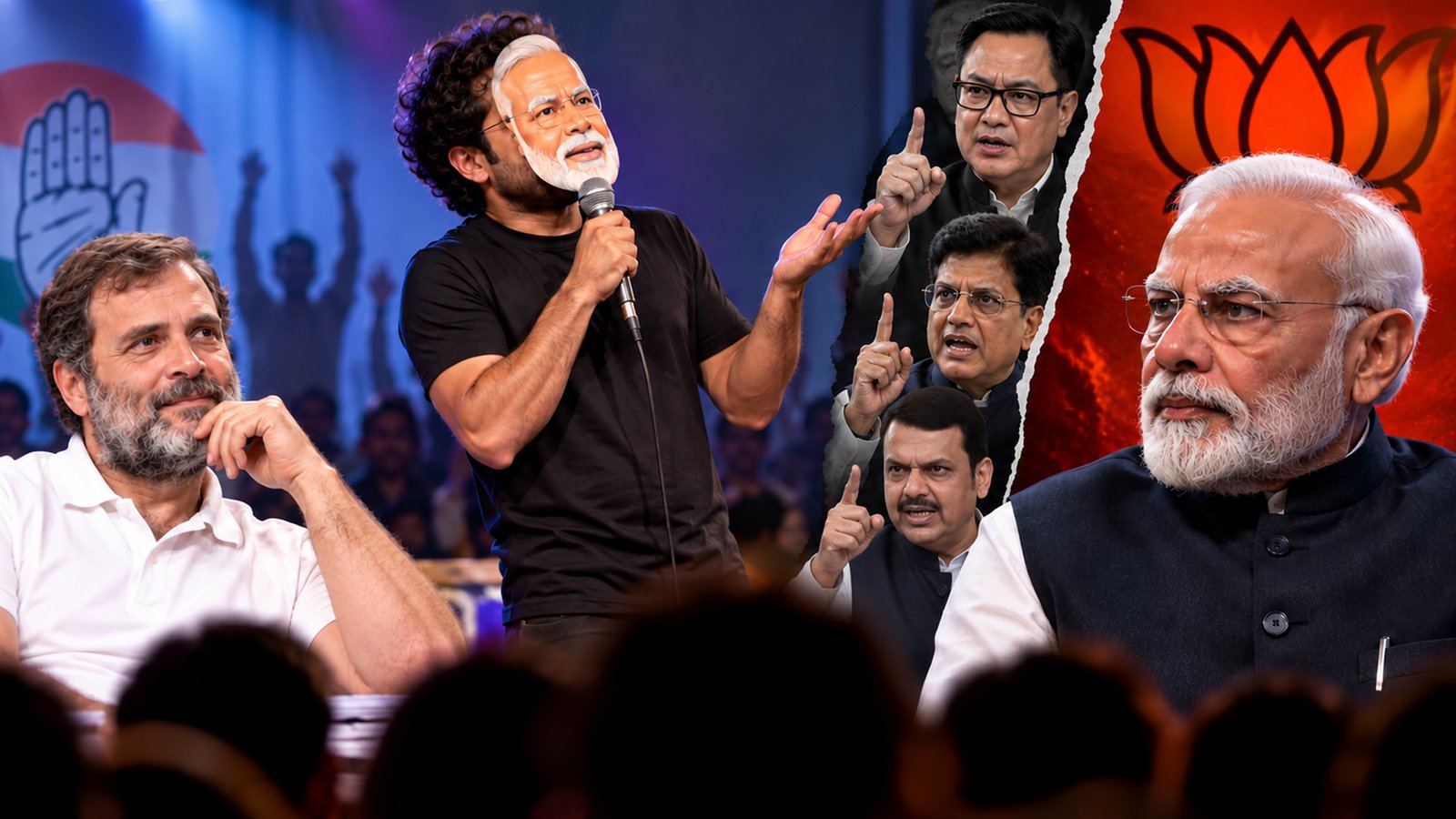
The Cockroach Janta Party (CJP), which had announced a nationwide protest in solidarity with Wangchuk, subsequently withdrew its agitation following the activist’s decision. The organisation said the government’s assurance for dialogue had created an opportunity for a peaceful resolution and urged citizens to continue supporting democratic engagement instead of street protests.
Prime Minister Narendra Modi also conveyed his wishes for Wangchuk’s speedy recovery. According to reports, the Prime Minister expressed hope that the activist would regain his health soon and appreciated the importance of resolving differences through dialogue. The message was seen as an important gesture that helped pave the way for ending the fast.
Government sources said officials had maintained back-channel communication with Wangchuk’s associates over the past few days. As concerns grew that the proposed protests could trigger unrest in different parts of the country, efforts were intensified to find a solution acceptable to all sides. Officials emphasised that dialogue remains the government’s preferred approach for addressing public concerns.
Wangchuk, widely recognised for his work in sustainable development and innovative education, has consistently advocated environmentally responsible policies for the Himalayan region. He has repeatedly highlighted the ecological vulnerability of Ladakh, arguing that rapid development must be balanced with environmental conservation and the protection of local livelihoods.
His campaign also renewed public attention on the unique challenges facing the Union Territory. Supporters believe greater constitutional safeguards, sustainable development and meaningful local participation are essential to preserving Ladakh’s fragile ecosystem and cultural identity.
The end of the hunger strike has brought relief to thousands of supporters who had been following Wangchuk’s health closely over the past several weeks. Social media platforms were flooded with messages welcoming his decision, with many expressing hope that the government’s assurance would translate into constructive discussions and concrete action.
Political observers believe the Centre’s intervention has helped defuse immediate tensions while creating space for negotiations. However, they also note that the long-term success of the dialogue will depend on how effectively the concerns raised by Wangchuk and the people of Ladakh are addressed in the coming months.
For now, the focus has shifted from protest to conversation. As Sonam Wangchuk begins his recovery, many supporters hope the next phase will see meaningful engagement between the government and stakeholders, ensuring that the issues surrounding Ladakh, environmental protection and constitutional safeguards are resolved through consensus rather than confrontation.
Also Read: Houthis target Red Sea tanker, tensions rise