
Business

Cabinet approves ₹1.9 lakh cr Semicon 2.0
The Centre has approved a ₹1.9 lakh crore package to accelerate semiconductor and mobile phone manufacturing, reinforcing…

India-UK trade deal CETA signed
India and the United Kingdom have taken a major step towards strengthening economic ties by signing the…
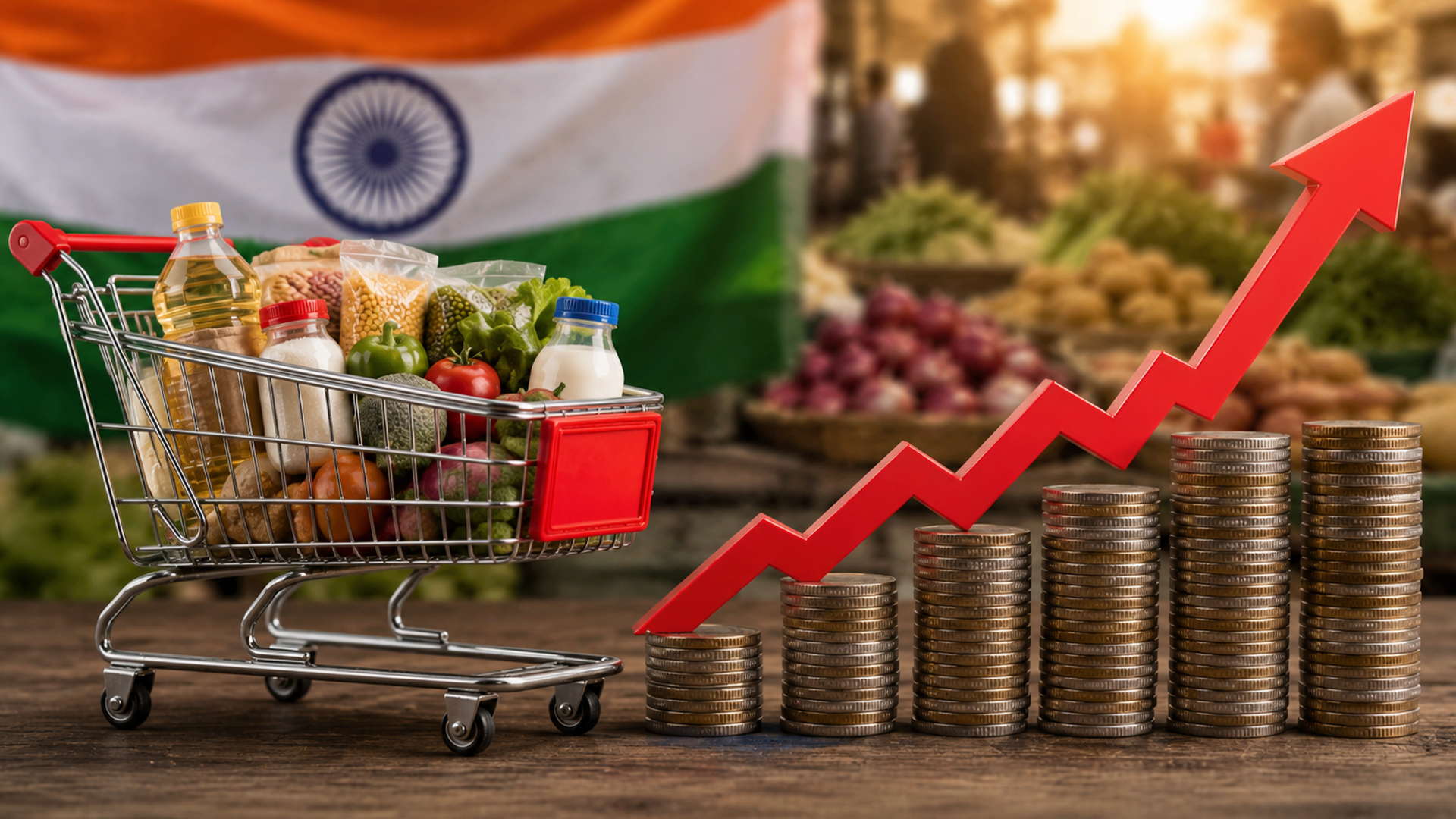
Retail inflation touches 4.38% in June
India’s retail inflation rose to 4.38% in June, climbing above the Reserve Bank of India’s (RBI) medium-term…

Railways loses 1.27 cr linen items in 4 years
An RTI query has revealed that Indian Railways has lost more than 1.27 crore linen items, including…

E20 fuel lowers mileage 3-5%, says Centre
The Centre has acknowledged that vehicles running on E20 petrol, which contains 20% ethanol and 80% petrol,…

RBI rolls out three key economic surveys
The Reserve Bank of India has rolled out three nationwide surveys to better understand how consumers, businesses…
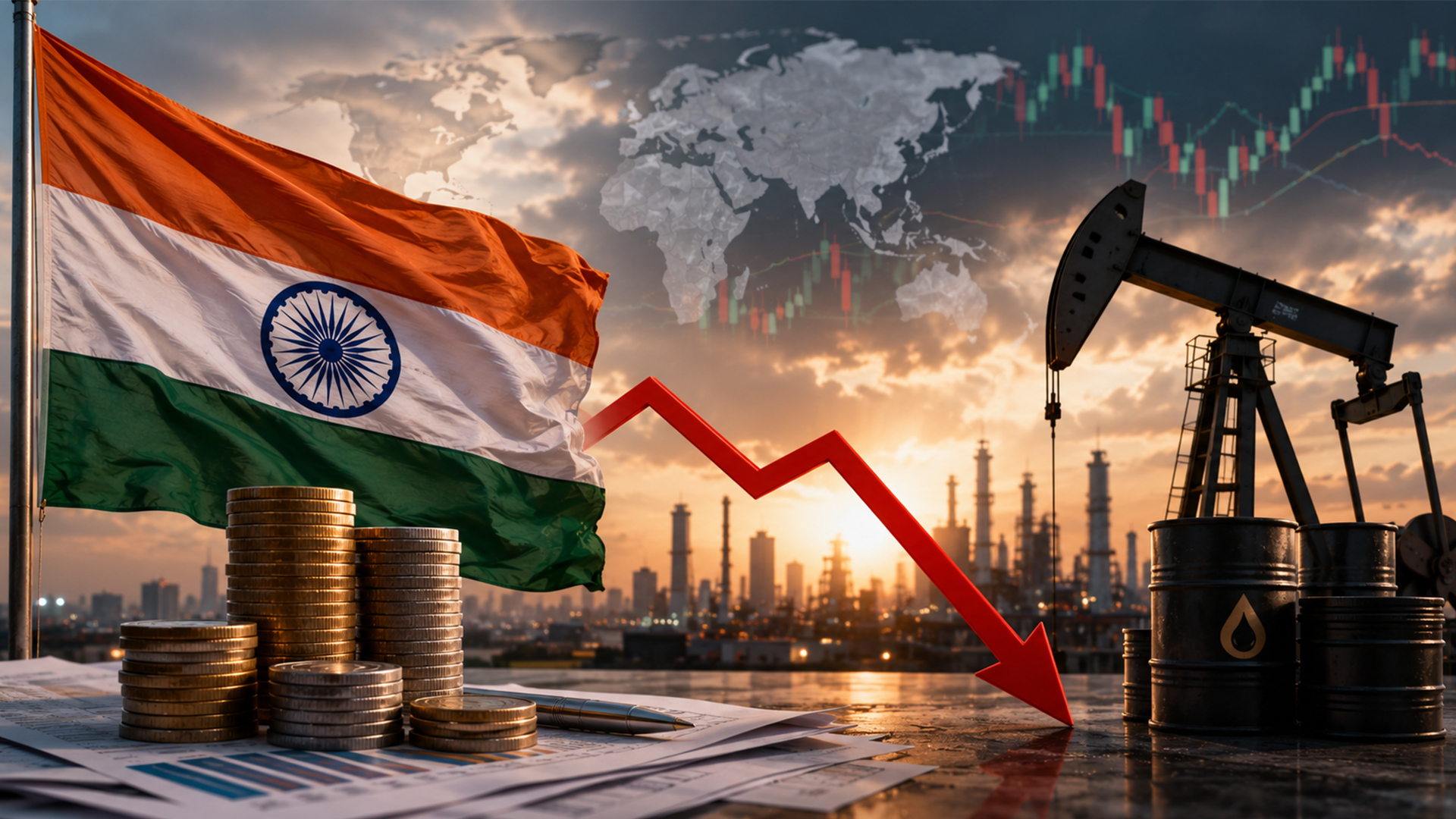
IMF sees India growing 6.4% in FY27
The International Monetary Fund (IMF) has revised India’s GDP growth forecast for FY27 to 6.4%, down from…

India’s retail GCC count crosses 180
India has crossed another milestone in its global capability centre journey, becoming home to more than 180…
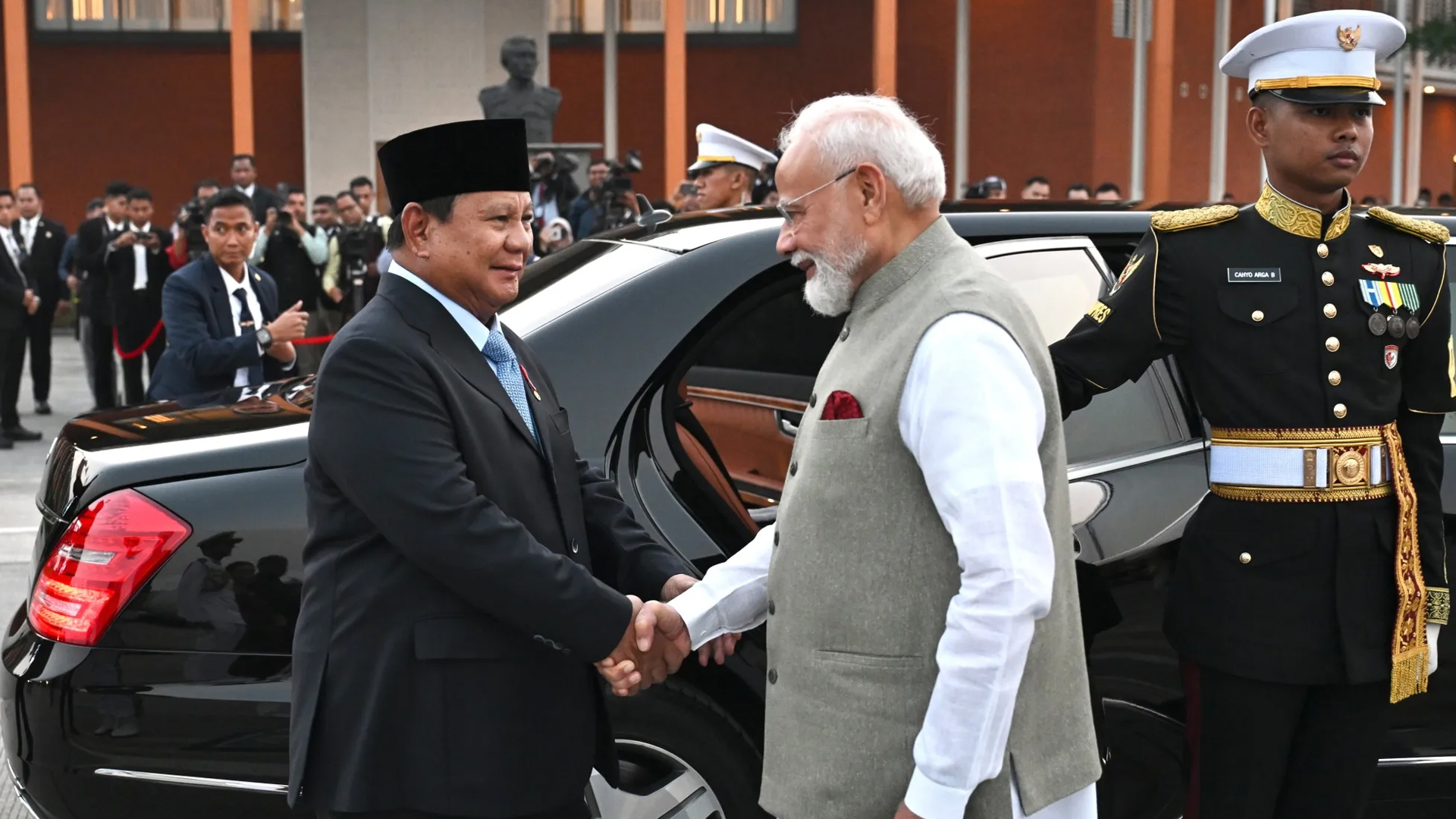
India, Indonesia sign defence, maritime pact
India and Indonesia on Tuesday signed a landmark defence cooperation agreement, marking a significant expansion of their…

Rupee strengthens to 95.28 against dollar
Indian rupee opened Tuesday’s session on a stronger footing, appreciating 15 paise to 95.28 against the US…
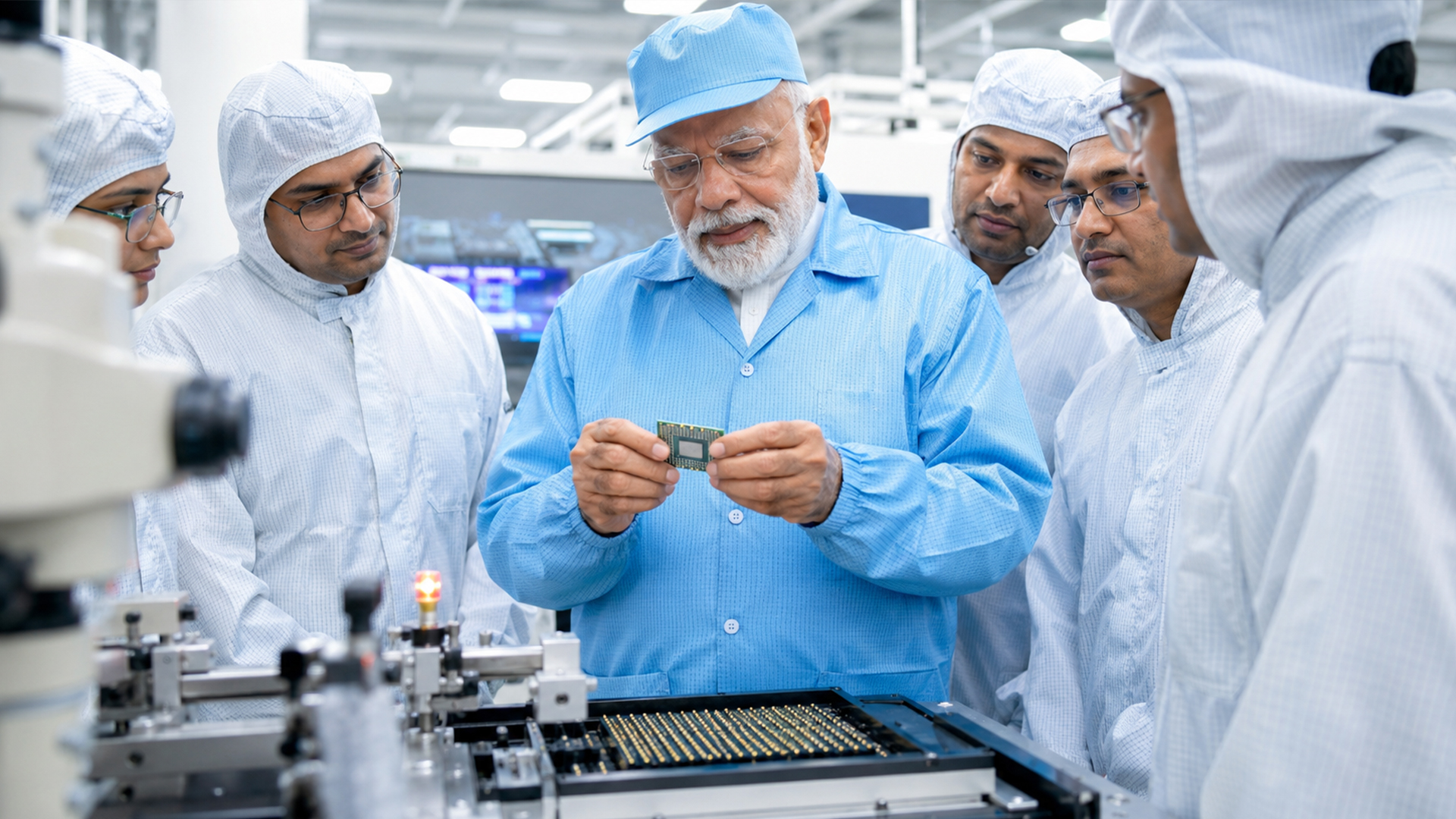
Sanand gets ₹7,600-cr semiconductor facility
PM Modi on Sunday inaugurated the commercial production of CG Semi’s ₹7,600-crore Outsourced Semiconductor Assembly and Test…

Government plans new Gold scheme
The government is working on a redesigned Gold Monetisation Scheme to encourage people to deposit unused gold…
About This Category
India's Business and Economic Policy, Tracked Closely
The budget cycle never really ends in India. Between Union Cabinet approvals, state government procurement deals, oil pricing decisions, and the RBI's quiet interventions in the currency market, there is always something moving. The Business section at The Summary follows this beat — not just what was announced, but why it happened, and what it changes.
The coverage is broad by necessity. India's economic decisions don't sit neatly in one lane. A Rafale procurement deal is also a foreign exchange story. A state government signing an MoU with L&T for ₹18,600 crore is also a signal about credit availability and regional industrial ambition. Treating these as isolated press releases misses the point.
Government Policy and Public Spending
The central government is the single largest actor in the Indian economy, and its spending choices reflect political priorities as clearly as economic ones. PM Modi's ₹22,000 crore development push across Gujarat, Daman & Diu, and Lakshadweep landed days before a key electoral cycle — that context belongs in the story, not in a footnote. Similarly, a cabinet-approved ₹10,000 crore aviation safety fund is partly about infrastructure and partly about shoring up a sector the government cannot afford to let fail. This section reports both.
Energy and Pricing
Fuel pricing in India is never purely a market story. LPG revisions, E85 ethanol rollouts, and high-level energy diplomacy — like Modi's discussions with Venezuelan Energy Minister Delcy Rodriguez — are shaped by subsidy politics, import bills, and supply chain strategy simultaneously. Readers following India's energy economy need all three threads, and this section keeps them together.
Currencies, Capital Markets, and Foreign Investment
A rupee at 95.64 to the dollar doesn't happen in isolation. It reflects the current account, portfolio investor sentiment, and RBI's intervention appetite. When the government removes capital gains tax on foreign sovereign bond investment, that too is part of the same picture — an effort to bring in long-term capital to manage exactly these pressures. The Business section covers markets not as scoreboards but as consequences of policy decisions made upstream.
Defence Spending as Economic News
The 114 Rafale deal matters here because it involves billions in foreign exchange outflow, offset obligations that determine how much of that money comes back into Indian manufacturing, and the broader question of whether India's defence industrial base is actually being built or just promised. These are economic questions. The strategic rationale is someone else's beat.
Frequently Asked Questions
Q1. What kind of business news does this section cover?
Government economic policy, public sector spending, infrastructure investment, energy pricing, currency markets, and large corporate or procurement deals. The emphasis is on decisions with real economic weight — cabinet approvals, state-level funding agreements, regulatory changes, and market movements that affect how money flows through the Indian economy.
Q2. How is The Summary's business coverage different from other outlets?
Most outlets publish the announcement. This section is more interested in what the announcement means — who benefits, what changed to make it happen, and what it signals about the government's current economic priorities. The stories are shorter than a wire report but carry more usable context.
Q3. Does this section cover international business news?
Where it intersects directly with India, yes. Currency pressures from the dollar index, bilateral energy agreements, defence procurement from France — these aren't foreign news stories, they're Indian economic stories with an international dimension. The distinction matters.
Q4. How often is the Business section updated?
As events occur. There are no fixed publishing windows. Policy announcements, market shifts, and major deals are covered when they happen. If a story is still developing, follow-up coverage comes as facts are confirmed rather than on a schedule.
Q5. Is this section for finance professionals or general readers?
Both, without compromise in either direction. LPG prices and infrastructure spending are covered so that any reader understands the significance. Policy and market analysis is rigorous enough for professionals. The standard is clarity, not simplification.
Q6. Does The Summary cover startups or small business news here?
Not as primary coverage. The section focuses on macro-level economic activity — government policy, large-scale industry, capital markets. Startup and MSME news appears when it connects to a broader policy shift, a regulatory change, or a funding environment story that affects the sector as a whole.