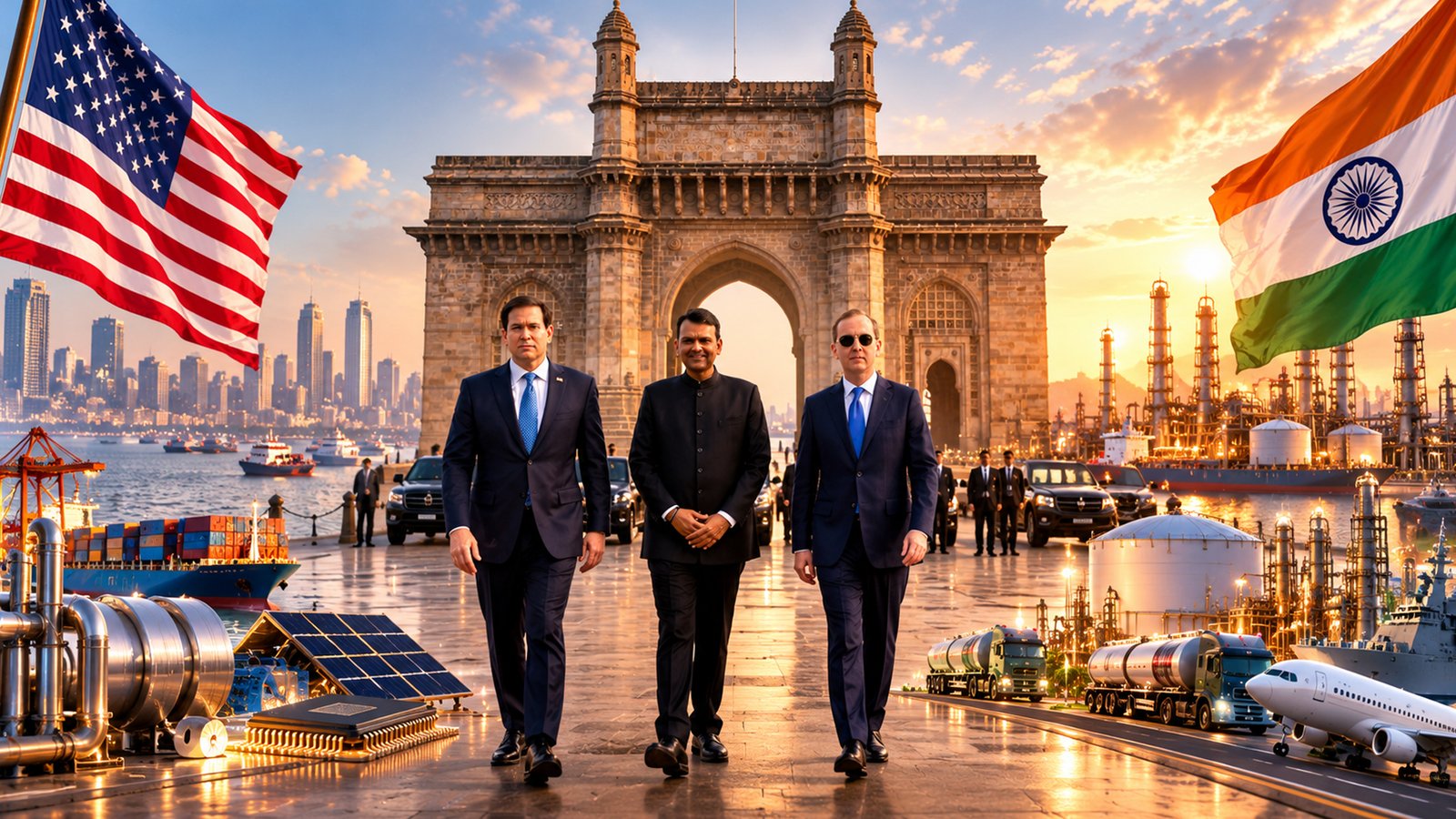
US Secretary of State Marco Rubio has sought to strengthen ties with India, putting energy security, defence cooperation and a long-awaited trade agreement at the centre of his two-day visit. His meetings with External Affairs Minister S Jaishankar and discussions involving Reliance Industries come at a crucial time for India-US relations, which have faced tensions over tariffs, immigration policies and India’s purchases of Russian oil.
Rubio arrived in India on October 20 and held talks with Jaishankar in Mumbai. He also indicated that Washington and New Delhi were close to finalising their bilateral trade agreement, with the remaining differences expected to be resolved in the coming weeks.
The visit has drawn attention to India’s growing importance in global energy markets, particularly its ability to process different grades of crude oil. Rubio described India as a refining superpower and said the US would discuss opportunities for Reliance Industries to refine more Venezuelan oil and potentially increase production in Venezuela.
The discussions could open another avenue for energy cooperation between the two countries, while helping Washington address concerns about global oil supplies and prices.
Reliance refinery at the centre of energy talks
Reliance Industries’ Jamnagar refinery in Gujarat is a major reason for the US interest in India’s refining capabilities. The facility is widely recognised as the world’s largest refining complex and can process a broad range of crude oil, including heavy grades that many refineries cannot handle efficiently.
Reliance, led by Mukesh Ambani, already has experience processing Venezuelan crude. The company has also held interests in Venezuela’s oil sector, making it a potential partner in efforts to increase production and refining of the country’s petroleum resources.
Rubio’s proposed discussions with Reliance are part of a wider US effort to encourage Indian companies to play a greater role in energy cooperation. Washington is interested in expanding the availability of Venezuelan crude and exploring opportunities for investment in the country’s oil industry.
However, any expansion would depend on commercial terms, operational requirements and the regulatory framework governing Venezuelan oil. Sanctions and other restrictions have complicated the country’s oil trade in recent years, making policy clarity important for companies considering fresh investments.
The discussions also come amid continuing debate over India’s purchases of Russian crude. Washington has pressed countries to reduce their dependence on Russian energy as part of its broader approach to the Russia-Ukraine conflict.
India, meanwhile, has maintained that its energy purchases must reflect national interests, affordability and the need to secure reliable supplies for its economy.
Trade deal could be weeks away
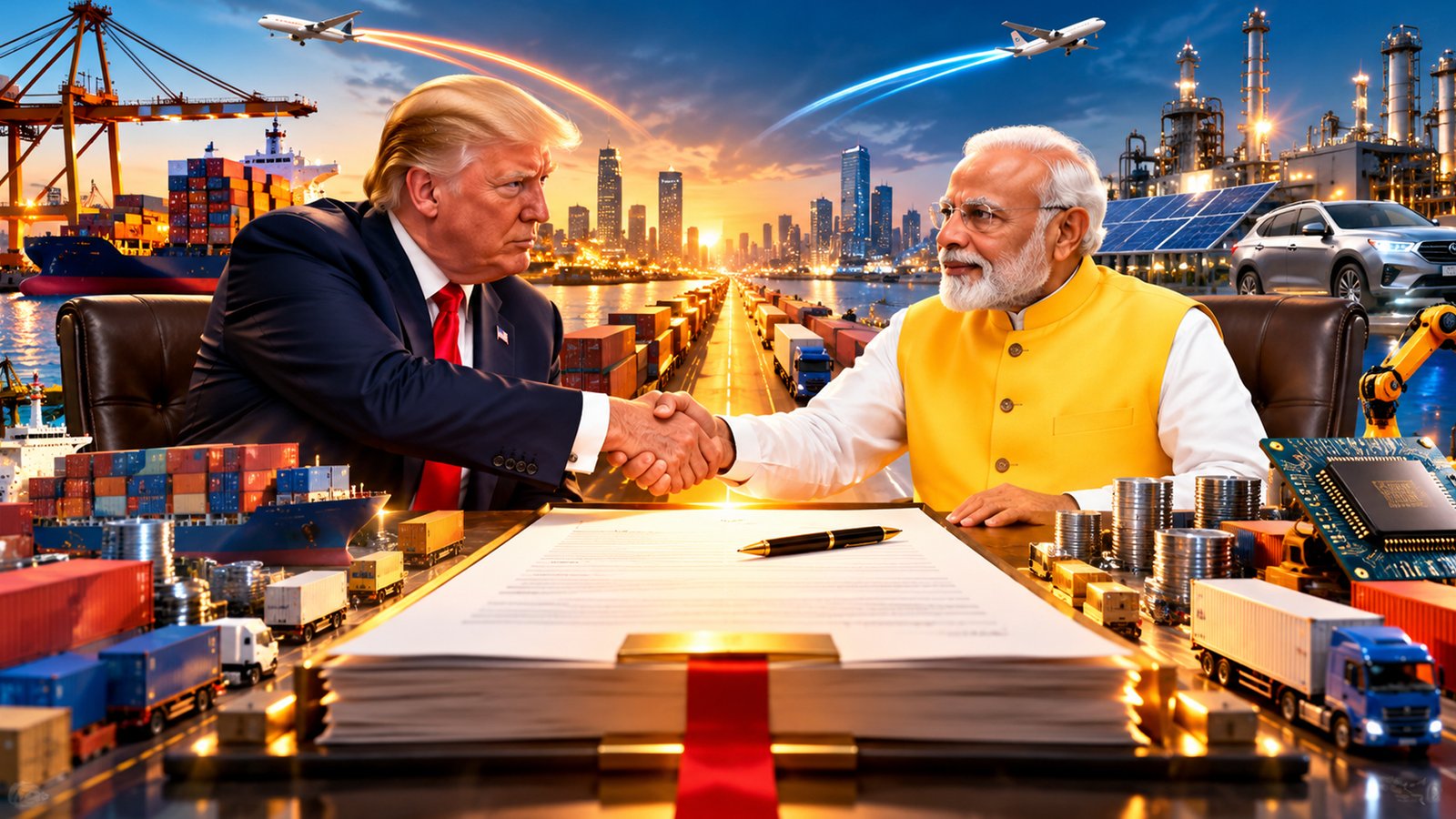
The India-US trade agreement remains another major priority during Rubio’s visit. The two countries have been negotiating the deal for more than a year, with tariffs and market access among the issues requiring attention.
In an interview with The Indian Express, Rubio said approximately 99% of the work on the agreement had been completed. He described the deal as being weeks, rather than months, away from finalisation, while acknowledging that some differences still needed to be resolved.
A completed agreement could provide greater clarity for businesses operating between the two countries and help strengthen trade and investment flows. It could also ease some of the uncertainty created by tariff disputes.
Rubio has encouraged India to expand purchases of American energy and technology. Greater trade in these areas could form part of a broader effort to improve the balance of economic ties between the countries.
However, his comments do not mean the agreement has been signed. The remaining issues must still be settled before both sides can formally conclude the negotiations.
Rubio addresses concerns over tariffs and visas
Rubio also sought to reassure India that the Trump administration’s tariff measures and tighter visa restrictions were not specifically aimed at the country.
He said the US was attempting to overhaul its immigration system after years of what Washington considers inadequate enforcement. The changes, he explained, were part of a broader policy rather than an effort to single out Indian students, professionals or businesses.
The clarification is significant because changes to US immigration rules have raised concerns among Indian technology workers, students and companies that depend on skilled professionals.
Tariffs have also been a source of friction, particularly amid disagreements over India’s Russian oil imports. Rubio said US trade measures were not intended to punish India, while linking Washington’s wider policy approach to its geopolitical objectives.
His remarks were an attempt to prevent these disputes from overshadowing cooperation in other areas.
Defence and technology ties remain important
Beyond oil and trade, India and the US are looking to deepen cooperation in defence, technology and regional security. Rubio and Jaishankar discussed these areas during their Mumbai meeting, reaffirming the importance of the wider strategic partnership.
Defence cooperation has become a key part of the relationship, with both countries interested in strengthening security capabilities and expanding technological collaboration. Energy security has gained similar importance as geopolitical tensions threaten supplies and push up costs.
The two sides must still navigate differences over trade, immigration and relations with other countries. Nevertheless, the latest discussions suggest that both governments want to keep these disagreements from derailing broader cooperation.
Rubio’s visit highlights the close connection between diplomacy, business and energy security. Reliance’s role in the Venezuelan oil discussions shows how India’s industrial capabilities could influence future cooperation with Washington.
The immediate focus will be on whether the two governments can conclude their trade agreement and translate discussions on Venezuelan oil into concrete commercial opportunities. Progress on both fronts could give India-US relations fresh momentum, although the outcome will depend on the details of the agreements and the policy decisions that follow.