
World News
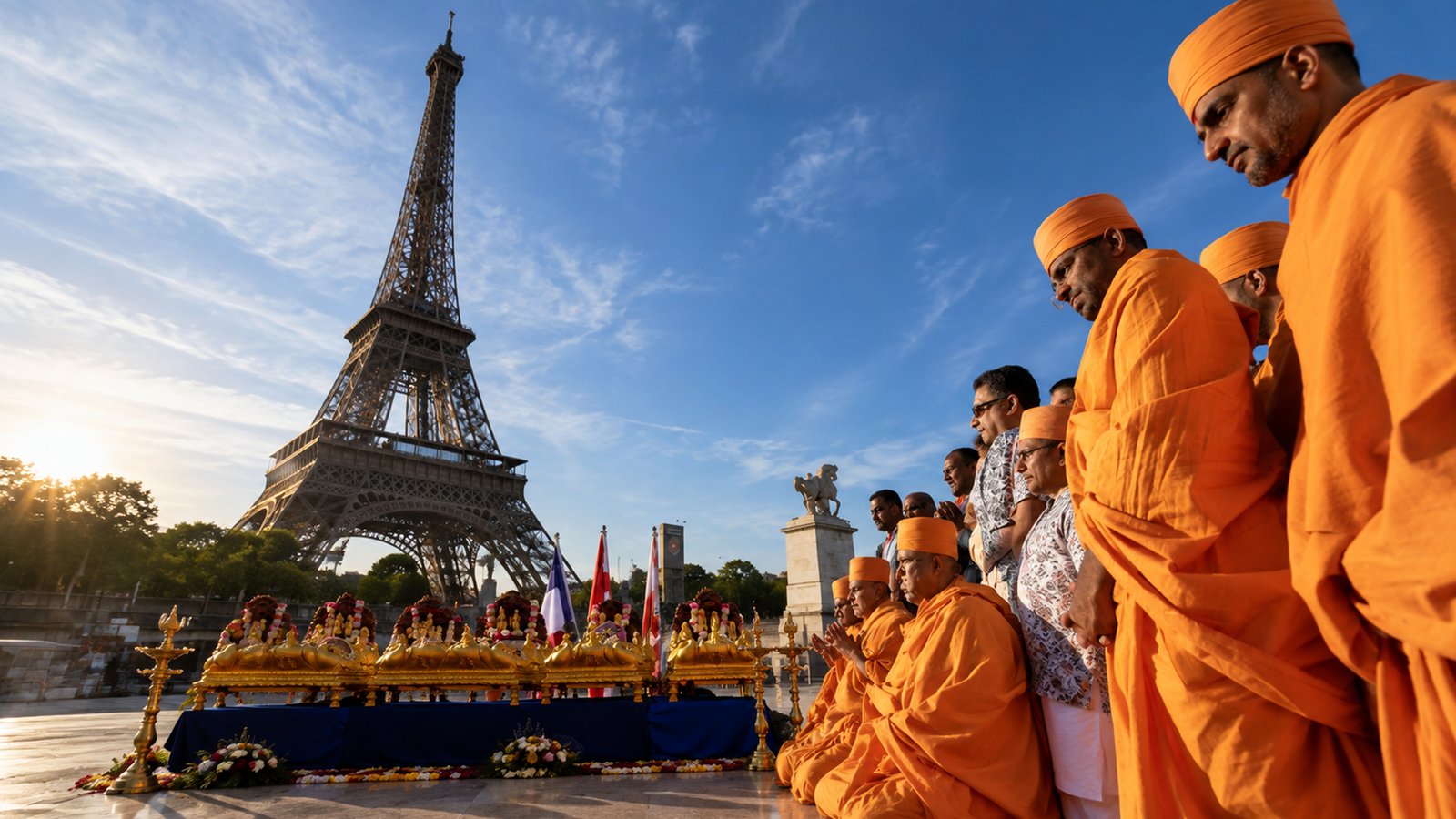
Eiffel Tower reopens after row over women staff
The Eiffel Tower reopened to visitors on Tuesday after a one-day closure triggered by a staff protest…
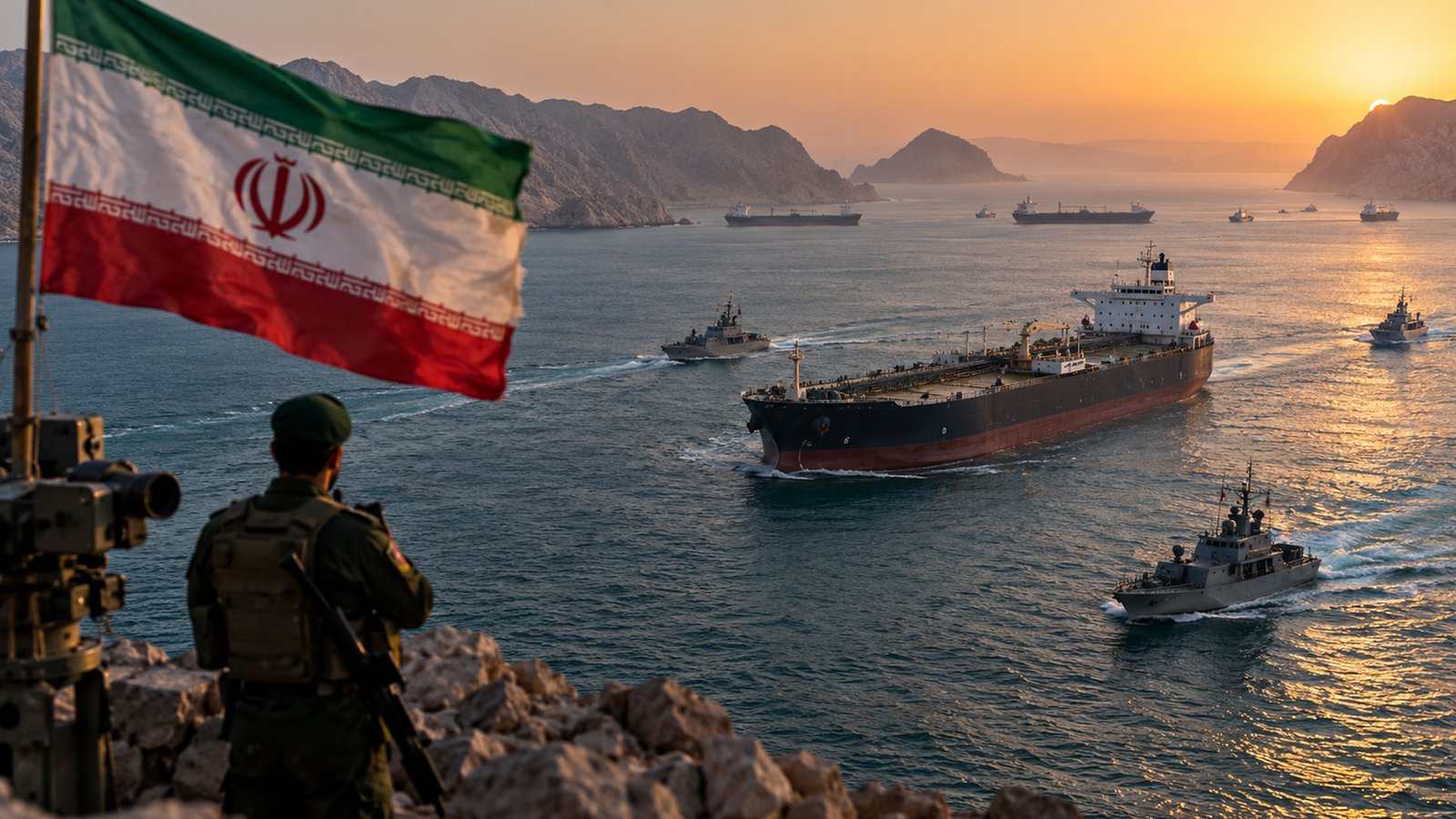
Iran plans new restricted zone near Hormuz
Iran is preparing to announce a new restricted maritime zone near the Strait of Hormuz, adding another…
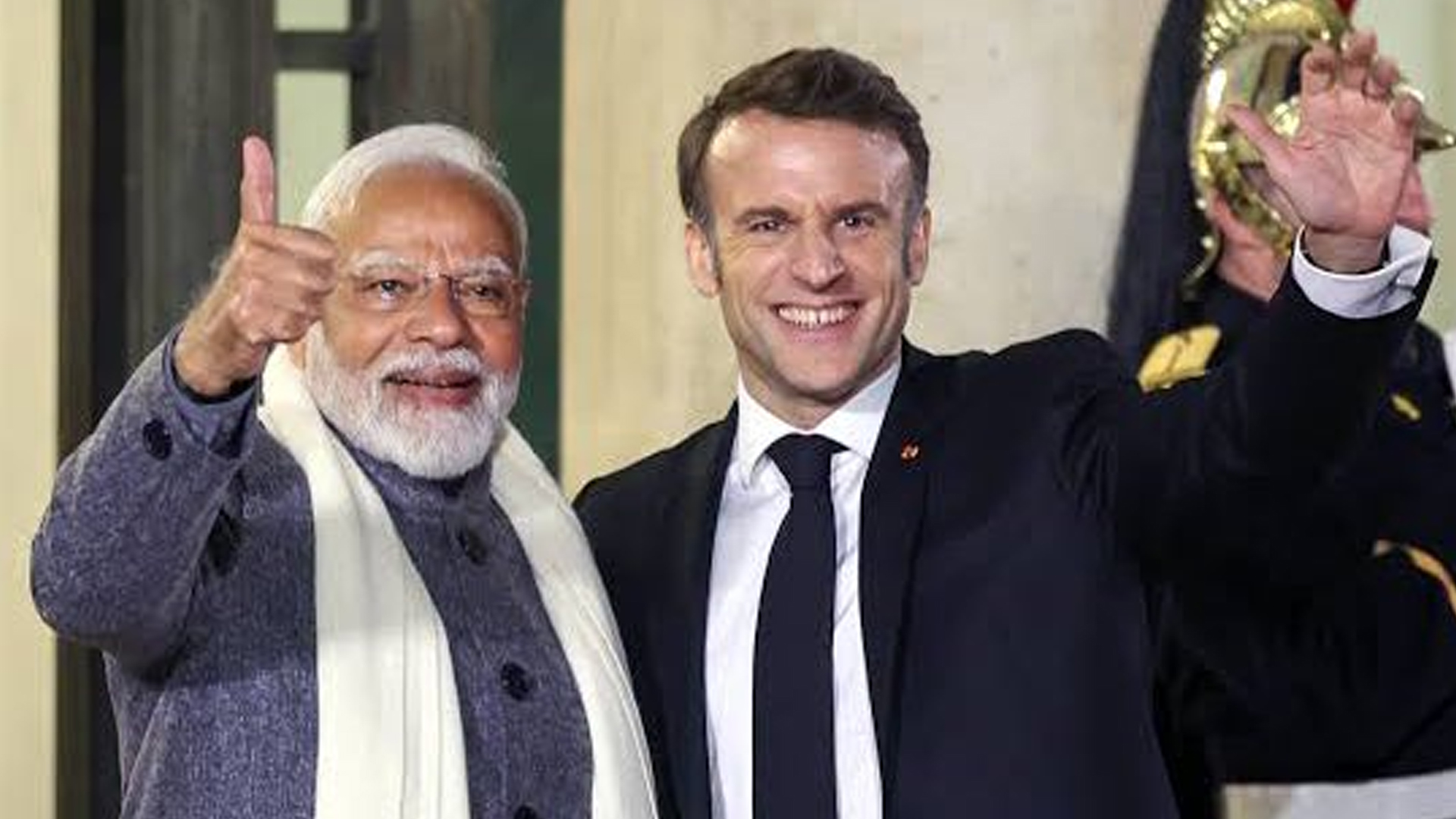
PM Modi says India-France ties enter new era
Prime Minister Narendra Modi on Sunday said India-France relations have reached new heights, describing the partnership as…
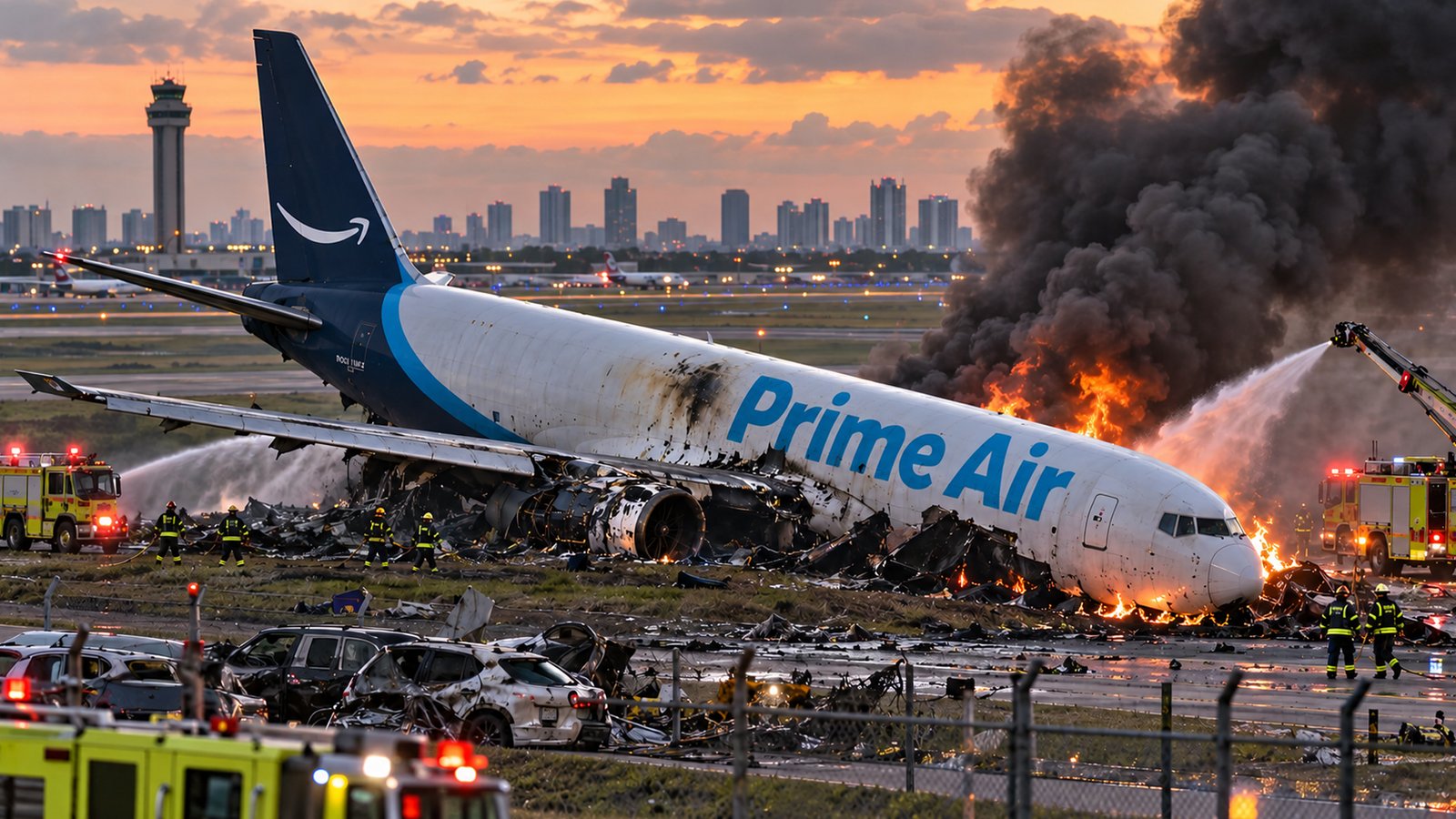
Amazon plane crash at Miami airport kills five
At least five people were killed and five others injured after an Amazon cargo plane crashed at…
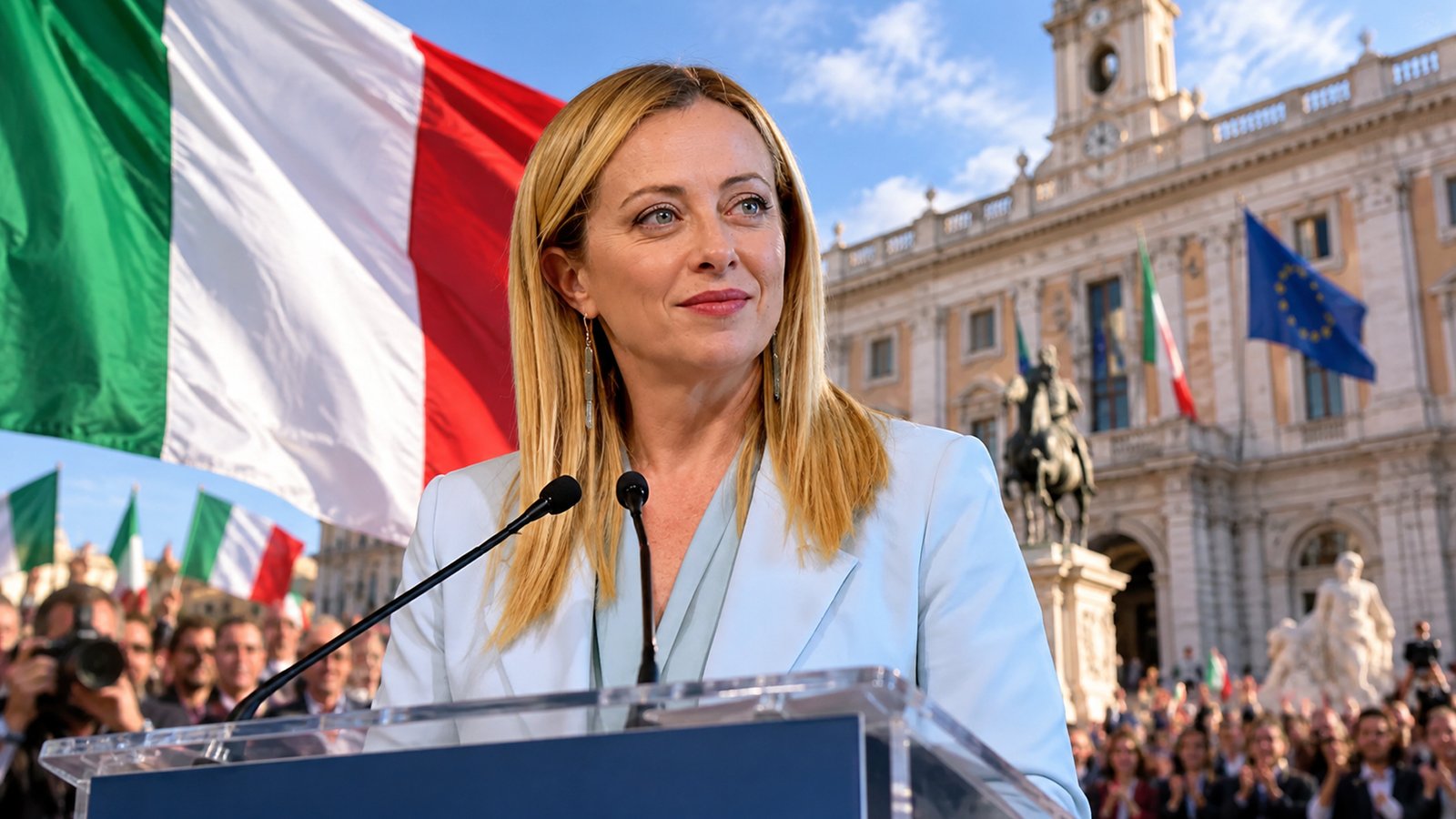
Meloni breaks Italy’s postwar longevity record
Giorgia Meloni’s government has achieved something that has long been difficult in Italy, that is, staying in…
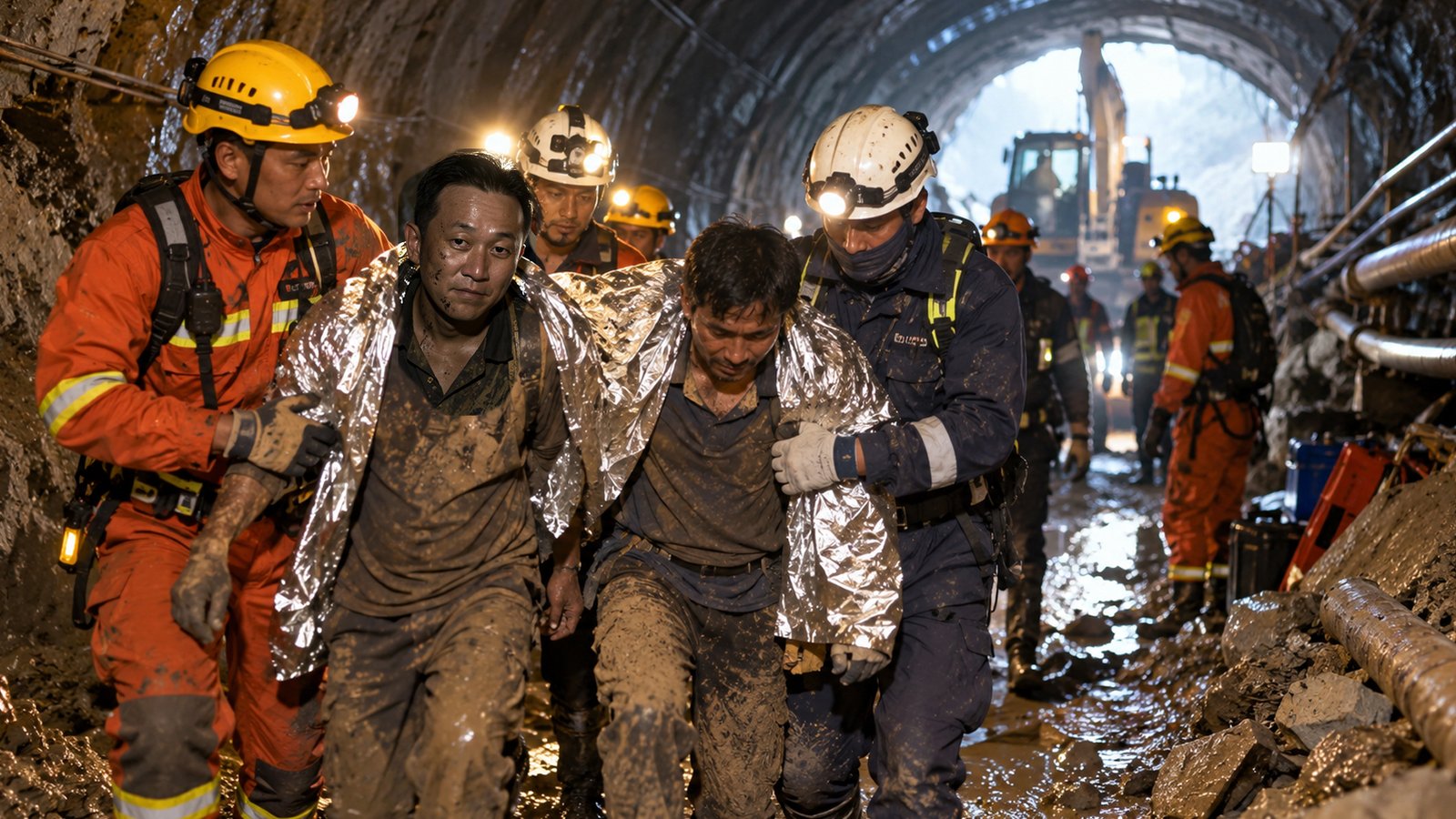
2 survive 9 days trapped in Nepal tunnel
Two men trapped inside a hydropower tunnel in Nepal for nine days have been rescued alive, giving…
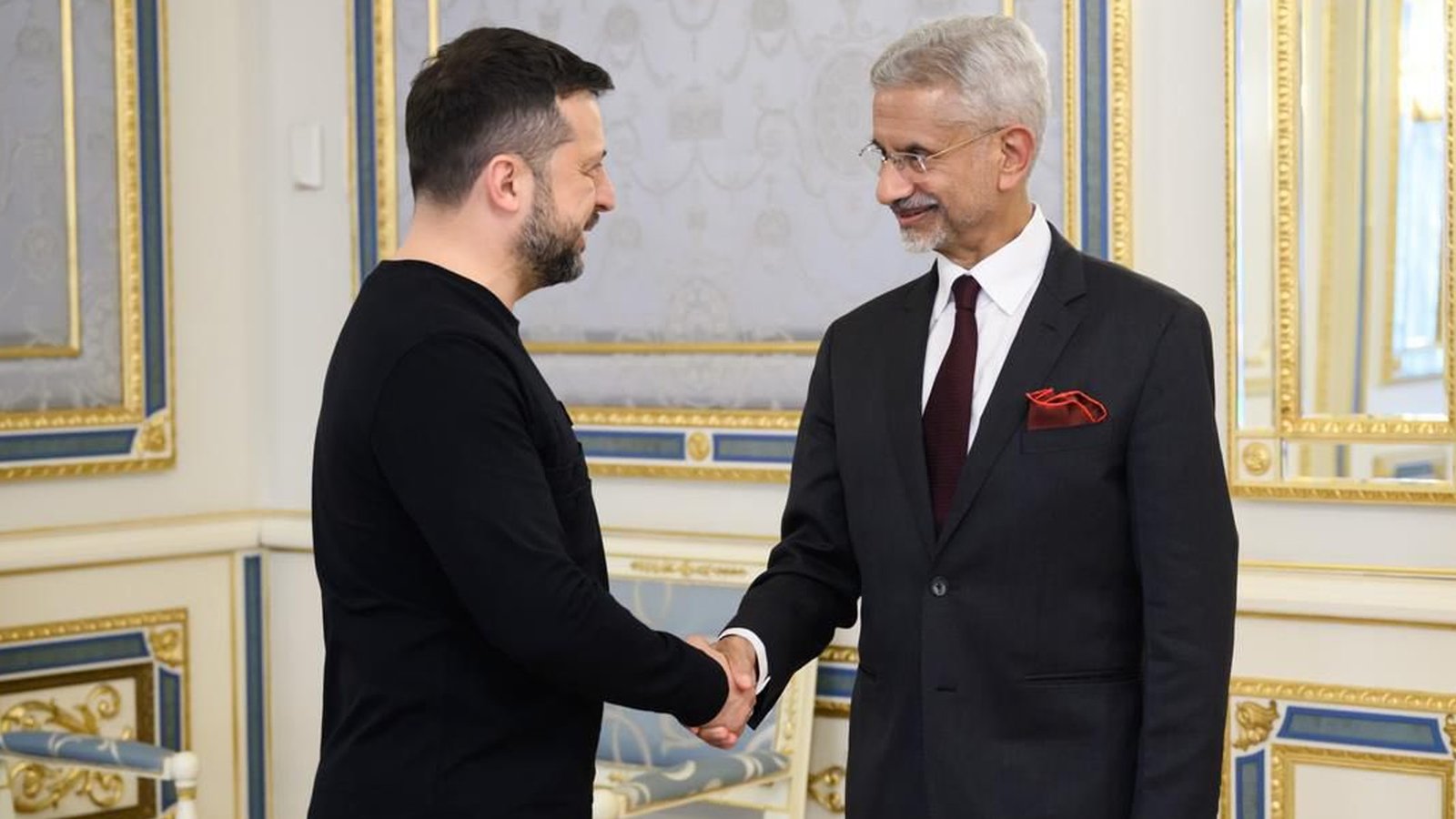
India backs diplomacy to end Ukraine war
India has offered to support efforts to end the Russia-Ukraine war, with External Affairs Minister S Jaishankar…
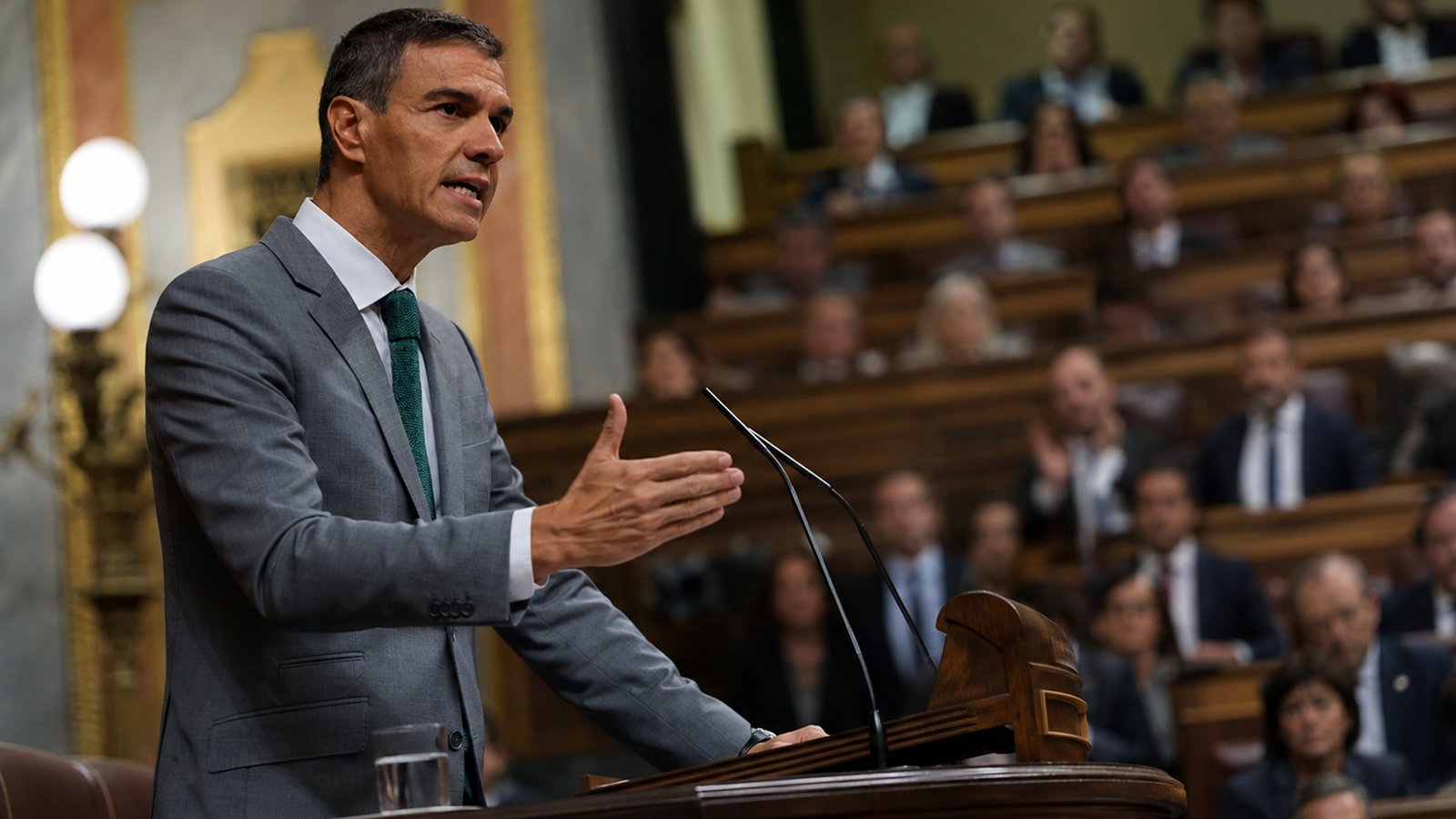
Spain finds no proof Morocco planned Ceuta surge
Spain’s Prime Minister Pedro Sánchez has rejected allegations that Morocco deliberately organised the mass movement of migrants…
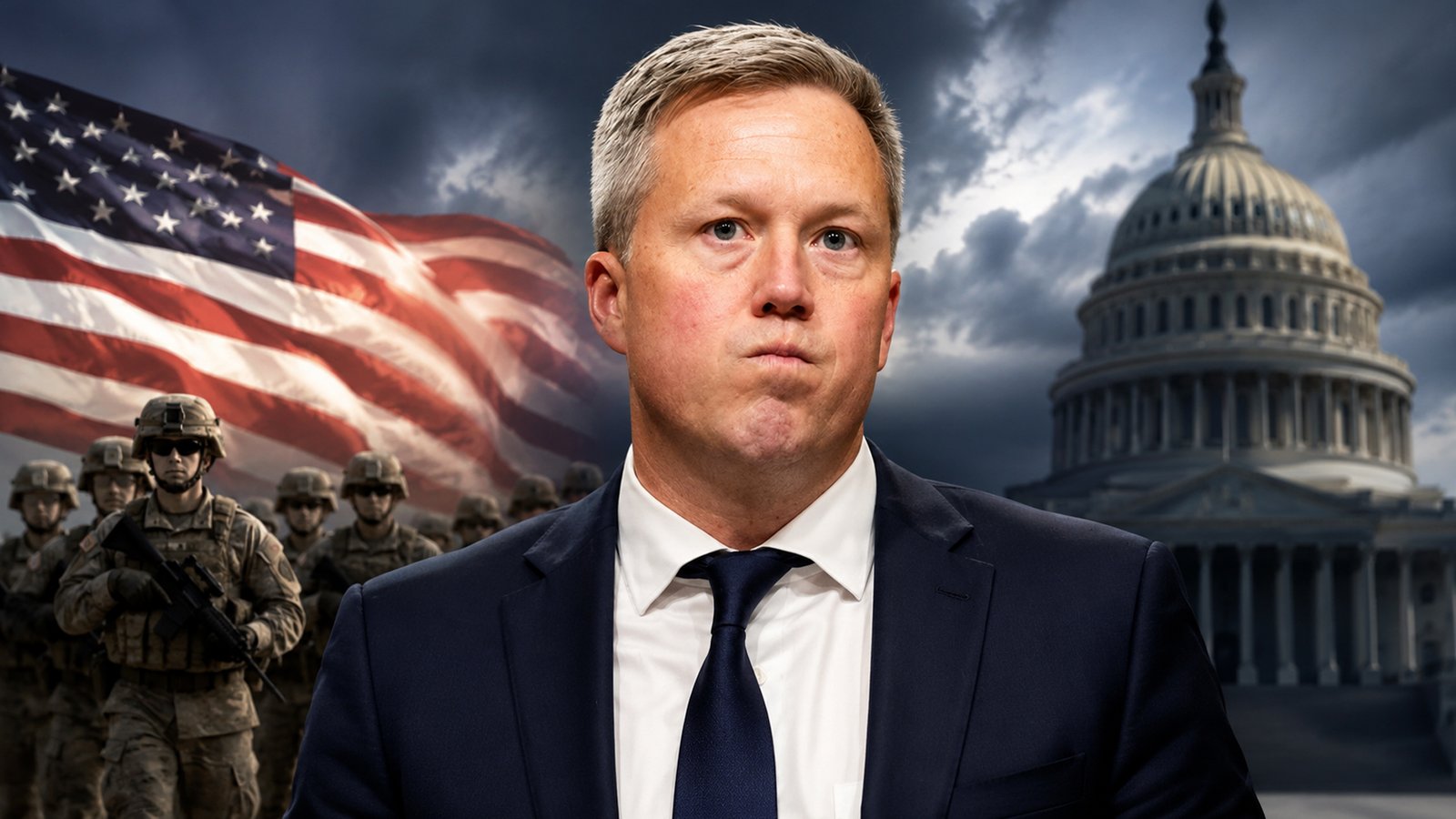
Dan Driscoll resigns as US army secretary
US Army Secretary Dan Driscoll has resigned from his post, adding to a period of significant leadership…
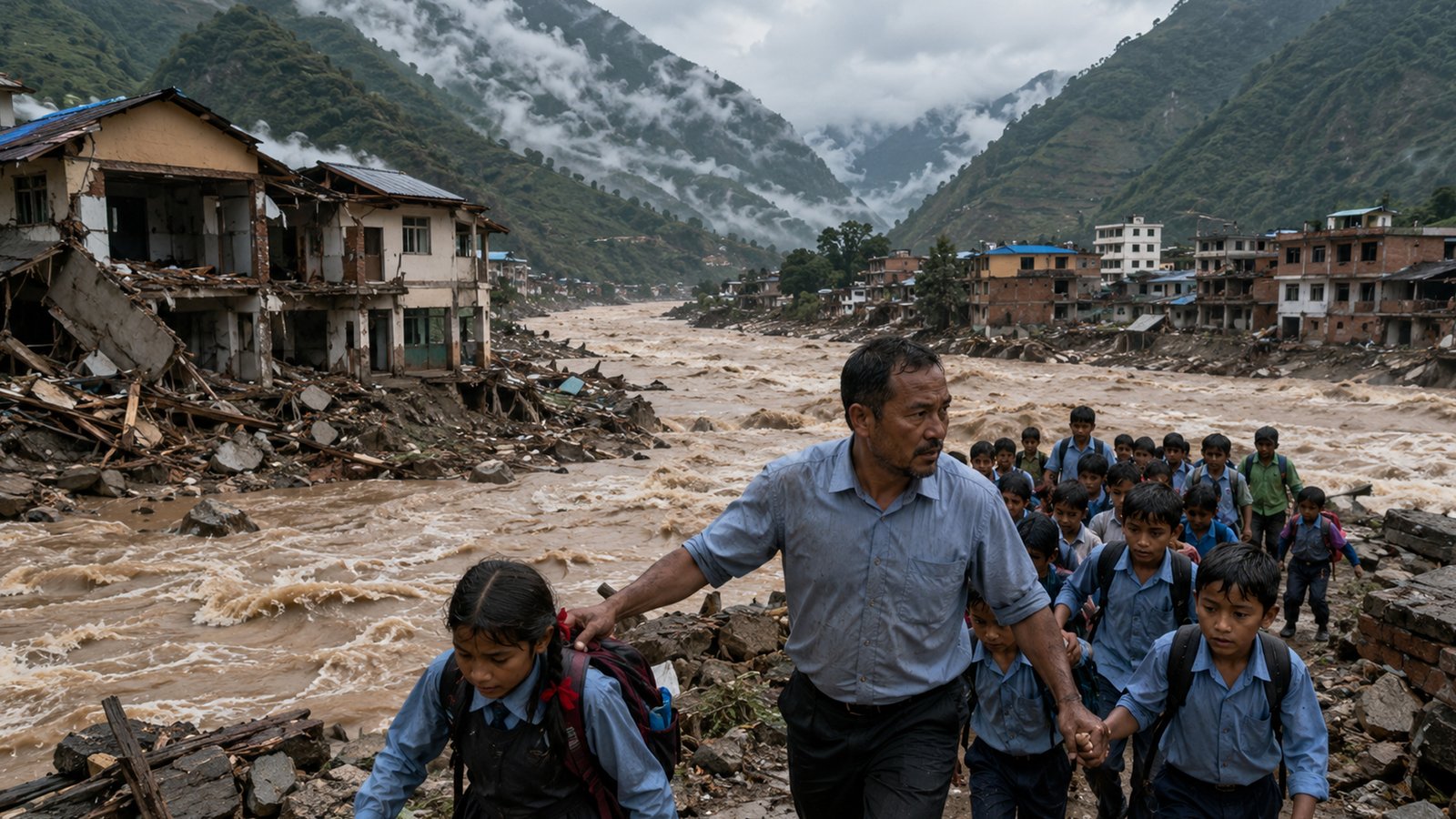
Nepal flood toll crosses 900
Nepal’s devastating flash floods have claimed at least 903 lives, with 4,247 people still missing, as rescue…
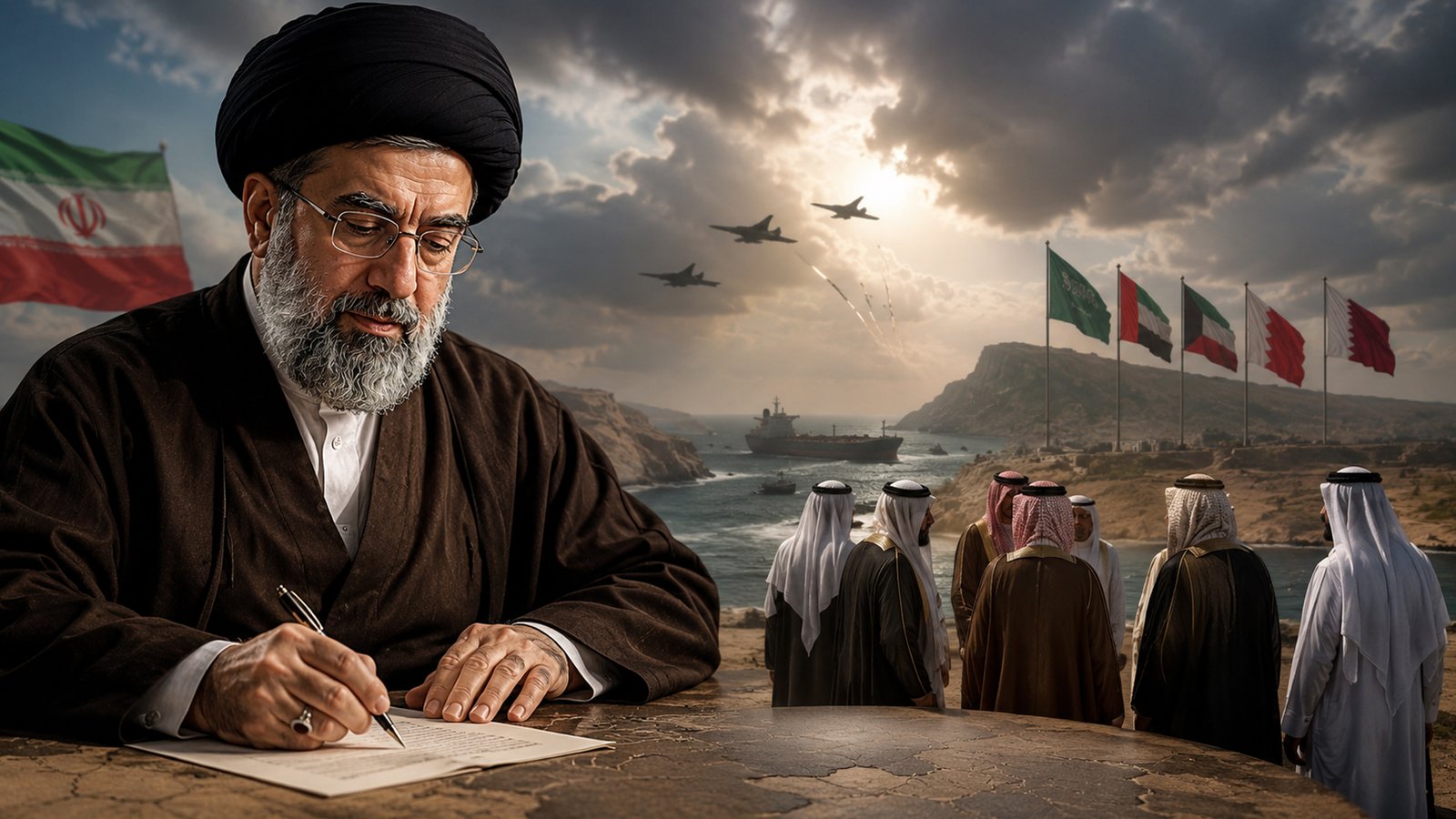
Khamenei urges Gulf states to unite against US, Israel
Iran’s Supreme Leader Mojtaba Khamenei has urged Gulf countries and other Muslim nations to set aside their…
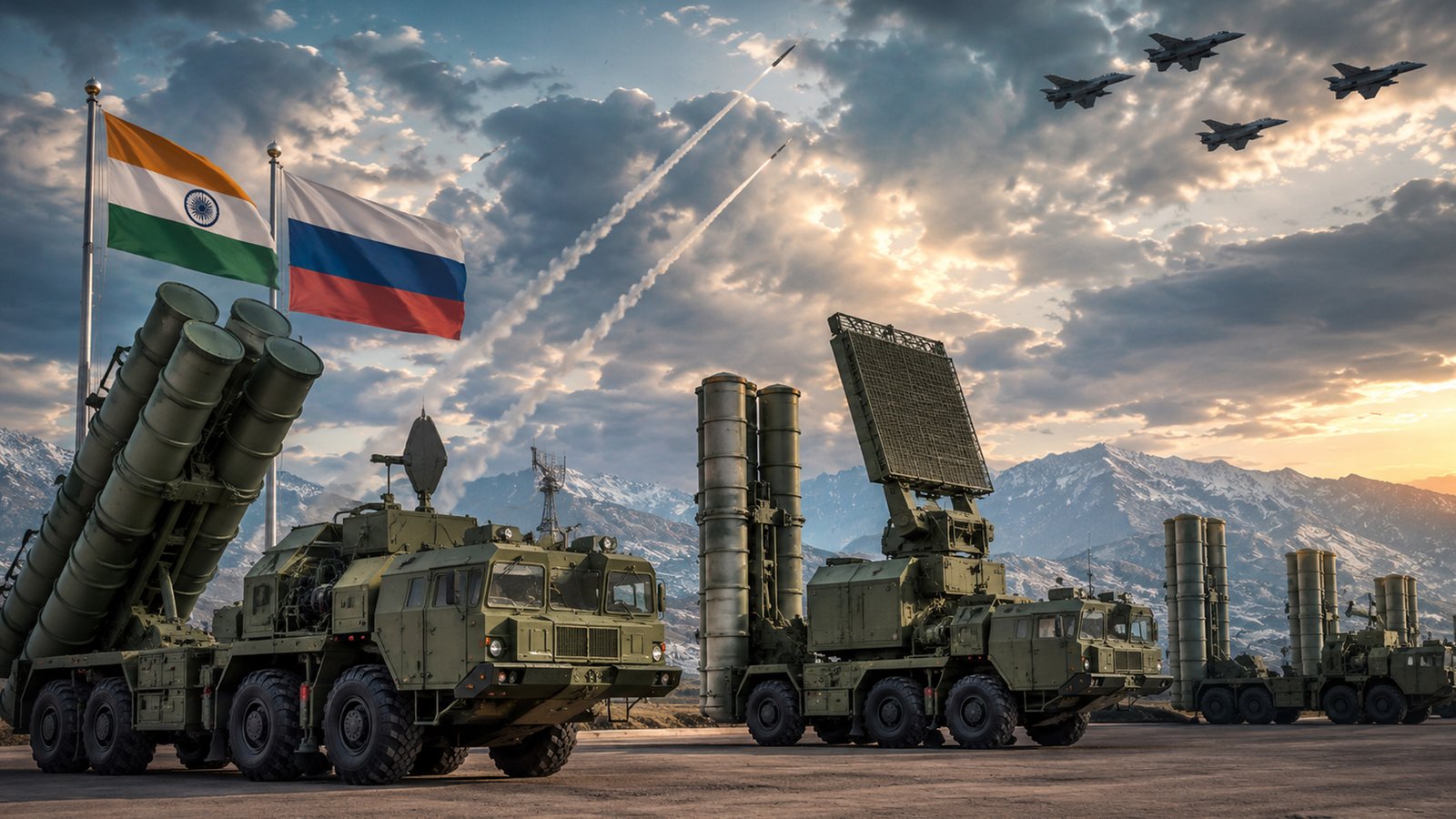
Russia offers five more S-400 squadrons for India
Russia has submitted a proposal to India for supplying five additional S-400 Sudarshan long-range air defence squadrons,…
About This Category
International News with a Clear Editorial Focus
The World News section covers foreign policy, international diplomacy, geopolitical conflict, and global events that carry significance beyond their immediate geography. The editorial filter is consequence — stories make it here because what happens next matters, either to India directly or to the international order that shapes India's environment.
Right now, that filter catches an enormous amount of US foreign policy. The Trump administration is running several high-stakes international gambits at once — restraining Israel from striking Iran while Congress moves to limit the executive's war powers, pushing Ukraine aid through the House while proposing new tariffs on India, issuing immigration orders that courts are blocking. These are not separate stories. They are part of a single picture of an administration that is simultaneously reshaping America's relationships with allies, adversaries, and everyone in between.
India at the Centre of Multiple Relationships
One of the more striking features of current world news is how many major powers are positioning themselves relative to India at the same time. Putin hailing India as a trusted partner, Trump calling Modi a good friend, and the US simultaneously proposing 12.5% additional tariffs on Indian exports are all live developments running in parallel. These aren't contradictions that cancel each other out — they reflect the reality of India's diplomatic position as a country that major powers want to claim while also pressuring.
The World News section covers these stories together because that's how they should be understood — as a composite picture of where India sits internationally, not as isolated diplomatic moments.
The Middle East and the Limits of Diplomacy
The Israel-Lebanon truce is holding. For now. That caveat matters because the same week, Trump was telling Netanyahu not to strike Iran — suggesting the conditions for escalation remain present even where formal hostilities have paused. The US House voting to limit presidential war powers over Iran adds a domestic political dimension to what is fundamentally a regional security story. These pieces connect, and coverage reflects those connections.
East Asia: China's Moves and Regional Instability
Xi Jinping's North Korea visit — first in seven years — is the kind of diplomatic signal that rarely announces itself loudly. The timing, the symbolism, and the context of US-China competition all need to be part of how it's reported. The 7.8 magnitude earthquake in the Philippines is a different kind of world story — natural disaster, not diplomacy — but it belongs here because the scale and the regional response are genuinely significant.
Frequently Asked Questions
Q1. What does the World News section cover?
International diplomacy, foreign policy decisions, geopolitical conflict, major natural disasters, and global economic developments that directly affect India or the international order more broadly. The editorial emphasis is on stories with clear consequences — not every foreign development, but the ones where the outcome actually changes something for governments, economies, or people.
Q2. Why does so much of the World News coverage involve the United States?
Because the US is generating an unusually high volume of consequential international decisions right now. Trump administration foreign policy — on Iran, Ukraine, immigration, India tariffs, Israel — is shaping outcomes across multiple regions simultaneously. Covering world news honestly in this period means covering Washington heavily. That will shift as the news does.
Q3. Does The Summary cover India's foreign relations specifically?
Yes, as a consistent thread through World News. US-India trade tensions, Russia's positioning toward India, and how India's diplomatic relationships are being managed by major powers all receive sustained attention. India is not covered as a passive subject of foreign decisions — the section tracks how those decisions land and what India's stated position is.
Q4. How does The Summary cover ongoing conflicts like the Middle East situation?
As news rather than as background. The Israel-Lebanon truce is covered for what's confirmed — whether it's holding, what both sides are saying, and what the conditions around it look like. When Trump tells Israel to hold off on an Iran strike, the story is the specific diplomatic communication and its context, not a general conflict recap. Events drive the coverage.
Q5. Does World News cover natural disasters?
When the scale warrants it. A 7.8 magnitude earthquake in the Philippines that kills people and triggers regional emergency response is international news by any standard. Smaller-scale events are generally covered under relevant category sections when there is a specific India connection. The test is significance, not geography.
Q6. How does the World News section handle stories where facts are still developing?
Coverage reflects what is confirmed at time of publication. Developing stories — a diplomatic meeting whose outcomes aren't yet clear, a natural disaster where the casualty count is still coming in — are published based on confirmed facts, with updates as the picture becomes clearer. The section doesn't speculate on outcomes or intent beyond what official sources and credible reporting support.